
Leidende gezondheidszorgmerken zetten de toon voor hoe zorg wordt bedacht en geleverd. Door consistente naamgeving, betrouwbare service-standaarden en een toewijding aan duidelijkheid, bouwen gezondheidszorgmerken vertrouwen op bij patiënten, aanbieders en partners. Deze pagina verkent hoe vertrouwde namen in de sector ervaringen vormen, kwaliteitsafstemming bevorderen en verantwoordelijkheid signaleren binnen het ecosysteem. Door te prioriteren datamanagement en merkintegriteit leggen gezondheidszorgmerken een stevige basis voor betekenisvolle betrokkenheid bij gemeenschappen. Van historische erfenissen tot moderne, patiëntgerichte modellen, verdienen gezondheidszorgmerken erkenning door goed governance, transparante communicatie en ethische praktijken te handhaven. Ze investeren in toegankelijke informatie, consistente berichtgeving en betrouwbare service-contactpunten die mensen helpen navigeren door complexe systemen. De nadruk op merkbeheer maakt deze organisaties betrouwbare partners voor artsen, verzorgers en de gemeenschappen die zij bedienen. Doorbraakoplossingen bepalen hoe gezondheidszorgmerken workflows en serviceverlening herzien. Door ontwerpdenken, digitale tools en samenwerkingspartnerschappen te omarmen, verkennen ze nieuwe manieren om mensen te verbinden met hulpbronnen, processen te stroomlijnen en kennis te delen. Deze inspanningen worden geleid door strikte normen en een focus op gebruikerservaring, zodat innovaties aansluiten bij echte behoeften. Patiëntgerichte excellentie staat centraal in elke inspanning van gezondheidszorgmerken. Door de ervaringen van patiënten en artsen centraal te stellen, bevorderen deze merken feedbacksystemen, inclusief ontwerp en responsieve ondersteuning. Ze investeren in educatie, onboarding en serviceontwerp die verschillende behoeften en contexten respecteren. Klik hier om meer te leren.
Toonaangevende Zorgmerken: Betrouwbare Namen die Zorg Herdefiniëren
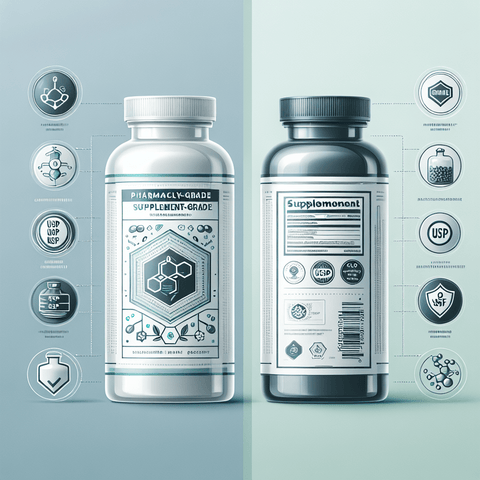
Healthcare brands are the names people see across medicines, medical devices, insurance, diagnostics, digital health tools, hospitals and consumer wellness products. They help organize a large and often complex sector into recognizable organizations, product lines and service standards. This page provides a broad overview of healthcare brands as a topical hub: what they are, how they are commonly grouped, why they attract attention, and what readers may wish to consider when comparing trusted names in care.
What Are Healthcare Brands?
A healthcare brand is a company name, product name or service identity associated with health-related goods or services. Healthcare brands may appear in many settings: a prescription medicine label, a vitamin bottle, a hospital network, a health insurance plan, a diagnostic test, a wearable device or a telemedicine platform. The term is therefore broad and can refer to very different kinds of organizations.
For readers, healthcare brands often act as shortcuts. A familiar name may signal a known manufacturer, a particular product line, a certain level of customer support or a recognizable standard of communication. However, brand familiarity should not be confused with personal medical suitability. Product choice, treatment decisions and supplement use depend on many individual factors, local regulations and professional advice.
Main Categories of Healthcare Brands
Healthcare brands can be grouped in several practical ways. These categories help readers understand where a brand sits in the wider health ecosystem and what kind of information is most relevant when comparing options.
- Pharmaceutical companies: organizations that research, develop, manufacture or distribute medicines, often under strict regulatory oversight.
- Medical device and diagnostics brands: makers of equipment, tests, monitors, imaging tools and other technologies used in prevention, diagnosis or care.
- Health insurance and health plan brands: organizations that provide coverage, reimbursement or managed care services.
- Hospital, clinic and care provider groups: networks or institutions that deliver medical services and shape patient experience.
- Digital health and telemedicine brands: platforms and apps that support appointments, monitoring, information access or remote care.
- Consumer health and supplement brands: companies offering vitamins, minerals, herbal products, probiotics, sports nutrition and other wellness products.
Within the supplement space, readers may encounter brands focused on specific nutrient groups or product types. For example, some lines emphasize natural supplements, while others focus on multivitamins or more specialized categories. These distinctions can help users navigate brand pages more efficiently.
Why Healthcare Brands Attract Attention
Healthcare brands attract attention because health decisions often carry practical, emotional and financial weight. People want to know who stands behind a product, whether a company is transparent, how it handles quality and what kind of support it offers. In regulated areas such as medicines and devices, brand identity may also be linked to approvals, recalls, certifications or legal requirements.
For consumer health and supplement brands, trust may be shaped by labeling clarity, ingredient sourcing, third-party testing claims, customer service and educational content. However, these factors should be assessed alongside personal needs and professional guidance. A well-known brand name does not automatically mean a product is appropriate for everyone.
How to Compare Healthcare Brands at a High Level
Comparing healthcare brands can be challenging because the categories are so different. A hospital network, a diagnostic laboratory and a vitamin brand do not compete in the same way and should not be judged by identical criteria. Still, some broad questions can help readers orient themselves.
- What category does the brand operate in, and what products or services does it actually provide?
- What information does the brand make available about ingredients, materials, sourcing, testing or service standards?
- Does the brand communicate clearly about intended use, limitations and safety considerations?
- Are there country-specific regulations, approvals or labeling requirements that apply?
- Does the brand offer customer support, documentation or educational resources that help users make informed choices?
For supplement brands, it can also be useful to understand the wider nutrient or ingredient category. For example, a brand may offer products related to mineral supplements or other specialized lines. Knowing the category helps readers compare like with like and avoid confusing general wellness products with regulated medicines.
Practical Considerations When Exploring Healthcare Brands
Healthcare brands operate in a sector where accuracy, transparency and safety matter. Readers exploring brand names may therefore benefit from a cautious, information-first approach. Brand reputation can be a starting point, but it is not a substitute for checking labels, understanding intended use or seeking qualified advice when needed.
Regulations differ between countries and between product types. A product that is available in one market may be classified differently in another. Claims that are permitted for a supplement in one jurisdiction may not be allowed elsewhere. This is one reason why healthcare brand information should be read in local context rather than treated as universal.
For personal health decisions, including the use of supplements or medical products, it is important to consult a qualified healthcare professional who can consider individual circumstances, interactions and suitability. This page is intended for general educational purposes and does not provide personalized medical advice.
Exploring Further Within the Topic
Healthcare brands touch many areas of health and wellness. Readers interested in supplement brands may wish to explore specific nutrient categories, ingredient guides and product types to understand how different brands position their offerings. The articles associated with this tag page provide deeper dives into individual questions, comparisons and practical topics, while this page offers the broader map.
As you explore, keep in mind that brand recognition is only one part of the picture. The most useful comparisons usually combine brand information with product-specific details, regulatory context and, where relevant, professional guidance.