
Deze pagina onderzoekt hoe hematologische en neurologische symptomen uw gezondheid kunnen beïnvloeden, met de nadruk op veelvoorkomende waarschuwings-signalen, richtlijnen over wanneer u medische hulp moet zoeken, en praktische stappen om geïnformeerd te blijven. Door te begrijpen hoe deze symptomen verband houden met bloed- en zenuwstelsel-functies, kunt u veranderingen beter herkennen die mogelijk aandacht vereisen. Het doel is om bewustzijn en paraatheid te bevorderen zonder uit te gaan van specifieke medische uitkomsten. Hematologische symptomen verwijzen naar signalen die verband houden met bloed en bloedvormende processen. Let op ongebruikelijke bloedingen of blauwe plekken, aanhoudende bleke huid of nagels, vermoeidheid of zwakte, kortademigheid bij inspanning, duizeligheid of een gevoel van licht in het hoofd. Deze tekenen kunnen in intensiteit en duur variëren, en het vastleggen van wanneer ze beginnen, hoe ze evolueren en hoelang ze duren, kan u helpen om zorgen te bespreken met een zorgverlener. Het bijhouden van deze veranderingen is onderdeel van een proactieve aanpak van uw gezondheid. Neurologische symptomen betreffen het zenuwstelsel en kunnen zich presenteren als veranderingen in gevoel, beweging of mentale functies. Let op hoofdpijn die anders is dan normaal, plotselinge gevoelloosheid of zwakte (vooral aan één zijde), moeite met spreken of begrijpen van spraak, veranderingen in het zicht, duizeligheid of evenwichtsproblemen, of nieuwe verwarring of aanvallen. Als u plotselinge of aanhoudende neurologische veranderingen opmerkt, is het passend om begeleiding te zoeken bij een arts om mogelijke oorzaken en de volgende stappen te begrijpen. Praktische tips om geïnformeerd en voorbereid te blijven, omvatten het bijhouden van een eenvoudig symptomenlogboek dat de aanvang, duur en intensiteit vastlegt, zodat u een duidelijk beeld kunt delen met gezondheidsprofessionals. Weet wie u kunt contacteren voor vragen die niet dringend zijn en wanneer u dringende of spoedeisende hulp moet zoeken bij ernstige of snel verergerende veranderingen. Houd een actuele lijst bij van medicijnen en allergieën, en maak een plan voor hoe u toegang krijgt tot zorg als symptomen ontstaan, inclusief duidelijke details over uw medische geschiedenis en eventuele familiegeschiedenis die relevant kan zijn. Deze stappen ondersteunen een proactieve bewustwording van hematologische en neurologische symptomen zonder te vertrouwen op specifieke claims over behandelingen of uitkomsten.
Hematologische en neurologische symptomen: Wat ze voor je gezondheid betekenen
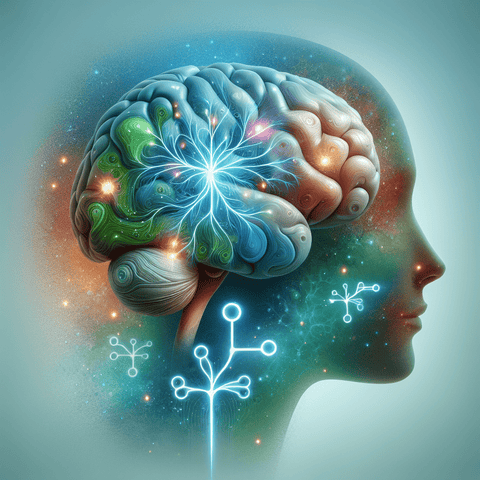
Hematologic and neurological symptoms are two broad categories of health signals that can sometimes appear together. Hematologic symptoms relate to blood and blood-forming processes, while neurological symptoms involve the nervous system. Because blood supports the delivery of oxygen and nutrients throughout the body, changes in blood health can sometimes influence how the nervous system functions. This page offers a high-level overview of these symptoms, their potential overlap, and practical steps for staying informed.
This content is for general educational purposes only and is not a substitute for professional medical advice, diagnosis, or treatment. Always consult a qualified healthcare provider about your individual health concerns.
What Are Hematologic Symptoms?
Hematologic symptoms are signals tied to blood and the processes that form blood components. They can reflect changes in red blood cells, white blood cells, platelets, or clotting factors. Common hematologic symptoms may include:
- Unusual bleeding or bruising
- Persistent paleness of the skin, lips, or nail beds
- Fatigue or weakness that does not improve with rest
- Shortness of breath during routine activities
- Dizziness or a sense of lightheadedness
These symptoms can vary widely in intensity and duration. Some may develop gradually, while others appear more suddenly. Keeping track of when symptoms begin, how they change over time, and what seems to trigger or relieve them can help you describe your experience clearly to a healthcare professional.
What Are Neurological Symptoms?
Neurological symptoms involve the nervous system, including the brain, spinal cord, and peripheral nerves. They can affect sensation, movement, cognition, or consciousness. Examples include:
- Headaches that are different from your usual pattern
- Sudden numbness or weakness, especially on one side of the body
- Trouble speaking or understanding speech
- Vision changes
- Dizziness or balance problems
- New confusion or seizures
If you notice abrupt or persistent neurological changes, it is appropriate to seek guidance from a clinician. Some neurological symptoms may be associated with underlying conditions, including certain hematologic disorders, because the nervous system relies on a steady supply of oxygen and nutrients from the blood.
How Hematologic Disorders Can Affect the Nervous System
The relationship between blood and the nervous system is complex. Blood delivers oxygen, glucose, and other essential substances to nerve cells, and it helps remove waste products. When blood composition or function is altered—such as in anemia, thrombotic disorders, or other hematologic conditions—the nervous system may be affected in various ways. For example, severe anemia can reduce oxygen delivery to the brain and nerves, potentially contributing to symptoms like fatigue, dizziness, or difficulty concentrating. However, these are general associations and not diagnostic rules. Only a healthcare professional can determine whether a specific symptom is related to a hematologic condition.
Diagnostic Approaches for Neurological Symptoms with Possible Blood-Related Causes
When neurological symptoms are present, a clinician may consider a range of potential causes, including hematologic ones. Diagnostic approaches can include:
- Blood tests to assess red blood cells, white blood cells, platelets, iron levels, vitamin B12, folate, and other markers
- Imaging studies such as MRI or CT scans to evaluate the brain and spinal cord
- Neurological examinations to assess reflexes, coordination, sensation, and cognitive function
- Additional tests as determined by your healthcare provider based on your specific symptoms and history
Bloodwork can provide valuable information about underlying conditions, but it cannot diagnose all neurological issues on its own. A comprehensive evaluation often combines multiple types of assessments.
Practical Steps for Tracking Symptoms and Seeking Care
Keeping a simple symptom log can be a useful way to stay organized. Consider noting:
- When the symptom started
- How long it lasted
- How intense it felt
- Anything that seemed to make it better or worse
Know whom to contact for non-urgent questions and when to seek urgent or emergency care. Severe or rapidly worsening symptoms—such as sudden weakness, difficulty speaking, or loss of consciousness—require immediate medical attention. Maintain a current list of medications and allergies, and have a plan for accessing care if symptoms arise. Sharing clear details about your medical history and any relevant family health history can help your healthcare provider better understand your situation.
Nutritional Considerations and Supplement Categories
Nutrition plays a role in supporting blood health and nervous system function. For example, iron, vitamin B12, folate, and other nutrients are involved in red blood cell production and neurological processes. If you are exploring nutritional supplements, it may be helpful to understand the broader categories available. Our mineral supplements guide covers iron, zinc, and other minerals. For B-vitamin-related products, you can browse our vitamin B category. Additionally, our vitamin K category provides information on vitamin K, which is involved in blood clotting. These categories are provided for general navigation and do not imply that any supplement can prevent, treat, or cure any condition. Always consult a healthcare professional before starting any new supplement, especially if you have a medical condition or take medication.
When to Seek Medical Help
Certain symptoms require prompt medical evaluation. Seek urgent care or emergency services if you experience:
- Sudden numbness or weakness, especially on one side of the body
- Difficulty speaking or understanding speech
- Sudden severe headache or vision changes
- Loss of consciousness or seizures
- Uncontrolled bleeding or bruising that appears without explanation
For non-urgent concerns, schedule an appointment with your healthcare provider to discuss your symptoms and determine appropriate next steps. This page is not a substitute for professional medical advice, and no information here should be used to diagnose or treat any health condition.