
{ "type": "json_object" }
Kruidenmiddelen voor een goede nachtrust: 7 natuurlijke manieren om vannacht beter te slapen

Apr 06, 2026
Alternatieven voor slaapmedicatie beginnen meestal met een vast slaapritme, ochtendlicht, beweging, ontspanning en een passende avondroutine. Bij langdurige slapeloosheid is CGT-I vaak de meest gerichte niet-medicamenteuze aanpak. Voeding, probiotica, prebiotica en magnesium kunnen soms aanvullend relevant zijn, maar geen enkel supplement is voor iedereen het beste. Lees ook waar je op let bij gebruik, mogelijke bijwerkingen en wanneer professioneel advies verstandig is.
Aug 14, 2025
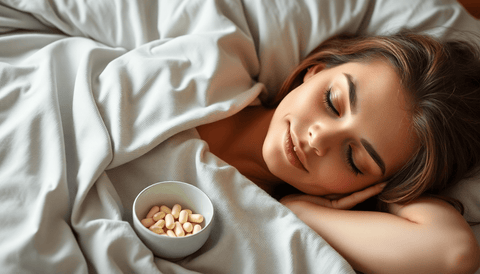
Natuurlijke slaapmiddelen kunnen bij sommige mensen helpen om te ontspannen of het slaap-waakritme te ondersteunen, maar ze zijn niet automatisch vrij van bijwerkingen. In dit artikel vergelijken we melatonine, valeriaan, magnesium, kamille en lavendel. Je leest welke optie waarvoor wordt gebruikt, waar je op let bij het kiezen van een supplement en wanneer overleg met een arts of apotheker verstandig is.
{"content":"Kruidelijke slaapmiddelen zijn preparaten op plantaardige basis—zoals valeriaanwortel, kamille en melisse—die traditioneel worden gebruikt om te ontspannen en een rustige slaap te ondersteunen. In dit artikel leggen we uit wat kruidelijke slaapmiddelen zijn, hoe ze verondersteld worden te werken en hoe ze zich verhouden tot voorgeschreven slaapmedicatie. Ook leert u welke voedings- en leefstijlgewoontes de slaapkwaliteit beïnvloeden, welke voedingsstoffen en kruidenextracten vaak worden gebruikt ter ondersteuning van de slaap, hoe u een kwalitatief supplement kiest en welke veiligheidsoverwegingen belangrijk zijn. Omdat slaap door veel factoren wordt beïnvloed, helpt een volledig beeld u te bepalen of eenvoudige veranderingen misschien voldoende zijn of dat aanvullen een redelijke toevoeging kan zijn.\n\n
Wat zijn kruidelijke slaapmiddelen?
\n\nKruidelijke slaapmiddelen zijn producten die uit planten worden gewonnen en die traditioneel worden gebruikt om het zenuwstelsel te kalmeren, spanning te verlichten en te ondersteunen bij het inslapen of doorslapen. Ze variëren van eenvoudige kamillethee tot geconcentreerde extracten in capsules, tincturen en poeders. Veel ervan worden al eeuwenlang gebruikt in Europese, Aziatische en traditionele kruidengeneeskundige systemen.\n\n
Hoe kruidelijke slaapmiddelen verschillen van voorgeschreven slaapmedicatie
\n\nVoorgeschreven slaapmedicatie zijn farmaceutische middelen die rechtstreeks inwerken op specifieke receptoren in de hersenen en die zijn goedgekeurd voor de behandeling van gediagnosticeerde slaapstoornissen onder medisch toezicht. Kruidelijke slaapmiddelen zijn over het algemeen milder, werken via bredere ontspannende of kalmerende mechanismen en worden doorgaans gepositioneerd als ondersteuning van ontspanning in plaats van als behandeling van slapeloosheid als medische aandoening. Het bewijs voor kruidengeneesmiddelen is vaak beperkter en verschilt sterk per kruid. Als u vermoedt dat er sprake is van een aanhoudende slaapstoornis, is medische beoordeling de juiste eerste stap—kruiden zijn geen vervanging voor diagnose of behandeling.\n\n
Veelgebruikte kruiden voor de slaap en hun traditionele toepassingen
\n\nDiverse kruiden hebben een lange geschiedenis van gebruik voor ontspanning en slaap:\n\n
- Valeriaanwortel – een van de best onderzochte kruiden voor de slaap, traditioneel in Europa gebruikt bij onrust en moeite met inslapen.
- Kamille – breed gedronken als kalmerende thee, traditioneel gebruikt bij lichte nerveuze spanning en voor darmcomfort.
- Melisse – een kruid met citroengeur uit de muntfamilie, traditioneel gebruikt om stress te verlichten en rust te bevorderen.
- Sinaasappelbloem (passiebloem) – historisch gebruikt in Amerika en Europa bij nerveuze onrust.
- Lavendel – zowel als geur (essentiële olie) als als oraal preparaat gebruikt in de traditionele praktijk.
- Hop – traditioneel gecombineerd met valeriaan vanwege zijn kalmerende reputatie.
\n\nTraditioneel gebruik is niet hetzelfde als bewezen werkzaamheid, maar het vormt wel een basis voor het moderne onderzoek naar deze planten.\n\n
Hoe werken kruidelijke slaapmiddelen?
\n\n
De rol van GABA en kalmerende neurotransmitters
\n\nVeel kalmerende kruiden worden bestund op hun mogelijke interactie met GABA (gamma-aminoboterzuur), de belangrijkste remmende neurotransmitter in de hersenen. GABA-activiteit helpt zenuwsignalen te \"verstillen\", wat geassocieerd wordt met ontspanning en slaperigheid. Valeriaan wordt bijvoorbeeld onderzocht op mogelijke effecten op GABA-gerelateerde routes, hoewel de exacte mechanismen slechts gedeeltelijk begrepen zijn. Andere kruiden bevatten stoffen met antioxidante of milde sedatieve eigenschappen die kunnen bijdragen aan een algemeen gevoel van rust. Het onderzoek loopt voort, en de effecten zijn over het algemeen subtiel eerder dan spectaculair.\n\n
Waarom kruidelijke middelen vaak meerdere kalmerende kruiden combineren
\n\nVeel slaapformules combineren verschillende kruiden—zoals valeriaan met hop, of melisse met passiebloem. De redenering is dat verschillende planten via complementaire mechanismen kunnen werken, of dat kleinere doses van meerdere kruiden beter verdragen worden dan een grote dosis van één kruid. Er is enig onderzoek naar specifieke combinaties, maar vergelijkend bewijs is beperkt. Mengsels kunnen nuttig zijn, al maken producten met één kruid het eenvoudiger om te achterhalen welke plant u persoonlijk past.\n\n
Gezondheids- en voedingskundige relevantie van slaap
\n\n
Waarom kwalitatieve slaap belangrijk is voor de algehele gezondheid
\n\nSlaap is geen passieve rust. Tijdens de slaap consolideert het lichaam het geheugen, reguleert het hormonen die betrokken zijn bij eetlust en stress, en ondersteunt het de afweer. Chronisch korte of verstoorde slaap is geassocieerd met verminderde concentratie, een lage stemming en verhoogde gezondheidsrisico's op de lange termijn. Omdat slaap zoveel systemen beïnvloedt, kan verbetering ervan brede voordelen opleveren—en omdat veel factoren erop inwerken, kan geen enkel middel een goede algemene slaapgewoonte vervangen.\n\n
De samenhang tussen stress, slaap en voeding
\n\nStress en slaap vormen een tweezijdige relatie: stress maakt het moeilijker om in slaap te vallen, en slechte slaap vermindert de veerkracht tegen stress. Voeding speelt ook mee in deze cyclus. Onregelmatige maaltijden, hoge cafeïne- en alcoholinname, en lage inname van voedingsstoffen die betrokken zijn bij de werking van het zenuwstelsel—zoals magnesium en bepaalde B-vitamines—kunnen allemaal bijdragen aan een gespannen of rusteloos gevoel in de avond. Stress, voeding en slaap samen aanpakken is vaak effectiever dan alleen de slaap te richten. Adaptogene kruiden zoals ashwagandha worden ook bestudeerd vanwege hun rol bij stressondersteuning, wat de slaap indirect kan beïnvloeden.\n\n
Veelvoorkomende oorzaken van slechte slaap
\n\n
Leefstijlfactoren die de slaap verstoren
\n\nVeelvoorkomende verstorende factoren zijn onregelmatige bedtijden, schermgebruik laat in de avond, onvoldoende daglicht overdag, sporten laat op de avond, en een omgeving die te warm, te licht of te luidruchtig is. Chronische stress en gehaaste gedachten behoren tot de meest voorkomende oorzaken van moeite met inslapen. Uw persoonlijke verstorende factoren identificeren is vaak de waardevolste eerste stap.\n\n
Voedingsgewoontes en voedingsstoffen die de slaapkwaliteit beïnvloeden
\n\nCafeïne die na de middag wordt geconsumeerd, kan urenlang in het lichaam aanwezig blijven. Alcohol kan het inslapen versnellen, maar fragmenteert de slaap meestal in de tweede helft van de nacht. Zware maaltijden vlak voor het slapengaan kunnen ongemak veroorzaken. Positief is dat regelmatige, uitgebalanceerde maaltijden en voldoende inname van voedingsstoffen zoals magnesium de normale spier- en zenuwfunctie ondersteunen, wat sommige mensen relevant vinden voor ontspanning. Een algemene gids over magnesium en zijn rol in het lichaam kan helpen om deze voedstof in context te plaatsen.\n\n
Waarom slaapbehoefte en -reacties tussen personen verschillen
\n\n
Leeftijd en hormonale veranderingen
\n\nDe slaaparchitectuur verandert gedurende het leven. Oudere mensen slapen vaak lichter en worden eerder wakker; adolescenten hebben meer slaap nodig dan volwassenen. Hormonale veranderingen—tijdens de menstruatiecyclus, zwangerschap, perimenopauze en menopauze—kunnen de slaapkwaliteit merkbaar beïnvloeden. Wat werkt voor het ene levensfase, werkt mogelijk niet voor een ander.\n\n
Individuele gevoeligheid voor kalmerende kruiden
\n\nReacties op kruidelijke middelen variëren sterk. Sommige mensen ervaren duidelijke ontspanning van kamille, terwijl anderen weinig merken. Genetica, lichaamsgewicht, darmfunctie, gelijktijdige medicatie en zelfs verwachting kunnen allemaal de reactie beïnvloeden. Met een lage hoeveelheid beginnen en het effect gedurende enkele nachten observeren is een verstandige aanpak.\n\n
Voedings- en leefstijlstrategieën voor betere slaap
\n\n
Voedingsmiddelen en dranken die natuurlijk ontspanning ondersteunen
\n\nEen warme, cafeïnevrije drank in de avond—kamillethee bijvoorbeeld—is een eenvoudig ritueel dat hydratatie, warmte en een signaal om af te bouwen combineert. Voedingsmiddelen die magnesium bevatten (bladgroenten, noten, zaden, volle granen) en voedingsmiddelen met tryptofaan (zuivel, kalkoen, bananen) worden soms aanbevolen voor de avondmaaltijd, hoewel het directe effect van één voedingsmiddel op de slaap bescheiden is. Consistentie van het maaltijdmoment weegt zwaarder dan welk \"slaapvoedsel\" dan ook.\n\n
Avondgewoontes en praktijken voor slaaphygiëne
\n\nBewezen praktijken voor slaaphygiëne zijn onder meer:\n\n
- Een vast slaap- en wektijd aanhouden, ook in het weekend
- Verlichting dimmen en schermen verminderen in het laatste uur voor het slapengaan
- De slaapkamer koel, donker en stil houden
- Cafeïne na de vroege middag beperken en alcohol matigen
- De slaapkamer primair gebruiken om te slapen
- Een korte, herhaalbare avondroutine opbouwen
\n\nDeze gewoontes vormen het fundament waarop elk kruidelijk middel werkt—of juist niet.\n\n
Relevante voedingsstoffen en supplementen ter ondersteuning van de slaap
\n\n
Magnesium en zijn rol bij ontspanning
\n\nMagnesium draagt bij aan de normale werking van het zenuwstelsel en aan de normale spierfunctie—beide officieel goedgekeurde gezondheidsclaims in de EU. Sommige mensen nemen magnesium in de avond vanwege deze functies, en bepaalde vormen (zoals magnesiumglycinaat) zijn populair voor dit doel. Magnesium is geen sedativum, maar het corrigeren van een lage inname kan de algehele ontspanning ondersteunen. Wilt u meer details, bekijk dan onze magnesiumcollectie en gids.\n\n
De rol van L-theanine en glycine bij de slaapkwaliteit
\n\nL-theanine, een aminozuur dat voorkomt in groene thee, wordt bestudeerd vanwege het potentieel om ontspanning te bevorderen zonder slaperigheid. Glycine, een ander aminozuur, is in kleine studies onderzocht op een mogelijk effect op de slaapkwaliteit wanneer het voor het slapengaan wordt ingenomen. Het bewijs is veelbelovend maar nog beperkt, en de effecten variëren tussen personen. Deze stoffen worden doorgaans gebruikt naast—niet in plaats van—goede slaapgewoontes.\n\n
Kruidenextracten: valeriaanwortel, kamille, melisse en meer
\n\nGeconcentreerde extracten bieden hogere doses dan thee. Valeriaanwortel is het meest onderzocht; sommige studies suggereren dat het de tijd om in slaap te vallen bescheiden kan verkorten, hoewel de resultaten gemengd zijn. Kamille en melisse zijn milder en breed gebruikt voor avondontspanning. Passiebloem, hop en lavendel komen in veel formuleringen voor, soms in combinatie. Voor een overzicht van hoe kruidenproducten worden ingedeeld en waar u op moet letten, behandelt onze kruidensupplementengids herkomst- en kwaliteitsoverwegingen.\n\n
Wanneer aanvullen met kruidelijke slaapmiddelen relevant kan zijn
\n\n
Situaties waarin de voedselinname onvoldoende kan zijn
\n\nAanvullen is situatieafhankelijk in plaats van routinematig. Het kan de moeite waard zijn om te overwegen wanneer uw dieet laag is in ontspanningsrelevante voedingsstoffen zoals magnesium, wanneer avondstress consequent het afbouwen verstoort, of wanneer thee-achtige rituelen alleen onvoldoende aanvoelen. Het is niet nodig voor mensen die al gemakkelijk inslapen met goede gewoontes.\n\n
Kruidelijke slaapmiddelen gebruiken bij af en toe slapeloosheid versus chronische slapeloosheid
\n\nKruidelijke middelen zijn het meest geschikt voor af en toe slapeloosheid—stressvolle weken, jetlag, of een druk hoofd na een drukke dag. Chronische slapeloosheid, slaapproblemen die de meeste nachten gedurende een maand of langer voorkomen, vraagt om professionele beoordeling. Cognitieve gedragstherapie voor slapeloosheid (CBT-I) is de aanbevolen eerste keuze bij chronische slapeloosheid, en kruiden mogen die zorg niet uitstellen of vervangen.\n\n
Hoe u een kwalitatief kruidelijk slaapsupplement kiest
\n\n
Extracten met één kruid versus gemengde formuleringen
\n\nProducten met één kruid (bijvoorbeeld puur valeriaanextract) stellen u in staat om één plant tegelijk te testen en de dosering nauwkeurig af te stemmen. Mengsels bieden gemak en kunnen complementaire kruiden combineren, maar maken het moeilijker om vast te stellen welke ingrediënt u goed bevalt. Als u gevoelig bent voor nieuwe supplementen, is beginnen met één kruid vaak de schoonste aanpak.\n\n
Capsules, thee, tincturen en poeders: welke vorm past bij u?
\n\n
- Thee – milde doses, aangenaam ritueel, ideaal voor beginners; smaak en gemak kunnen de consistentie beperken.
- Capsules en tabletten – precieze, gestandaardiseerde doses, smaakloos, eenvoudig 's avonds in te nemen.
- Tincturen (vloeibare extracten) – flexibele dosering en mogelijk sneller effect; bevatten in veel gevallen alcohol.
- Poeders – kunnen in dranken worden gemengd; dosering vereist nauwkeurig afmeten.
\n\nDe \"beste\" vorm is degene die u daadwerkelijk consistent zult gebruiken. Werkingsduur en dosering verschillen tussen vormen, dus vergelijk de etiketten zorgvuldig.\n\n
Etikettermen interpreteren: gestandaardiseerde extracten, potentie en kwaliteit
\n\nEen gestandaardiseerd extract garandeert een specifieke hoeveelheid van een markeringsstof (bijvoorbeeld valerenzuur in valeriaan), wat de dosering betrouwbaarder maakt dan kruidenpoeder. Zoek naar extracten met een vermelde extractieverhouding of standaardisatie, duidelijke hoeveelheden ingrediënten per portie, minimale onnodige additieven, en productie door een gerenommeerde producent. Tests door derden of erkende kwaliteitscertificeringen bieden extra zekerheid. Onze bredere gids over natuurlijke supplementen legt uit waar u op moet letten bij supplementcategorieën.\n\n
Veiligheid en interacties van kruidelijke slaapmiddelen
\n\n
Mogelijke bijwerkingen en overwegingen rond de bovengrens van inname
\n\nKruidelijke slaapmiddelen worden bij typische doses over het algemeen goed verdragen, maar bijwerkingen kunnen optreden, waaronder lichte maag-darmklachten, hoofdpijn, slaperigheid de volgende ochtend, of levendige dromen (met name bij valeriaan). Omdat deze producten slaperigheid veroorzaken, mogen ze niet worden gecombineerd met alcohol en niet worden ingenomen voordat u gaat autorijden. Voor de meeste kruidenextracten zijn er geen universeel vastgestelde bovengrenzen voor de inname, dus het volgen van de gebruiksaanwijzing op het etiket en de aanname vermijden dat meer altijd beter is, is de veiligste aanpak.\n\n
Medicatie-interacties en contra-indicaties
\n\nKalmerende kruiden kunnen interageren met sedativa, benzodiazepines, slaapmedicatie, sommige antidepressiva en andere depressiva van het centrale zenuwstelsel, waardoor slaperigheid mogelijk wordt versterkt. Valeriaan en andere kruiden kunnen ook enzymen beïnvloeden die betrokken zijn bij medicijnmetabolisme. Mensen die voorgeschreven medicatie gebruiken, moeten overleggen met een apotheker of arts voordat ze kruiden combineren met hun behandeling.\n\n
Wie moet voor gebruik overleggen met een zorgverlener?
\n\nProfessioneel advies is geboden voor mensen die zwanger zijn of borstvoeding geven, kinderen, oudere mensen die meerdere medicijnen gebruiken, iedereen met een gediagnosticeerde slaapstoornis of neurologische aandoening, en mensen die binnenkort worden geopereerd (sommige kruiden beïnvloeden routes die verband houden met anesthesie). Als slapeloosheid wekenlang aanhoudt, zoek dan beoordeling in plaats van de supplementdosis te verhogen.\n\n
Een onderbouwde beslissing nemen over kruidelijke slaapmiddelen
\n\n
Wanneer leefstijlveranderingen voldoende kunnen zijn
\n\nAls uw slaapproblemen mild zijn en duidelijk verband houden met tijdelijke stress, cafeïne, schermen of onregelmatige schema's, is het eerst aanpassen van deze factoren meestal de effectiefste—en duurzaamste—stap. Een vast ritueel, minder prikkels in de avond en een kalmerend bedritueel zoals kamillethee verhelpen slapeloosheid bij veel mensen zonder specifieke supplementen.\n\n
Belangrijke overwegingen voordat u een slaapsupplement kiest
\n\nVoordat u koopt, stelt u zichzelf de volgende vragen:\n\n
- Heb ik eerst de duidelijke leefstijlfactoren aangepakt?
- Wil ik een mild kruid of een mengsel met meerdere ingrediënten?
- Specificeert het etiket de hoeveelheid extract of de standaardisatie?
- Neem ik medicatie die kan interageren?
- Is mijn slapeloosheid af en toe van aard, of aanhoudend genoeg om medisch advies te rechtvaardigen?
- Ben ik bereid het effect gedurende één tot twee weken eerlijk te evalueren in plaats van direct resultaat te verwachten?
\n\n
Conclusie
\n\n
Praktische tips voor betere slaap vanavond
\n\nKruidelijke slaapmiddelen—valeriaan, kamille, melisse, passiebloem en andere—bieden een milde, traditionele benadering van avondontspanning, ondersteund door wisselende mate van modern onderzoek. Ze werken het beste als onderdeel van een breder geheel: vaste slaaptijden, een rustige slaapkamer, beperkte cafeïne en alcohol in de avond, en voldoende inname van voedingsstoffen zoals magnesium. Reacties verschillen per persoon, dus begin laag, observeer, en kies bij aanvulling bij voorkeur gestandaardiseerde, kwaliteitstest producten. Af en toe slapeloosheid is een redelijk doel voor kruidelijke ondersteuning; aanhoudende slapeloosheid verdient professionele beoordeling. Verstandig gebruikt kunnen kruidenmiddelen een bruikbare aanvulling zijn—geen vervanging—op de gewoontes die goede slaap opbouwen.\n\n
Veelgestelde vragen
\n\n
Wat zijn kruidelijke slaapmiddelen?
\nHet zijn preparaten op plantaardige basis—thee, extracten, capsules en tincturen—die traditioneel worden gebruikt om ontspanning te bevorderen en de slaap te ondersteunen. Veelvoorkomende voorbeelden zijn valeriaanwortel, kamille, melisse, passiebloem en hop.\n\n
Hoe lang duurt het voordat kruidelijke slaapmiddelen werken?
\nThee en tincturen kunnen binnen 30–60 minuten een ontspannend effect geven als onderdeel van een avondroutine. Extracten zoals valeriaan worden doorgaans beoordeeld over één tot twee weken consistent gebruik in plaats van als oplossing voor één nacht.\n\n
Is valeriaanwortel effectief voor de slaap?
\nValeriaan is het meest onderzochte kruid voor de slaap, en sommige onderzoeken suggereren dat het de tijd om in slaap te vallen bescheiden kan verkorten. De resultaten zijn echter gemengd, en niet iedereen merkt duidelijk effect.\n\n
Kan ik elke nacht kruidelijke slaapmiddelen nemen?
\nAf en toe 's nachts gebruiken in de op het etiket aanbevolen doses wordt over het algemeen als aanvaardbaar beschouwd voor de meeste gezonde volwassenen. Als u merkt dat u wekenlang elke nacht een slaapmiddel nodig heeft, overleg dan met een zorgverlener om onderliggende oorzaken te onderzoeken.\n\n
Veroorzaken kruidelijke slaapmiddelen slaperigheid in de ochtend?
\nDe meeste mensen ervaren bij typische doses geen \"kater\"-effect, maar het kan voorkomen, met name bij hogere hoeveelheden valeraan. Een lagere dosis proberen helpt om uw individuele reactie te beoordelen.\n\n
Welke vorm is beter: thee, capsules of tinctuur?
\nThee biedt milde doses en een ontspannend ritueel; capsules leveren precieze, gestandaardiseerde hoeveelheden; tincturen staan flexibele dosering toe. Kies op basis van hoe sterk u het effect wilt en welke vorm bij uw routine past.\n\n
Kan ik kruidelijke slaapmiddelen combineren met melatonine?
\nKortdurend gecombineerd gebruik komt vaak voor, maar interacties en individuele reacties variëren. Het is verstandig om er één tegelijk in te voeren en een zorgverlener te raadplegen als u andere medicatie gebruikt.\n\n
Interageren kruidelijke slaapmiddelen met medicatie?
\nJa, mogelijk. Ze kunnen de effecten van sedativa, slaapmedicatie en sommige antidepressiva versterken. Raadpleeg altijd een apotheker of arts als u voorgeschreven medicijnen gebruikt.\n\n
Zijn kruidelijke slaapmiddelen veilig tijdens de zwangerschap?
\nVeel kalmerende kruiden worden tijdens zwangerschap of borstvoeding niet aanbevolen vanwege beperkte veiligheidsgegevens. Professioneel advies is essentieel voordat u in deze situaties een kruidenproduct gebruikt.\n\n
Welke voedingsmiddelen helpen u beter slapen?
\nGeen enkel voedingsmiddel is slaapmedicatie, maar uitgebalanceerde avondmaaltijden met magnesiumrijke voedingsmiddelen (groenten, noten, volle granen) en tryptofaanbronnen (zuivel, kalkoen) ondersteunen de voedingsstoffen die betrokken zijn bij de werking van het zenuwstelsel. Cafeïne en alcohol laat op de dag vermijden weegt zwaarder.\n\n
Kan magnesium helpen bij de slaap?
\nMagnesium draagt bij aan de normale werking van het zenuwstelsel en de spieren, en voldoende inname ondersteunt ontspanning. Het is geen sedativum, maar mensen met een lage voedselinname kunnen een verschil merken wanneer ze dit corrigeren.\n\n
Wanneer moet ik naar de arts voor slaapproblemen?
\nAls slapeloosheid de meeste nachten gedurende een maand of langer voorkomt, als het functioneren overdag wordt beïnvloed, of als u zware snurkt en zich niet uitgerust voelt, zoek dan medische beoordeling. Dit kan wijzen op een aandoening die een juiste diagnose vereist in plaats van zelfbehandeling.\n\n
Gerelateerde zoektermen
\n
- kruidelijke slaapmiddelen
- natuurlijke slaapmiddelen
- valeriaanwortel voor de slaap
- kamillethee voordelen voor de slaap
- melisse ontspanning
- passiebloem supplement
- kruidensupplementen voor slaapondersteuning
- magnesium voor ontspanning
- L-theanine slaapkwaliteit
- glycine voor het slapengaan
- slaaphygiëne tips
- kalmerende kruiden voor de slaap
- beste natuurlijke middelen tegen slapeloosheid
- kruidenslaapthee
"}