
Ontdek holistische vitamine D-bronnen door verder te kijken dan een enkele oplossing en te focussen op hoe zon, dagelijks leven en je omgeving samenkomen. Dit artikel richt zich op een holistische benadering van vitamine D-bronnen, en nodigt je uit om zonneblootstelling, levensstijlpatronen en contextuele factoren samen te overwegen in plaats van isolatie. Door vitamine D vanuit een breder perspectief te bekijken, kun je opties verkennen die passen bij jouw tempo, locatie en voorkeuren. Begin je best te voelen terwijl je leert deze elementen op een gebalanceerde en praktische manier te navigeren. De zon is een natuurlijk onderdeel van holistische vitamine D-bronnen. In deze benadering zijn veilige zonpraktijken een kernpunt, en beslissingen over blootstelling worden geleid door je locatie, seizoen en huidtype. Denk na over wanneer de zon het meest beschikbaar is in jouw dag, hoe je buitentijd kunt integreren in je dagelijkse routines en hoe je blootstelling kunt balanceren met bescherming. Onthoud dat de zon slechts één onderdeel is van een groter geheel, en dat lokale richtlijnen je kunnen helpen deze gewoonten op een veilige manier aan te passen. Levensstijltips zijn belangrijk voor holistische vitamine D-bronnen. Overweeg hoe je dagelijkse routines, tijd buiten en daglichtblootstelling op eenvoudige, realistische manieren in je leven kunt verweven. Kleine veranderingen—zoals het inbouwen van een korte buitenpauze tijdens werk, kiezen voor routes die het daglicht maximaliseren, of ruimtes creëren die natuurlijke lichtinval uitnodigen—kunnen onderdeel worden van een bredere aanpak. De nadruk ligt hier op praktische, flexibele suggesties die rekening houden met jouw omstandigheden en voorkeuren. Samenbrengen: een praktische kaderrichting voor holistische vitamine D-bronnen. Deze gids nodigt je uit om na te denken over je omgeving, schema en comfortniveau, en om deze ideeën te gebruiken als een beginpunt voor persoonlijke verkenning. Als je vragen hebt of aangepaste begeleiding nodig hebt, overweeg dan contact op te nemen met een gekwalificeerde professional die je kan helpen je unieke situatie te interpreteren binnen het holistische vitamine D-bronnen kader.
Holistische vitamine D-bronnen: Natuurlijke manieren om je niveaus te verhogen
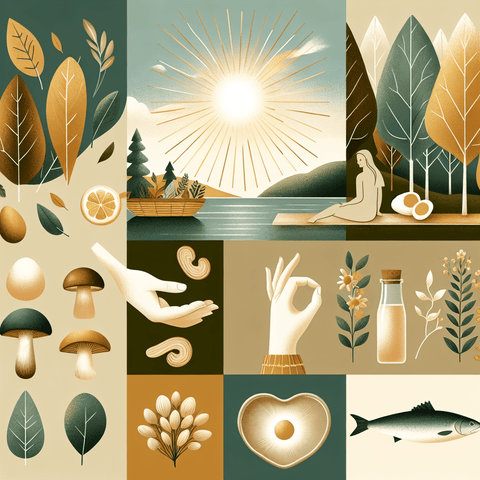
Vitamin D is a nutrient that has drawn considerable attention in recent years, and for good reason. It contributes to normal bone health, muscle function, and immune system function, yet many people wonder whether they are getting enough. The concept of holistic vitamin D sources brings together the various ways the body may obtain or produce this nutrient, including sun exposure, dietary choices, lifestyle habits, and in some cases, supplements. Rather than focusing on one single solution, a holistic view considers how these factors interact and how individual circumstances shape what works best.
This guide provides a broad overview of the main dimensions of holistic vitamin D sources. It is intended as general educational information, not personalised medical advice. If you have specific health concerns or questions about your vitamin D status, a qualified healthcare professional can help you interpret your individual situation.
What Are Holistic Vitamin D Sources?
Holistic vitamin D sources refer to the range of natural and lifestyle-related factors that may influence vitamin D levels in the body. This includes exposure to sunlight, consumption of certain foods, and broader lifestyle patterns that affect how much time you spend outdoors or how your daily routine is structured. The term holistic emphasises that these factors are interconnected rather than separate. For example, the amount of vitamin D your skin can produce depends on where you live, the season, the time of day, and your skin type. Similarly, the foods you eat and any supplements you take are part of a larger picture that includes your overall diet, health status, and personal preferences.
Understanding this broader context can help you make more informed decisions about your own habits. It also highlights why there is no single universal recommendation for vitamin D that fits everyone equally.
Sunlight and Vitamin D Synthesis
Sunlight is often the first thing people think of when considering natural vitamin D sources. When the skin is exposed to ultraviolet B (UVB) radiation from the sun, the body can begin a process that leads to vitamin D production. However, this process is influenced by many variables, which is why sun exposure alone does not guarantee a particular vitamin D level.
Factors That Influence Sun-Based Vitamin D Production
- Geographic location and latitude
- Season and time of day
- Skin pigmentation
- Age and individual skin characteristics
- Use of sunscreen and protective clothing
- Amount of skin exposed
Because of these variables, the amount of sun exposure that may support vitamin D synthesis varies from person to person and across seasons. Safe sun practices generally involve balancing the potential benefits of sun exposure with the known risks of overexposure. Local guidelines can provide useful context for your region. For many people, short periods of sun exposure on the skin, when the sun is available, may be part of a holistic approach.
Dietary Sources of Vitamin D
While sunlight is a well-known contributor to vitamin D synthesis, dietary sources also play a role. The number of naturally vitamin D-rich foods is relatively small, but some options are commonly available depending on your location and dietary preferences.
Natural Food Sources
- Fatty fish such as salmon, mackerel, and sardines
- Egg yolks
- Mushrooms exposed to UV light
- Some fortified foods, depending on local regulations (such as certain dairy products, plant-based milks, or breakfast cereals)
The vitamin D content of foods can vary based on the specific product, preparation method, and fortification practices. For this reason, food labels and local nutritional guidelines can be helpful resources. While dietary sources alone may not provide high amounts of vitamin D for everyone, they can contribute to overall intake as part of a varied diet.
Lifestyle Factors That May Influence Vitamin D Status
Beyond sun and food, daily lifestyle patterns can affect how much sun exposure you receive and how your body manages vitamin D. Small, practical adjustments to your routine may help you incorporate more daylight into your day, depending on your circumstances and preferences.
- Taking short outdoor breaks during work or study
- Choosing walking routes or outdoor activities that increase daylight exposure
- Creating spaces at home or work that invite natural light
- Being mindful of seasonal changes in daylight hours
These suggestions are not prescriptive and may not be suitable for everyone. The goal is simply to recognise that lifestyle habits can influence sun exposure, and therefore may be relevant to a holistic approach to vitamin D.
Vitamin D Supplements: General Considerations
For some people, vitamin D supplements may be a practical option when sun exposure or dietary intake is limited. Vitamin D supplements are available in different forms, such as drops, capsules, or tablets. The appropriate amount, if any, depends on individual factors including age, health status, and existing vitamin D levels. Because supplement needs can vary considerably, it is generally advisable to consult a qualified healthcare professional before starting or changing any supplement routine.
If you are exploring vitamin D supplements, you can find related options in our vitamin D benefits, sources, and safety category. You may also be interested in broader natural supplements or multivitamins that may include vitamin D as part of their formulation.
Factors That May Deplete or Affect Vitamin D
Certain factors may influence vitamin D status by affecting either synthesis or metabolism. While this is a complex area, some general considerations include:
- Limited sun exposure due to indoor work, climate, or lifestyle
- Dark skin pigmentation, which can reduce vitamin D synthesis from sunlight
- Older age, which may affect the skin's ability to produce vitamin D
- Certain medical conditions or medications that may affect vitamin D metabolism
This list is not exhaustive, and individual circumstances vary. If you have concerns about factors that may affect your vitamin D status, a healthcare professional can provide personalised guidance.
Common Questions About Holistic Vitamin D Sources
How do I raise my vitamin D naturally?
Natural approaches may include safe sun exposure, consuming foods that contain or are fortified with vitamin D, and supporting overall lifestyle habits that allow for daylight exposure. Individual results vary, and some people may still need additional support. A healthcare professional can help you assess your situation.
Can I take diltiazem with vitamin D?
Medication interactions are complex and depend on many individual factors. If you take diltiazem or any prescription medication, it is important to speak with your doctor or pharmacist before adding vitamin D supplements. They can provide guidance specific to your health situation.
How do Japanese people get vitamin D?
Dietary patterns vary across cultures, and in Japan, fish and seafood are common foods that may contribute to vitamin D intake. Sun exposure also plays a role, as it does for people everywhere. However, individual vitamin D status depends on many factors beyond diet and location.
What drains vitamin D from your body?
The idea that something actively drains vitamin D is not quite accurate. Instead, certain factors may reduce synthesis or affect metabolism, such as limited sun exposure, darker skin pigmentation, older age, and some medical conditions or medications. If you are concerned about your vitamin D status, a healthcare professional can help you understand your individual risk factors.
Exploring Holistic Vitamin D Sources Further
Holistic vitamin D sources encompass sun exposure, dietary choices, lifestyle habits, and in some cases, supplements. Because vitamin D status is influenced by so many variables, there is no one-size-fits-all approach. This page provides a broad overview to help you understand the topic and explore the subtopics that may be most relevant to you.
For more specific questions about vitamin D deficiency, dosage, interactions, or individual health conditions, dedicated articles and professional guidance can provide deeper insight. Always consult a qualified healthcare professional for advice tailored to your personal circumstances.