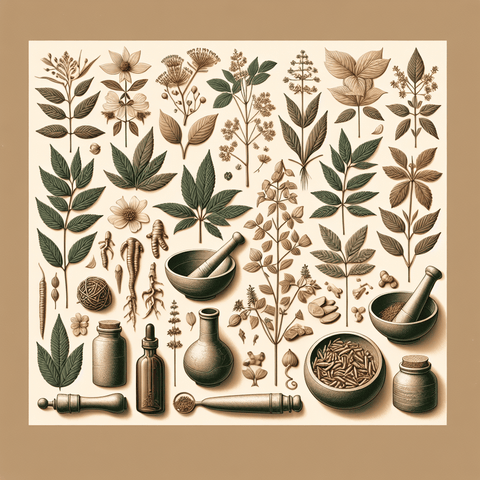
Holistische wellnesskruiden: verhoog uw vitaliteit op natuurlijke wijze


Holistische wellnesskruiden: een gebalanceerde benadering van natuurlijke gezondheid

Holistische wellnesskruiden worden steeds meer gewaardeerd als onderdeel van een alomvattende benadering van gezondheid, waarbij de nadruk ligt op de verbinding tussen voeding, levensstijl en natuurlijke supplementen. Voor wie natuurlijke gezondheidsoplossingen verkent, is het begrijpen van hoe traditionele kruidensupplementen passen in een bredere wellnessroutine essentieel. Hoewel kruiden al eeuwenlang worden gebruikt, richt de moderne wellness zich op kwaliteit, veiligheid en hoe deze traditionele kruidensupplementen essentiële voedingsstoffen aanvullen.

Kruiden integreren met basale voedingsstoffen

Een effectieve holistische strategie combineert vaak kruiden met kernvoedingsstoffen. Bekende kruiden zoals turmeric en ashwagandha worden bijvoorbeeld regelmatig opgenomen in dagelijkse routines naast vitamines en mineralen. Turmeric, en specifiek de verbinding curcumine, is een populaire keuze voor wie geïnteresseerd is in wellness-ondersteunende tradities. Ook worden ashwagandha-supplementen vaak gebruikt door mensen die hun natuurlijke stressrespons willen ondersteunen. Deze kruiden worden doorgaans gecombineerd met fundamentele natuurlijke supplementen die voorzien in basale voedingsbehoeften.

Kwaliteit, herkomst en veiligheidsoverwegingen

Bij het kiezen van kruidenproducten moet de nadruk op traditioneel gebruik worden afgewogen tegen moderne veiligheids- en kwaliteitsnormen. Een betrouwbare gids voor kruidensupplementen is essentieel voor het begrijpen van gestandaardiseerde extracten en verantwoorde inkoop. Consumenten worden aangemoedigd om kruiden te zien als onderdeel van een holistische levensstijl die een uitgebalanceerd dieet met superfoods, voldoende lichaamsbeweging en stressmanagement omvat. Het is ook belangrijk om te erkennen dat supplementen het algemeen welzijn ondersteunen, maar geen vervanging zijn voor medische behandeling.

Voordat u een kruid aan uw routine toevoegt, is het verstandig om mogelijke interacties met medicijnen te overwegen en een zorgverlener te raadplegen, vooral bij onderliggende gezondheidsproblemen. Een verantwoorde aanpak zorgt ervoor dat holistische wellness veilig, effectief en duurzaam blijft.


Unlocking the Secrets of Adaptogenic Herbs for Stress and Energy Balance - Topvitamine
Sep 08, 2025
Adaptogene kruiden zijn planten die traditioneel worden gebruikt ter ondersteuning van de manier waarop het lichaam met stress omgaat. In dit artikel lees je wat adaptogenen zijn, wat er bekend is over ashwagandha, rhodiola, ginseng en andere kruiden, wanneer effecten kunnen worden ervaren en hoe je een supplement zorgvuldig kiest. Ook bespreken we dagelijks gebruik, mogelijke interacties en wie extra voorzichtig moet zijn.

Holistic wellness herbs are plant-based remedies used to support overall health and vitality, not just to target a single symptom. This article explores what these herbs are, how they differ from culinary spices and adaptogens, and their traditional and modern roles in daily wellness. You will learn about the specific benefits they may offer for stress, digestion, immunity, and mental clarity, as well as practical guidance on how to integrate them into your diet and lifestyle. We also cover important safety considerations, how to identify high-quality supplements, and why individual needs vary, helping you make informed decisions about your health.

Holistic Wellness Herbs: What They Are and Why They Matter

Defining Holistic Wellness Herbs in Modern Wellness Routines

Holistic wellness herbs are botanicals used to support the body's natural systems, typically with the goal of fostering balance rather than treating a specific illness. In modern wellness routines, they are often incorporated to address multiple aspects of health simultaneously—such as energy, digestion, and resilience to stress. These herbs are appreciated for their complex profiles of bioactive compounds, which can work synergistically in the body. The focus is on promoting overall well-being and supporting the body's innate ability to maintain equilibrium.

The Difference Between Culinary Herbs, Medicinal Herbs, and Adaptogens

Understanding the distinction between these categories is key. Culinary herbs, like basil, oregano, and thyme, are used primarily to flavor food but also offer digestive and antioxidant benefits. Medicinal herbs have a more potent physiological effect and are used in more concentrated forms, such as extracts or supplements. Adaptogens are a specific class of medicinal herbs believed to help the body adapt to stress and normalize physiological processes. Examples include ashwagandha and rhodiola. While culinary herbs can be used liberally in cooking, medicinal herbs and adaptogens are typically used with more intention and often in standardized dosages.

A Brief History of Herbal Use Across Traditional Healing Systems

The use of herbs for wellness is deeply rooted in traditional systems of medicine, including Ayurveda in India, Traditional Chinese Medicine (TCM), and Western herbalism practiced since ancient Greece and Rome. These systems developed detailed frameworks for understanding how different plant parts and preparations could influence health. For example, Ayurveda uses ashwagandha for rejuvenation, while TCM employs astragalus for defensive energy. This historical wisdom provides a foundation for modern research, which is increasingly exploring the bioactive compounds and mechanisms behind these traditional uses, lending scientific credibility to age-old practices.

The Core Benefits of Herbs for Daily Vitality and Balance

Supporting the Body’s Stress Response with Adaptogenic Herbs

Chronic stress can deplete your energy and disrupt various bodily systems. Adaptogenic herbs, such as ashwagandha, rhodiola, and holy basil, are associated with supporting the body's stress-response system—the hypothalamic-pituitary-adrenal (HPA) axis. Research suggests these herbs may help modulate the release of stress hormones like cortisol, potentially helping you feel more resilient in the face of pressure. This regulation is thought to be a key mechanism through which they contribute to sustained energy and a calmer mental state.

Promoting Digestive Comfort and Nutrient Absorption

Optimal digestion is fundamental to nutrient absorption and overall vitality. Herbs like ginger, peppermint, and turmeric are widely recognized for their digestive-supporting properties. Ginger, for instance, may ease occasional nausea and promote gastric motility. Peppermint is known for its soothing effect on the digestive tract, potentially relieving occasional bloating and gas. By supporting a healthy digestive process, these herbs help ensure that your body efficiently extracts the vitamins and minerals it needs from the food you eat.

Supporting Immune Resilience Through Seasonal Challenges

Maintaining a robust immune system is crucial for navigating seasonal changes. Herbs such as elderberry, echinacea, and astragalus have been traditionally used for immune support. They contain compounds that may influence immune cell activity. While evidence is mixed, some studies suggest that echinacea might reduce the duration of a cold, and elderberry may help modulate the immune response. Astragalus is often used as a tonic to strengthen the body's defenses over time. These herbs are generally used to support the body's natural defenses rather than to treat active infections.

Enhancing Mental Clarity and Sustained Energy Levels

Energy that dips and spikes throughout the day can be exhausting. Several herbs offer support for mental clarity and steady energy. Rhodiola is often studied for its ability to combat fatigue and enhance mental performance during stressful periods. Panax ginseng has been associated with improved attention and cognitive function. Unlike caffeine, which offers a rapid surge, these herbs are thought to work more deeply, supporting the cellular energy processes (mitochondrial function) and helping to stabilize energy levels over time, thereby supporting focus and clarity.

Common Signs You Might Benefit from Adding Herbal Support

Feeling Fatigued Despite Getting Enough Sleep

If you wake up tired after a full night’s sleep, it might be a sign that your body is struggling to recover or that you are experiencing high levels of stress. This type of fatigue can be a signal of a stressed nervous system. Herbs like rhodiola or ashwagandha are often considered to support the body's energy systems and stress response, potentially helping to improve feelings of vitality.

Experiencing Occasional Digestive Bloating or Sluggishness

Occasional digestive discomfort, such as bloating or a feeling of sluggishness after meals, can indicate your digestive system needs support. Incorporating carminative herbs like peppermint, ginger, or fennel into your routine may provide relief by supporting healthy digestion and reducing gas. This can lead to a greater sense of comfort and improved nutrient uptake.

Struggling with Stress Management or Occasional Low Mood

Feeling overwhelmed, irritable, or having a low mood can be common signs of unmanaged stress. Adaptogenic herbs like holy basil are specifically used to promote a sense of calm and mental balance. They may help the body modulate its stress response, leading to a more stable mood and improved ability to cope with daily challenges.

Frequent Seasonal Immune Challenges

If you find yourself catching every seasonal bug that comes around, your immune system may need support. Herbs traditionally used to support immunity, such as echinacea or elderberry, might be considered to help bolster your defenses, especially during transitional seasons when exposure to pathogens is higher. They work best as part of a proactive wellness plan.

Important Note: Herbs Support Wellness, Not Diagnoses

It is essential to clarify that herbs are not a substitute for medical diagnosis or treatment. The signs mentioned above are not a diagnosis, nor do they confirm a specific health condition. They are simply general signals that your body may be out of balance and could benefit from additional nutritional and lifestyle support. If you have persistent or severe symptoms, it is always best to consult with a healthcare professional to rule out underlying issues.

What Causes Herb and Nutrient Gaps in Modern Lifestyles?

The Impact of Highly Processed Diets on Phytonutrient Intake

Modern diets, often high in processed foods and low in whole plants, can be deficient in the diversity of phytonutrients—the beneficial compounds found in herbs and plants. These compounds are not always essential for survival like vitamins and minerals, but they play a crucial role in cellular health and long-term wellness. A diet centered on convenience foods simply does not provide the wide array of these health-promoting substances that a diet rich in herbs, spices, fruits, and vegetables does.

Chronic Stress and Its Depletion of Adrenal-Supporting Nutrients

Chronic stress can deplete the body of specific nutrients that are vital for adrenal function and the production of stress hormones. Nutrients like vitamin C, magnesium, and B-vitamins are used in higher quantities during stressful periods. When these are depleted, the body's ability to cope with stress effectively is diminished, potentially leading to fatigue and burnout. This is why adaptogens and supportive nutrients are often paired to enhance resilience.

Environmental Exposures and Increased Antioxidant Demand

We are exposed to various environmental stressors, from pollutants to dietary compounds, which can increase the body's need for antioxidants. Herbs are rich sources of antioxidants, which help neutralize free radicals and reduce oxidative stress. In a world with higher toxicant loads, the demand for these protective plant compounds may be greater than what a basic diet provides, making herbs a valuable addition for cellular protection.

Soil Depletion and Reduced Nutrient Density in Conventional Produce

Modern agricultural practices have led to a decline in nutrient density in conventionally grown produce. Studies indicate that vegetables and fruits today contain fewer minerals and trace elements than those grown decades ago. This soil depletion means that even a conscientious eater may not get the full spectrum of nutrients and phytochemicals they could have in the past, creating a subtle but significant nutrient gap.

Why Herbal Needs Vary from Person to Person

Age-Related Changes in Metabolism and Digestive Function

As we age, our metabolism and digestive function naturally change. Gastric acid secretion may decrease, affecting the absorption of certain nutrients and botanical compounds. Older adults may therefore find that their need for herbs, particularly those that support digestion like ginger, becomes more pronounced. Also, the body’s sensitivity to certain herbs can change over time.

Lifestyle Factors: Physical Activity, Sleep Patterns, and Alcohol Use

Your lifestyle heavily influences your body's needs. High-intensity athletes may benefit from herbs that support recovery, such as turmeric for inflammation. Poor sleep habits or high alcohol consumption can increase oxidative stress, necessitating more antioxidant-rich herbs. Conversely, a well-rested, calm individual following a nutrient-dense diet may not need the same level of herbal support.

Genetic Variations Affecting Herb Metabolism and Sensitivity

Genetic differences play a significant role in how individuals metabolize and respond to herbs. Enzymes in the liver, such as the cytochrome P450 family, are responsible for breaking down botanical compounds. Variations in these genes can make some individuals fast or slow metabolizers, influencing the effectiveness and potential side effects of different herbs. This is a key reason why there is no universal "right" herb for everyone.

Existing Health Conditions and Concurrent Medication Use

The presence of underlying health conditions is a major factor in determining herbal needs and safety. For example, an individual with diabetes might use certain herbs to support blood sugar balance, but they must do so with caution to avoid hypoglycemia. Similarly, herbs can interact with prescription medications, altering their effectiveness or causing adverse effects. This is why it is imperative to consider health status and always disclose herbal use to your healthcare provider.

Diet and Lifestyle First: How to Integrate Herbs Naturally

Culinary Herbs to Use Daily in Cooking for Flavor and Wellness

The most accessible way to incorporate holistic wellness herbs is through cooking. Fresh and dried culinary herbs offer easy phytonutrient boosts without being a pharmaceutical intervention. Consider these additions for flavor and wellness:

  • Turmeric and black pepper: A potent anti-inflammatory combination.
  • Ginger and garlic: For immune support and digestion.
  • Cinnamon: To help stabilize blood sugar and add warmth.
  • Rosemary: An antioxidant that adds depth to roasted vegetables.
  • Oregano and thyme: Rich in antimicrobial and antioxidant compounds.

Using these in daily meals is a foundational step that many experts consider superior to supplements, as the compounds are delivered within a whole-food matrix that enhances absorption. For more on foundational nutrition, see our guide on superfoods and their approved nutrient claims.

Herbal Teas and Infusions for Hydration and Calm

Herbal teas are an excellent way to receive the benefits of calming and digestive herbs while also promoting hydration. A cup of chamomile or lemon balm tea in the evening can support relaxation, while a peppermint tea after a meal can aid digestion. Infusions are also a gentle way to use herbs like nettle or dandelion, which are packed with minerals and support liver and kidney health. This simple ritual can be a powerful tool in a holistic wellness routine.

Lifestyle Habits That Enhance the Effects of Herbal Support

Herbs work best when supported by a healthy lifestyle. They are more likely to have a noticeable impact if your foundational habits are in order. Prioritizing sleep, engaging in regular movement, and managing stress through mindfulness or breathing exercises are critical. An adaptogen may help your body cope with stress, but it cannot replace the duration and quality of sleep your brain needs for proper restoration.

When Diet Alone May Not Be Enough

Even with a perfect diet, there can be reasons why you might not get sufficient support from herbs alone. The concentration of active compounds in dried culinary herbs can be lower than that in concentrated extracts. Additionally, if you are addressing a specific imbalance, the dosage needed to see a significant effect may be difficult to achieve through food and tea alone. This is where dietary supplements, used strategically, can fill a gap in your wellness picture.

The Role of Herbal Supplements in a Holistic Wellness Plan

Adaptogens: Ashwagandha, Rhodiola, and Holy Basil

Adaptogen supplements are a popular choice for managing stress and energy. Ashwagandha is known for its calming effects and potential to lower cortisol. Rhodiola rosea is favored for fighting fatigue and improving mental performance under stress. Holy basil (Tulsi) is considered a gentle adaptogen that promotes mental clarity and a balanced stress response. These herbs, in capsule or tincture form, provide a consistent dosage that is more challenging to achieve with dietary means. For more information, you can explore our specific collection on ashwagandha supplements.

Digestive Herbs: Ginger, Peppermint, and Turmeric

Digestive herbs can be particularly helpful for supporting gut comfort. Ginger supplements are effective for occasional nausea. Turmeric with curcumin, often in a standardized extract, has strong anti-inflammatory properties that can soothe the gut lining. Peppermint oil capsules are a clinically studied intervention for symptoms of indigestion, with the advantage of being taken daily for consistent digestive support. Learn more about turmeric supplements.

Immune-Supporting Herbs: Elderberry, Echinacea, and Astragalus

For immune resilience, supplements containing elderberry and echinacea are often used at the onset of seasonal challenges to support the body's defenses. Astragalus is frequently used in TCM as a tonic to strengthen the immune system over time. These supplements are typically taken in syrup, capsule, or tincture forms to concentrate their beneficial compounds for a more robust effect than tea.

Calming Herbs: Chamomile, Lemon Balm, and Passionflower

Herbal supplements for relaxation focus on ethanolic extracts or potent powders of herbs like chamomile, lemon balm, and passionflower. These may support the action of GABA in the brain, leading to a calming, anxiety-reducing effect. They are often found in combination formulas for sleep support or daily stress management.

The Rationale for Using Standardized Extracts vs. Whole Herbs

Choosing between standardized extracts and whole herbs is a crucial decision in supplementation. Standardized extracts are processed to contain a specific level of a known active compound (e.g., 5% withanolides in ashwagandha). This ensures a consistent dose of the active ingredient from batch to batch. Whole herbs contain the entire plant, offering a broader profile of compounds that may work synergistically but with less consistency in potency. For therapeutic use, standardized extracts are often preferred to achieve specific, reproducible effects.

When Supplementation Is Worth Considering

High-Stress Periods That Outpace Dietary Coping Mechanisms

During periods of acute stress, such as a demanding project at work or a personal crisis, the food you eat may not be enough to support your nervous system. In these instances, a concentrated adaptogen supplement can provide a necessary buffer to help your body manage the increased demand for stress hormones, helping you maintain composure and energy. This is a targeted, temporary use of supplementation.

Restricted Diets That Limit Exposure to Diverse Plant Compounds

People with food allergies, intolerances, or those following very restrictive diets (such as a low-FODMAP diet for IBS or a limited keto diet) may lack the diversity needed for a full spectrum of phytonutrients. Herbal supplements offer a concentrated source of these beneficial compounds without needing to consume the culprit foods. This can help maintain a robust antioxidant defense and support daily vitality.

Busy Lifestyles That Make Consistent Herbal Tea Preparation Difficult

While making herbal tea is a lovely ritual, it requires consistent time and effort to provide therapeutic levels of active compounds. For busy professionals or parents with little time for preparation, capsules, tinctures, or powders offer a convenient way to get a consistent dose of herbal support. Taking a capsule of ashwagandha in the morning or a few drops of a licorice tincture is a practical, time-efficient solution that ensures you still receive the desired benefits.

Consulting a Healthcare Provider Before Starting New Herbal Regimens

It is essential to view herbal supplements as a serious addition to your health plan, not a casual food item. Because of their potency and potential for interaction, it is vital to consult your physician or a qualified nutritionist before starting a new regimen, especially if you have chronic conditions, are on medication, or are planning surgery. What you take should be tailored to your health history and goals, not a generic shopping decision.

How to Choose a High-Quality Herbal Supplement

Whole Herb vs. Standardized Extract: What’s the Difference?

This is the most fundamental question in supplement selection. As mentioned, a whole-herb preparation uses the raw plant matter, offering all its natural compounds. A standardized extract guarantees a specific level of one or more active constituents. For adaptogens and medicinal uses, standardized extracts are often more reliable. However, some practitioners believe whole-herb products, or those based on traditional extractions, offer balanced and effective benefits that are lost with standardization. Your choice should align with your reasons for supplementation.

Tinctures, Capsules, Powders, and Teas: Which Form Fits Your Lifestyle?

Each format has its own benefits and drawbacks:

  • Tinctures: Rapid absorption, easy to dose, but can have a strong taste. They are ideal for people who dislike swallowing pills.
  • Capsules: Convenient, tasteless, and provide a consistent dosage, but require digestion to be broken down.
  • Powders: Versatile for adding to smoothies or drinks, offer flexible dosing, but may have an unpleasant flavor.
  • Teas: Gentle, soothing, and excellent for hydration, but provide the lowest concentration of active compounds.

Your choice depends on your personal preference, the condition you are addressing, and your lifestyle.

Single-Ingredient Formulas vs. Synergistic Herbal Blends

You may choose a single-ingredient supplement like pure ashwagandha for a targeted effect. However, you might benefit from a synergistic blend, such as a formula containing valerian and lemon balm for sleep, which can have a more holistic effect by addressing multiple pathways. Blends are useful for broader issues like stress or digestion, while single-ingredient supplements are often reserved for when you want to precisely control your intake of one specific herb.

Third-Party Testing and Certifications (USP, NSF, GMP)

Quality assurance is critical in the herbal industry. Looking for certifications like USP (United States Pharmacopeia), NSF, or GMP (Good Manufacturing Practices) indicates that the product has undergone third-party verification to meet quality standards. These certifications ensure the product contains what is listed on the label, is free from harmful contaminants, and has been manufactured according to strict safety and quality guidelines. This is a crucial step to ensure purity.

Avoiding Hidden Additives, Fillers, and Artificial Ingredients

It is important to read the ingredient list carefully. Cheap supplements often contain unnecessary fillers, synthetic binders, or flow agents like magnesium stearate, and even artificial colors or flavors. Choose products with a short, clean ingredient list. The goal is to ingest the herb and its beneficial compounds, not a cocktail of artificial substances. For a wide selection of reputable brands that conform to these standards, you can browse our TopVitamine natural supplement collection.

What to Look for on a Herbal Supplement Label

Understanding Botanical Names vs. Common Names

To ensure you are getting the correct plant, the label should show the botanical (Latin) name. For example, "Ashwagandha" should be followed by Withania somnifera. Common names can be used by various plants, and some manufacturers may substitute a cheaper, less effective species. Checking the Latin name is the most reliable way to verify the product’s identity.

Identifying the Part of the Plant Used (Root, Leaf, Flower, Seed)

The part of the plant used is crucial for efficacy and safety. Different parts of the same plant have different functions and potencies. For example, with chamomile, the flower head is typically used, while with valerian, the root is the active part. The label should clearly indicate which plant part was used (e.g., Rhodiola rosea root). This ensures you are getting the part of the plant that has the desired effect.

Checking for Potency, Concentration, and Active Marker Compounds

Potency indicates the amount of the active ingredient per serving, often expressed as a percentage. For standardized extracts, the label will list the percentage of active markers, such as "5% withanolides" for ashwagandha or "95% curcuminoids" for turmeric. This allows you to compare dosages between brands effectively and choose a product with a therapeutic-level concentration.

Assessing Serving Size and Recommended Daily Intake

Pay close attention to the serving size. A label may present a product as potent, but a single capsule may only contain 100mg of a herb, whereas the effective dose might be 500mg. Check how many capsules are in a serving and calculate the total daily intake accordingly. The serving size should match the manufacturer’s recommendations for the specific benefit you are seeking, not just a best guess.

Red Flags: Proprietary Blends Without Disclosure and Vague Claims

Be wary of "proprietary blends" on labels, as they do not have to disclose the exact amount of each ingredient within the blend. This can mask ineffective doses or cheaply bulk up a product with less expensive herbs. Also, avoid products with vague, unsupported health claims like "cures" or "treats" disease, as these are not only illegal but also indicative of a low-quality product. Sticking to reputable brands with transparent labeling helps you know exactly what you are putting into your body.

Who May Benefit Most from Adding Herbal Supplements

Busy Professionals Experiencing Chronic Stress

Professionals in high-pressure environments often suffer from elevated cortisol, leading to fatigue and burnout. Adaptogens like ashwagandha and rhodiola are particularly suited to this demographic. These supplements can help buffer the effects of sustained job-related stress, improve cognitive function, and support stamina. They offer a practical, non-pharmacological strategy for maintaining performance and well-being in a demanding career.

Athletes and Highly Active Individuals Seeking Recovery Support

Intense training creates significant oxidative stress and micro-inflammation in the body. Herbs like turmeric and ginger have strong anti-inflammatory properties and can help accelerate recovery. Tart cherry is another herb used to reduce muscle soreness and improve recovery time. For athletes, these herbs are not just about promoting general wellness but are strategic tools for supporting physical performance and tissue repair.

Older Adults Looking to Maintain Digestive and Immune Health

Maintaining digestive vigor and a strong immune response becomes increasingly important with age. Herbs that support digestive enzyme secretion and protect the gut lining, like ginger and dandelion, are beneficial. Adaptogens and immune-tonifying herbs like astragalus can also help the elderly maintain vigor and respond effectively to seasonal challenges, supporting a more active lifestyle and overall well-being.

Individuals with Restrictive Eating Patterns or Food Sensitivities

People who follow elimination diets for autoimmune conditions or have multiple food sensitivities often struggle to get adequate micronutrients and phytonutrients. Herbal supplements in capsule or tincture form bypass the dietary triggers while providing the health-promoting compounds of a varied diet. For these individuals, herbs can be an essential part of the daily wellness routine to ensure they are still receiving the wide-spectrum benefits of plant medicine.

The Role of Professional Guidance in Personalized Herbal Selection

The common thread in these groups is that herbal needs are highly personal. A consultation with a registered dietitian, herbalist, or integrative medicine physician is often beneficial. These professionals can assess your diet, health history, and wellness goals to recommend specific herbs and dosages. Professional guidance ensures that your choices are targeted and safe, especially when dealing with complex health issues.

Safety, Side Effects, and Interactions to Keep in Mind

Understanding Common Side Effects of Popular Adaptogens

While generally considered safe, adaptogens can have side effects. For example, ashwagandha can cause gastrointestinal upset in some people or lower blood pressure, so caution is needed for those on hypertensive medication. Rhodiola is stimulating and may cause jitteriness, and holy basil might slightly lower blood sugar. It is important to start with a lower dose to assess your tolerance before increasing your intake.

Potential Interactions with Blood Pressure, Blood Sugar, and Thyroid Medications

Herbs are active compounds that can interact with many medications. Adaptogens can alter blood pressure and blood sugar levels, potentially interfering with diabetes or hypertension drugs. For instance, Korean ginseng may enhance the effects of insulin or diabetes medications, leading to hypoglycemia. Furthermore, some herbs, like ashwagandha, can affect thyroid hormone levels and may interact with thyroid medications, requiring careful monitoring.

Herbal Contraindications During Pregnancy, Nursing, or Surgery

Specific herbs are absolutely contraindicated during pregnancy and nursing. Herbs like sage, rue, and certain essential oils are known emmenagogues and can trigger uterine contractions. Since herbs are not rigorously tested for safety in pregnancy, it is universally recommended that pregnant or nursing women avoid most herbal supplements and stick to culinary amounts in food. Additionally, many herbs (e.g., ginkgo, ginseng) can affect blood clotting and must be stopped at least two weeks before any scheduled surgery to prevent excessive bleeding.

The Importance of Cycling Herbal Supplements

Adaptogens and many herbal tonics are often taken for 6–8 weeks, followed by a break of 2–4 weeks. This "cycling" helps prevent your body from becoming tolerant to the effects of the herb and allows the system to reset. This practice is believed to maximize the benefits of herbs like ginseng and ashwagandha and is a common recommendation in traditional herbalism. It ensures that your body does not become reliant on the support and continues to respond positively to the herbs.

When to Seek Professional Medical Advice

If you experience unusual symptoms after taking a herbal supplement—such as severe headaches, skin reactions, or a sudden change in heart rate—you should stop taking it immediately and seek medical advice. This is especially important if you have an underlying health condition or are taking other medications. It is always better to err on the side of caution and inform your primary healthcare provider about all the supplements you are taking to avoid dangerous and unanticipated interactions.

Making an Informed Decision: A Practical Framework

Knowing where to begin with herbs can be overwhelming. The table below provides a structured approach to help you decide if supplementation is right for you. It guides you through clarifying your goals, prioritizing lifestyle, and choosing a safe product.

Step
Consideration
Action to Take
1. Clarify Goal
Identify your primary wellness target.
Choose one specific focus: Stress, Digestion, Immunity, or Energy.
2. Lifestyle First
Assess if your diet and habits are foundational.
Prioritize a whole-food diet and ensure adequate sleep before adding supplements.
3. Evaluate Gap
Determine if a supplement fills a genuine need.
Ask if your diet and routine can feasibly provide the needed support. If not, you may have a gap.
4. Select Brand
Identify a trustworthy product.
Look for third-party testing (USP/NSF), transparent labeling, and limited additives.
5. Monitor Response
Track your body’s reaction over several weeks.
Keep a journal of symptoms. Adjust dosage or cycle on/off as needed, consulting a professional if necessary.

Step 1: Clarify Your Primary Wellness Goal (Stress, Digestion, Immunity, Energy)

Focusing on your primary goal will help narrow down your choices. Are you looking to support your stress response, improve digestive comfort, or enhance your immunity? Picking a single target will make it easier to choose a specific herb or blend and measure its effectiveness. Trying to do everything at once can lead to an overly complex regimen and make it difficult to determine what is working.

Step 2: Prioritize Dietary and Lifestyle Adjustments First

No herb can compensate for a poor diet or a sedentary, sleep-deprived lifestyle. Before starting any supplement, evaluate your foundational habits. Are you eating a variety of vegetables, healthy fats, and protein? Is your sleep consistent? Herbs should be the fine-tuning layer on top of a stable base, not the primary intervention. Addressing these core areas will make any herbal support more effective.

Step 3: Evaluate Whether a Supplement Fills a Genuine Gap

Reflect on your situation. For example, during a stressful month, an adaptogen might be a temporary support. If you have a busy job and find it hard to make fresh ginger tea daily, a standardized ginger supplement is a practical choice. The decision should be based on a specific need that you cannot easily meet through diet alone, rather than a general desire to "be healthier."

Step 4: Select a Reputable Brand with Transparent Labeling

Once you decide to supplement, choose your brand wisely. Look for a company that is transparent about its ingredient sourcing and testing. A reputable brand will have its products tested by a third-party laboratory for purity and potency and will be happy to provide certificates of analysis (COA). Avoid brands that use proprietary blends or make claims that seem too good to be true.

Step 5: Monitor Your Response and Adjust Over Time

Your body is unique. Track how you feel over a period of 4–6 weeks. Do you notice improvements in your stress levels, digestion, or energy? Are there any adverse effects? Adjust your dosage or consider a different herb if you don't see the desired results. Herbal wellness is a dynamic process, not a one-size-fits-all solution. This gives you the permission to find what works uniquely for you.

Final Thoughts on Holistic Wellness Herbs

The Power of Consistency and Patience in Herbal Wellness

Herbs do not work instantly like a light switch. Their benefits, especially those of adaptogens and tonics, are cumulative and built over time. Consistency in taking them daily, alongside supportive habits, is key to unlocking their full potential. Expect to use them for at least 30 days before evaluating their full effects. Patience is essential when working with these gentle, yet powerful, plant allies.

Approaching Herbs as Part of a Balanced, Whole-Person Strategy

Think of herbs not as a quick fix, but as one pillar in a temple of wellness that includes diet, movement, sleep, and stress management. They are a valuable addition to a holistic strategy that supports the body's innate intelligence. This balanced view prevents the over-reliance on a single "magic bullet" and instead fosters a sustainable approach to health that recognizes the interconnectedness of all bodily systems.

A Responsible Path Forward forYour Health and Vitality

Embarking on a journey with holistic wellness herbs requires an educated and responsible approach. It is about listening to your body, consulting experts, and becoming a discerning consumer. By understanding your individual needs, selecting high-quality products, and integrating them thoughtfully into your broader lifestyle, you can leverage the wisdom of nature to support your vitality and resilience. This path is not about chasing a quick cure, but about cultivating a deep, sustainable sense of well-being.

Key Takeaways

  • Holistic wellness herbs are used to support overall balance and vitality, addressing stress, digestion, immunity, and energy, rather than treating specific diseases.
  • Adaptogens like ashwagandha and rhodiola are associated with supporting the body's stress response and may help modulate cortisol levels, contributing to better stamina and mental clarity.
  • Digestive herbs such as ginger, peppermint, and turmeric can support gastrointestinal comfort and optimize nutrient absorption.
  • Modern diets high in processed foods and low in whole plants often lack the phytonutrient diversity found in herbs, which can contribute to a nutrient gap.
  • Chronic stress can deplete nutrients vital for the adrenal system, increasing the need for adrenal-supporting nutrients and adaptogenic herbs.
  • Individual needs for herbs vary significantly based on genetics, age, lifestyle, health conditions, and medication use, meaning there is no universal "best" herb for everyone.
  • Before turning to supplements, it is important to prioritize a nutrient-dense diet and use culinary herbs and teas as the foundational layer of herbal wellness.
  • When diet alone isn't enough, standardized extracts offer a consistent dose of active compounds, ensuring a more predictable physiological effect than whole herbs or teas.
  • Choosing a high-quality supplement brand is essential; look for third-party testing certifications (like USP or NSF), transparency in labeling, active compound percentages, and a clean list of ingredients.
  • The efficacy of herbal supplements can vary by form (tincture, capsule, powder, tea), and the best choice is the one that fits your lifestyle while providing the desired therapeutic dose.
  • Many herbs can interact with blood pressure, blood sugar, and thyroid medications, and are often contraindicated during pregnancy or before surgery, making professional consultation crucial.

Frequently Asked Questions

What are holistic wellness herbs exactly?

Holistic wellness herbs are plants traditionally used to support the body's natural systems and promote balance. Unlike pharmaceuticals that target a single symptom, these herbs act on multiple pathways simultaneously, helping to restore equilibrium in the body. They are used to support energy, manage stress, or improve digestion as part of a broader wellness plan.

How do adaptogens like ashwagandha and rhodiola differ from other herbs?

Adaptogens are a unique class of herbs that are believed to help the body "adapt" to stress and normalize physiological processes. While other herbs might have a single, targeted action, adaptogens like ashwagandha are understood to increase resilience to a wide range of stressors, both physical and mental. Their primary function is to balance the stress-response system, bringing it back to a homeostatic state.

What signs might indicate that I have a nutrient or herb gap?

Potential signs include feeling fatigued despite adequate sleep, experiencing occasional digestive bloating after meals, feeling overwhelmed by stress, or noticing frequent seasonal immune challenges. These symptoms can indicate that your body's systems are struggling to keep up, and that your diet may be lacking in the phytonutrients and vitamins needed to support them. It is crucial to remember that these are not diagnostic signs and should be discussed with a doctor.

Why do I feel tired even after sleeping well, and can herbs help?

Waking up tired after a full night's sleep often points to high stress levels or an overworked adrenal system. Your body may not be entering the deep, restorative stages of sleep. Adaptogenic herbs like rhodiola or ashwagandha are often used to support the adrenal glands and stabilize energy, potentially improving the quality of your sleep. For a broader approach, you might also consider a magnesium supplement, which plays a key role in nervous system relaxation.

How can I incorporate herbs into my daily routine without taking pills?

A simple way is to use culinary herbs generously in your cooking, such as turmeric, ginger, and garlic. Drinking herbal teas, like chamomile or peppermint, is another excellent way to receive benefits. You can also make homemade herbal "sun teas" or infusions, which are gentler and more hydrating than supplements. These methods are great for overall wellness, but for therapeutic, targeted support, you may need a concentrated supplement.

What is the difference between a whole-herb supplement and a standardized extract?

A whole-herb supplement contains the raw plant powder, offering a broad range of compounds that work together. A standardized extract, on the other hand, is processed to contain a specific, guaranteed level of a known active compound (like 5% withanolides in ashwagandha). Standardized extracts provide a more consistent and potent dose, and are often preferred for specific therapeutic applications. Whole herbs are considered more holistic but vary in potency from batch to batch.

Can I combine multiple herbs, and will it make me feel better?

Combining herbs can be beneficial, as many herbal compounds work synergistically. For example, a formula with lemon balm and chamomile can be more calming than either alone. However, it is important to have a reason for the combination. Using a blend designed for stress is different from taking a random assortment of herbs. Always be cautious about duplicating effects, as stacking herbs that all lower blood pressure could cause dizziness.

What are the potential side effects of taking adaptogenic herbs?

While generally safe, adaptogens can have side effects. Ashwagandha may cause stomach upset or lower blood pressure. Rhodiola, being stimulating, can cause jitteriness, especially at high doses. Holy basil might slightly lower blood sugar levels. It's important to start with a low dose, assess your tolerance, and not combine adaptogens without professional guidance to avoid overstimulation or an exaggerated effect.

How long does it take to see results from using holistic wellness herbs?

This varies greatly depending on the herb and your individual condition. Some herbs, like chamomile for sleep or ginger for nausea, may offer relief relatively quickly. However, adaptogens and herbs used for chronic stress or energy support typically take longer—often two to four weeks of consistent use—to see noticeable changes. The mechanisms of action are more about modulating the body's systems than providing a quick fix, so patience is required.

Is it safe to take herbs with my prescription medications?

Not always. Herbs can interact with many medications, altering their effectiveness or causing harmful side effects. For example, St. John's Wort can reduce the effectiveness of birth control pills, and gingko can increase bleeding risk when combined with blood thinners. If you are on any prescription medication, it is compulsory to consult with your doctor or a qualified pharmacist before starting any herbal supplement to avoid potentially dangerous interactions.

What should I look for on the label to ensure a herbal supplement is high quality?

Look for three key things: the botanical (Latin) name, the part of the plant used, and the concentration of active markers (e.g., 5% withanolides). Also, ensure it has a certification like USP or NSF, which indicates third-party purity and quality testing. The ingredient list should be short and not contain any fillers, artificial colors, or vague "proprietary blends." These criteria ensure you are getting exactly what the label claims.

Do I need to take a multivitamin if I am already taking herbs?

Yes, possibly. Herbs provide phytochemical support, but they do not replace the fundamental need for vitamins and minerals. A high-quality multivitamin fills the nutritional gaps in your diet, providing the foundational micronutrients your body requires for basic metabolic and cellular function. Herbs and vitamins work together—vitamins ensure the infrastructure is in place, and herbs help modulate and optimize the body's systems.

Related Keywords

  • holistic wellness herbs
  • adaptogenic herbs
  • herbal supplements for stress
  • herbal remedies for energy
  • digestive herbs for bloating
  • natural immune support herbs
  • ashwagandha benefits
  • rhodiola rosea for fatigue
  • herbal tea for relaxation
  • standardized herbal extracts
  • herbal supplement safety
  • traditional herbal medicine