
Ontdek hoe enterische coating werkt door te kijken naar het ontwerp en de werking van een beschermlaag die wordt aangebracht op een doseringsvorm. In eenvoudige termen is een enterische coating een dunne polymeerlaag die om een vaste kern is aangebracht, ontworpen om te reageren op de omgeving terwijl het door het spijsverteringsstelsel beweegt. De focus ligt hier op het mechanisme dat bepaalt waar en wanneer de kern zijn inhoud vrijgeeft, aangestuurd door scheikunde en materiaalkunde in plaats van door gewoonte of doseringskeuze. Hoe enterische coating werkt, wordt bepaald door de eigenschappen van het coatingmateriaal. Veel coatings maken gebruik van pH-gevoelige polymeren die water weerstaan en in sterk zure omstandigheden, zoals in het bovenste deel van het spijsverteringskanaal, intact blijven. Wanneer de omgeving minder zuur wordt, lost het polymeer op of wordt het permeabel, waardoor de kern zijn inhoud kan vrijgeven. Het specifieke polymeer, de plastificatoren, de dikte van de film en eventuele additive beïnvloeden allemaal het tempo van de oplossing en het afgifteprofiel dat daaromtrent wordt gevormd. Toepassing en verwerkingsdetails zijn belangrijk voor het bereiken van een consistente prestatie. De coating wordt meestal aangebracht op de kern via een gecontroleerd spuitproces, gevolgd door drogen en uitharding om een uniforme film te vormen. Belangrijke kwaliteitskenmerken zijn gelijkmatige dikte, het ontbreken van defecten zoals gaatjes en het vermogen van de film om mechanische handling tijdens productie en verpakking te weerstaan. Elke parameter — van de keuze van oplosmiddel tot de temperatuur van de coating — draagt bij aan het gedrag van de coating in verschillende omgevingen. Evaluatie en testen spelen een essentiële rol in het begrijpen van hoe enterische coating werkt. Dissolutietesten bootsen zure en neutrale/alkalische omstandigheden na om te bevestigen dat de coating bij lage pH-waarden intact blijft en bij hogere pH-waarden begint te lossen. Extra tests beoordelen de mechanische duurzaamheid, milieustabiliteit en compatibiliteit met het kernmateriaal. Gezamenlijk verhelderen deze beoordelingen de wetenschap achter hoe enterische coating werkt en hoe formuleringkeuzes haar prestaties beïnvloeden.
Hoe Enterische Coatings Werken: Bescherm je Pillen in de Maag en Vrijgave in de Darmen
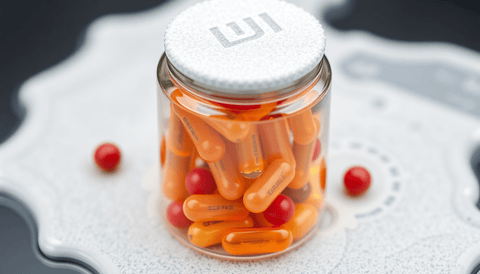
Enteric coating is a sophisticated technology used in the production of oral supplements and medications. It involves applying a special polymer layer to a tablet or capsule, which is designed to protect its contents from the acidic environment of the stomach. This allows the supplement to pass through the stomach intact and release its ingredients in the more alkaline environment of the intestines. This guide explores the principles behind this process, its practical benefits, and what users should consider.
What Is Enteric Coating and Its Purpose?
At its core, an enteric coating is a thin, protective shell applied to a solid dosage form. Its primary purpose is to control where in the digestive system a substance is released. Instead of dissolving in the stomach, where it could be broken down by stomach acid or cause irritation, the coating ensures the contents are delivered to the intestines. This mechanism can benefit ingredients that are sensitive to stomach acid or that are better absorbed in the intestinal tract.
The Science of How Enteric Coating Works
The mechanism of enteric coating is primarily based on pH sensitivity. The polymers used are designed to remain insoluble in acidic conditions but dissolve or become permeable as the pH rises. Here is a breakdown of the process:
- Stomach (Low pH): The coating remains intact and impermeable, shielding the core ingredients from gastric acid.
- Intestines (Higher pH): As the product enters the intestines, the environment's higher pH triggers the polymer to dissolve, releasing the contents for absorption.
- Time & Rate: The rate and location of release are influenced by the specific polymers, plasticizers, and the thickness of the coating applied.
This precise engineering makes the coating an active part of the supplement's function, determining the release profile and aiming to optimize how the ingredients interact with the body.
The Manufacturing and Quality Control Process
Creating a reliable enteric coating is a complex manufacturing process. It typically involves spraying the coating solution onto the tablet or capsule core in a controlled environment. Key steps include:
The process must produce a film that is uniform in thickness and free from defects such as pinholes. These quality checks are critical to ensuring the product performs consistently. Manufacturers also test the coated product's durability against mechanical stress during packaging and transport.
Advantages of Enteric-Coated Supplements
There are several reasons why a supplement might be given an enteric coating. These benefits relate not only to the supplement itself but also to the user's experience:
- Protection of Ingredients: Shields probiotics or other sensitive ingredients from being destroyed by stomach acid.
- Reduced Stomach Irritation: Prevents ingredients that may be irritating to the stomach lining from causing discomfort.
- Targeted Delivery: Aims to release the ingredient at the optimal site in the digestive tract for maximum absorption.
Do Enteric-Coated Tablets Dissolve in the Stomach?
No, a properly functioning enteric-coated tablet is designed not to dissolve in the stomach. The coating acts as a barrier against the acidic conditions, keeping the contents intact. Instead, it is engineered to dissolve in the small intestine. It is important to follow the instructions on the product label; cutting, crushing, or chewing an enteric-coated tablet will destroy the coating and cause it to dissolve prematurely in the stomach.
Are Enteric-Coated Tablets Better? Key Considerations
Whether an enteric-coated tablet is a better option depends on the specific ingredient and its intended purpose. For some ingredients, it offers clear advantages, such as protecting probiotics. For others, the benefit may be less significant. It is also worth noting that enteric coating is not without its drawbacks. For instance, it can potentially delay the onset of action compared to a non-coated tablet, and its effectiveness can be affected by individual variations in digestive health.
How Should You Take Enteric-Coated Tablets?
To ensure the enteric coating works as intended, you should swallow the tablet or capsule whole with water. It is crucial not to crush, chew, or break the product. Take it as directed on the label, which is often with or without food depending on the formulation. Consistency is also key, as taking it at the same time each day can help maintain a steady level in your system.
Exploring Related Topics and Supplement Categories
Many types of supplements can benefit from this technology. For example, certain probiotics use enteric coatings to ensure a higher number of live cultures reach the gut. Similarly, some digestive enzymes and specific nutrients are formulated this way to prevent degradation in the stomach. Understanding how these delivery systems work can help you make more informed choices.
If you are interested in learning more about how different supplement formats and ingredients function, you can explore our guides on probiotics and prebiotics supplements and multivitamins to understand their ingredients, usage, and safety. You can also browse our full range of natural supplements to see what products are available.
This technology represents a significant advancement in oral drug and supplement delivery. By protecting sensitive ingredients and targeting their release, enteric coatings can help improve the efficacy and tolerability of a product. As with any supplement, it's always wise to review the label and consult with a healthcare provider to determine if a particular format is right for your needs.