7 Verrassende Voordelen van het Immuunsysteem om Je Gezondheid Vandaag te Verbeteren


Ontdek 7 verrassende voordelen voor je immuunsysteem die je vandaag kunt ervaren door praktische tips, eenvoudige gewoonten en snelle acties te omarmen om je afweer en welzijn te versterken. Deze pagina richt zich op alledaagse keuzes die de veerkracht van je lichaam en je gevoel van vitaliteit ondersteunen. Hier vind je geen medische voorschriften—alleen toegankelijke ideeën die je nu kunt toepassen om je stemming van ochtend tot avond te beïnvloeden. Lees verder om praktische stappen te ontdekken die aansluiten bij het idee van brede, dagelijkse voordelen voor je immuunsysteem. Een pijler is ritme: streef naar een consistent slaap-waakritme en een korte rustroutine. Combineer dat met een paar rustige ademhalingsmomenten of een korte mindfulness-pauze gedurende de dag. Bouw een eenvoudige gewoonte op van checken met een glas water nadat je wakker bent en een korte beweegserie—zelfs een wandeling van 10 minuten telt. Deze kleine veranderingen kunnen bijdragen aan de voordelen voor je immuunsysteem en een constant gevoel van welzijn. Een andere pijler is omgeving en verbinding: breng indien mogelijk tijd door in de natuur in natuurlijk licht, en koester kleine, positieve contacten met anderen. Eenvoudige routines zoals regelmatig je handen wassen en een opgeruimde, comfortabele ruimte houden, kunnen een betrouwbare dagelijkse gewoonte vormen. Samen kunnen deze acties de voordelen voor je immuunsysteem en je stemming ondersteunen, waardoor je dagelijks leven meer gegrond voelt. Om vandaag te beginnen, kies drie micro-gewoonten die je meteen kunt starten, stel een korte herinnering in, en hou een paar eenvoudige successen bij. Bijvoorbeeld een vaste bedtijd, een korte ademhalingsoefening en een korte buitenmoment. Door deze snelle acties in je dag te verweven, kun je over tijd zeven voordelen voor je immuunsysteem ontketenen en ervaren, terwijl je ook je algehele welzijn ondersteunt.


Where is the most vitamin C found? - Topvitamine
Dec 14, 2025
Voedingsmiddelen met veel vitamine C zijn onder andere paprika, kiwi, citrusfruit, aardbeien, broccoli en spruitjes. Sommige minder bekende vruchten, zoals acerola en Kakadu-pruim, bevatten per 100 gram nog meer, maar zijn niet overal verkrijgbaar. Lees welke bronnen praktisch zijn, hoe je vitamine C het best bewaart en waar je op let bij een supplement.
What organ does vitamin C affect? - Topvitamine
Oct 31, 2025
Vitamine C beïnvloedt niet één specifiek orgaan, maar ondersteunt verschillende weefsels en lichaamsfuncties. De vitamine wordt opgenomen in de dunne darm en via het bloed verdeeld, terwijl onder meer huid, immuuncellen, bloedvaten en bindweefsel ervan gebruikmaken. Lees hoe vitamine C bijdraagt aan collageenaanmaak en bescherming tegen oxidatieve stress, welke voedingsmiddelen rijk zijn aan vitamine C en waarop je let bij een supplement.
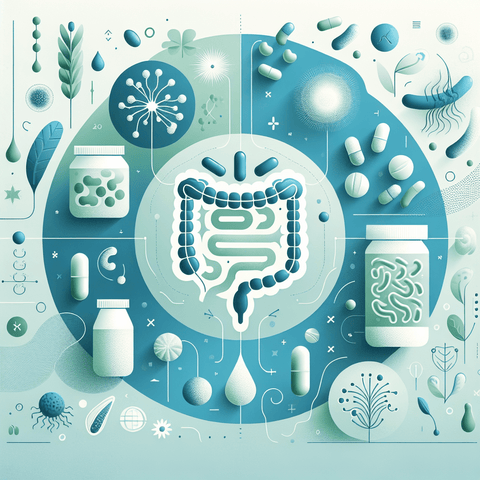
Is it good to take a probiotic daily? - Topvitamine
Oct 14, 2025
Dagelijks probiotica nemen is voor de meeste gezonde volwassenen doorgaans veilig, maar niet voor iedereen noodzakelijk. Het effect verschilt per probioticastam, product en persoonlijke situatie. In dit artikel lees je wat probiotica zijn, wanneer ze mogelijk helpen bij de spijsvertering of obstipatie, hoe je een supplement kiest en wanneer je beter eerst een arts of diëtist raadpleegt. Ook bespreken we probiotische yoghurt en veelgestelde vragen.

When we talk about immune system benefits, we are referring to the positive outcomes of supporting your body’s natural defense network. This complex system works constantly to identify and respond to potential challenges, and its effectiveness is influenced by many everyday factors, including your sleep, stress levels, nutrition, and physical activity. This page explores the broad topic of immune health, offering a map of the key areas that contribute to your body's resilience and a sense of overall well-being. Here, you will find a high-level overview designed to help you understand the main pillars of immune support and guide you to more specific resources.

What Does a Healthy Immune System Mean?

The immune system is not a single organ but a network of cells, tissues, and proteins that work in concert to defend the body against harmful invaders like viruses, bacteria, and other pathogens. A well-functioning, or 'strong,' immune system is often described as one that can effectively recognize and respond to these threats while also maintaining tolerance to the body's own healthy cells. Rather than viewing it as a switch that can be turned on, it is more accurate to think of immunity as a state of balance, influenced by a variety of interconnected lifestyle and environmental factors.

The benefits of having a well-supported immune system are felt in everyday life. While it doesn't guarantee you will never get sick, it means your body is better equipped to handle daily challenges and recover more efficiently. This translates to feeling more energetic, resilient, and better able to maintain your normal routine. Supporting your immune system is a proactive approach to wellness, focusing on building a foundation of health through consistent, positive habits.

Key Pillars of Everyday Immune Support

There are several fundamental lifestyle areas that play a significant role in how well your immune system functions. These are the broad building blocks that form the basis of a resilient body. Focusing on these areas is a practical, effective way to support your health from day to day.

The Role of Nutrition & Essential Nutrients

What you eat provides the raw materials your immune system needs to build and maintain its defenses. A varied diet rich in colorful fruits, vegetables, lean proteins, and healthy fats ensures you receive a broad range of micronutrients. Certain vitamins and minerals are particularly noted for their role in supporting immune function, such as Vitamin C, found in citrus fruits and peppers; Vitamin D, which you can get from sunlight and fortified foods; and Zinc, present in nuts, seeds, and legumes.

While a balanced diet is the ideal foundation, nutritional gaps can occur. In such cases, some people explore high-quality supplements to help fill those gaps. For instance, you can explore specific information on Vitamin C, immunity, and antioxidant benefits or get a comprehensive overview with a guide to multivitamins, their ingredients, and usage. Remember, supplements are meant to complement a healthy diet, not replace it.

Sleep, Stress, and Physical Activity

Beyond nutrition, your daily habits have a profound impact on your immune system. Quality sleep is a time of active repair and regulation for the body, making consistent, restful sleep a cornerstone of immune health. Similarly, chronic stress can take a toll on your body's ability to maintain balance, so finding ways to manage stress is crucial. This might involve simple practices like deep breathing, taking a short walk, or engaging in a hobby you enjoy.

Regular, moderate physical activity is another important pillar. Exercise promotes healthy circulation, which allows immune cells to move through the body efficiently. This doesn't mean intense workouts; a daily 20-30 minute walk, cycling, or yoga session can be highly beneficial. The goal is consistent movement that you enjoy and can sustain.

Everyday Habits: Hydration, Hygiene, and Environment

Simple, practical habits also contribute to a well-supported immune system. Staying adequately hydrated helps all your body's systems function properly. Good hygiene practices, such as regular handwashing, are your first line of defense in preventing the spread of pathogens. Your environment also plays a role; spending time outdoors in natural light and maintaining a clean, comfortable living space can positively impact your mood and overall sense of well-being, which in turn supports your immune health.

Recognizing the Signs of a Well-Supported vs. Compromised System

It can be helpful to understand what a robust immune response looks like compared to one that may need more support. While these signs are general and not a medical diagnosis, they can offer insight into your own body.

A well-supported immune system is often associated with a consistent level of energy, the ability to recover quickly from minor daily stresses, and a general sense of vitality. On the other hand, a weaker immune system might be indicated by frequent or slow-healing illnesses, persistent fatigue, or high stress levels. If you have concerns about your immune health, it is always best to consult with a healthcare professional.

Getting Started: Simple Micro-Habits to Support Your Immune System

The idea of overhauling your lifestyle can be daunting. Instead, the most effective approach is to focus on small, manageable micro-habits. Start by choosing a few simple actions you can easily integrate into your daily routine. Consistency is far more important than intensity.

Here are a few practical examples to get you started:

  • Aim for a consistent sleep-wake schedule, even on weekends.
  • Start your day with a glass of water to rehydrate after sleep.
  • Take a short 10-15 minute walk outdoors during the day.
  • Incorporate a brief mindfulness or deep-breathing exercise into your afternoon break.
  • Choose one extra serving of vegetables or fruit to add to a meal.

By focusing on these small, positive actions, you can begin to build a stronger foundation for your health. Over time, these habits can contribute to the overall benefits of a well-supported immune system, helping you feel more grounded, energetic, and resilient in your daily life.