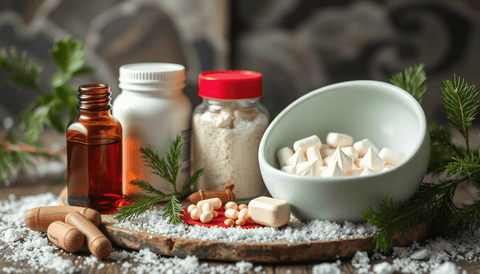
Immuunsysteem Versterkers: 10 Wetenschappelijk Ondersteunde Manieren om je Immuunsysteem Nu te Versterken


Ontgrendel nu 10 door wetenschap onderbouwde manieren om je immuunsysteem te versterken. Deze immuunversterkers bieden eenvoudige, praktische stappen die je vandaag kunt starten, variërend van dagelijkse routines tot mindsetveranderingen. Ze benadrukken consistente patronen boven snelle oplossingen en nodigen je uit om ze in je dagelijkse leven te integreren. Een kern groep van immuunversterkers richt zich op slaap en beweging. Stel een regelmatig slaapschema op en een kalmerend bedtijdroutine om rustgevende nachten te bevorderen. Combineer dat met regelmatige lichamelijke activiteit—iets haalbaars, zelfs op drukke dagen—om een betrouwbare basis voor je dagelijkse functioneren te creëren. Het vasthouden aan deze gewoonten kan je helpen om tijdens drukke periodes meer consistent te blijven. Een andere set richt zich op stressmanagement en hygiëne als immuunversterkers. Korte dagelijkse praktijken—zoals gerichte ademhaling, korte mindfulness-momenten of snelle pauzes om te resetten—kunnen je helpen je balans te behouden. Praktische hygiënegewoonten, waaronder regelmatig handen wassen en bewuste hoestetiquette, zijn toegankelijke stappen die je in je dagelijks leven kunt nemen. Als afsluiting staan gewoonten gerelateerd aan je omgeving en routine. Het verminderen van blootstelling aan irriterende stoffen, het vermijden van tabak en het matigen van alcoholgebruik zijn gezonde acties die in de meeste schema’s passen. Voor velen draagt tijd buitenshuis doorbrengen, indien mogelijk, bij aan je dagelijkse routines. Lees meer om de volledige set van 10 door wetenschap onderbouwde immuunversterkers te zien en hoe je ze vandaag nog kunt toepassen.


What to buy to strengthen the immune system? - Topvitamine
Feb 02, 2026
Wie het immuunsysteem wil versterken, begint het best met voldoende slaap, beweging en gevarieerde voeding. Supplementen zoals vitamine D, vitamine C en zink kunnen nuttig zijn wanneer de inname laag is of een tekort is vastgesteld, maar zijn geen vervanging voor medische zorg. In dit artikel lees je welke producten en ingrediënten relevant zijn, waar je op let bij het kopen en wanneer overleg met een zorgprofessional verstandig is.
Can Supplements Help Prevent Colds? Research-Backed Insights - Topvitamine
Sep 19, 2025
Supplementen tegen verkoudheid kunnen het immuunsysteem ondersteunen, maar geen enkel supplement voorkomt gegarandeerd een verkoudheid. Regelmatig vitamine C gebruiken kan bij sommige mensen de duur of ernst licht beïnvloeden, terwijl zink vooral vroeg na de eerste klachten wordt onderzocht. Vitamine D is met name relevant bij een tekort en probiotica werken mogelijk stamafhankelijk. Ontdek daarnaast welke leefgewoonten en veiligheidsmaatregelen het belangrijkst zijn.

Supporting your immune system is a topic that goes far beyond a single vitamin or an emergency response. It involves understanding the everyday choices that help your body function well. This guide provides a broad overview of immune system boosters, exploring the key lifestyle habits, nutritional foundations, and important considerations that form a comprehensive approach to wellness.

Instead of chasing quick fixes, this page breaks down the major pillars of immune support. You will find clear explanations of how sleep, movement, stress management, and nutrition all contribute to your body's resilience, along with practical ways to weave these elements into your routine.

What Does It Mean to Boost Your Immune System?

The idea of an immune system booster is often misunderstood as a single product that can instantly strengthen your defenses. In reality, the immune system is a complex network of cells, tissues, and organs that work together to protect the body. Supporting it is less about a magic pill and more about creating an environment where this system can operate effectively.

A practical approach focuses on several interconnected areas. These are often called the pillars of immune health, and they include lifestyle factors like sleep, nutrition, stress, and physical activity. When these are in balance, your body is better equipped to handle daily challenges. This section explores the core components that define a strong foundation for immunity.

Core Lifestyle Habits for Everyday Resilience

Certain daily habits form the bedrock of a healthy immune response. Consistency in these areas is more valuable than occasional intense effort. They help regulate your body's processes and create a stable base for overall health.

The following habits are consistently highlighted for their role in supporting immune function:

  • Prioritizing Sleep: Quality sleep is a cornerstone. A consistent sleep schedule allows your body to rest, repair, and regulate. Poor sleep can disrupt normal immune processes.
  • Engaging in Regular Movement: Moderate physical activity supports healthy circulation and can help your immune system function more efficiently. It doesn't require intense workouts, just regular movement like walking or cycling.
  • Managing Stress Effectively: High stress levels can take a toll on the body. Practicing simple techniques like focused breathing or taking short breaks can help you reset and maintain balance.
  • Maintaining Good Hygiene: Simple practices like frequent hand washing and mindful cough etiquette are easy and accessible steps that help reduce the spread of common germs.

Beyond these, moderating alcohol and avoiding tobacco are common-sense actions that fit into most healthy routines. Spending time outdoors, when feasible, complements these habits and can be a positive addition to your day.

The Role of Nutrition and Key Nutrients

What you eat provides the raw materials your immune system needs. A balanced diet rich in fruits, vegetables, and whole foods is the best way to ensure you are getting a wide range of vitamins and minerals. Instead of focusing solely on one ingredient, aim for a varied plate.

While the body needs many micronutrients, several are frequently mentioned for their specific roles in supporting immune health. These can be obtained from a healthy diet or, in some cases, from targeted supplements. Understanding these building blocks is a key part of a broad approach.

  • Vitamin C: Known for its antioxidant properties and its role in supporting the normal function of the immune system. It is found in citrus fruits, berries, and peppers.
  • Vitamin D: Plays a crucial role in immune health. Our bodies produce it from sunlight, and it's also found in fatty fish and fortified foods. Many people consider supplementation, especially in winter months.
  • Zinc: This mineral is essential for the development and function of immune cells. It can be found in meat, shellfish, legumes, and seeds.

For many people, a natural supplement routine can help bridge gaps in the diet. However, supplements are not a replacement for a healthy lifestyle. They are intended to support, not substitute, a balanced diet and good habits. If you are exploring this route, it is helpful to research specific nutrients and their expected roles.

Exploring Supporting Dietary Categories

Beyond the essential vitamins, other nutritional categories often feature in discussions about immune support. These include antioxidants, herbal extracts, and other micronutrients. They offer a wider view of dietary support beyond the classic vitamins.

Antioxidants, for instance, help protect your body's cells from oxidative stress. This is where a collection focused on antioxidant protection can provide more insight. Many supplements, from vitamin C to herbs like turmeric, are valued for their antioxidant activity. The mineral mineral supplements like zinc and selenium also play important roles in supporting the immune system and contribute to the broader picture of nutritional support.

Important Considerations and Practical Next Steps

This guide provides a broad overview. While these principles are generally beneficial, individual needs vary. It is important to remember that information on this page is for educational purposes and is not a substitute for professional medical advice. Before starting a new supplement or making significant lifestyle changes, consult with a healthcare provider.

When considering supplements, look for products that are transparent about their ingredients and quality. Explore reputable brands and understand what you are taking and why. For instance, if you are considering herbal support, you might look for a guide to traditional herbal supplements. The most effective strategy is often a combination of healthy habits, a nutrient-rich diet, and targeted, well-researched supplementation.