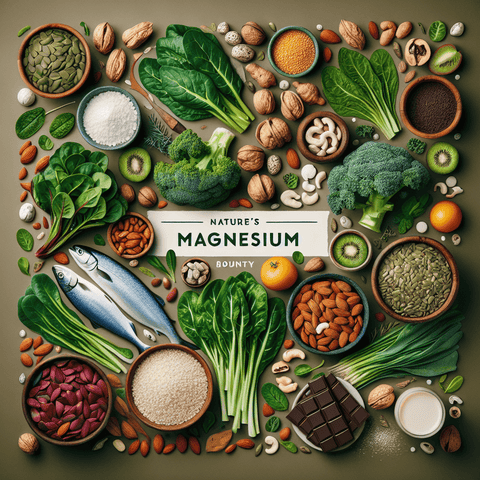
Magnesium: De beste voedingsbronnen om de gezondheid natuurlijk te versterken


Op deze pagina verkent u voedingsbronnen van magnesium en hoe u ze kunt herkennen. De nadruk ligt op het begrijpen van wat kwalificeert als een magnesium-dense bron en hoe informatie over het magnesiumgehalte wordt weergegeven in de bronnen die u raadpleegt. Door te leren magnesiumrijke voedingsbronnen te identificeren, kunt u opties vergelijken zonder op claims te vertrouwen, en kunt u bekijken hoe verschillende items worden beschreven in voedingsinformatie. Het doel is om een duidelijk, neutraal overzicht te bieden van de manier waarop deze bronnen worden gecategoriseerd en gevolgd. Het magnesiumgehalte wordt meestal gerapporteerd in een standaardeenheid zoals milligram per portie, en soms als percentage van de dagelijkse referentiewaarden. Variabiliteit kan ontstaan door factoren zoals bereiding, verwerking en regionale verschillen in samenstelling. Bij het evalueren van magnesiumrijke voedingsbronnen is het handig om te kijken naar de aangegeven hoeveelheid per portie en om te overwegen hoe portiegroottes verschillen tussen items. Sommige databases geven ook de kwaliteit en consistentie van de gegevens aan, wat de vergelijkingen kan beïnvloeden. Om vandaag magnesiumrijke voedingsbronnen in uw routine op te nemen, begint u met een eenvoudige controle van de voedingsinformatie op de huidige producten en boodschappenlijstjes. Zoek naar opties met een hogere magnesiumdichtheid per portie en plan om de inname over maaltijden en snacks te verdelen. U kunt tools gebruiken zoals apps voor het scannen van etiketten of referentiedatabases om opties side-by-side te vergelijken. Overweeg een mix van bronnen om het voedingsprofiel te diversifiëren en rekening te houden met verschillende bereidingswijzen en voorkeuren. Tenslotte, benader dit met een flexibele mindset en pas keuzes aan uw situatie en smaak aan. Als u afhankelijk bent van gespecialiseerde diëten of dieetbeperkingen hebt, raadpleeg dan geloofwaardige bronnen en professionele begeleiding om magnesiumrijke voedingsbronnen binnen uw algehele plan te interpreteren. Deze pagina heeft tot doel neutrale informatie te presenteren over hoe magnesiumrijke voedingsbronnen worden geïdentificeerd en vergeleken, zonder specifieke items of gezondheidsuitkomsten te bekrachtigen.


Which foods are high in magnesium? - Topvitamine
Oct 14, 2025
Voedingsmiddelen rijk aan magnesium zijn onder andere pompoenpitten, noten, peulvruchten, volkoren granen en groene bladgroenten. In dit artikel lees je hoeveel magnesium deze producten ongeveer leveren, hoe je ze praktisch combineert en welke factoren de opname kunnen beïnvloeden. Ook beantwoorden we veelgestelde vragen over een mogelijk tekort, magnesiumverlies en het veilig gebruiken van magnesiumsupplementen.

Magnesium dietary sources are the foods that naturally provide magnesium, an essential mineral the body must obtain from the diet. Because magnesium occurs in many everyday foods, from nuts and seeds to whole grains and leafy greens, understanding where it is found makes it easier to plan balanced meals and evaluate your overall nutrient intake.

This page is a topical hub for everything related to magnesium-rich foods. It explains what magnesium dietary sources are, which food groups are most often associated with magnesium, how magnesium content is measured and compared, and what practical considerations matter when aiming for adequate daily intake. The articles listed under this tag then explore specific questions, such as individual foods, intake patterns and signs of low intake, in greater depth.

What Are Magnesium Dietary Sources?

Magnesium dietary sources are foods that naturally contain measurable amounts of magnesium. Magnesium is an essential mineral involved in many normal body processes, and because the body cannot produce it, it must come from food and drink. For most people, a varied and balanced diet is the primary way to obtain magnesium.

The term covers both the foods themselves and the information that describes them: nutrition labels, food-composition databases and dietary guidelines. Understanding both parts, the foods and the numbers attached to them, helps you compare options in a realistic way without relying on marketing claims or single data points.

Major Food Groups That Contain Magnesium

Magnesium is widely distributed across the food supply, but some food groups are especially well known for contributing meaningful amounts. Commonly cited examples include:

  • Nuts and seeds, such as almonds, cashews and pumpkin seeds
  • Whole grains, including oats, brown rice and wholemeal bread
  • Legumes, such as beans, chickpeas and lentils
  • Green leafy vegetables, including spinach and similar greens
  • Other contributors, such as certain fruits, fish, dairy products and, in some regions, drinking water

Amounts vary considerably between individual foods, and even within a single food group. As a general pattern, minimally processed plant foods are the most frequently referenced magnesium dietary sources, which is one reason they often appear in lists of nutrient-dense superfoods and whole-food-based eating patterns.

How Magnesium Content Is Measured and Compared

Magnesium content is typically reported in milligrams per serving, and sometimes as a percentage of a daily reference value. This makes it possible to compare foods on a like-for-like basis, provided you also pay attention to the serving size each figure refers to.

Several factors can cause values to differ between sources. Preparation and processing can affect how much magnesium a food retains, and regional differences in growing conditions and composition mean that databases sometimes list slightly different numbers for similar items. Some databases also indicate the quality and consistency of their data, which is worth considering when comparing options side by side.

A practical habit is to look at the stated amount per serving, note the portion size it refers to, and compare foods within the same category rather than across very different portion sizes.

Adding Magnesium Dietary Sources to Everyday Meals

For most people, dietary magnesium intake works best as a pattern rather than a single choice. Instead of searching for one food that covers everything, most dietary guidance points toward a varied mix of magnesium-containing foods spread across meals and snacks. A simple way to put this into practice:

  1. Review the nutrition information on foods you already eat regularly.
  2. Look for options with a higher magnesium density per serving, using labels or reference databases.
  3. Plan to distribute magnesium-containing foods across meals and snacks rather than relying on one meal.
  4. Mix different types of sources to diversify your overall nutrient profile and suit your preparation methods and preferences.

If you follow a specialized diet or have dietary restrictions, it can help to review your usual shopping list and identify which of your current foods already contribute magnesium, and where a gap might exist. A healthcare professional or registered dietitian can support you in interpreting this information within your overall plan.

Magnesium From Food and Supplement Considerations

Diet is generally the starting point for magnesium intake, and the food groups above form the foundation of most guidance on this mineral. At the same time, some people look at magnesium supplements as a way to complement their diet, particularly when dietary choices or restrictions make certain food groups harder to include.

If you are exploring that route, it is worth understanding the different forms, qualities and regulatory contexts involved. You can browse our magnesium supplements to see how such products are typically presented, and speak with a healthcare professional before adding any supplement to your routine.

Common Questions About Magnesium Dietary Sources

Which foods are highest in magnesium?

There is no single highest food, as values vary between databases and serving sizes. That said, nuts, seeds, whole grains, legumes and green leafy vegetables are the food groups most consistently cited as concentrated magnesium dietary sources, and food-composition databases can be used to compare specific items.

How can you meet your daily magnesium needs through food?

Most dietary guidance emphasizes variety: combining several magnesium-containing food groups across the day, rather than relying on one food, makes it easier to reach your overall daily intake. Checking labels and using reference databases helps you see how individual foods contribute.

Is eating a banana enough for your daily magnesium?

Bananas do contain magnesium, but they are not among the most concentrated sources, and a single food is unlikely to cover an adult's entire daily requirement. Bananas can still be a useful part of a varied, magnesium-conscious diet.

What are the signs of low magnesium intake?

Signs of inadequate magnesium intake are best assessed by a qualified healthcare professional, since they can overlap with many other issues. If you are concerned about your intake, discuss your diet and, if appropriate, testing options with a doctor or dietitian rather than self-diagnosing.

Exploring Magnesium Dietary Sources Further

Magnesium is one of several minerals that play a role in a balanced diet. If you want to see how it fits alongside related nutrients, our broader guide to mineral supplements provides context on other essential minerals. The articles listed under this tag then go deeper into individual questions, from specific foods and meal ideas to intake patterns and more detailed frequently asked questions.