
Ontdek waterbronnen die rijk zijn aan magnesium en hoe ze verschillen van gewoon drinkwater. Magnesiumrijke waterbronnen verwijzen naar natuurlijke wateren die meetbare hoeveelheden magnesium bevatten, vaak afkomstig uit mineraalbronnen, artesische bronnen of grondwater verrijkt door de omgeving geologie. Het magnesiumgehalte wordt meestal weergegeven in milligram per liter (mg/L), en de mineraalbalans kan de smaak en het mineralenprofiel beïnvloeden. Deze pagina richt zich op het identificeren en begrijpen van deze magnesiumrijke waterbronnen, van waar ze komen tot hoe ze worden beschreven op etiketten. Waar vind je magnesiumrijke waterbronnen? Zoek naar geologische omgevingen die mineralen bevatten die magnesium bevatten, zoals mineraalbronnen en bepaalde aquifers. Bij het onderzoek, lees etiketten en productspecificaties voor magnesiumgehalte en andere mineralen. Magnesiumrijke waterbronnen kunnen sterk variëren, met concentraties die variëren van enkele mg/L tot meerdere tientallen mg/L, afhankelijk van de lokale geologie en hydrologie. Geografische gebieden die bekend staan om mineraalwater, herbergen vaak magnesiumrijke waterbronnen. Praktische tips om magnesiumrijke waterbronnen te verkennen en te gebruiken. Houd een herbruikbare fles gevuld met magnesiumrijk water bij de hand om voorbereid te blijven. Vergelijk opties op basis van magnesiumgehalte (mg/L) en algemene mineralenbalans, en proef verschillende magnesiumrijke waterbronnen om te leren hoe de smaak en mineralenprofielen verschillen. Als je thuis water filtert, kies dan voor systemen die het mineraalgehalte behouden in plaats van mineralen te verwijderen, en noteer waar je je water vandaan hebt gehaald om je favoriete magnesiumrijke bronnen bij te houden. Plan bezoeken aan bronnen, bronnen of gecertificeerde mineraalwaterfaciliteiten om meer te leren over lokale opties. Klik hier om meer te leren over magnesiumrijke waterbronnen en hoe je de beste opties voor jouw situatie kunt identificeren. Deze gids biedt aanwijzingen voor het beoordelen van natuurlijke wateren en het begrijpen van magnesiumgehalte, zodat je de wereld van magnesiumrijke waterbronnen beter kunt navigeren.
Ontdek de beste magnesiumrijke waterbronnen voor gezondheid
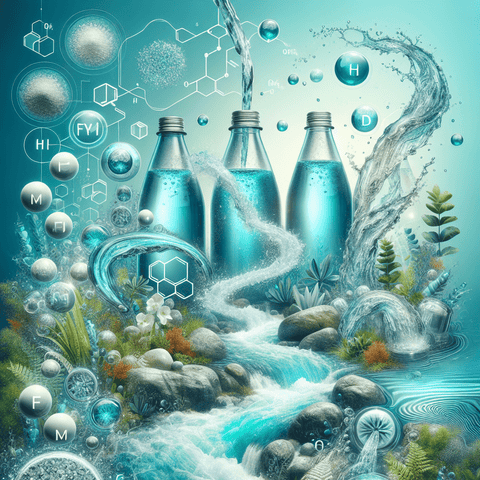
Magnesium-rich water sources are natural waters that contain measurable amounts of magnesium, usually expressed in milligrams per litre (mg/L). They typically originate from mineral springs, artesian wells or groundwater that has moved through magnesium-bearing rock. This page is a topical hub for understanding what these waters are, how they are described on labels, and how they fit into the wider magnesium topic.
The content here is broad by design. It introduces the main dimensions of magnesium-rich water sources — origin, mineral content, labelling, dietary context and practical discovery — while leaving deeper comparisons, brand-specific rankings and detailed buying guides to the individual articles associated with this tag.
What Are Magnesium-Rich Water Sources?
Magnesium-rich water sources are waters that naturally contain magnesium as part of their mineral profile. The magnesium content is usually reported in mg/L, and the level can vary widely depending on geology, hydrology and the path the water has taken underground. Some mineral waters contain only a few mg/L, while others may contain several tens of mg/L or more.
These waters are often described as mineral waters because they contain a mix of dissolved minerals, which can include magnesium alongside calcium, sodium, potassium and bicarbonate. The mineral balance can influence taste, mouthfeel and how the water is perceived, but it does not by itself determine whether the water is suitable for any particular person. Individual needs and preferences vary, and general information about mineral content is not a substitute for personalised advice.
Where Magnesium-Rich Water Sources Come From
The magnesium content of water is closely linked to the geology it passes through. Water that travels through magnesium-bearing minerals can pick up magnesium over time, and certain aquifers, springs and wells are more likely to produce water with higher magnesium levels.
- Mineral springs: natural springs that emerge with a distinct mineral profile, sometimes historically associated with spa or wellness traditions.
- Artesian wells: wells where water is naturally pushed upward, often from deeper geological layers that may contain magnesium-bearing rock.
- Groundwater in magnesium-rich regions: groundwater that has been in contact with magnesium-containing sediments or rocks.
Geography therefore plays a role. Regions known for mineral waters may also host waters with notable magnesium content, but the exact composition depends on the local geology and how the water is sourced and treated. This is why reading labels and product specifications is more reliable than assuming that all mineral waters are high in magnesium.
How Magnesium Content Is Measured and Described
Magnesium content in water is usually expressed in milligrams per litre (mg/L). This figure describes the concentration of magnesium in the water, not the total amount a person would consume, since that also depends on how much water is drunk.
Labels may also describe water in general terms such as “mineral water” or “spring water.” These descriptions are not the same as a magnesium-specific claim. A water can be a mineral water and still have relatively low magnesium, just as a water with higher magnesium might or might not be marketed primarily for that mineral. For this reason, the mg/L value is the clearest starting point when comparing magnesium-rich water sources.
Some waters are described as containing a threshold amount of magnesium that qualifies them as a “source” of the mineral, while higher thresholds may apply to stronger claims. Exact labelling rules vary by region, and the general principle is that the more magnesium a water contains per litre, the more it can contribute to magnesium intake when consumed.
Water in the Context of Daily Magnesium Intake
Magnesium is involved in many normal physiological functions, and dietary sources include foods, beverages and, for some people, supplements. Water is usually a secondary source compared with foods like nuts, seeds, legumes and leafy greens, but mineral waters can still contribute meaningful amounts depending on their concentration and how much a person drinks.
Daily magnesium requirements vary by age, sex, life stage and other factors. General reference values for adults are often given as a few hundred milligrams per day, but individual needs differ. Water alone is unlikely to supply all of a person’s magnesium, and it is best understood as one part of a broader dietary pattern that includes a variety of magnesium-containing foods and drinks.
For readers interested in the wider magnesium topic, including different forms and supplement considerations, our magnesium supplement category provides a broader overview. General mineral supplement information is also available in the mineral supplements guide, where magnesium appears alongside other essential minerals.
How Magnesium-Rich Water Compares With Other Drinks
Water is not the only drink that can contain magnesium. Some other beverages are also discussed in relation to magnesium because they naturally contain the mineral or are made from magnesium-containing ingredients.
- Coconut water: naturally contains some magnesium, along with other minerals, though amounts vary by product.
- Plant-based milks: some plant milks, particularly those made from nuts, seeds or legumes, can contain magnesium depending on the base ingredient and fortification.
- Cacao-based drinks: cacao naturally contains minerals, including magnesium, though the amount in a finished drink depends on the recipe.
- Kefir and similar fermented drinks: these may contain magnesium depending on the milk or base used, but they are not usually positioned primarily as magnesium sources.
These drinks sit alongside water in the broader discussion of magnesium-containing beverages. They are not necessarily equivalent to mineral water in magnesium concentration, and their overall nutritional profile differs. A dedicated comparison article is better suited to detailed side-by-side analysis than this hub page.
Practical Considerations for Exploring Magnesium-Rich Waters
Readers who want to explore magnesium-rich water sources can approach the topic in a few broad ways. The goal is not to prescribe a specific water or amount, but to understand how to evaluate options and where they typically fit.
- Read labels for magnesium content: the mg/L figure is the most direct way to compare mineral waters.
- Consider the overall mineral profile: magnesium is one of several minerals in water, and the balance can affect taste and character.
- Be mindful of home filtration: some systems are designed to reduce mineral content, while others aim to preserve it.
- Track what you try: noting the source and magnesium level of waters you enjoy can help you compare options over time.
- Check availability: magnesium-rich mineral waters are often sold through supermarkets, specialised retailers and online stores.
These are general considerations rather than personalised recommendations. Anyone with specific dietary needs, health conditions or concerns about mineral intake should seek appropriate professional guidance.
Understanding Common Questions About Magnesium-Rich Water
Several questions recur when people research magnesium-rich water sources. Below are brief, high-level answers that reflect the broader topic. More detailed treatments of specific comparisons, brand rankings and daily intake strategies belong in the dedicated articles associated with this tag.
Which water has the highest magnesium?
The water with the highest magnesium depends on the specific product and its reported mg/L value. Some mineral waters are known for relatively high magnesium content, and a ranked comparison of brands with their mg/L figures is best presented in a dedicated comparison article rather than on this hub page.
What kind of water is high in magnesium?
Water that is high in magnesium is generally mineral water or spring water with a naturally high magnesium concentration, often linked to magnesium-bearing geology. The clearest indicator is the magnesium content stated on the label in mg/L, rather than the general category of water.
How can I get 100% magnesium daily?
Meeting daily magnesium needs generally involves a varied diet that includes magnesium-containing foods and drinks. Water can contribute, but it is usually one part of a broader pattern. Individual requirements vary, and a detailed strategy for reaching a specific daily intake is better addressed with a healthcare professional than through a single web page.
Where can I buy magnesium-rich water?
Magnesium-rich mineral waters are typically available where bottled waters are sold, including supermarkets, health food stores and online retailers. Availability varies by region, and the range of brands and magnesium levels can differ significantly between markets. A dedicated buying guide is better suited to brand-specific guidance.
Exploring the Topic Further
Magnesium-rich water sources sit within a wider magnesium and mineral nutrition topic. Readers who want to understand the broader context may wish to explore how magnesium fits alongside other nutrients. Our mineral supplements guide covers iron, zinc, selenium, iodine and other minerals, while the broader magnesium collection focuses on magnesium forms and supplement considerations. More specific articles associated with this tag address brand comparisons, daily intake strategies and detailed buying questions.