
Op deze pagina onderzoeken we waarom lever vaak wordt benadrukt in de context van vlees dat vitamine A bevat. Hoewel het onderwerp zich richt op vlees dat vitamine A bevat, wordt er ook gekeken naar magere opties die in deze categorie passen. Het doel is om duidelijke, praktische informatie te geven over hoe dit vlees in maaltijden voorkomt, zonder gezondheidsclaims te maken. Lever valt op binnen de categorie vlees die vitamine A bevat. Verschillende soorten—zoals rundvleeslever en kippenlever—worden vaak genoemd wanneer dit nutriënt aan bod komt. Bij het kiezen en bereiden van lever kun je overwegen overtollig vet weg te snijden en eenvoudige kookmethodes te gebruiken om de textuur vriendelijk te houden. Naast lever zijn er andere magere opties die worden besproken in relatie tot vlees dat vitamine A bevat. Dit kan mager gevogelte en bepaalde sneden rood vlees omvatten, met aandacht voor portiegrootte en kooktechniek. De focus ligt op het identificeren van voorbeelden die tot de groep van vlees die vitamine A bevat behoren, in plaats van voedingclaims te maken. Voor praktische serveertips, denk aan porties, combinaties en opslag. Gebruik indien mogelijk verpakkingen met etiketten en pas maaltijdplannen aan om bij je routine te passen. Deze pagina heeft tot doel ideeën te bieden over hoe je vlees dat vitamine A bevat, kunt integreren in maaltijden met eenvoudige, dagelijkse stappen.
Beste vleesbronnen van vitamine A: Lever voert de boventoon
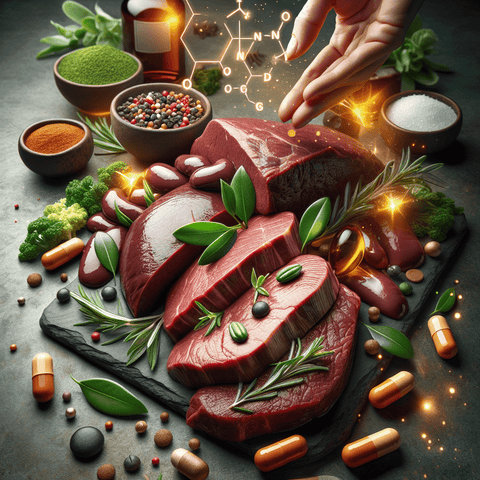
Vitamin A is a fat-soluble nutrient with two dietary forms: preformed vitamin A (retinol) found in animal foods, and provitamin A carotenoids found in plants. This page focuses on meat containing vitamin A, meaning the preformed form supplied by liver, eggs, dairy and certain fish. Unlike carotenoids, retinol is used directly by the body, which is why animal foods are often discussed separately in nutrition guidance.
The sections below provide a broad overview of this topic: which meats are commonly cited, how they compare at a high level, why organ meats deserve special attention, and which practical factors matter when including these foods in everyday meals. More specific comparisons, quantities and cooking details are covered in the individual articles linked from this tag.
Preformed Vitamin A vs Provitamin A Carotenoids
Vitamin A activity in food comes from two distinct groups. Preformed vitamin A, also called retinol, is found in animal-derived foods such as liver, eggs, dairy and oily fish. Provitamin A carotenoids, such as beta-carotene, come from plant foods like carrots, sweet potatoes and leafy greens. The body must convert carotenoids into retinol, and that conversion is not equally efficient in everyone.
Because preformed vitamin A is already in a usable form, it is measured in micrograms of retinol activity equivalents (mcg RAE) and is the form most closely associated with very high intakes. This distinction is the main reason why meat sources of vitamin A are treated as a separate topic from plant sources, and why organ meats in particular are discussed with caution in dietary guidelines.
Main Meat Sources of Vitamin A
Several animal foods are commonly referenced when vitamin A content is discussed. The list below groups them by category rather than by exact numbers, because amounts vary by species, cut, diet and preparation.
- Organ meats, especially liver from beef, chicken, pork, lamb and duck, are among the most concentrated sources of preformed vitamin A.
- Eggs, particularly the yolk, contribute meaningful amounts of retinol and are a common everyday source.
- Dairy foods such as whole milk, cheese and butter provide smaller amounts, depending on fat content and fortification.
- Oily fish such as salmon, mackerel and tuna supply modest amounts of preformed vitamin A alongside other nutrients.
- Lean red meat and poultry contain relatively low amounts compared with liver, but still contribute to overall intake.
For readers who want a broader view of vitamin A beyond food sources, our vitamin A benefits, sources and safety guide provides additional context on forms, functions and general considerations.
Why Liver Stands Out in This Category
Liver is frequently highlighted in discussions about meat containing vitamin A because it stores the nutrient in large amounts. Beef liver, chicken liver, pork liver and duck liver are all cited in nutrition references, though their exact retinol content varies. This concentration is why liver appears both in guidance about meeting vitamin A needs and in warnings about excessive preformed vitamin A intake.
For most people, occasional small servings of liver can fit within a varied diet. However, because the amounts are so high relative to daily requirements, portion size and frequency matter more than with other meats. This is a general educational point, not personalised advice, and individual needs can differ.
Comparing Meat Sources at a High Level
Rather than listing exact values in this hub, it is more useful to understand the broad pattern. Organ meats are in a much higher category than eggs, dairy, fish or lean cuts. Eggs and dairy sit in the middle, while most muscle meats and poultry provide comparatively small amounts. This hierarchy helps explain why dietary guidance often treats liver differently from other animal foods.
Specific amounts per 100 g or per serving vary by source and are best checked in detailed food composition tables or in the individual articles linked from this tag. The goal here is orientation, not an exhaustive numeric comparison.
How Cooking and Preparation Affect Vitamin A
Preformed vitamin A is relatively stable during typical cooking, but some loss can occur with prolonged high heat, exposure to air or when fat renders out and is discarded. Methods such as grilling, frying or simmering may reduce the amount retained in the food compared with gentler cooking. For liver and other organ meats, trimming, portioning and not overcooking can help preserve texture and nutrient content.
These effects are generally modest and should not be a reason to avoid cooking meat properly. They are mentioned here because readers often ask whether preparation changes vitamin A content, and that question is part of the broader topic.
Safety Considerations and Daily Intake Context
Preformed vitamin A has an established upper intake level for adults, and exceeding it over time can be harmful. This is why organ meats, especially liver, are often recommended in smaller portions and less frequently than other protein foods. Eggs, dairy and fish are not usually a concern in this regard for most people eating a varied diet.
This page does not provide dosage recommendations or medical advice. Anyone with specific health conditions, who is pregnant, or who is considering significant dietary changes should consult a qualified healthcare professional. The aim here is to explain why safety is part of the conversation around meat containing vitamin A, not to give individual guidance.
What Else Affects Vitamin A Status
Diet is not the only factor that influences vitamin A status. Absorption can be affected by fat intake, gut health and certain medical conditions. Some medications and health situations may also alter how the body handles vitamin A. These broader factors are why dietary planning around any single nutrient should be seen as part of an overall pattern rather than in isolation.
For readers interested in general supplement contexts, our natural supplement category offers a broader view of related product types. This link is provided for navigation and does not imply that supplements are necessary or appropriate for everyone.
Exploring Related Topics Further
Meat sources of vitamin A connect to several other areas: other fat-soluble vitamins, mineral intake, general multivitamin considerations and food-based approaches to nutrient adequacy. Readers who want to place this topic in a wider context can explore our multivitamins guide for a general overview of ingredient and safety themes.
The individual articles associated with this tag go into more specific questions, such as how particular meats compare, what typical serving sizes look like, and how to think about vitamin A in the context of an overall diet. This page is intended as the broad entry point to that set of resources.