
Voordat u menopauzesupplementen neemt, is het belangrijk om de 7 belangrijkste risico's en mogelijke bijwerkingen te kennen waarmee u rekening moet houden. Deze pagina gaat over de bijwerkingen van menopauzesupplementen en waar u op moet letten voordat u met een product begint. U vindt hier ook tips voor veiligheid, tekenen van problemen om in de gaten te houden, en richtlijnen om opties te kiezen die beter ondersteund worden door wetenschappelijk bewijs. Ten eerste zijn er zorgen over de kwaliteit en besmetting. Sommige producten kunnen verkeerd gelabeld zijn of ingrediënten bevatten die niet op het etiket vermeld staan, en er bestaat een risico op besmetting met stoffen die er niet thuis horen. Interacties met receptmedicijnen of andere supplementen zijn een andere belangrijke factor, omdat bepaalde ingrediënten de werking van andere behandelingen kunnen beïnvloeden. Er is ook een mogelijk hormoongerelateerd effect of invloed op hormoongevoelige aandoeningen, aangezien sommige ingrediënten de hormonale balans kunnen verstoren. Als u een medische voorgeschiedenis hebt op dit gebied, is het verstandig om de bijwerkingen van menopauzesupplementen te bespreken met een arts voordat u ze gebruikt. Ten tweede moeten allergie- en intolerantierisico’s niet over het hoofd worden gezien. Ingrediënten zoals kruiden, vulmiddelen of kleurstoffen kunnen allergische reacties of andere nadelige reacties uitlokken bij sommige mensen. Daarnaast kunnen veel voorkomende bijwerkingen zoals spijsverteringsproblemen, hoofdpijn, duizeligheid of ongemak voorkomen, en deze variëren per persoon. Er is ook een kans dat de supplementen niet effectief zijn doordat er weinig bewijs is voor veel producten, wat betekent dat de resultaten onzeker kunnen zijn en dat u mogelijk geld hebt uitgegeven zonder resultaat. Ten slotte bestaat er onbekend langetermijnveiligheid voor sommige ingrediënten omdat langdurige studies ontbreken. Om veiliger te blijven, volg praktische veiligheidsrichtlijnen: kies voor producten met transparante ingrediëntenlijsten en bewijs van onafhankelijke tests, en vermijd producten die grote claims maken zonder onderbouwing. Controleer de exacte ingrediënten, aanbevolen gebruik en vermijd verborgen vulmiddelen. Deel uw medicatiegebruik met uw arts om mogelijke interacties te beoordelen, en let op tekenen die medische aandacht vereisen, zoals hevige allergische reacties, borst- of buikpijn, of ongewone vaginale bloedingen. Als u vragen hebt of opties met wetenschappelijke onderbouwing wilt beoordelen, raadpleeg dan een zorgprofessional die u kan helpen de risico’s te interpreteren en u te begeleiden naar keuzes die passen bij uw medische geschiedenis.
Menopauzesupplement Bijwerkingen: 7 Belangrijke Risico's om te Weten Voordat Je Ze Gebruikt
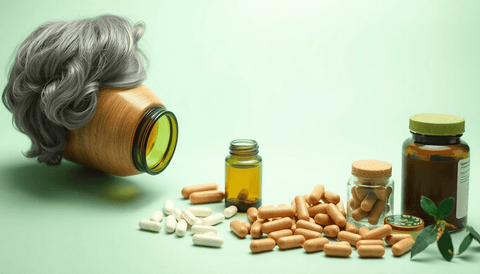
An Overview of Menopause Supplement Side Effects
Menopause supplements are commonly used to address symptoms such as hot flashes, night sweats, and sleep disturbances. While many people consider them a natural approach, it is essential to recognize that these products contain active ingredients that can have effects beyond their intended purpose. This page provides a broad guide to the potential side effects of menopause supplements, the general safety concerns associated with them, and practical advice for evaluating their use. Understanding the potential risks is a key first step in making a safe and well-informed choice.
Key Risk Categories to Consider
The potential side effects of menopause supplements can be broadly grouped into several key areas. It is important to be aware of these categories when weighing the pros and cons of any product.
Quality and Contamination Concerns
A primary concern with any supplement, including those for menopause, is quality control. Some products may be mislabeled, contain ingredients not listed on the label, or be contaminated with undeclared substances. Choosing products from reputable manufacturers that utilize third-party testing can help mitigate these risks, as it provides an independent check on purity and ingredient accuracy.
Interactions with Medications
Certain ingredients in menopause supplements can interact with prescription medications. For instance, some herbs may affect how the liver processes drugs, altering their effectiveness or increasing the risk of side effects. It is essential to share your complete list of medications and other supplements with a healthcare provider to assess potential interactions before starting a new regimen.
Hormonal Effects and Sensitive Conditions
Many menopause supplements contain phytoestrogens or other botanicals that can influence hormonal balance. This means they could have effects on hormone-sensitive conditions, such as certain types of breast or uterine cancer. Anyone with a personal or family history of such conditions should exercise caution and discuss the use of these supplements with their doctor before taking them.
Allergies and Intolerances
As with any ingestible product, allergic reactions are possible. Ingredients such as botanical extracts, fillers, or colorants can trigger adverse responses in sensitive individuals. Symptoms can range from mild skin rashes to more severe reactions. It is also worth noting that some people may have an intolerance to certain ingredients, leading to digestive discomfort.
Common Adverse Experiences
Some users may experience common side effects like digestive upset, headaches, or dizziness. The frequency and severity of these effects can vary greatly from person to person. These are not necessarily dangerous, but they can be unpleasant and may influence a person's decision to continue using a particular product.
Uncertain Effectiveness and Long-Term Safety
It is important to keep in mind that many menopause supplements have limited scientific evidence supporting their effectiveness. This means that results are not guaranteed, and you may not achieve the desired outcome. Furthermore, the long-term safety profile of some ingredients is not well-established, as long-term studies are often lacking. This underscores the importance of using these products with caution.
Practical Safety Tips for Supplement Use
To help reduce potential risks, consider the following practical steps before and while using a menopause supplement:
- Look for products with transparent ingredient lists and clear labeling of all components.
- Seek out supplements that have undergone third-party testing for quality, purity, and potency.
- Be wary of products that make bold, unsupported claims about curing or treating specific conditions.
- Review the recommended usage and ingredient list carefully, avoiding products with undisclosed fillers or artificial additives.
Before starting any new supplement, it is strongly advised to consult a healthcare professional. They can review your full medication list, assess your health history, and help you interpret potential risks specific to you. This is especially crucial if you have underlying health conditions or are taking other medications.
Learning More About Supplements
Understanding the various types of supplements and their potential effects is part of making informed health choices. Our guides on herbal supplements and mineral supplements provide further context on the broader categories of products available. As you explore, remember that information on this page is for general educational purposes and does not replace personalized medical advice.
Frequently Asked Questions
This section addresses common questions related to the safety and side effects of menopause supplements.
Is it good to take menopause supplements?
Whether menopause supplements are 'good' depends on individual health needs, the specific product, and its ingredients. They are not universally right for everyone. Some may find relief from symptoms, but evidence for effectiveness varies. It is best to discuss your options and potential risks with a healthcare provider to determine if a supplement is a suitable choice for you.
Is there a menopause supplement that actually works?
Research on the effectiveness of menopause supplements is ongoing and results are mixed. Some ingredients, like certain phytoestrogens, have shown promise in some studies, but their effects can be modest and inconsistent. It is important to be realistic about expected outcomes and to rely on products with strong backing from clinical research and quality assurance.
Can high cortisol levels contribute to weight gain during menopause?
High cortisol levels can contribute to weight gain, particularly around the abdomen. During menopause, hormonal changes can influence both cortisol and fat distribution. Managing stress through lifestyle interventions like diet and exercise is a key strategy, but it is a separate topic from the side effects of supplements. Addressing this directly with a healthcare provider is recommended.
What are the top 3 supplements for menopause?
There is no universally agreed upon 'top 3' list for menopause supplements. Some of the most researched ingredients include black cohosh, red clover, and soy isoflavones. However, each has its own evidence base and potential side effects. It is important to research each one and consult a healthcare professional to determine if any are appropriate for your situation.
For a more general understanding of supplement safety and quality, you may wish to explore our range of natural supplements.