Mineralerrijke Voedingsmiddelen: Versterk je Gezondheid met Essentiële Voedingsstoffen Vandaag


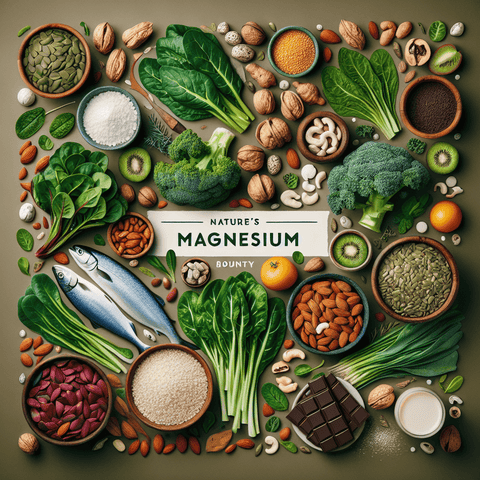
Ontdek welke voedingsmiddelen rijk aan mineralen een uitgebalanceerde keuken vullen. Deze pagina richt zich op voedingsmiddelen met veel mineralen en biedt praktische tips, voedingsstofrijke keuzes en snelle maaltijdideeën om je planning en boodschappen te begeleiden, met een duidelijk accent op het identificeren van items in deze categorie. Praktische tips om mineralenrijke voedingsmiddelen te herkennen, zijn onder andere het controleren van voedingswaardelabels op mineralen zoals calcium, ijzer, magnesium, kalium, zink en selenium; kiezen voor minder bewerkte opties indien mogelijk; en het combineren van plantaardige en dierlijke bronnen om het mineralenprofiel te verbreden. Opslag- en voorbereidingsmethoden die de kwaliteit bewaren, en doordachte combinaties om je keuzes te diversifiëren, kunnen je ook helpen om zelfverzekerd door de voorraadkast te navigeren. Door te letten op variatie en balans, kun je een assortiment van mineralenrijke voedingsmiddelen samenstellen voor maaltijden en snacks. Voedingsstofrijke keuzes die veel voorkomen in mineralenrijke voedingsmiddelen, vallen onder verschillende groepen. Bladgroenten en kruisbessen, peulvruchten zoals linzen en bonen, volle granen zoals havermout en quinoa, zaden en noten, zuivelproducten of verrijkte alternatieven, zeevruchten en mager vlees komen allemaal voor in deze categorie. Voorbeelden hiervan zijn spinazie, linzen, havermout, sesamzaad, yoghurt, zalm en quinoa, onder andere. Deze overzichtstekst benadrukt de verscheidenheid aan opties die onder mineralenrijke voedingsmiddelen vallen. Snelle maaltijdideeën om deze keuzes in het dagelijks koken toe te passen, zijn bijvoorbeeld beginnen met een basis van quinoa of zilvervliesrijst, bonen of linzen toevoegen, groene groenten toevoegen, en eindigen met een snufje zaden voor textuur. Of maak een smoothie met bladgroenten en verrijkte plantaardige melk, en voeg een handvol noten toe. Een roerbakgerecht met groenten, tofu of een mager eiwit, en een topping van gehakte zaden biedt een andere eenvoudige optie. Voor een eenvoudige, boer-tot-tafel-achtige maaltijd, combineer volle graanontbijtgranen met melk of een plantaardig alternatief en gehakte noten. Deze ideeën tonen mineralenrijke voedingsmiddelen in praktische, gemakkelijk samen te stellen formats.


Which foods are high in magnesium? - Topvitamine
Oct 14, 2025
Voedingsmiddelen rijk aan magnesium zijn onder andere pompoenpitten, noten, peulvruchten, volkoren granen en groene bladgroenten. In dit artikel lees je hoeveel magnesium deze producten ongeveer leveren, hoe je ze praktisch combineert en welke factoren de opname kunnen beïnvloeden. Ook beantwoorden we veelgestelde vragen over een mogelijk tekort, magnesiumverlies en het veilig gebruiken van magnesiumsupplementen.
What is the food highest in magnesium? - Topvitamine
Oct 12, 2025
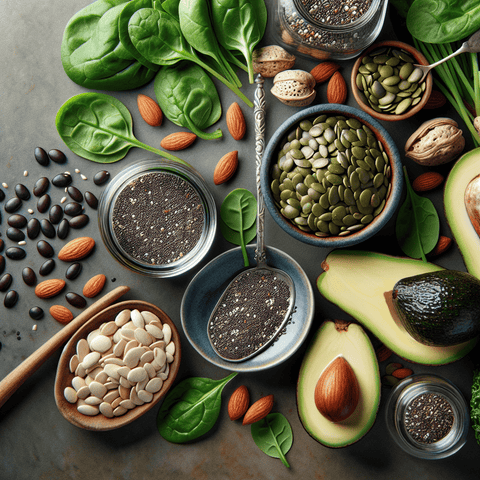
Het voedingsmiddel met het hoogste magnesiumgehalte is meestal pompoenpitten: ongeveer 150 mg per portie van 28 gram. Ook chiazaad, amandelen, peulvruchten, volkorenproducten en groene bladgroenten leveren magnesium. In dit artikel leest u hoeveel magnesium deze voedingsmiddelen ongeveer bevatten, of een banaan voldoende is, welke dranken magnesium leveren en wanneer een supplement mogelijk nuttig kan zijn.
What are the 7 minerals your body needs daily? - Topvitamine
Oct 06, 2025
De mineralen die je lichaam nodig heeft zijn onder andere calcium, magnesium, kalium, ijzer, zink, selenium en jodium. Ze dragen bij aan normale functies zoals botopbouw, spier- en zenuwwerking, zuurstoftransport en de werking van de schildklier. In dit artikel lees je hoe je mineralen binnenkrijgt, welke klachten bij een tekort kunnen passen en waar je op let bij het kiezen van een supplement.

Minerals are fundamental nutrients that support countless functions in the body, from building strong bones and teeth to regulating muscle contractions and maintaining a healthy nervous system. Unlike some vitamins, the body cannot produce most essential minerals on its own, so they must be obtained through the diet. This guide provides a broad overview of mineral-rich foods, explaining what they are, why they matter, and how to easily incorporate more of them into your daily eating pattern.

What Are Mineral-Rich Foods?

A food is considered mineral-rich when it provides a significant amount of one or more essential minerals relative to its calorie content. These minerals are inorganic elements that the body requires for proper growth, development, and maintenance. They are typically divided into two categories: macrominerals, which are needed in larger amounts, and trace minerals, which are needed in smaller amounts but are still vital for health.

Key Macrominerals and Trace Minerals

The most common macrominerals include calcium, phosphorus, magnesium, sodium, potassium, and chloride. Trace minerals, on the other hand, include iron, zinc, selenium, iodine, copper, and manganese. Each mineral has a unique role. For example, calcium is crucial for bone health, iron is a key component of red blood cells, and potassium helps regulate fluid balance and nerve signals.

The best approach to ensuring adequate intake is to consume a varied diet that includes a wide range of whole foods. This naturally provides a broad spectrum of these essential elements, which is generally more effective than relying on a single food source.

Top Categories of Mineral-Rich Foods

Mineral-rich foods are found across all major food groups. Knowing which categories are most beneficial can help you make informed choices at the grocery store and when planning your meals. Here are some of the most significant categories to include in your diet:

  • Leafy Green and Cruciferous Vegetables: Spinach, kale, Swiss chard, and broccoli are excellent sources of calcium, magnesium, iron, and potassium.
  • Legumes: Lentils, chickpeas, black beans, and kidney beans are packed with iron, magnesium, potassium, and zinc.
  • Whole Grains: Quinoa, oats, brown rice, and whole-wheat products provide magnesium, selenium, and iron.
  • Nuts and Seeds: Almonds, cashews, pumpkin seeds, and sesame seeds are rich in magnesium, zinc, and calcium.
  • Dairy and Fortified Alternatives: Milk, yogurt, and fortified plant-based milks are primary sources of calcium and often fortified with vitamin D to aid absorption.
  • Seafood and Lean Meats: Salmon, sardines, and shellfish are excellent sources of iodine, selenium, and zinc. Lean meats like chicken and turkey provide iron and zinc.

For a deeper look at how specific minerals support health, you can explore our mineral supplements guide for more information.

Practical Tips for a Mineral-Rich Diet

Incorporating more mineral-rich foods into your routine doesn't require a complete overhaul of your diet. Simple, consistent changes can make a significant difference. Here are a few practical strategies to get you started:

  • Read Nutrition Labels: Pay attention to the % Daily Value (%DV) for minerals like calcium, iron, and magnesium. Foods with 20% DV or more are considered high sources.
  • Choose Less-Processed Options: Whole foods generally retain more of their natural mineral content than highly processed alternatives. Opt for whole grains over refined ones and fresh or frozen produce over heavily processed meals.
  • Mix Plant and Animal Sources: Combining different food groups, such as beans with rice or spinach with a source of vitamin C, can enhance mineral absorption and provide a broader nutrient profile.
  • Use Smart Pairings: Pairing iron-rich plant foods with vitamin C (like adding lemon juice to a lentil salad) can help your body absorb the iron more effectively.

Quick Meal Ideas to Boost Mineral Intake

Putting these tips into practice can be easy and delicious. Here are a few simple meal ideas that are naturally rich in minerals:

  • Start your day with a smoothie made with spinach, fortified plant milk, a banana, and a handful of almonds.
  • Build a hearty grain bowl with a base of quinoa or brown rice, topped with black beans, sautéed greens, and a sprinkle of pumpkin seeds.
  • Prepare a quick stir-fry with broccoli, bell peppers, tofu or chicken, and a topping of sesame seeds.
  • Enjoy a simple breakfast of whole-grain cereal with milk or a fortified plant-based alternative and chopped nuts.

Understanding Mineral Deficiency

While a varied diet usually provides sufficient minerals, some people may be at risk of deficiency. Signs of low mineral levels can vary depending on which mineral is lacking. For example, low iron may lead to fatigue, while low calcium might affect bone health over time. It's important to remember that these signs can also be caused by other factors, and a healthcare professional is the best person to diagnose a deficiency.

If you are concerned about your mineral intake, focusing on a balanced diet is the first step. For specific questions about supplementation, it's always wise to consult with a doctor or registered dietitian. They can provide personalized advice based on your individual needs.

Frequently Asked Questions About Mineral-Rich Foods

What food has all 102 minerals?

No single food contains all 102 minerals that exist in nature. The human body requires a specific set of essential minerals, and these are found in varying combinations across different foods. A varied diet is the most reliable way to get all the minerals your body needs.

Which food has the highest minerals?

There is no single 'highest' mineral food, as different foods excel in different minerals. For example, spinach is high in iron and calcium, while brazil nuts are exceptionally high in selenium. The best approach is to eat a variety of nutrient-dense foods to cover your bases.

What are the 7 minerals your body needs?

The body needs a wide range of minerals, but seven are often highlighted for their importance: calcium, iron, magnesium, potassium, zinc, selenium, and iodine. Each plays a unique and vital role in maintaining health.

Explore More on Mineral Health

This guide provides a broad overview of mineral-rich foods. For more specific information on individual minerals, their benefits, and how they work in the body, you may find our magnesium guide and calcium guide helpful. These resources offer deeper insights into specific nutrients.

For a broader perspective on how supplements can fit into a healthy lifestyle, you can also explore our natural supplements collection.