Misleidende supplementlabels blootgelegd: herkent namaakclaims en bescherm je gezondheid
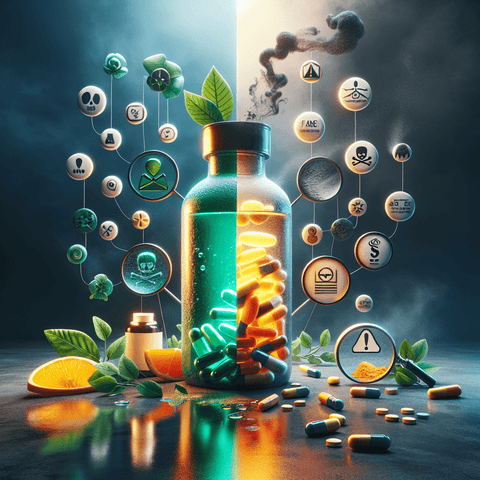

Misleidende supplementlabels vormen een veelvoorkomend obstakel voor shoppers, en het herkennen ervan begint met begrijpen wat er daadwerkelijk op het flesje staat. Op het eerste gezicht kan een product legitiem lijken, maar vage taal, ontbrekende details of overdreven beloftes kunnen verbergen wat er daadwerkelijk in zit. Deze pagina richt zich op het opsporen van die problemen en het onderscheiden van oprechte etikettering van misleidende supplementlabels. Door te leren hoe labels zijn opgebouwd en welke informatie vereist is, kun je elke aankoop met meer duidelijkheid en vertrouwen benaderen. Begin met de basis van het label: het Supplement Facts-paneel, de portiegrootte en de hoeveelheid van elk ingrediënt per portie. Vergelijk de vermelde ingrediënten met de naam van het product en het aangegeven doel, en onderschat niet de sectie “Andere ingrediënten” voor vulmiddel of coatings. Let op eventuele propriëtaire formules en of het label de exacte hoeveelheden per component bekendmaakt; als de hoeveelheden verborgen zijn, is dat een rode vlag. Controleer op allergenen en waarschuwingen, en wees voorzichtig met vage termen zoals “natuurlijk” of “speciaal mengsel” die details kunnen verhullen. Deze stappen helpen je om misleidende supplementlabels te identificeren voordat je koopt. Vermijd onveilige ingrediënten en twijfelachtige herkomst door te zoeken naar transparantie en regelgevende notities. Rode vlaggen zijn onder andere ontbrekende partijnummers of vervaldatums, geen contactgegevens van de fabrikant, of claims die niet verifieerbaar zijn. Kijk uit naar certificeringen of testlogo’s van derden, zoals USP, NSF of Informed-Choice, en begrijp dat hoewel deze logo’s een norm aangeven, ze geen garantie bieden dat het product geschikt is voor iedereen. Wees voorzichtig met producten waarbij doseringen niet worden onthuld, onbelemmerde claims worden gedaan of er beweringen worden gedaan die gericht zijn op resultaten zonder bewijs; dit kan allemaal kenmerken zijn van misleidende supplementlabels. Om je aankopen te beschermen, stel je een eenvoudige routine op voor het controleren van labels: verifieer dat de naam van het product overeenkomt met de vermelde ingrediënten, bevestig de contactgegevens van de fabrikant en noteer de batch- en vervaldatum. Controleer het product met betrouwbare bronnen en bekijk indien mogelijk de productiemethoden van het bedrijf. Als iets op het label incompleet of inconsistent lijkt, kies dan voor een ander product en vraag indien nodig om verduidelijking bij de retailer of fabrikant. Door een consistente gewoonte te ontwikkelen van het lezen van labels en het herkennen van misleidende supplementlabels, navigeer je de markt met meer vertrouwen en verklein je het risico op misleiding.


What are the warning signs of a supplement scam you should never ignore - Topvitamine
Aug 29, 2025
Namaaksupplementen herkennen begint met meer dan het bekijken van een logo of barcode. Controleer de ingrediënten, doseringen, verpakking, houdbaarheid, lotinformatie, verkoper en gezondheidsclaims. In deze gids lees je hoe je een supplement controleert, nepbeoordelingen herkent en veilig handelt bij twijfel. Ook beantwoorden we vragen over betrouwbare leveranciers, dieetpillen en mogelijke namaakproducten van bekende merken.
How to Spot Hidden Sugars and Fillers in Your Supplements - Topvitamine
Aug 27, 2025
Verborgen suikers in supplementen staan niet altijd letterlijk als suiker op het etiket. In deze praktische gids lees je hoe je suikers, suikeralcoholen, kunstmatige zoetstoffen en vulstoffen herkent. Ook leggen we uit wat termen als natuurlijke aroma’s en suikervrij betekenen, wanneer zoetstoffen klachten kunnen geven en hoe je supplementen met een transparante samenstelling kiest.

Why Supplement Label Literacy Matters

Misleading supplement labels are a common challenge for shoppers. With thousands of products on the market, distinguishing between a high-quality supplement and one with exaggerated claims can be difficult. Learning to read a label critically is not just about understanding the ingredients; it's about developing a framework for evaluating any product you encounter.

This guide provides a broad overview of the topic. We'll explain the core components of a supplement label, highlight common red flags that may indicate a product is not what it claims to be, and offer practical steps you can take to become a more confident and informed consumer. It's not about memorizing every rule, but about understanding the general principles that can help you navigate the marketplace.

Understanding the Core Elements of a Supplement Label

Before you can evaluate a product, you need to understand the basic anatomy of a supplement label. Every label should provide certain key pieces of information that allow you to compare products and assess their quality.

The most important elements to understand include:

  • The Supplement Facts panel, which lists the serving size, calories, and amounts of each ingredient.
  • The ingredients list, which shows all components, including active ingredients and excipients.
  • The "Other Ingredients" section, which can include fillers, binders, and natural or artificial flavors.

The Supplement Facts Panel and Serving Size

The Supplement Facts panel provides the nutritional information. Pay close attention to the "Serving Size" and the "Amount Per Serving" for each ingredient. A product may look like good value, but if the serving size is unusually small or large, the cost per effective dose could be higher than you think. Always compare the serving size between similar products to ensure you are making a fair comparison.

The Ingredients List and Proprietary Blends

A complete ingredients list is essential. Some products use "proprietary blends," which allow manufacturers to hide the exact amount of each individual ingredient. They only have to list the total weight of the blend. While this is a legal practice, it can sometimes be a red flag. It can be difficult to determine whether an effective dose of any single ingredient is actually present, making the product harder to evaluate.

Common Red Flags on Supplement Labels

While no single factor guarantees a product is misleading, the presence of several red flags should encourage caution. Being able to identify these warning signs is a key skill in avoiding potentially poor-quality supplements.

  • Vague or overly broad claims, such as "boosts immunity" or "supports overall health," without specific evidence or context.
  • A lack of a clear manufacturer contact address or a customer service line. A reputable company should be easy to reach.
  • Missing batch numbers, lot numbers, or expiration dates, which are standard for quality-controlled products.
  • The use of vague terms like "natural" or "proprietary blend" without further explanation of what they contain.

These characteristics do not automatically mean a product is bad, but they do suggest that a company may not be transparent about its product, making it harder for you to make an informed decision.

The Importance of Third-Party Testing and Verification

Because the supplement industry is large and diverse, the level of quality control can vary from one manufacturer to another. One way to gain more confidence in a product is to look for third-party testing. Independent organizations can verify that a product contains what its label claims, and that it does not contain harmful levels of contaminants.

Seals from organizations like USP, NSF, or Informed-Choice indicate that a product has undergone voluntary testing. It's important to understand that a third-party seal does not confirm that the product will have a specific health effect; rather, it confirms that the product meets certain quality and purity standards. This can add a layer of trust when you are trying to assess products with complex labels.

Building a Habit of Label-Checking

Becoming a more critical consumer is a process. It involves developing a consistent routine of checking labels before you buy. This includes verifying that the product name matches the listed ingredients, confirming the manufacturer's contact details are present, and noting the batch and expiration dates.

If a label feels incomplete or inconsistent, or if you cannot find essential information, it may be worth researching the brand further. It can also be helpful to look for products that are transparent about their practices. Understanding how to read labels is a general skill that applies across all types of supplements, from vitamins and minerals to specialty ingredients. You can explore a range of transparently labeled products in our natural supplements collection.

Exploring the Topic Further

This guide offers a broad overview of how to approach supplement labels. As you become more comfortable with the fundamentals, you may want to explore specific types of products in more depth. For example, understanding the labeling of essential nutrients like vitamins and minerals is a great first step. We have dedicated resources to help you understand the basics of Vitamin D and its sources, as well as general guides on multivitamins and their ingredients.

Remember that the information on this page is for educational purposes. It is not a substitute for professional medical advice. If you have specific health concerns or questions about a particular supplement, consulting a qualified healthcare professional is always the best course of action.