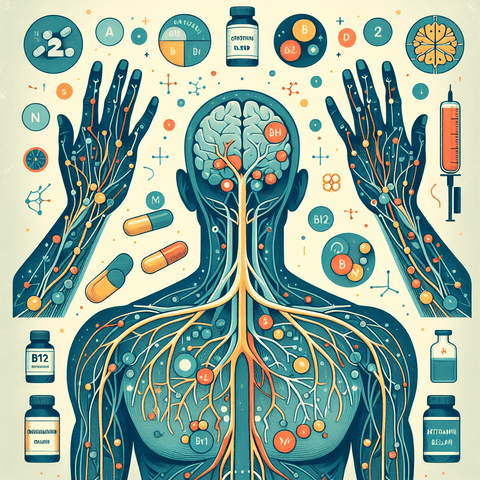
Muscle weakness is a common complaint that can range from a mild, temporary feeling of tiredness to a persistent inability to perform everyday tasks. It is not a specific disease but a symptom with many potential triggers, including nutritional gaps, a sedentary lifestyle, and the natural aging process. This guide explores the primary causes of muscle weakness, the vital role of certain nutrients, and the practical steps you can take to support muscle health and overall strength.
By understanding the broad dimensions of this topic, you can better identify the factors that may be affecting you and make informed decisions about diet, lifestyle, and whether supplementation might be a helpful part of your approach.
What Is Muscle Weakness?
Muscle weakness is a reduction in the force that a muscle or group of muscles can generate. It is often described as a feeling that your muscles have “given out” or cannot perform a movement that should be possible. To address the issue effectively, it's helpful to distinguish between true weakness, which is a physical inability, and fatigue, which is a feeling of tiredness or exhaustion that usually improves with rest.
True Muscle Weakness vs. Fatigue
True muscle weakness is a physical inability to generate the expected force, even with maximum effort. Fatigue, on the other hand, is a subjective feeling of tiredness that often improves with rest. You can feel fatigued and still have full physical strength. Recognizing this difference is crucial because the underlying causes and appropriate responses are different.
Localized vs. General Weakness
Weakness that affects the entire body often points to a systemic issue, such as a nutritional deficiency, thyroid dysfunction, or chronic fatigue. In contrast, weakness confined to one limb or one side of the body may indicate a neurological problem that requires prompt medical evaluation. The pattern of your symptoms provides important clues for you and your doctor.
Why Muscle Strength Is Essential for Health
Maintaining muscle strength is about far more than physical appearance. Skeletal muscle is a metabolically active organ that plays a central role in whole-body health. It is the primary site for glucose disposal after a meal, meaning more muscle mass is associated with better blood sugar regulation and a higher basal metabolic rate.
Strong muscles also support your joints, stabilize your posture, and enable fluid movement. When weakness develops, simple actions can become difficult, leading to reduced activity and a cycle of further muscle loss and declining independence. Rebuilding strength is therefore not just about fitness—it’s about preserving your quality of life.
Main Causes and Contributing Factors
The causes of muscle weakness are numerous, but several factors are particularly common in the general population. These can be broadly grouped into nutritional deficiencies, lifestyle factors, and underlying health conditions.
Nutritional Deficiencies That Affect Muscle Function
Muscles require a steady supply of specific nutrients to contract, repair, and grow. Deficiencies in key vitamins and minerals can directly impair muscle performance, leading to weakness, cramps, and fatigue.
- Vitamin D: Essential for muscle protein synthesis and muscle cell health. Low levels are strongly associated with muscle weakness and an increased risk of falls in older adults.
- Magnesium: Plays a critical role in muscle contraction and relaxation. Low magnesium can lead to cramps, spasms, and general weakness.
- Calcium: Works closely with magnesium and vitamin D for muscle contraction and bone health. A balanced intake of each is more effective than focusing on one alone.
- Potassium: Crucial for nerve signaling and muscle contraction. Even mild depletion can cause weakness and fatigue.
- B Vitamins: Particularly B12 and B6, which are essential for nerve health and energy production. A deficiency can impair the nerve signals that tell your muscles to move.
- Protein: Inadequate dietary protein limits the building blocks needed for muscle maintenance and repair, especially as we age.
Lifestyle Factors and Age-Related Loss
Simply not using your muscles enough is one of the most common reversible causes of weakness. “Use it or lose it” is a physiological reality. Additionally, after age 30, most people begin to lose muscle mass at a rate of 3–5% per decade—a condition known as sarcopenia. This process accelerates if protein intake and physical activity are insufficient.
Underlying Health Conditions
Certain medical conditions can contribute to muscle weakness. These include thyroid disorders, anemia, chronic inflammatory conditions, and neurological conditions like multiple sclerosis or peripheral neuropathy. Certain medications, including statins and some blood pressure drugs, can also cause muscle-related side effects.
Key Nutrients for Muscle Support
While a balanced diet is the primary source of nutrients, understanding the specific roles of key vitamins and minerals can help you make more informed choices. Each nutrient contributes to a different aspect of muscle health.
Magnesium's Role in Muscle Function
Magnesium is among the most important minerals for muscular health, contributing to normal muscle contraction, nerve transmission, and energy production. Low magnesium levels are frequently associated with muscle cramps, twitching, and generalized fatigue. Different forms of magnesium supplements are available to support daily intake.
Vitamin D and Muscle Strength
Vitamin D also influences muscle strength and performance. Adequate vitamin D status supports muscle mass maintenance, particularly in older adults, and contributes to normal bone health, which works alongside muscle function. For a broader understanding, see the collection on vitamin D benefits, sources, and safety.
Calcium and the Nutrient Team
Calcium works closely with magnesium and vitamin D in muscle contraction and bone density. These nutrients function as a team, meaning a balanced intake of each is more effective than focusing on one alone. Relevant information is available in the guide on calcium benefits for bone and muscle health.
Practical Considerations for Building Strength
Before considering supplements, it is essential to establish the two non-negotiables for muscle health: adequate protein intake and consistent resistance exercise. Dietary protein provides the amino acids necessary for muscle repair, while resistance training signals your body to maintain and build muscle tissue.
- A balanced diet rich in whole foods typically provides foundational nutrients for muscle support.
- Amino acids from dietary protein are essential building blocks for muscle tissue.
- B-complex vitamins, particularly B6 and B12, contribute to normal energy metabolism and reduced fatigue.
- Hydration and adequate sleep are equally important for maintaining muscular performance.
When to Consider Supplementation
While a balanced diet is the primary source of nutrients, there are situations where supplementation may be relevant. Older adults often have higher protein requirements and reduced absorption of certain nutrients. Vegans and vegetarians may be at higher risk for vitamin B12 deficiency. People with limited sun exposure may struggle to maintain adequate vitamin D levels year-round. In these cases, a targeted supplement can help bridge the gap.
Choosing a High-Quality Supplement
If you decide to supplement, choose products that disclose the elemental amount of nutrients and use bioavailable forms, such as magnesium citrate or glycinate, and vitamin D3. Look for third-party testing certifications from organizations like NSF International or USP to ensure the product contains what it claims.
Specific Populations Who May Need Extra Support
Older Adults
Age-related sarcopenia is accelerated by inadequate protein intake, vitamin D deficiency, and physical inactivity. A combination of resistance training, increased protein consumption, and vitamin D supplementation is the most evidence-based strategy for preserving strength in later life.
Vegans and Vegetarians
Those following plant-based diets are at higher risk for vitamin B12 deficiency, which can cause peripheral neuropathy and muscle weakness. A sublingual or methylated B12 supplement is often a wise addition to a vegan diet. Plant-based eaters may also need to pay extra attention to protein quality and total intake.
Athletes and Active Individuals
Intense training increases the demand for magnesium, which is lost through sweat. For this group, the goal of supplementation is not to treat weakness but to optimize performance and recovery. Amino acid supplements and protein supplements can also support muscle repair and growth.
When to See a Doctor
Before investing in supplements, it is essential to consider whether your muscle weakness may signal a more serious underlying condition. You should consult a healthcare professional if the weakness is sudden, severe, or affects only one side of the body, or if it is accompanied by other symptoms.
- Difficulty breathing, swallowing, or speaking
- Numbness, tingling, or loss of coordination
- Weakness that follows an injury or fall
- Weakness that progressively worsens over weeks or months without explanation
In these scenarios, professional medical evaluation is paramount. Dietary supplements are not a substitute for diagnosing or treating a medical condition.
Final Thoughts: A Balanced Approach
Muscle weakness can stem from a variety of factors—from simple inactivity or poor sleep to nutrient deficiencies or more serious medical conditions. The most practical approach is to first evaluate your baseline habits. Are you eating enough protein? Are you getting adequate vitamin D and magnesium? Are you engaging in regular strength-bearing activity?
If you identify gaps in your diet, food should be your first priority, followed by targeted supplementation to address specific deficits. By taking stock of your habits, prioritizing nutrient-rich foods, and choosing high-quality supplements when needed, you can take meaningful steps toward regaining strength and improving your overall quality of life.