
{ "type": "json_object" }
Natuurlijke omgeving: Ontdek de ongerepte schoonheid van de aarde vandaag
Oct 17, 2025
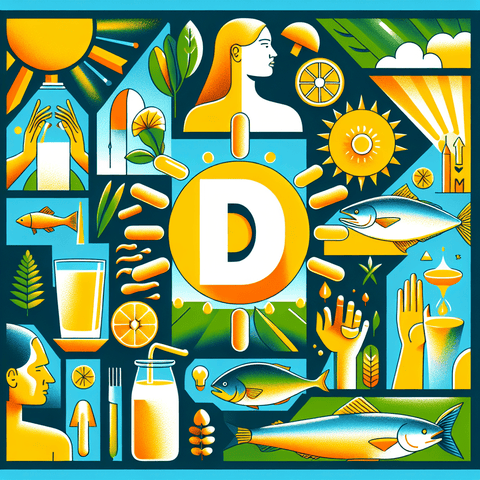
Vitamine D wordt vooral aangemaakt in de huid onder invloed van UVB-zonlicht. Daarnaast leveren vette vis, eieren, sommige paddenstoelen en verrijkte voedingsmiddelen vitamine D. Omdat de aanmaak en inname per persoon verschillen, kan een vitamine D-supplement voor sommige mensen een praktische aanvulling zijn. Lees hoe u bronnen herkent, welke vormverschillen bestaan en wanneer overleg met een zorgprofessional verstandig is.
{"content": "
De natuurlijke omgeving—de landschappen, ecosystemen en groene ruimtes die grotendeels zonder menselijke bouwkunst bestaan—speelt een veel grotere rol in de menselijke gezondheid dan de meeste mensen beseffen. Onderzoek verbindt tijd doorgebracht in de natuur consequent met voordelen voor stemming, stressniveaus, lichamelijke activiteit en algemeen welzijn. In dit artikel lees je wat de natuurlijke omgeving is, waarom blootstelling eraan belangrijk is, waarom moderne levensstijlen onze verbinding ermee vaak beperken, en hoe meer tijd buiten samengaat met praktische gezondheidsaspecten zoals hydratatie, voeding en de seizoensgebonden vitamine D-status.
\n\n
Wat is de natuurlijke omgeving?
\n\n
De natuurlijke omgeving in alledaagse termen gedefinieerd
\n\n
De natuurlijke omgeving omvat de levende en niet-levende dingen op aarde die niet direct door de mens zijn gecreëerd: bossen, oceanen, rivieren, bergen, graslanden, dieren in het wild, de atmosfeer en zelfs kleine groene plekken in de stad zoals parken en tuinen. In alledaagse termen is het alles wat je buiten kunt ervaren en wat niet bewust door mensen is gebouwd—aan een bospad, de oever van een meer, een weide of een laan met bomen. De term omvat ook de ecologische processen die deze ruimtes in stand houden, zoals de watercyclus, bodemvorming en bestuiving.
\n\n
Omgevingsgebonden versus natuurlijke omgeving: de belangrijkste verschillen
\n\n
De gebouwde omgeving bestaat uit door de mens gemaakte omgevingen—gebouwen, wegen, infrastructuur en binnenruimtes. Hoewel deze natuurlijke elementen kunnen bevatten (groene daken, stedelijke parken), zijn ze fundamenteel ontworpen en gebouwd. Dit onderscheid is relevant voor gezondheidsonderzoek: studies naar 'natuurcontact' meten doorgaans contact met vegetatie, natuurlijk licht, frisse lucht en open landschappen, wat allemaal typerender is voor de natuurlijke omgeving. Een middag op een bospad doorbrengen verschilt meetbaar—zowel zintuiglijk als fysiologisch—van dezelfde middag in een winkelcentrum, ook al verlaat je in beide gevallen je huis.
\n\n
Waarom de natuurlijke omgeving belangrijk is voor de menselijke gezondheid
\n\n
De fysiologische effecten van natuurcontact
\n\n
Een aanzienlijke hoeveelheid onderzoek suggereert dat tijd doorbrengen in natuurlijke omgevingen samenhangt met meetbare fysiologische veranderingen. Uit studies is een verband gemeld tussen tijd in groene ruimtes en lager zelfgerapporteerde stress, minder spanning en betere ontspanningsmarkers. Sommig onderzoek verbindt wandelen in natuurlijke omgevingen ook met gunstige veranderingen in stemming en energie vergeleken met het wandelen van dezelfde afstand in een stedelijke omgeving. Hoewel de precieze mechanismen nog worden onderzocht—voorgestelde verklaringen zijn onder meer verminderde mentale vermoeidheid, meer lichamelijke activiteit en meer blootstelling aan natuurlijk licht—is het algemene patroon in de literatuur consistent: vaker contact met de natuur gaat doorgaans samen met een betere zelfgerapporteerde gezondheid.
\n\n
Hoe natuurlijke ruimtes het mentale welzijn ondersteunen
\n\n
Natuurlijke omgevingen lijken het mentale welzijn via verschillende overlappende wegen te ondersteunen. De aandachthersteltheorie stelt dat natuurlijke omgevingen gerichte aandacht—een beperkte cognitieve hulpbron—de kans geven te rusten, wat zou kunnen verklaren waarom mensen zich na tijd buiten vaak mentaal verfrist voelen. Tijd in de natuur is in observationele studies ook geassocieerd met minder piekeren en minder negatieve emoties. Worthy noting: een groot deel van dit bewijs is correlationeel in plaats van causaal, maar de consistentie van bevindingen tussen bevolkingsgroepen en landen maakt het verband betekenisvol. Belangrijk is dat dit geen extreme wilderniservaringen vereist; zelfs regelmatige bezoeken aan een plaatselijk park kunnen bijdragen.
\n\n
Signalen dat je verbonden met de natuurlijke omgeving is verbroken
\n\n
Veelvoorkomende gevolgen van beperkte tijd buiten
\n\n
Er bestaat geen klinische diagnose voor 'natuuronthechting', maar onderzoekers en individuen merken bepaalde patronen op wanneer de buitentijd erg laag is: gevoelens van rusteloosheid of mentale vermoeidheid, weinig motivatie voor lichamelijke activiteit, verstoorde dagelijkse ritmes van lichtblootstelling en een algemeen gevoel 'opgesloten' te zitten. Deze ervaringen zijn normale reacties op binnen-gerichte levensstijlen in plaats van medische symptomen, en ze bewijzen niets over de gezondheidstoestand van een individu. Toch kunnen ze nuttige persoonlijke signalen zijn dat het de moeite waard kan zijn om bewust meer tijd buiten door te brengen.
\n\n
Stedelijk leven en zintuiglijke overbelasting
\n\n
Steden leveren een constante stroom prikkels—verkeerslawaai, kunstlicht, drukte, schermen en meldingen. Sommige onderzoekers suggereren dat deze continue zintuiglijke belasting bijdraagt aan mentale vermoeidheid, terwijl natuurlijke omgevingen doorgaans 'zachte fascinatie' bieden: prikkels die de aandacht zachtjes aanspreken in plaats van af te eisen. Stedelijk leven is niet inherent ongezond, en goed ontworpen groene stedelijke ruimtes kunnen deze effecten deels compenseren—daarom wordt toegang tot parken steeds vaker als een volksgezondheidskwestie beschouwd.
\n\n
Factoren die je verbinding met de natuur beïnvloeden
\n\n
De invloed van verstedelijking en binnen-levensstijlen
\n\n
Meer dan de helft van de wereldbevolking woont nu in stedelijke gebieden, en veel mensen brengen het grootste deel van hun wakkere uren binnenshuis door. Naarmate verstedelijking toeneemt en de binnen-accumuleert, nemen de kansen voor spontaan natuurcontact—lopen naar het werk door een park, tuinieren, buiten spelen—vanzelf af. Dit is een van de redenen waarom georganiseerde toegang tot groene ruimte, zoals gemeenschapstuinen en stedelijke paden, een focus is geworden van zowel de volksgezondheid als de stedenbouw.
\n\n
Seizoens- en geografische barrières voor buitentijd
\n\n
Waar je woont, bepaalt sterk hoeveel natuurcontact realistisch is. Korte winterdagen op noordelijke breedtegraden, extreme zomerhitte, lange regenseizoenen en lange afstanden naar groene of ongerepte ruimtes verminderen allemaal de haalbare buitentijd. Iemand in een dichtbevolkte stad op 55° breedtegraad heeft heel andere seizoensomstandigheden dan iemand in een mediterraan klimaat, en deze verschillen zijn belangrijk bij het interpreteren van algemeen advies over 'meer naar buiten gaan'.
\n\n
Hoe moderne werk- en schermtijd het natuurcontact verminderen
\n\n
Bureaula werk houdt mensen binnen tijdens daglichturen, en avondelijk schermgebruik verlengt die binnentijd nog verder. Het resultaat is vaak een dubbele reductie: minder lichamelijke activiteit en minder blootstelling aan natuurlijk licht, dat een rol speelt bij het reguleren van het circadiaanse ritme. Kleine veranderingen—pauzes buiten, lopende vergaderingen, lunchen in een park—kunnen deze patronen helpen tegengaan zonder dat een grote levensstijlherstructurering nodig is.
\n\n
Waarom tijd in de natuurlijke omgeving bij verschillende mensen anders uitpakt
\n\n
Leeftijd, mobiliteit en toegang tot groene ruimtes
\n\n
Niet iedereen heeft dezelfde relatie met de natuur, en het onderzoek weerspiegelt die variatie. Kinderen hebben baat bij ontwikkelend buiten spelen; ouderen kunnen zowel fysieke als sociale voordelen halen uit toegankelijke groene ruimtes; en mensen met beperkte mobiliteit zijn sterk afhankelijk van hoe nabij en begaanbaar die ruimtes zijn. Geografische en sociaaleconomische factoren bepalen sterk wie gemakkelijk toegang heeft tot kwalitatief goede natuurlijke omgevingen, waardoor individuele 'natuurvoorschriften' redelijkerwijs niet one-size-fits-all kunnen zijn.
\n\n
Persoonlijke voorkeuren voor buitensport of binnensport
\n\n
Mensen verschillen ook in wat ze leuk vinden. Iemand die wandelen ontspannend vindt, kan diezelfde activiteit voor een ander stressvol ervaren. Het bewijs suggereert dat voordelen van natuurcontact het sterkst zijn wanneer de ervaring plezierig en vrijwillig is, dus de beste buitensroutine is er een die je daadwerkelijk kunt volhouden en naar uitkijkt.
\n\n
Praktische manieren om contact te maken met de natuurlijke omgeving
\n\n
Eenvoudige dagelijkse gewoonten voor meer buitentijd
\n\n
Natuurcontact inbouwen in bestaande routines is duurzamer dan af en toe een ambitieuze trip. Opties zijn onder meer:
\n
- Deels wandelen of fietsen van je route naar het werk via groenere wegen
- Telefoongesprekken of koffiepauzes buiten houden
- Buiten lunchen als het weer het toelaat
- Een klein balkon, vensterbank of binnenshuis contact met planten houden
- Een korte avondwandeling inplannen voor zonsondergang
\n\n
Toegankelijke natuuractiviteiten voor verschillende levensstijlen
\n\n
Voor mensen met meer tijd of mobiliteit bieden activiteiten zoals wandelen, tuinieren, vogels kijken, kajakken, trailrunning of kamperen diepere beleving. Voor anderen zijn laagdrempelige opties—een stadspark bezoeken, lid worden van een gemeenschapstuin of simpelweg buiten zitten—nog steeds betekenisvolle contact met natuurlijk licht, frisse lucht en groen. Consistentie is belangrijker dan intensiteit.
\n\n
De rol van voeding bij meer tijd buiten
\n\n
Belangrijke voedingsstoffen voor buitenactiviteit en zonblootstelling
\n\n
Meer tijd buiten doorbrengen—vooral bij wandelen, fietsen of fysiek zwaar werk—verhoogt het energieverbruik en de behoefte aan hydratatie en elektrolyten. Voedingsstoffen met bijzondere relevantie zijn vitamine D, dat de huid uit zonlicht synthetiseert; B-vitamines, die bijdragen aan een normaal energieleverend metabolisme; magnesium, dat normaal spierfunctioneren ondersteunt en bijdraagt aan de elektrolytenbalans; en vitamine C en vitamine E, die als antioxidanten werken. Je kunt meer lezen over vitamine D-bronnen en veiligheid en over de rol van magnesium in energie en spierfunctie voor een vollediger beeld.
\n\n
Hydratatie en elektrolytenbalans bij langdurige tijd buiten
\n\n
Tijdens lange of warme buitenactiviteiten kan het vochtverlies door zweten aanzienlijk zijn. Voor de meeste gematigde buitenactiviteit zijn water en gewone maaltijden voldoende. Bij langdurige, intensieve inspanning in de warmte wordt het aanvullen van natrium, kalium en magnesium naast vocht relevanter. Signalen zoals aanhoudende dorst, hoofdpijn of ongewone vermoeidheid tijdens inspanning verdienen aandacht, maar zijn geen vervanging voor het beoordelen van de algemene hydratatiegewoonten.
\n\n
Wanneer suppletie relevant kan zijn voor een buitenlevensstijl
\n\n
Gaten in de voedingsinname bij zeer actieve of buiten-gerichte mensen
\n\n
Suppletie is geen vereiste om van de natuur te genieten of actief te zijn. Toch kunnen bepaalde groepen situationele voedingsgaten hebben: mensen met beperkte diëten, mensen die zeer hoge niveaus van lichamelijke activiteit ondernemen met verhoogde energie- en voedingsstoffenomzet, reizigers met onregelmatige eetpatronen, en individuen van wie de voedseltoegang beperkt is tijdens lange expedities of seizoenswerk. In deze contexten kan een supplement helpen een specifiek gat op te vullen—maar idealiter eerst, nadat is beoordeeld of voedingsaanpassingen dat kunnen oplossen.
\n\n
Seizoensgebonden vitamine D-overwegingen en beperkt zonlicht
\n\n
Vitamine D verdient bijzondere vermelding omdat zonlicht—niet voeding—de belangrijkste natuurlijke bron is. Op hogere breedtegraden is het zonlicht in de wintermaanden vaak te zwak voor betekenisvolle huidsynthese, waardoor zelfs mensen die tijd buiten doorbrengen in bepaalde seizoenen een lagere vitamine D-status kunnen hebben. Oudere volwassenen, mensen met een donkerder huidtype op noordelijke breedtegraden en mensen die buiten consequent hun huid bedekken, synthetiseren mogelijk ook minder. Voor deze situaties suggereert onderzoek dat vitamine D-suppletie een redelijke overweging kan zijn, en gezondheidsautoriteiten in veel landen bevelen vitamine D-suppletie in de winter aan voor bepaalde groepen. Een bloedtest is de meest betrouwbare manier om de individuele status te beoordelen, in plaats van te gokken op basis van levensstijl alleen.
\n\n
Hoe kies je een supplement voor buiten- en actieve levensstijlen
\n\n
Belangrijke ingrediëntvormen en biologische beschikbaarheid
\n\n
De chemische vorm van een voedingsstof kan beïnvloeden hoe goed het wordt opgenomen en verdragen. Bekende voorbeelden zijn magnesium, waar vormen zoals magnesiumcitraat en magnesiumbisglycinaat doorgaans beter worden opgenomen dan magnesiumoxide, en vitamine D3 (cholecalciferol), dat doorgaans de voorkeur heeft boven D2. Vetten en vetoplosbare vitamines—A, D, E en K—worden doorgaans beter opgenomen wanneer ze met een maaltijd worden ingenomen die wat vet bevat. Dat gezegd hebbende, ondersteunt het bewijs niet dat één vorm universeel superieur is voor elk voedingsstof, dus praktische verdraagbaarheid en consistent gebruik zijn net zo belangrijk als theoretische biologische beschikbaarheid.
\n\n
Formules met één ingrediënt versus gerichte combinaties
\n\n
Een product met één ingrediënt (bijvoorbeeld alleen vitamine D) biedt precieze dosering en is gemakkelijk aan te passen, wat past bij mensen die één geïdentificeerd gat aanpakken. Combinatieproducten, zoals een multivitamine of een actieve-levensstijlformule, kunnen handig zijn voor bredere dekking, maar kunnen doses bevatten van specifieke voedingsstoffen die je niet nodig hebt. Als je hoofddoel algemene voedingsverzekering is, kan een goed geformuleerde multivitamine het overwegen waard zijn; als je een specifieke, beoordeelde behoefte hebt, is een gericht product met één voedingsstof doorgaans de schonere keuze.
\n\n
Kwaliteitsindicatoren en onafhankelijke testen
\n\n
Omdat supplementen in de meeste landen anders worden gereguleerd dan geneesmiddelen, varieert de productkwaliteit. Betekenisvolle indicatoren zijn transparante labeling van ingrediëntvormen en -hoeveelheden, onafhankelijke testen of certificering, productie onder erkende kwaliteitsnormen en duidelijke allergenenlabeling. Gerenommeerde retailers van natuurlijke supplementen verstrekken deze informatie doorgaans per product.
\n\n
Supplementenlabels voor deze producten begrijpen
\n\n
Portiegroottes en voedingsstoffenhoeveelheden lezen
\n\n
Labels vermelden doorgaans de hoeveelheid van elke voedingsstof per portie, samen met een referentiepercentage (zoals % NRV of % Daily Value). Controleer hoeveel capsules één portie vormen—aan een product kan een goede dosering lijken totdat je ziet dat één portie vier capsules is. Vergelijk ook de voedingsstoffenhoeveelheden met vastgestelde referentie-innames; doses die ver boven referentiewaarden liggen zijn niet automatisch beter en kunnen bij vetoplosbare vitamines veiligheidsgrenzen naderen.
\n\n
Toegevoegde ingrediënten en allergenen herkennen
\n\n
Naast de actieve voedingsstoffen, kijk naar vulstoffen, zoetstoffen en smaakstoffen, vooral in poeders en gummies. Controleer de allergenverklaringen voor soja, gluten, zuivel, noten of schaaldieren, en kijk naar veganistische of vegetarische geschiktheid indien relevant. Gummy-formaten bevatten bijvoorbeeld vaak toegevoegde suikers en kunnen een lagere voedingsstoffenstabiliteit hebben dan capsules of tabletten.
\n\n
Wie kan baat hebben bij voedingsondersteuning voor een buitenlevensstijl
\n\n
Frequente reizigers, wandelaars en seizoenswerkers
\n\n
Mensen die langere periodes buiten doorbrengen—langeafstandswandelaars, buitengidsen, landbouw- en bouwvakkers, expeditiereizigers—tegen vaak onregelmatige maaltijden, hoge vochtomzet en onvoorspelbare voedselvoorziening. In deze situaties kan gemakkelijke, lang houdbare voedingsondersteuning zoals elektrolytenproducten, een dagelijkse multivitamine of specifieke voedingsstoffen zoals magnesium helpen de inname te handhaven wanneer alleen voeding onpraktisch is.
\n\n
Personen met beperkte zonblootstelling of beperkte diëten
\n\n
Omgekeerd krijgen sommige mensen weinig zon ondanks het wonen in zonnige klimaten—nachtdienstwerkers, mensen die de meeste huid bedekken, of mensen die grotendeels huisgebonden zijn. Anderen volgen diëten die belangrijke voedselgroepen uitsluiten. Voor deze groepen zijn specifieke gaten (het meest opvallend vitamine D, maar ook vitamine B12 voor strikte vegetariërs en veganisten) waarschijnlijker, en gerichte suppletie of testen kan geschikter zijn dan algemene producten.
\n\n
Veiligheidsoverwegingen bij voedingssuppletie
\n\n
Bovengrenzen en mogelijke bijwerkingen
\n\n
Meer is niet beter bij voedingsstoffen. Vetoplosbare vitamines (A, D, E en K) accumuleren in het lichaam, en chronische hoge doseringen vitamine D of vitamine A kunnen reële risico's met zich meebrengen. De meeste vitamines en mineralen hebben vastgestelde toelaatbare bovengrenzen die door wetenschappelijke instanties zijn vastgesteld. Blijf binnen gelabelde doses, vermijd redundante producten met overlappende ingrediënten en combineer niet meerdere hooggedoseerde supplementen zonder de totalen te controleren—dit zijn praktische voorzorgsmaatregelen.
\n\n
Interacties met medicijnen en bestaande gezondheidsaandoeningen
\n\n
Sommige voedingsstoffen interageren met medicijnen: vitamine K kan anticoagulantia zoals warfarine beïnvloeden, hooggedoseerde antioxidanten kunnen bepaalde behandelingen verstoren, en magnesiumsupplementen kunnen de opname van sommige antibiotica verminderen wanneer ze tegelijk worden ingenomen. Mensen met nierziekte hebben bijzondere overwegingen bij mineralensupplementen. Als je regelmatig medicijnen gebruikt of een chronische aandoening hebt, bespreek nieuwe supplementen eerst met een apotheker of arts.
\n\n
Zwangerschap, borstvoeding en professionele begeleiding
\n\n
Zwangerschap en borstvoeding veranderen de voedingsbehoeften aanzienlijk—sommige behoeften stijgen (folaat, jodium, ijzer) en sommige supplementen worden ongepast (hooggedoseerde vitamine A). Vrouwen die zwanger zijn of borstvoeding geven, moeten hun supplementkeuzes baseren op professionele begeleiding in plaats van algemene levensstijl-gebaseerde aanbevelingen.
\n\n
Hoe te beslissen of voeding of supplementen bij jouw behoeften passen
\n\n
Wanneer voeding en levensstijl waarschijnlijk voldoende zijn
\n\n
Als je gevarieerd eet, redelijk veel tijd buiten doorbrengt en geen gediagnosticeerde tekortkomingen of beperkende dieetpatronen hebt, zijn voeding en levensstijl zeer waarschijnlijk voldoende. Prioriteit geven aan voedingsrijke voeding—groenten, fruit, peulvruchten, vis, volkorengranen, noten—levert doorgaans voedingsstoffen in vormen en combinaties die supplementen niet kunnen repliceren. Meer buitentijd en hydratatie vergen geen enkel product.
\n\n
Wanneer suppletie of professionele beoordeling overwegen
\n\n
Suppletie wordt een redelijke overweging wanneer een specifiek gat is geïdentificeerd of zeer waarschijnlijk is: winterse vitamine D op noordelijke breedtegraden, B12 bij plantaardige diëten, ijzer bij sommige menstruerende vrouwen, of gedocumenteerde verliezen tijdens langdurige intense activiteit. Waar onzekerheid bestaat, biedt een bloedtest—zoals een vitamine D-meting—veel betrouwbaardere informatie dan symptomen, die zelden op zichzelf de voedingsstatus weergeven. Een arts of diëtist kan helpen bij het interpreteren van resultaten en het bepalen van passende doses.
\n\n
Laatste overweging: een duurzame relatie met de natuurlijke omgeving opbouwen
\n\n
Een sterkere verbinding met de natuurlijke omgeving is een van de meest toegankelijke gezondheidsgewoonten: het kost weinig, past zich aan elk schema aan en gaat samen met betere stemming, meer lichamelijke activiteit en meer algemeen welzijn. Begin met realistische buitengewoonten, ondersteun je lichaam met voldoende hydratatie en een gevarieerd dieet, en beschouw supplementen als situationele hulpmiddelen—geen voorwaarden—voor specifieke, geïdentificeerde behoeften. Wanneer gaten onzeker zijn, slaan testen en professionele begeleiding gokken elke keer.
\n\n
Belangrijkste punten
\n
- Onderzoek verbindt tijd in natuurlijke ruimtes consequent met lager zelfgerapporteerde stress, betere stemming en betere algemene welzijn, hoewel veel bewijs observationeel is.
- Verstedelijking, binnenwerk, schermtijd, seizoen en geografie beïnvloeden allemaal hoeveel natuurcontact voor een individu realistisch is.
- Voordelen hangen af van toegang, leeftijd, mobiliteit en persoonlijk plezier—er is geen enkele 'juiste' manier om tijd in de natuur door te brengen.
- Dagelijkse gewoonten zoals wandelpauzes buiten of lunch in een park kunnen betekenisvol het natuurcontact vergroten zonder grote levensstijlveranderingen.
- Buitenactiviteit verhoogt de behoefte aan vocht en elektrolyten; voor de meeste gematigde activiteit zijn water en gewone maaltijden voldoende.
- De vitamine D-status hangt primair af van zonblootstelling en kan seizoensgebonden dalen op hogere breedtegraden, zelfs bij mensen die tijd buiten doorbrengen.
- De supplementvorm beïnvloedt de opname—magnesiumcitraat en bisglycinaat worden bijvoorbeeld doorgaans beter opgenomen dan magnesiumoxide.
- Respecteer de bovengrenzen, vooral voor vetoplosbare vitamines, en vermijd het combineren van producten met overlappende voedingsstoffen.
- Bloedtesten en professioneel advies bieden betrouwbaardere begeleiding dan symptomen of levensstijlvermoedens wanneer de voedingsstatus onzeker is.
\n\n
Veelgestelde vragen
\n\n
Wat geldt als de natuurlijke omgeving?
\n
Alles wat natuurlijk voorkomt in plaats van door de mens gebouwd: bossen, meren, kustlijnen, bergen, graslanden, dieren in het wild en de lucht en het zonlicht om ons heen. Stedelijke parken en tuinen zijn kleinere maar nog steeds betekenisvolle voorbeelden van natuurlijke ruimte.
\n\n
Verbeteren tijd in de natuur werkelijk de gezondheid?
\n
Onderzoek toont consistente verbanden tussen natuurcontact en beter zelfgerapporteerd mentaal welzijn, minder stress en hogere niveaus van lichamelijke activiteit. Hoewel veel studies observationeel zijn, is het algemene patroon sterk genoeg dat toegang tot groene ruimte in veel landen nu als een volksgezondheidskwestie wordt beschouwd.
\n\n
Hoeveel tijd in de natuur heb ik nodig?
\n
Er is geen universeel vastgestelde dosis, maar sommige onderzoeken suggereren dat ongeveer 120 minuten natuurcontact per week geassocieerd is met betere zelfgerapporteerde gezondheid en welzijn. Kortere, vaker voorkomende sessies lijken ook gunstig, dus consistentie is belangrijker dan duur.
\n\n
Kan ik genoeg vitamine D uit zonlicht alleen halen?
\n
In veel regio's in de lente en zomer kan regelmatige middagzonblootstelling op onbedekte huid de vitamine D-productie ondersteunen. Op hogere breedtegraden in de winter is het zonlicht doorgaans te zwak voor betekenisvolle synthese, en voedingsbronnen alleen dekken het gat zelden—daarom bevelen sommige gezondheidsautoriteiten suppletie tijdens de wintermaanden aan.
\n\n
Welke voedingsmiddelen ondersteunen een actieve buitenlevensstijl?
\n
Een gevarieerd dieet rijk aan groenten, fruit, volkorengranen, peulvruchten, vis, eieren en noten levert energie, eiwitten, elektrolyten en antioxidanten. Magnesiumrijke voedingsmiddelen zoals noten, zaden en bladgroenten, plus voldoende koolhydraten en eiwitten, zijn bijzonder relevant voor fysiek zware dagen.
\n\n
Heb ik elektrolytensupplementen nodig voor wandelen?
\n
Voor tochten van een paar uur in gematigde omstandigheden zijn water en gewone maaltijden doorgaans voldoende. Bij langdurige, intensieve inspanning in de warmte met hevig zweten kan het toevoegen van natrium, kalium en magnesium naast vocht nuttig zijn.
\n\n
Welke vorm van magnesium wordt het best opgenomen?
\n
Magnesiumcitraat en magnesiumbisglycinaat worden doorgaans beter opgenomen en beter verdragen dan magnesiumoxide, dat relatief lage biologische beschikbaarheid heeft. Individuele tolerantie en consistent gebruik zijn ook van belang.
\n\n
Moet ik vitamine D3 of D2 nemen?
\n
Vitamine D3 (cholecalciferol) is de vorm die in de menselijke huid wordt geproduceerd en wordt vaak in supplementen gebruikt; onderzoek suggereert dat het mogelijk iets effectiever is in het verhogen van de bloedwaarden van vitamine D dan D2. Beide kunnen bijdragen aan de inname, maar D3 is de typischere keuze.
\n\n
Kan ik te veel supplementen nemen?
\n
Ja. Vetoplosbare vitamines accumuleren in het lichaam, en langdurige hoge doses vitamine A of vitamine D kunnen schade veroorzaken. Veel mineralen hebben ook bovengrenzen. Controleer op overlappende ingrediënten als je meerdere producten gebruikt en blijf binnen de gelabelde doses.
\n\n
Interageren supplementen met medicijnen?
\n
Sommige wel. Vitamine K kan warfarine verstoren, magnesium kan de opname van bepaalde antibiotica verminderen, en hooggedoseerde antioxidantsupplementen kunnen interageren met sommige medische behandelingen. Raadpleeg een apotheker of arts als je voorgeschreven medicatie gebruikt.
\n\n
Hoe weet ik of ik werkelijk een supplement nodig heb?
\n
Begin met het beoordelen van je dieet, zonblootstelling en activiteitspatronen, en overweeg of specifieke gaten plausibel zijn. Waar twijfel blijft, biedt een bloedtest—zoals voor vitamine D of B12—veel betrouwbaardere informatie dan symptomen, die zelden op zichzelf de voedingsstatus weergeven.
\n\n
Is natuurlijk licht echt zo belangrijk?
\n
Natuurlijk daglicht helpt het circadiaanse ritme te reguleren, wat de slaapkwaliteit en de alertheid overdag beïnvloedt. Mensen die het grootste deel van de dag binnen doorbrengen, hebben vaak beperkte blootstelling aan fel licht, en een korte wandeling buiten—vooral 's ochtends—kan helpen het dagelijkse ritme van het lichaam te verankeren.
\n\n
Verwante trefwoorden
\n
- voordelen van tijd in de natuur
- natuur en mentale gezondheid
- buitenlevensstijl en voeding
- vitamine D en zonblootstelling
- seizoensgebonden vitamine D-tekort
- elektrolytenbalans voor buitenactiviteit
- magnesium voor spierfunctie
- groene ruimte en welzijn
- verstedelijking en natuurcontact
- supplementen voor actieve levensstijlen
- vitamine D-suppletie in de winter
- antioxidant vitamines C en E
- hydratatie bij wandelen
"}