Natuurlijk Hormoonondersteuning: Herstel de Balans en Verhoog je Energie op een Natuurlijke Manier


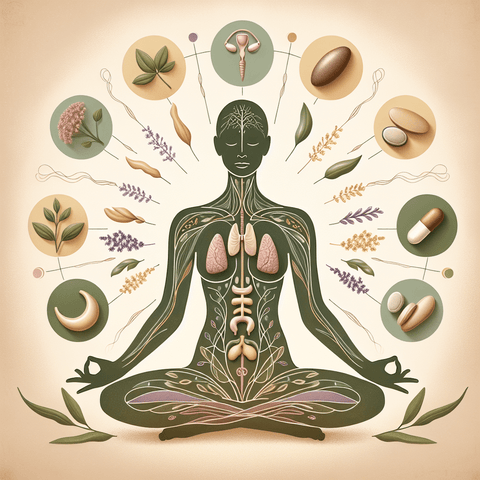
Natuurlijke hormoonondersteuning beschrijft een kader voor het behouden van hormonale balans en duurzame vitaliteit door niet-farmacologische benaderingen. Deze pagina biedt door wetenschap onderbouwde tips die passen binnen een holistische visie op het endocriene systeem en het dagelijks leven. Het doel is om te onderzoeken hoe routinekeuzes en consistente praktijken kunnen aansluiten bij natuurlijke hormoonschommelingen en de algehele vitaliteit kunnen ondersteunen, zonder afhankelijk te zijn van interventies. Voeding is een centraal element van natuurlijke hormoonondersteuning. Onderzoek op dit gebied kijkt naar voedingspatronen en nutrient timing, en hoe de balans van macronutriënten verband houdt met hormonale regulatie en metabolisch evenwicht. Discussies richten zich op hoe consistentie, patroonvorming en afstemming op circadiane signalen worden beschouwd binnen de context van natuurlijke hormoonondersteuning en dagelijks functioneren. Levensstijlaanpassingen vormen een andere pijler. Slaapkwaliteit, stressmanagement en regelmatige lichamelijke activiteit worden vaak onderzocht in wetenschappelijke bronnen over natuurlijke hormoonondersteuning. Praktisch worden nadruk gelegd op pacing, routines en omgevingen die stabiele dagelijkse patronen ondersteunen, allemaal binnen een veiligheid-gerichte aanpak van vitaliteit. Veilige strategieën voor natuurlijke hormoonondersteuning benadrukken individuele planning en professionele begeleiding. De inhoud legt de nadruk op evidence-based benaderingen, voorzichtigheid bij universele oplossingen en monitoring over tijd. Door educatie en veiligheid centraal te stellen, kunnen lezers strategieën verkennen die aansluiten bij hun fysiologie en levenscontext terwijl ze streven naar natuurlijke hormoonondersteuning.


Are There Supplements to Help Balance Hormones? - Topvitamine
Aug 29, 2025
Supplementen voor hormonale balans kunnen een aanvulling zijn op gezonde voeding en leefstijl, maar herstellen niet automatisch een hormonale aandoening. Magnesium, vitamine D, zink, selenium en omega 3 ondersteunen normale lichaamsfuncties wanneer ze passen bij je voedingspatroon. Kruiden zoals monnikspeper en ashwagandha hebben een andere werking en zijn niet voor iedereen geschikt. Lees ook wanneer onderzoek of overleg met een arts belangrijk is.
Natural Ways to Support Hormone Balance with Supplements | Topvitamine - Topvitamine
Aug 19, 2025
Supplementen voor hormoonbalans kunnen nuttig zijn wanneer ze een vastgesteld tekort aanvullen, maar er bestaat geen universeel beste keuze. In dit artikel lees je welke rol vitamine D, B-vitaminen, magnesium, zink, selenium, omega 3 en probiotica kunnen spelen. Ook bespreken we mogelijke signalen van hormonale klachten, productkeuze, leefstijl en belangrijke voorzorgsmaatregelen bij medicijngebruik, zwangerschap of aanhoudende klachten.

Are you looking for natural ways to support hormonal balance? This guide provides a practical overview of natural hormone support, a holistic approach to maintaining equilibrium within your endocrine system. Here, we explore the key pillars of hormonal wellness—including nutrition, lifestyle, and targeted supplements—offering a map to understand how these elements work together to promote vitality and overall well-being.

What is Natural Hormone Support?

Natural hormone support describes a framework for maintaining hormonal balance and sustainable vitality through non-pharmacological methods. It is based on the understanding that hormones are chemical messengers that influence countless bodily functions, from metabolism and mood to sleep and energy levels. This approach examines how daily choices—such as what you eat, how you manage stress, and how well you sleep—can align with your body's natural rhythms to support optimal function.

This is not about replacing medical treatments but about building a foundation of healthy habits that work in harmony with your physiology. By focusing on consistent, evidence-informed practices, you can create an environment where your endocrine system can thrive.

How Diet and Nutrition Influence Hormones

Nutrition is a central pillar of natural hormone support. The foods you consume provide the building blocks for hormone production and influence how these chemical messengers function. A balanced diet that includes adequate protein, healthy fats, and complex carbohydrates is often recommended to help manage blood sugar levels, which in turn can influence insulin and other metabolic hormones.

Key nutritional concepts in this area include:

  • Macronutrient balance, which refers to the proportion of proteins, fats, and carbohydrates in your diet and how this mix supports stable energy and hormonal regulation.
  • Nutrient timing, or the schedule of your meals, which can influence daily rhythms and metabolic responses.
  • Gut health, as a healthy digestive system is critical for nutrient absorption and the production of certain hormones.

Certain vitamins and minerals play specific roles in supporting metabolic and hormonal processes. For example, deficiency in some nutrients could potentially affect energy levels and overall well-being. You can explore general guides on important nutrients like vitamin D and magnesium to understand their broader roles in health.

Lifestyle Factors: Sleep, Stress, and Movement

Beyond diet, lifestyle choices are powerful tools for natural hormone support. These daily habits significantly impact the endocrine system and are often the first areas to address when seeking balance. Unlike diet, which may take time to show results, changes in sleep and stress can have relatively quick effects.

Commonly discussed lifestyle pillars include:

  • Sleep quality: Consistent, restorative sleep is vital for regulating cortisol, melatonin, and growth hormone. Aiming for 7-9 hours of quality sleep per night is a common recommendation.
  • Stress management: Chronic stress can lead to elevated cortisol levels, which can disrupt other hormones. Practices like mindfulness, meditation, deep breathing, and spending time in nature are often recommended to help manage stress.
  • Regular physical activity: Exercise helps improve insulin sensitivity, reduce stress, and boost mood. The key is finding a routine that is sustainable and enjoyable.

The focus here is on building consistent, sustainable routines that support your body's natural rhythms. It is less about intense, short-term interventions and more about creating a stable foundation for long-term wellness.

Supplements for Natural Hormone Support

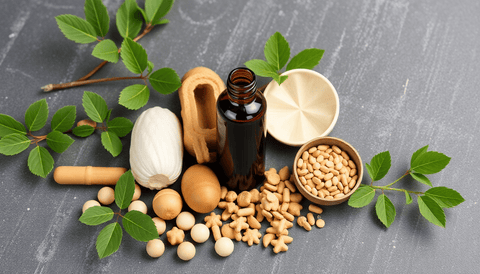
In addition to diet and lifestyle, certain natural supplements are often discussed for their potential to support hormonal balance. These should be viewed as part of a broader holistic strategy, not as standalone solutions. For instance, some people explore adaptogenic herbs like ashwagandha for stress and balance, or specific nutrients that are precursors to hormone production.

When considering supplements, it is helpful to understand the different categories available. You can learn more about the general landscape of herbal supplements to see how they fit into a traditional health approach. The goal is to make informed choices about what you put into your body, ensuring they align with your specific health context.

Important Considerations for Supplement Use

If you are considering supplements for hormone support, keep these points in mind:

  • Individualized planning: There is no one-size-fits-all supplement. What works for one person may not work for another. Your needs are unique to your physiology and lifestyle.
  • Professional guidance: Always consult with a healthcare professional before starting any new supplement, especially if you have underlying health conditions or are taking medication. This helps avoid potential interactions and ensures safe use.
  • Monitor and adjust: Pay attention to how your body responds over time. The effect of supplements is not always immediate, so monitoring changes and adjusting your approach with professional input is essential.

How Can I Balance My Hormones Naturally?

A common question is how to approach hormone balance naturally. The answer lies in the combination of the factors discussed above. It begins with a foundation of a balanced diet rich in whole foods, which supports stable blood sugar and provides necessary nutrients. From there, a consistent focus on quality sleep, stress reduction, and regular movement helps regulate the body's stress response and daily rhythms.

Sometimes, small, actionable steps can be the most effective starting point. For example, some people find that a specific beverage can support this process. While there is no magic drink, herbal teas, or warm water with lemon, are frequently cited as gentle, supportive choices that contribute to hydration and daily routines rather than offering a cure. The real key is a consistent, integrated approach.

Recognizing Signs of Hormonal Imbalance

Understanding what hormonal imbalance might look like is a crucial first step. While symptoms can vary widely, there are five common signs often associated with the issue. Being aware of these can help you have a more informed conversation with a healthcare provider.

  • Unexplained fatigue or persistent low energy.
  • Sleep disturbances, such as insomnia or poor sleep quality.
  • Mood swings, irritability, or increased anxiety.
  • Digestive issues like bloating or changes in bowel habits.
  • Changes in appetite or unexplained weight fluctuations.

If you frequently experience any of these signs, it is important not to self-diagnose. Instead, consider them conversation starters for a discussion with a healthcare professional who can provide a proper evaluation.

Natural vs. Medical Approaches to Hormonal Health

It is helpful to understand the distinction between natural approaches and medical treatments for hormonal issues. Natural hormone support is a proactive, preventative strategy focused on optimizing bodily functions through diet, lifestyle, and safe supplements. It is about creating a supportive environment for your endocrine system to work well.

Medical treatments, in contrast, are typically used to address diagnosed conditions, such as thyroid disorders or menopause, and may involve prescription medications or hormone replacement therapy. These are often necessary and effective. Natural approaches are not a replacement for medical care but can complement it. The best path often involves integrating both, under the supervision of healthcare providers who can tailor them to your specific situation.

Exploring the Topic Further

This guide provides a broad map of natural hormone support, covering the key concepts of nutrition, lifestyle, and supplementation. The topic is deep, with many specific areas to explore based on your unique needs, such as female-specific hormonal balance across different life stages. Remember that true hormonal wellness is a journey of consistent, informed choices. By building a foundation of healthy habits, you can take meaningful steps toward supporting your body's natural balance and overall vitality.

Always listen to your body and work with a qualified healthcare professional to develop a plan that is safe and effective for you.