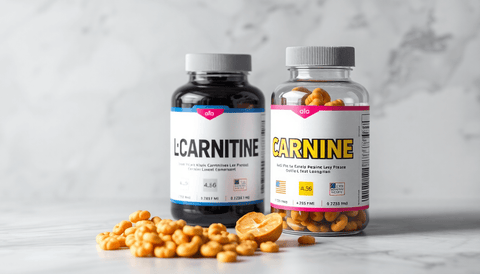
Ontdek natuurlijke bronnen van L-carnitine en hoe ze voorkomen in alledaagse voedingsmiddelen. Deze pagina richt zich op natuurlijke bronnen van L-carnitine die je kunt vinden in gebruikelijke items zoals rundvlees en zuivel, en biedt een eenvoudige gids over de voedingsmiddelen, gebruikelijke porties en smakelijke ideeën om maaltijden rondom te plannen. Je vindt neutrale, praktische details die je helpen nadenken over hoe deze voedingsmiddelen passen in dagelijkse menu’s. Top natuurlijke bronnen van L-carnitine zijn onder andere rundvlees en andere dierlijke producten zoals varkensvlees en bepaalde zuivelproducten. De term natuurlijke bronnen van L-carnitine wordt gebruikt om voedingsmiddelen te beschrijven die vaak worden genoemd als voorbeelden uit het dagelijks leven. Hoewel de hoeveelheden kunnen variëren afhankelijk van het stuk vlees en het product, worden deze items breed genoemd als standaardvoorbeelden in discussies over natuurlijke bronnen van L-carnitine. Portiegidsen voor het plannen van maaltijden omvatten typische portiegroottes: ongeveer 85 gram (3 ounces) gekookt rundvlees, een kopje (240 ml) melk, of ongeveer 28 gram (1 ounce) kaas. Yoghurt en andere zuivelproducten kunnen ook in standaardporties worden opgenomen. Deze referenties zijn bedoeld voor algemeen maaltijdplanner en bieden een neutraal kader om na te denken over porties. Smakelijke ideeën om natuurlijke bronnen van L-carnitine toe te voegen, zijn eenvoudige gerechten die deze voedingsmiddelen bevatten. Bijvoorbeeld, een roerbak met rundvlees en groenten, een ontbijtkom met yoghurt en fruit, of een wrap met kaas. Deze ideeën benadrukken eenvoudige bereiding en vertrouwde smaken voor dagelijks gebruik.
Natuurlijke L-Carnitine-bronnen: Topvoedingsmiddelen die energie stimuleren
L-carnitine is a naturally occurring compound that plays a key role in energy production by helping transport fatty acids into the mitochondria, where they are oxidized for fuel. While the body can synthesize it, dietary intake from natural food sources helps maintain optimal levels. This guide provides a broad overview of natural L-carnitine sources, explains why they matter, and offers practical considerations for those interested in diet planning or supplements.
What Is L-Carnitine and Why Does It Matter?
L-carnitine is a compound derived from amino acids, primarily lysine and methionine. It functions as a shuttle, helping transport long-chain fatty acids into the mitochondria, where they are oxidized for energy production. This process is fundamental to cellular energy metabolism, making L-carnitine important for tissues that rely heavily on fat as a fuel source, such as skeletal muscles and the heart.
Although the body produces L-carnitine under normal conditions, dietary intake from food sources is considered beneficial for maintaining overall carnitine status, particularly for certain populations. For most people, a balanced diet containing animal products provides an adequate supply, while vegetarians, vegans, and certain individuals with higher requirements may need to pay closer attention to their intake.
Top Natural Food Sources of L-Carnitine
The richest natural sources of L-carnitine are animal-based foods. Red meat, particularly beef, is widely cited as the most concentrated source. Other animal products, such as poultry, fish, and dairy, also contribute to dietary intake, though at lower levels. Plant-based foods generally contain negligible amounts, making animal products the primary dietary sources for this compound.
Common Sources and Typical Portions
The amount of L-carnitine in food varies based on factors like animal breed, diet, and cut of meat. Standard examples cited in nutritional discussions include:
- Beef: Often considered the richest source. A typical cooked portion of about 85 grams (3 ounces) can provide a significant amount of L-carnitine.
- Pork: Another good source, though generally less concentrated than beef.
- Fish: Provides a moderate amount, with variation across species.
- Poultry: Contains L-carnitine, but in lower amounts compared to red meat.
- Dairy products: Milk, cheese, and yogurt are commonly cited as sources, with typical portions like one cup (240 ml) of milk or 28 grams (1 ounce) of cheese.
Incorporating These Foods into a Balanced Diet
Planning meals with natural L-carnitine sources can be straightforward. Simple dishes featuring these ingredients provide a practical way to include them regularly. For example, a beef and vegetable skillet, a yogurt-based breakfast bowl with fruit, or a cheese-topped wrap can be part of everyday meals without complicated preparation. Balancing these choices with other nutrient-dense foods supports overall dietary quality. For more information on building a balanced diet, you may find our amino acids supplements guide helpful.
L-Carnitine Supplements: Overview and Considerations
Beyond dietary sources, L-carnitine is also available as a dietary supplement, often in forms such as L-carnitine tartrate, acetyl-L-carnitine, or propionyl-L-carnitine. These supplements are typically marketed to support exercise performance, recovery, and energy metabolism, though individual responses can vary. Understanding the difference between obtaining nutrients from food versus supplements is important for making informed choices. For those exploring sports nutrition, our sports supplements guide offers a broader perspective.
If you are considering an L-carnitine supplement, choosing a product from a reputable brand and understanding the ingredient profile is essential. Exploring natural supplement collections can provide insights into quality considerations and manufacturing practices.
Safety, Dosage, and Daily Use
L-carnitine is generally considered safe for most people when consumed in amounts typically found in foods or in supplement form at recommended dosages. However, high doses might cause mild side effects, such as gastrointestinal discomfort or a fishy body odor.
Taking L-carnitine daily is generally viewed as safe for most healthy adults when used appropriately, but there is no single universal dosage recommendation, as needs can vary based on age, health status, and individual goals. It is always advisable to follow label instructions and consult a healthcare professional before starting any new supplement, especially for individuals with underlying health conditions, those who are pregnant, nursing, or taking medications.
It is also worth clarifying common points of confusion. For example, L-carnitine is not the same as creatine, though both are popular among fitness enthusiasts; they serve different functions in the body. While L-carnitine is involved in fat metabolism, creatine helps regenerate ATP during high-intensity exercise.
Who Might Benefit from Paying Attention to L-Carnitine?
While most people obtain sufficient L-carnitine through a balanced diet, certain groups may have greater interest in ensuring adequate intake. Athletes or those with high training loads sometimes explore dietary sources or supplements to support recovery. Older adults, individuals following vegetarian or vegan diets, and those with certain medical conditions may also have lower carnitine status, making it relevant to consider food choices or discuss supplementation with a healthcare provider.
Exploring the Topic Further
This page offers a broad overview of natural L-carnitine sources and key considerations. For more detailed information on specific aspects, such as exact amounts in particular foods, detailed supplement comparisons, or in-depth safety discussions, exploring related blog articles can provide more specialized insights. Questions like “What food is highest in L-carnitine?” or “Is L-carnitine just creatine?” are addressed in further depth elsewhere, allowing this page to serve as a starting point for understanding the topic.