Top Natuurlijke Vitamine C-bronnen om de Immuniteit te Versterken


Natuurlijke vitamine C-bronnen komen voort uit een breed scala aan alledaagse voedingsmiddelen. Deze pagina benadrukt natuurlijke vitamine C-bronnen en helpt je te herkennen welke items doorgaans aanzienlijke hoeveelheden bevatten. Je zult zien hoe verschillende smaken en texturen passen in eenvoudige, smakelijke keuzes voor dagelijkse maaltijden en snacks. Door je te richten op natuurlijke vitamine C-bronnen kun je routines afwisselen terwijl je het simpel houdt. Veelvoorkomende natuurlijke vitamine C-bronnen zijn onder andere citrusvruchten zoals sinaasappels en grapefruits, bessen zoals aardbeien, kiwivruchten, rode paprika’s, broccoli en guave. Sommige voedingsmiddelen staan bekend om hun hogere gehalte, waarbij rode paprika’s en guave vaak worden genoemd als topkeuzes, terwijl bladgroenten en tomaten ook bijdragen. De inhoud varieert afhankelijk van de soort, rijpheid en seizoen, waardoor het aanbod in de loop van het jaar kan veranderen. Om de bruikbaarheid van natuurlijke vitamine C-bronnen in je menu te maximaliseren, houd je de bereiding eenvoudig: wassen en snijden van fruit vlak voor het eten, en vers of licht gekookte opties verkiezen boven lange opslag of zware verwerking. Licht stomen, snelle roerbakken of het rauw eten van items zijn gangbare aanpakken die helpen de vitamine C-inhoud in voedingsmiddelen te behouden. Het combineren van verschillende bronnen gedurende de maaltijden voegt variatie toe aan eenvoudige, smakelijke keuzes. Verken deze natuurlijke vitamine C-bronnen in alledaagse maaltijden en snacks, van heldere fruitsalades tot knapperige groenteschotels. De sleutel is om een mix van opties te kiezen, zodat je dagen kleurrijk en vol van smaak blijven, terwijl de focus op natuurlijke vitamine C-bronnen blijft.


What is the best vitamin C supplement? - Topvitamine
Jan 09, 2026
Het beste vitamine C supplement hangt af van je doel, dosering, maaggevoeligheid en voorkeur voor capsules, poeder of vloeistof. Ascorbinezuur is een eenvoudige en betaalbare vorm; gebufferde vitamine C kan milder zijn voor de maag. Liposomale varianten zijn populair, maar niet automatisch voor iedereen beter. Lees hoe vitamine C bijdraagt aan normale lichaamsfuncties, welke voedingsmiddelen rijk zijn aan antioxidanten en waarop je let bij aankoop.
Where is the most vitamin C found? - Topvitamine
Dec 14, 2025
Voedingsmiddelen met veel vitamine C zijn onder andere paprika, kiwi, citrusfruit, aardbeien, broccoli en spruitjes. Sommige minder bekende vruchten, zoals acerola en Kakadu-pruim, bevatten per 100 gram nog meer, maar zijn niet overal verkrijgbaar. Lees welke bronnen praktisch zijn, hoe je vitamine C het best bewaart en waar je op let bij een supplement.
What is the best vitamin C to take daily? - Topvitamine
Nov 03, 2025
De beste vitamine C voor dagelijks gebruik hangt af van je voeding, gewenste dosering en maaggevoeligheid. Ascorbinezuur is een eenvoudige en goed onderzochte keuze; liposomale en gebufferde vormen kunnen passen bij specifieke voorkeuren of tolerantie. In dit artikel lees je over vitamine C uit voeding, opname, dosering, mogelijke bijwerkingen en antwoorden op veelgestelde vragen.
What is the best form of vitamin C to take? - Topvitamine
Nov 03, 2025
De beste vorm van vitamine C hangt af van uw doel, maaggevoeligheid, voorkeur en budget. Ascorbinezuur is effectief en betaalbaar, terwijl gebufferde vitamine C vaak milder is voor de maag. Liposomale vitamine C kan aantrekkelijk zijn voor wie een andere formulering zoekt, maar is niet voor iedereen noodzakelijk. Ontdek ook waarom groenten en fruit de basis vormen en waar u op let bij het kiezen van een supplement.
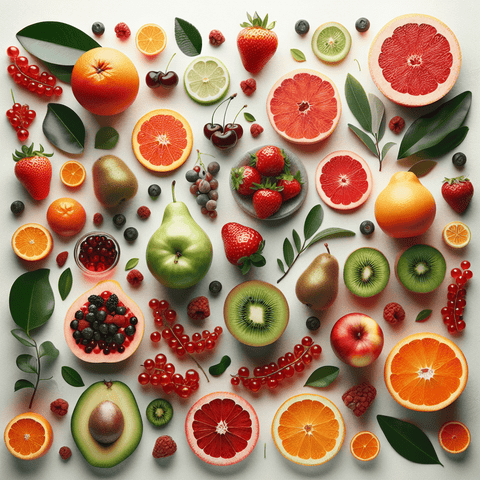
What is the fruit richest in vitamin C? - Topvitamine
Nov 01, 2025
De vrucht met de meeste vitamine C hangt af van de gebruikte voedingsdatabank en de vorm waarin de vrucht wordt gemeten. Kakadupruim, camu camu en acerola behoren tot de rijkste bronnen, terwijl guave, zwarte bes, kiwi en citrusvruchten praktischer verkrijgbaar zijn. Lees welke vruchten veel vitamine C leveren, wat antioxidanten zijn en wanneer een supplement zinvol kan zijn.
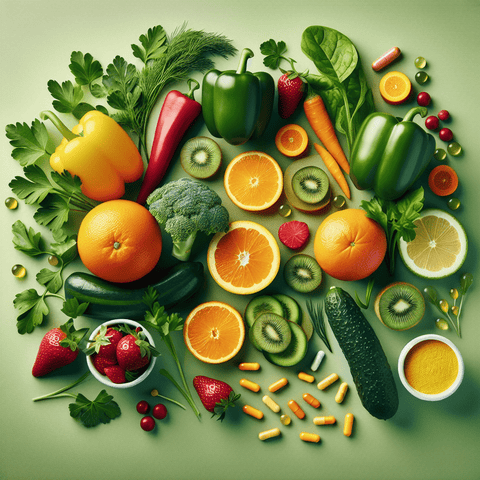
Where is the most vitamin C found? - Topvitamine
Oct 27, 2025
Waar zit veel vitamine C in? Vooral rode paprika, kiwi, zwarte bessen, guave, broccoli en spruitjes leveren veel vitamine C. In dit artikel lees je hoeveel vitamine C voedingsmiddelen ongeveer bevatten, hoe je verlies door bereiding beperkt en wat vitamine C in je lichaam doet. Ook bespreken we signalen van een mogelijk tekort, dagelijks supplementgebruik en belangrijke aandachtspunten bij hogere doseringen.

Natural vitamin C sources are found in a wide variety of everyday foods, from familiar citrus fruits to colorful vegetables. Whether you want to add more vitamin C–rich foods to your meals or simply understand which options typically carry notable amounts, this page offers a broad overview of the topic. Below you will find the main food categories, practical preparation considerations, and context on factors that may influence vitamin C intake — with more specific questions explored in the individual articles listed under this tag.

What Are Natural Vitamin C Sources?

Vitamin C is a nutrient that occurs naturally in many plant-based foods. Unlike some nutrients found mainly in animal products, vitamin C is strongly associated with fruits and vegetables, which is why dietary guidance often emphasizes eating a colorful mix of produce. Natural sources are generally understood to mean whole foods that contain the nutrient as part of their natural composition, rather than fortified or synthesized products.

Foods vary in how much vitamin C they typically contain. Content depends on factors such as the specific variety, ripeness, growing conditions, and season, so the same food can differ from one purchase to the next. This variability is one reason many dietary approaches recommend variety rather than relying on a single food.

Foods Naturally High in Vitamin C

A broad range of everyday foods is associated with vitamin C. The most commonly cited categories include:

  • Citrus fruits, such as oranges and grapefruits.
  • Berries, including strawberries.
  • Kiwifruit.
  • Red bell peppers, often cited among the richest options.
  • Guava, another food frequently mentioned for higher levels.
  • Cruciferous vegetables such as broccoli.
  • Leafy greens and tomatoes, which contribute smaller amounts.

Among fruits, citrus fruits, kiwifruit, and strawberries are often highlighted in general discussions of vitamin C–rich options, while red peppers and guava are frequently noted as standout choices overall. Leafy greens and tomatoes round out the picture as contributing sources that add variety across meals.

How Preparation May Affect Vitamin C in Foods

How you handle and prepare vitamin C–containing foods can influence how much of the nutrient remains by the time you eat them. Vitamin C is generally considered sensitive to heat, light, and prolonged storage, which is why simple, gentle preparation is often recommended.

Practical approaches commonly suggested include:

  • Washing and slicing fruits and vegetables right before eating, rather than well in advance.
  • Choosing fresh or lightly cooked options over long storage or heavy processing.
  • Using light steaming, quick sautés, or eating items raw where appropriate.

Pairing different sources across meals adds variety to simple, tasty picks. From bright fruit salads to crisp veggie plates, mixing options keeps your days colorful and flavorful while spreading your intake across the menu.

Factors That May Influence Vitamin C Intake

Beyond food choice, several broad factors are often discussed in connection with vitamin C. Storage time and cooking duration are among the most commonly mentioned, since extended heat exposure or lengthy storage is associated with declines in vitamin C content in foods. Freshness therefore tends to matter: produce eaten soon after purchase is generally considered a better bet than items kept for long periods.

Some lifestyle and dietary factors are also raised in general discussions about what may affect vitamin C levels and absorption. These questions can be nuanced and individual, and specific circumstances — such as particular dietary patterns or personal health considerations — are best discussed with a qualified professional. This page deliberately stays at the broad, educational level; the associated articles under this tag explore more specific questions in depth.

Vitamin C–Rich Foods and Supplements

For most people, a varied diet that includes fruits and vegetables is the usual starting point for vitamin C. Supplements are also widely available and are sometimes considered alongside dietary sources, depending on individual preferences and needs. If you are curious about the wider context of this nutrient, you can explore our vitamin C collection for related information and options. Any decision about supplements is best made with awareness of your own situation and, where relevant, professional guidance.

Exploring the Topic Further

This tag page is designed as a broad starting point for understanding natural vitamin C sources: what the main food categories are, how preparation habits may matter, and which broader factors are commonly discussed. The individual articles listed under this tag go deeper into specific questions — from particular foods to preparation methods and related nutritional topics.

If you are interested in related areas of nutrition, you may also find our superfoods guide and our antioxidants collection useful as complementary reading. Together, these resources help place vitamin C–rich foods within the bigger picture of a varied, balanced approach to eating.