Omega-3 Vetzuren: Ontdek de Voordelen voor Hart, Brein en Gezondheid


Omega-3 vetzuren vormen een klasse van meervoudig onverzadigde vetten die onderzoekers bestuderen vanwege hun kenmerkende structuur en rol in voedingsgerelateerd onderzoek. Deze pagina onderzoekt omega-3 vetzuren, inclusief hoe wetenschappers ze categoriseren en hoe onderzoekers hun aanwezigheid in voedingsmiddelen, supplementen en biomarkers meten. Je vindt een overzicht van de belangrijkste bronnen, praktische dagelijkse tips voor het omgaan met omega-3 vetzuren in een routine, en door wetenschap onderbouwde inzichten die lezers helpen onderzoeksresultaten te interpreteren. De inhoud blijft gericht op de eigenschappen van omega-3 vetzuren en de manier waarop bewijs wordt verzameld, zonder specifieke gezondheidsuitkomsten te stellen. De topbronnen van omega-3 vetzuren worden meestal ingedeeld in twee grote groepen: maritiem een afleiding en plantaardig. Wat betreft vetzuurvormen zijn maritieme omega-3 vetzuren rijk aan EPA en DHA, terwijl plantaardige opties doorgaans hoger zijn in ALA, waarbij de omzetting naar EPA en DHA varieert tussen individuen. Het onderscheiden van deze vormen helpt bij het bespreken van innamepatronen en hoe omega-3 vetzuren voorkomen in voedingsstoffen en biosynthese. De nadruk ligt hier op het begrijpen van de brontypes als onderdeel van de bredere studie van omega-3 vetzuren. Dagelijkse tips voor de meeste lezers omvatten: controleer voedingsetiketten om te zien welke omega-3 vetzuren vermeld staan en in welke hoeveelheden; zoek variatie in bron types om verschillende vormen van omega-3 vetzuren te dekken; houd een eenvoudige registratie bij van porties en vormen om de blootstelling in de tijd te volgen; en overweeg duurzaamheid en etikettering bij het kiezen van producten. Deze tips zijn bedoeld om geïnformeerde planning rondom omega-3 vetzuren te ondersteunen, zonder resultaten voor te schrijven, en moedigen nieuwsgierigheid aan over hoe bronnen gerelateerd zijn aan innamepatronen. Wetenschappelijk onderbouwde inzichten over omega-3 vetzuren komen voort uit verschillende onderzoeksopzetten, zoals gerandomiseerde trials, cohortstudies en systematische reviews. Zo'n werk belicht hoe onderzoekers biomarkers, inname en mogelijke verbanden beoordelen, terwijl ook beperkingen worden genoemd zoals meetvariabiliteit en verschillen in studiepopulaties. Door deze methoden en gangbare interpretaties te presenteren, nodigt deze pagina lezers uit om claims over omega-3 vetzuren kritisch te evalueren en het huidige wetenschappelijke landschap te begrijpen.


Which food is rich in omega-3? - Topvitamine
Oct 29, 2025
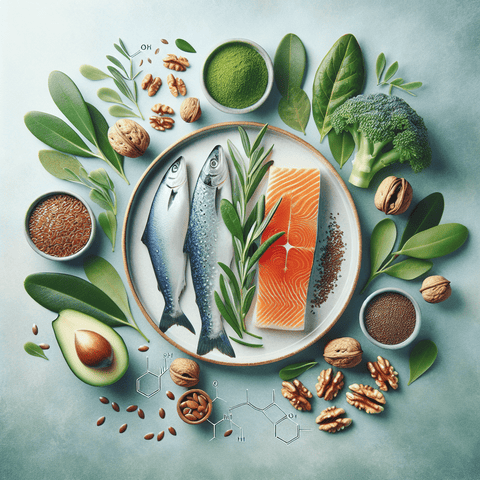
Voeding rijk aan omega-3 bestaat onder meer uit vette vis, zoals zalm, sardines, haring en makreel, maar ook uit lijnzaad, chiazaad, walnoten en bepaalde oliën. Vette vis levert direct EPA en DHA; plantaardige producten leveren vooral ALA. In dit artikel lees je welke bronnen het meest praktisch zijn, of twee eieren voldoende zijn en wanneer algenolie of een ander omega-3-supplement kan passen.
The Surprising Benefits of Omega-3 Supplements for Everyday Wellness - Topvitamine
Aug 25, 2025
Omega-3-supplementen leveren vooral EPA en DHA, vetzuren die betrokken zijn bij onder meer de werking van hersenen, ogen en hart. Ze zijn geen wondermiddel en vervangen geen behandeling, maar kunnen nuttig zijn wanneer u weinig vette vis eet. Dit artikel bespreekt de mogelijke voordelen, het verschil tussen EPA en DHA, voedingsbronnen, keuzecriteria en belangrijke veiligheids aandachtspunten.
Can Supplements Help with Balancing Cholesterol Levels? An In-Depth Guide - Topvitamine
Aug 24, 2025
Supplementen voor cholesterol kunnen in sommige situaties een ondersteunende rol spelen, maar vervangen geen gezonde leefstijl of voorgeschreven behandeling. Plantensterolen kunnen LDL-cholesterol helpen verlagen, terwijl omega 3 vooral relevant is voor triglyceriden. Vitamine D, magnesium en niacine hebben andere aandachtspunten en zijn niet voor iedereen geschikt. Lees hoe u supplementen verstandig beoordeelt en wat u kunt verwachten zonder onrealistische beloftes.
Minami Ultra-Pure DHA/EPA: Best Omega-3 for Brain and Heart Health | Topvitamine - Topvitamine
Jul 05, 2025
DHA en EPA zijn belangrijke omega 3-vetzuren, maar ze hebben niet precies dezelfde rol. In deze gids lees je wat het verschil is, welke voedingsmiddelen DHA en EPA leveren en wanneer een supplement zoals Minami Ultra-Pure DHA/EPA kan passen. Ook bespreken we dagelijkse inname, zwangerschap, mogelijke interacties en praktische criteria om een omega 3-supplement zorgvuldig te kiezen.
Why Omega-3 Fish Oil Is a Must-Have Supplement in Your Routine | Topvitamine - Topvitamine
Jul 04, 2025
Omega 3 visolie levert de vetzuren EPA en DHA, die betrokken zijn bij onder meer de normale werking van het hart en de hersenen. In dit artikel lees je welke voedingsmiddelen de beste bronnen zijn, wanneer algenolie een alternatief kan zijn en waarop je let bij een supplement. Ook bespreken we dosering, mogelijke bijwerkingen, signalen die niet automatisch op een tekort wijzen en de vraag waarom visolie soms minder wordt aanbevolen.

Omega-3 fatty acids are a family of polyunsaturated fats that are essential for maintaining normal body functions. They are considered "essential" because the body cannot produce them on its own, meaning they must be obtained through diet or supplementation. This page serves as your comprehensive introduction to omega-3s, exploring the different types, their main food sources, and key considerations for incorporating them into your wellness routine.

What Are Omega-3 Fatty Acids?

Omega-3s are a class of polyunsaturated fats that play a variety of roles in the body. The three most important types are Alpha-linolenic acid (ALA), Eicosapentaenoic acid (EPA), and Docosahexaenoic acid (DHA). ALA is primarily found in plant sources like flaxseeds and walnuts, while EPA and DHA are most commonly found in fatty fish and algae. These distinct types of omega-3s form the foundation of many nutritional discussions and are the focus of a wide range of research.

This tag page provides a broad overview to help you understand the basics of omega-3s. For more specific information on certain aspects, you can explore our dedicated blog articles below. You may also find it helpful to explore our range of DHA & EPA omega-3 supplements if you are considering a supplement.

What are Omega-3 Fatty Acids?

Omega-3 fatty acids are a type of polyunsaturated fat, a group of nutrients that are important for various bodily processes. Because the body cannot efficiently produce them on its own, they are considered essential fats that must be obtained through diet. The three main types of omega-3s are ALA (alpha-linolenic acid), EPA (eicosapentaenoic acid), and DHA (docosahexaenoic acid). Each type plays a distinct role, and a balanced approach considers incorporating all three from different dietary sources.

This page acts as an information hub. Here, you will find a broad overview of omega-3s, including their different formsholistic functions, dietary sources like fish, flaxseeds, and walnuts, and general wellness considerations. Navigate through this guide to build your foundational understanding before moving on to the detailed articles within our blog about this essential fat.

Key Dietary Sources of Omega-3s

Omega-3s can be found in a variety of foods. Fatty fish such as salmon, mackerel, and sardines are among the most well-known sources of EPA and DHA. For those following a plant-based or vegetarian diet, alpha-linolenic acid (ALA) is found in foods like flaxseeds, chia seeds, and walnuts. While the body can convert ALA into EPA and DHA, the process is not very efficient, so it is often recommended to include a variety of omega-3 sources in your diet.

For those who don't consume fish regularly, direct sources of EPA and DHA, like fish oil or algae-based supplements, can be a convenient way to support your dietary needs. It's important to consult with a healthcare provider before starting any new supplement regimen to determine what is appropriate for your individual health profile.

Exploring Different Types of Omega-3s

The three main types of omega-3s are ALA (alpha-linolenic acid), EPA (eicosapentaenoic acid), and DHA (docosahexaenoic acid). ALA is predominantly found in plant sources like flaxseeds, chia seeds, and walnuts. EPA and DHA are primarily found in marine sources such as fatty fish and algae. Our bodies can convert some ALA into EPA and DHA, but this process is inefficient. Therefore, many people look to their diet and supplements to ensure they get enough EPA and DHA.

Because each type of omega-3 plays a different role, dietary guidelines often recommend eating a variety of foods rich in these fats. For many, incorporating supplements is a practical way to help meet recommended intake levels. When choosing a supplement, quality and purity are important factors to understand.

Why Omega-3s are Important

Omega-3 fatty acids are important for many aspects of wellness, most notably for supporting heart and brain health. They are a key area of interest in nutritional science, and their potential influence on health is widely studied. This makes them a popular topic for anyone interested in proactive wellness and maintaining a balanced diet.

Researchers continue to investigate the role of omega-3s in supporting cardiovascular and cognitive health. Many of our natural health supplements focus on these areas. However, it's important to remember that supplements are meant to complement, not replace, a healthy diet.

Dietary Sources and Supplement Types

While fatty fish like salmon, mackerel, and sardines are well-known for their omega-3 content, plant-based sources such as flaxseeds, chia seeds, and walnuts provide primarily ALA. Fish oil supplements are one of the most common ways to get EPA and DHA, but there are also options like algae-based supplements for those who prefer not to consume fish.

The choice of a high-quality supplement is a personal one. If you are considering incorporating an omega-3 supplement into your wellness routine, you can explore our selection of DHA and EPA omega-3 supplements available through Topvitamine. It is always best to consult with a healthcare provider to determine what is right for you.