
{"" :""}
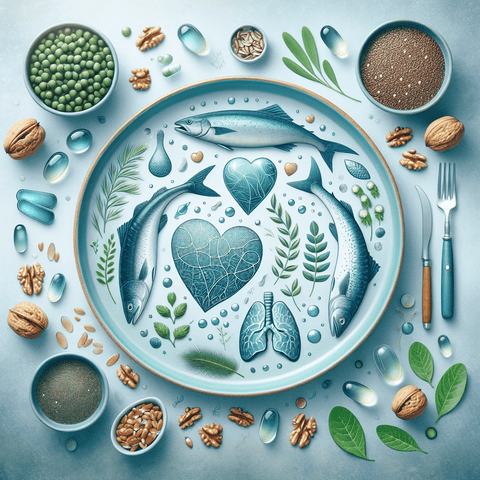
Omega-3 gezondheidsvoordelen: verbeter de gezondheid van hart en hersenen met dagelijkse Omega-3

Nov 19, 2025
Heb ik omega-3 nodig? Dat hangt vooral af van je voedingspatroon, met name van de hoeveelheid vette vis die je eet. Ontdek het verschil tussen ALA, EPA en DHA, welke voedingsmiddelen de beste bronnen zijn en waarom klachten geen betrouwbaar bewijs voor een tekort vormen. Ook bespreken we algenolie, visolie, supplementkeuze, algemene innamerichtlijnen en belangrijke voorzorgsmaatregelen.
Oct 16, 2025
Of het verstandig is om omega-3 te nemen, hangt vooral af van je voeding, gezondheid en het gekozen supplement. Vette vis levert EPA en DHA, terwijl plantaardige bronnen vooral ALA bevatten. Een supplement kan praktisch zijn als je weinig of geen vis eet, maar is niet voor iedereen nodig. Lees over mogelijke voordelen, omega-3 voor droge ogen, dagelijkse inname, dosering, bijwerkingen en belangrijke voorzorgsmaatregelen.
{
"content": "
Omega-3 vetzuren behoren tot de best onderzochte nutriënten in de voedingswetenschap, toch weten veel mensen niet precies wat ze doen, welke voeding ze levert en of een supplement de moeite waard is. Deze gids legt de gezondheidsvoordelen van omega 3 uit die door bewijs worden ondersteund, hoe EPA, DHA en ALA verschillen, welke voeding ze levert, en hoe individuele behoeften variëren met dieet, leeftijd en leefstijl. Ook komt de praktische keuze van supplementen aan bod — inclusief vormen, etiketten, zuiverheid en veiligheid — zodat u een geïnformeerde beslissing kunt nemen in plaats van te vertrouwen op marketingclaims. Het doel is niet u ervan te overtuigen dat iedereen een capsule nodig heeft, maar u te helpen begrijpen wanneer voeding voldoende is en wanneer suppletie redelijkerwijs bespreekbaar is met een zorgprofessional.
\n\n
Wat zijn omega-3 vetzuren en waarom zijn ze belangrijk?
\n\n
Omega-3 vetzuren zijn een familie van meervoudig onverzadigde vetten die worden gekenmerkt door een dubbele binding op het derde koolstofatoom vanaf het methyluiteinde van de keten. Ze zijn structurele componenten van celmembranen en voorlopers van signaalmoleculen die betrokken zijn bij ontsteking, bloedvatfunctie en genexpressie. Omdat deze vetten de membraanvloeibaarheid beïnvloeden, zijn ze belangrijk voor cellen in het hele lichaam, maar in het bijzonder voor weefsels met een hoog vetgehalte zoals de hersenen en het netvlies.
\n\n
De drie belangrijkste typen: EPA, DHA en ALA
\n\n
Alfa-linoleenzuur (ALA) is een essentieel, plantaardig omega-3 dat voorkomt in lijnzaad, chiazaad, walnoten en bepaalde oliën. Eicosapentaeenzuur (EPA) en docosahexaeenzuur (DHA) zijn langeketen omega-3 vetzuren die voornamelijk voorkomen in vette vis, zeevruchten en algen. Het lichaam kan ALA omzetten in EPA en DHA, maar de omzetting is beperkt — naar schatting doorgaans in de orde van enkele procenten tot laag dubbele cijfers voor EPA en aanzienlijk lager voor DHA. Daarom benadrukken voedingsadviezen over het algemeen directe bronnen van EPA en DHA in plaats van alleen te vertrouwen op plantaardig ALA.
\n\n
Waarom uw lichaam essentiële omega-3 vetzuren niet zelf kan aanmaken
\n\n
Mensen missen de enzymen die nodig zijn om een dubbele binding op de omega-3 positie in te voeren, dus ALA moet uit voeding komen. EPA en DHA kunnen endogeen uit ALA worden gesynthetiseerd, maar de route is inefficiënt en wordt beïnvloed door genetica, geslacht, leeftijd en samenstelling van de voeding. In de praktijk betekent dit dat de omega-3 status sterk afhangt van wat u eet — een punt dat relevant wordt bij de bespreking van onvoldoende inname en suppletie.
\n\n
Wat zijn de bewezen gezondheidsvoordelen van omega 3?
\n\n
\\\"Bewezen\\\" is een sterk woord in de voeding. Het bewijs voor omega 3 varieert van algemeen erkende fysiologische rollen tot veelbelovende maar gemengde klinische bevindingen. De duidelijkste voordelen hebben betrekking op cardiovasculaire risicomarkers, membraanfunctie en ondersteuning van de normale ontwikkeling, terwijl andere gebieden nog actief worden onderzocht.
\n\n
Hoe omega 3 de hartgezondheid en cardiovasculaire functie ondersteunt
\n\n
EPA en DHA zijn in verband gebracht met verlaagde triglyceriden, bescheiden effecten op de bloeddruk en ondersteuning van een normaal hartritme. Toezichthouders zoals EFSA staan claims toe dat EPA en DHA bijdragen aan een normale hartfunctie bij een inname van ongeveer 250 mg per dag. Grote onderzoeken naar omega-3 suppletie hebben gemengde resultaten opgeleverd voor harde cardiovasculaire eindpunten, wat suggereert dat de voordelen het meest consistent zijn in specifieke contexten — bijvoorbeeld bij mensen met verhoogde triglyceriden of een lage baseline omega-3-inname — eerder dan als een universele preventieve maatregel.
\n\n
De rol van DHA bij hersen gezondheid en cognitieve prestaties
\n\n
DHA is het overheersende omega-3 in de hersenen en het netvlies en is geconcentreerd in neuronale membranen, waar het de membraanvloeibaarheid en signaaloverdracht beïnvloedt. Voldoende DHA wordt als belangrijk beschouwd voor de normale hersenontwikkeling bij zuigelingen en voor het behoud van een normale hersenfunctie gedurende het hele leven. Het bewijs voor cognitieve voordelen van suppletie bij gezonde ouderen is gemengd; effecten lijken plausibeler bij mensen met een lage baseline inname of specifieke risicoprofielen dan als een algemene cognitieve versterker.
\n\n
Hoe omega 3 ontstekingen in het lichaam helpt reguleren
\n\n
EPA en DHA zijn voorlopers van gespecialiseerde pro-resolverende mediatoren die ontstekingsreacties helpen oplossen. Dit is een normale fysiologische rol, geen behandeling voor ontstekingsziekten. De inname van omega 3 via voeding is in verband gebracht met lagere niveaus van sommige ontstekingsmarkers, en een meer gebalanceerde verhouding tussen omega-6- en omega-3-vetten wordt over het algemeen als gunstig beschouwd. Deze effecten zijn bescheiden en moeten worden begrepen als nutritionele ondersteuning voor een normale immuun- en ontstekingsregulatie.
\n\n
Aanvullende voordelen: zicht, gewrichtsgezondheid en ondersteuning tijdens de zwangerschap
\n\n
DHA is een structureel onderdeel van het netvlies en ondersteunt een normale visuele ontwikkeling. Tijdens de zwangerschap draagt DHA bij aan de normale hersen- en oogontwikkeling van de foetus, en officiële richtlijnen in verschillende landen adviseren zwangere vrouwen om te streven naar een voldoende inname of suppletie te overwegen onder professioneel advies. Er zijn aanwijzingen dat omega 3 het gewrichtscomfort in bepaalde populaties kan ondersteunen, hoewel de bevindingen niet uniform zijn en niet mogen worden geïnterpreteerd als behandeling van een ziekte.
\n\n
Tekenen dat u mogelijk niet genoeg omega 3 binnenkrijgt
\n\n
Veelvoorkomende symptomen van onvoldoende omega 3 inname
\n\n
Een lage omega 3 inname veroorzaakt bij volwassenen geen kenmerkend klinisch syndroom. Niet-specifieke klachten zoals een droge huid, droge ogen, vermoeidheid of concentratieproblemen worden soms genoemd in consumentenliteratuur, maar ze hebben vele oorzaken en kunnen niet worden gebruikt om een lage omega 3 status vast te stellen. Dit is een belangrijk onderscheid: symptomen alleen zijn geen betrouwbare indicatoren voor de nutriënteninname.
\n\n
Het verschil tussen deficiëntie en suboptimale inname
\n\n
Een echte essentiële vetzuurdeficiëntie is zeldzaam en treedt doorgaans alleen op bij ernstige ondervoeding of langdurig onvoldoende vetinname. Suboptimale inname komt veel vaker voor: veel mensen eten weinig of geen vette vis en hebben een omega 3 inname onder de aanbevolen niveaus zonder duidelijke symptomen. Suboptimale inname is een observatie van de voedingsstatus, geen medische diagnose, en de gepaste reactie is meestal een verbetering van het dieet in plaats van paniek.
\n\n
Wie lopen het meeste risico op lage omega 3 niveaus?
\n\n
Voedingspatronen die de omega 3 inname beperken
\n\n
Mensen die zelden vette vis of zeevruchten eten, vormen de grootste groep met een lage EPA- en DHA-inname. Dit omvat veel vegetariërs en veganisten, mensen die geen vis lusten, personen met beperkte diëten en mensen met voedselallergieën. Vertrouwen op alleen plantaardig ALA kan een zekere omega 3 status handhaven, maar levert doorgaans lagere EPA- en DHA-niveaus op dan directe mariene bronnen.
\n\n
Leeftijd, absorptie en andere factoren
\n\n
Ouderen kunnen een lagere inname hebben door een verminderde eetlust of veranderde eetgewoonten, en spijsverteringsaandoeningen die de vetabsorptie beïnvloeden — zoals bepaalde maag-darmziekten of bariatrische chirurgie — kunnen de opname van voedingsvetten, waaronder omega 3, verminderen. Zwangerschap en borstvoeding verhogen de DHA-behoefte omdat de zich ontwikkelende zuigeling een beroep doet op de maternale reserves. Roken, een hoge alcoholinname en een over het algemeen slechte voedingskwaliteit worden ook in verband gebracht met minder gunstige vetzuurprofielen.
\n\n
Waarom de omega 3 behoefte van persoon tot persoon verschilt
\n\n
Hoe dieet, leefstijl en gezondheidsstatus uw behoefte beïnvloeden
\n\n
Er is geen enkele optimale inname die voor iedereen geldt. Het achtergronddieet is belangrijk: een hoge inname van omega-6-rijke plantaardige oliën kan van invloed zijn op de manier waarop voedingsomega 3 wordt gebruikt, hoewel de praktische betekenis van de omega-6/omega-3-ratio onderwerp van discussie blijft. Genetica beïnvloedt de omzetting van ALA in EPA en DHA, en sommige mensen lijken efficiëntere omzetters te zijn dan anderen. Gezondheidsstatus, medicijngebruik, lichamelijke activiteit en levensfase zorgen voor verdere variatie. Deze variabiliteit is de reden waarom algemene aanbevelingen bestaan als populatieadvies en niet als gepersonaliseerde voorschriften.
\n\n
Hoe u de omega 3 inname eerst via voeding kunt verhogen
\n\n
Beste voedingsbronnen van EPA en DHA: vette vis en zeevruchten
\n\n
Vette vis zoals zalm, makreel, sardines, haring en ansjovis zijn de rijkste voedingsbronnen van EPA en DHA. Een typische portie kan, afhankelijk van de soort en bereidingswijze, enkele honderden milligrammen tot ruim een gram gecombineerd EPA en DHA leveren. Sardines en makreel in blik zijn handige, betaalbare opties met een goede nutriëntendichtheid.
\n\n
Plantaardige omega 3 opties: lijnzaad, chia en walnoten
\n\n
Lijnzaad, chiazaad, hennepzaad en walnoten leveren ALA. Deze voedingsmiddelen zijn waardevol voor de algehele vetkwaliteit en vezels, maar ze zijn niet gelijkwaardig aan mariene bronnen voor EPA en DHA. Voor mensen die een plantaardig dieet volgen, is algenolie de meest directe niet-dierlijke bron van DHA en, in sommige producten, EPA.
\n\n
Hoeveel porties vis per week worden aanbevolen?
\n\n
Veel nationale voedingsrichtlijnen adviseren één tot twee porties vis per week, waarvan ten minste één portie vette vis. Dit patroon is grofweg consistent met het bereiken van de ongeveer 250 mg per dag EPA en DHA die met een normale hartfunctie in verband wordt gebracht. Praktische overwegingen zijn kosten, beschikbaarheid, verontreinigingen in bepaalde grote roofvissen en persoonlijke voorkeur.
\n\n
Omega 3 supplementen: EPA en DHA uitgelegd
\n\n
Wanneer voeding alleen niet voldoende is
\n\n
Suppletie kan het overwegen waard zijn wanneer de inname van vette vis consistent laag is, wanneer dieetvoorkeuren of allergieën mariene bronnen uitsluiten, of wanneer een verhoogde behoefte aannemelijk is, zoals tijdens de zwangerschap. Het is ook relevant voor mensen bij wie een clinicus een specifieke behoefte heeft vastgesteld. Supplementen vullen een dieet aan; ze compenseren geen verder slecht voedingspatroon.
\n\n
Nutriëntvormen: ethylesters, triglyceriden en fosfolipiden
\n\n
Visolieconcentraten worden gewoonlijk geproduceerd als ethylesters of opnieuw veresterde triglyceriden, terwijl krillolie omega 3 levert gebonden aan fosfolipiden. Algenolie levert doorgaans triglyceriden. Elke vorm heeft verschillende stabiliteits- en absorptiekenmerken, en de specifieke formulering van een product is net zo belangrijk als de algemene categorie.
\n\n
Hoe de biologische beschikbaarheid tussen omega 3 vormen verschilt
\n\n
Bewijs suggereert dat triglyceride- en fosfolipidevormen iets efficiënter kunnen worden geabsorbeerd dan ethylesters, vooral wanneer ze zonder een vetbevattende maaltijd worden ingenomen. De verschillen zijn echter bescheiden, en ethylesters ingenomen met voedsel presteren aanzienlijk beter. Vergelijkend onderzoek is niet volledig consistent, dus van geen enkele vorm mag worden aangenomen dat deze universeel superieur is. Het innemen van een omega 3 supplement bij een maaltijd met vet is een praktische manier om de absorptie te ondersteunen. Onze collectie DHA- en EPA-omega 3-supplementen illustreert het scala aan beschikbare vormen en concentraties.
\n\n
Hoe u een hoogwaardig omega 3 supplement kiest
\n\n
Hoe u het EPA- en DHA-gehalte per portie beoordeelt
\n\n
Het totale gewicht aan visolie op een etiket is niet hetzelfde als het omega 3 gehalte. Let op de gecombineerde milligrammen EPA en DHA per portie, want dat is het getal dat nutritioneel van belang is. Een product met het etiket \\\"1000 mg visolie\\\" kan slechts 300 mg EPA plus DHA bevatten, terwijl een geconcentreerd product veel meer kan leveren in een kleinere capsule.
\n\n
Visolie, krillolie en algenolie begrijpen
\n\n
Visolie biedt het breedste scala aan concentraties en de grootste bewijsbasis. Krillolie levert fosfolipidegebonden omega 3 en astaxanthine, maar levert meestal minder EPA en DHA per capsule, waardoor de kosten per milligram omega 3 vaak hoger zijn. Algenolie is geschikt voor vegetariërs en veganisten en levert DHA direct, met sommige producten die ook EPA bevatten. De juiste keuze hangt af van uw voedingspatroon, beoogde inname en budget, niet van één vorm die inherent het beste zou zijn.
\n\n
Zuiverheid, versheid en overwegingen rond testen door derden
\n\n
Omega 3 vetten oxideren gemakkelijk, dus versheid is belangrijk. Gerenommeerde fabrikanten testen op oxidatiemarkers, zware metalen, PCB's en dioxines, en veel nemen deel aan programma's van derde partijen. Bewaring op een koele, donkere plaats en aandacht voor houdbaarheidsdata helpen de kwaliteit te behouden. Ranzige olie ruikt en smaakt onaangenaam en mag niet worden geconsumeerd.
\n\n
Toegevoegde ingrediënten, allergenen en geschiktheid voor het dieet
\n\n
Controleer op toegevoegde vitamine E als antioxidant, smaakstoffen of extra nutriënten in combinatieproducten. Capsules van vis zijn niet geschikt voor veganisten, en sommige softgels bevatten gelatine. Mensen met een vis- of schaaldierenallergie kunnen beter kiezen voor producten op basis van algen of een professional raadplegen. Als u meerdere supplementen gebruikt, is het de moeite waard om de totale nutriënteninname te bekijken in plaats van elk product geïsoleerd te beoordelen — onze collectie natuurlijke supplementen biedt bredere context.
\n\n
Omega 3 supplementetiketten interpreteren
\n\n
Wat de cijfers op het etiket werkelijk betekenen
\n\n
Etiketten vermelden doorgaans het totale oliegehalte, EPA, DHA en soms andere vetzuren zoals DPA. Het voedingswaardeoverzicht moet waarden per portie vermelden, niet per capsule, en dit onderscheid is vaak een bron van verwarring. Producten vergelijken op kosten per 500 mg EPA plus DHA is een praktische benadering.
\n\n
Portiegrootte versus totale omega 3 inhoud
\n\n
Een product kan twee of drie softgels vereisen om de vermelde portie te leveren. Als het etiket 1000 mg EPA plus DHA per twee capsules vermeldt, levert één capsule de helft van die hoeveelheid. Stem de portiegrootte altijd af op wat u daadwerkelijk van plan bent in te nemen.
\n\n
Wie kunnen het meeste baat hebben bij omega 3 suppletie?
\n\n
Specifieke populaties die een supplement kunnen overwegen
\n\n
Mensen die weinig of geen vette vis eten, vegetariërs en veganisten (die algenolie gebruiken), zwangere en borstvoedende vrouwen die professioneel advies volgen, en ouderen met een lage inname behoren tot degenen voor wie suppletie redelijk kan zijn. Personen met verhoogde triglyceriden moeten hun omega 3 inname met hun clinicus bespreken in plaats van zelf hoge doses voor te schrijven.
\n\n
Wanneer testen of professionele begeleiding nuttig kan zijn
\n\n
De omega 3 status kan worden beoordeeld via metingen van vetzuren in bloed of rode bloedcellen, hoewel dit in de meeste zorginstellingen niet routine is. Testen kan nuttig zijn wanneer er een klinische zorg is, wanneer zeer hoge doses worden overwogen, of wanneer medicijninteracties mogelijk zijn. Symptomen alleen kunnen de omega 3 status niet vaststellen.
\n\n
Zijn omega 3 supplementen veilig?
\n\n
Aanbevolen dagelijkse inname en bovengrenzen
\n\n
EFSA beschouwt een inname van EPA plus DHA tot 5 g per dag als veilig voor volwassenen, zonder vastgestelde bovengrens voor ALA. Typische supplementen leveren veel minder, vaak tussen 250 mg en 2000 mg. Hogere doses worden soms onder medisch toezicht gebruikt, maar mogen niet zorgeloos worden toegepast, vooral niet in combinatie met bloedverdunnende medicatie.
\n\n
Mogelijke bijwerkingen en medicijninteracties
\n\n
Veelvoorkomende bijwerkingen zijn milde spijsverteringsklachten, een vissige nasmaak en dunne ontlasting, die vaak kunnen worden verminderd door het supplement bij de maaltijd in te nemen of de dosis te spreiden. Omega 3 kan bij hoge doses de bloedingstijd verlengen en kan interacteren met anticoagulantia en plaatjesaggregatieremmers. Iedereen die dergelijke medicatie gebruikt, moet professioneel advies inwinnen voordat hij of zij supplementen gaat gebruiken.
\n\n
Speciale overwegingen voor zwangerschap en medische aandoeningen
\n\n
Zwangerschap en borstvoeding verhogen de DHA-behoefte, en officiële richtlijnen in verschillende landen ondersteunen een voldoende inname. Mensen met bloedingsstoornissen, een geplande operatie of lever- en nieraandoeningen moeten omega 3 suppletie met een clinicus bespreken. Dit is algemene informatie, geen individueel medisch advies.
\n\n
Hoe u kunt beslissen of omega 3 suppletie geschikt is voor u
\n\n
Praktische vragen om uzelf te stellen voordat u koopt
\n\n
Overweeg hoe vaak u vette vis eet, of uw dieet mariene bronnen uitsluit, of uw levensfase de behoefte verhoogt en of u medicatie gebruikt die kan interacteren. Controleer het EPA- en DHA-gehalte per portie, de vorm, de versheidsgaranties en de kosten per milligram. Als u al twee keer per week vette vis eet en geen specifieke klinische indicatie heeft, is suppletie waarschijnlijk niet erg zinvol.
\n\n
Wanneer voeding en leefstijlstrategieën voldoende kunnen zijn
\n\n
Voor de meeste gezonde volwassenen die regelmatig vette vis eten, is de inname via voeding voldoende en is een supplement optioneel in plaats van noodzakelijk. Het verbeteren van de voedingskwaliteit, inclusief plantaardige bronnen van ALA, en het verminderen van de afhankelijkheid van sterk bewerkte voedingsmiddelen zijn verstandige eerste stappen. Suppletie kan het beste worden gezien als een gerichte reactie op een specifiek gat, niet als een standaardgewoonte.
\n\n
Slotconclusie: gezondheidsvoordelen van omega 3 en uw volgende stappen
\n\n
Omega-3 vetzuren ondersteunen de normale hart-, hersen- en visuele functie, en EPA en DHA zijn de vormen die het meest direct met die voordelen in verband worden gebracht. Voeding blijft de basis: vette vis één of twee keer per week, plus plantaardige bronnen van ALA, dekt de behoeften van de meeste mensen. Suppletie wordt relevant wanneer de inname consistent laag is, wanneer dieetbeperkingen gelden, of wanneer levensfase of gezondheidsstatus de behoefte verhogen. Individuele behoeften variëren met dieet, genetica, leeftijd en medische context, en symptomen alleen kunnen de omega 3 status niet vaststellen. Als u een supplement overweegt, vergelijk producten dan op EPA- en DHA-gehalte per portie, vorm, zuiverheidstests en kosten in plaats van op claims op de verpakking — en zoek professioneel advies waar interacties of hoge doses een zorg zijn.
\n\n
Belangrijkste punten
\n
- EPA en DHA zijn de langeketen omega-3 vetzuren die het meest direct in verband worden gebracht met de hart-, hersen- en oogfunctie, terwijl ALA een plantaardige voorloper is met een beperkte omzetting.
- EFSA erkent dat 250 mg EPA plus DHA per dag bijdraagt aan een normale hartfunctie.
- Vette vis zoals zalm, makreel en sardines zijn de rijkste voedingsbronnen; lijnzaad, chia en walnoten leveren alleen ALA.
- Een lage omega 3 inname komt vaak voor maar is meestal asymptomatisch en kan niet alleen op basis van symptomen worden gediagnosticeerd.
- Vegetariërs, veganisten, mensen die zelden vis eten, zwangere vrouwen en sommige ouderen kunnen een hogere behoefte hebben.
- Supplementetiketten moeten worden vergeleken op EPA plus DHA per portie, niet op het totale oliegewicht.
- Ethylester-, triglyceride- en fosfolipidevormen verschillen bescheiden in absorptie; supplementen innemen bij een maaltijd met vet helpt.
- Een inname tot 5 g per dag EPA plus DHA wordt als veilig beschouwd voor volwassenen, maar bij hoge doses is professioneel advies nodig.
- Omega 3 kan interacteren met anticoagulantia en plaatjesaggregatieremmers.
- Voor de meeste mensen die regelmatig vette vis eten, is verbetering van de voeding voldoende en is suppletie optioneel.
\n\n
Veelgestelde vragen
\n\n
Wat zijn omega-3 vetzuren?
\n
Omega 3 zijn meervoudig onverzadigde vetten die het lichaam in het geval van ALA niet vanaf nul kan produceren, en in het geval van EPA en DHA slechts inefficiënt produceert. Ze zijn structurele componenten van celmembranen en voorlopers van signaalmoleculen die betrokken zijn bij ontsteking en bloedvatfunctie.
\n\n
Wat zijn de belangrijkste gezondheidsvoordelen van omega 3?
\n
De best onderbouwde voordelen hebben betrekking op een normale hartfunctie, behoud van een normale hersen- en visusfunctie en ondersteuning van een normale foetale ontwikkeling tijdens de zwangerschap. Toezichthouders staan claims toe voor EPA en DHA bij ongeveer 250 mg per dag. Andere voorgestelde voordelen worden nog onderzocht en het bewijs is gemengd.
\n\n
Hoeveel omega 3 heb ik per dag nodig?
\n
Veel richtlijnen mikken op ongeveer 250 mg gecombineerd EPA en DHA per dag voor gezonde volwassenen, gelijk aan één tot twee porties vette vis per week. Individuele behoeften kunnen hoger zijn tijdens de zwangerschap of om specifieke klinische redenen. Deze cijfers zijn populatieadvies, geen gepersonaliseerde voorschriften.
\n\n
Welke voedingsmiddelen bevatten de meeste omega 3?
\n
Zalm, makreel, sardines, haring, ansjovis en andere vette vis zijn de rijkste bronnen van EPA en DHA. Algenolie is de belangrijkste niet-dierlijke bron van DHA. Lijnzaad, chiazaad, hennepzaad en walnoten leveren ALA, dat het lichaam slechts in beperkte mate omzet in EPA en DHA.
\n\n
Wat zijn de tekenen van een lage omega 3 inname?
\n
Er is geen betrouwbaar symptoompatroon voor een lage omega 3 inname bij volwassenen. Een droge huid, droge ogen en vermoeidheid worden soms genoemd, maar hebben vele oorzaken en kunnen de voedingsstatus niet bevestigen. Beoordeling berust doorgaans op een dieetreview of, waar klinisch gerechtvaardigd, op een meting van vetzuren in het bloed.
\n\n
Moet ik een omega 3 supplement nemen?
\n
Als u één of twee keer per week vette vis eet en geen specifieke klinische indicatie heeft, is een supplement meestal optioneel. Het kan het overwegen waard zijn als u zelden vis eet, een veganistisch dieet volgt, zwanger bent of bent geadviseerd de inname om medische redenen te verhogen.
\n\n
Is visolie of krillolie beter?
\n
Beide leveren EPA en DHA. Visolie biedt over het algemeen hogere concentraties en meer consistent bewijs, terwijl krillolie fosfolipidegebonden omega 3 levert maar vaak minder EPA en DHA per capsule. De betere keuze hangt af van uw beoogde inname, geschiktheid voor het dieet en kosten per milligram omega 3.
\n\n
Wanneer moet ik omega 3 supplementen innemen?
\n
Het innemen van omega 3 supplementen bij een maaltijd met vet ondersteunt de absorptie en vermindert spijsverteringsklachten. De dosis over maaltijden spreiden kan helpen als u een vissige nasmaak of dunne ontlasting ervaart. Consistentie is belangrijker dan het exacte tijdstip van de dag.
\n\n
Kun je te veel omega 3 binnenkrijgen?
\n
EFSA beschouwt tot 5 g per dag EPA plus DHA als veilig voor volwassenen. Hogere innames kunnen de bloedingstijd verlengen en worden niet aanbevolen zonder medisch toezicht. Zeer hoge doses moeten niet zorgeloos worden ingenomen, vooral niet in combinatie met anticoagulantia.
\n\n
Interageert omega 3 met medicatie?
\n
Omega 3 in hoge doses kan de bloedingstijd verlengen en kan interacteren met anticoagulantia en plaatjesaggregatieremmers zoals warfarine of aspirine. Mensen met bloedingsstoornissen of een geplande operatie moeten een zorgprofessional raadplegen voordat ze supplementen gebruiken.
\n\n
Hoe lang duurt het voordat omega 3 supplementen werken?
\n
Omega 3 niveaus in rode bloedcellen hebben doorgaans enkele weken tot maanden nodig om te reageren op een verandering in de inname, dus korte trials zijn niet erg informatief. Effecten op triglyceriden kunnen in klinische settings eerder worden waargenomen. Voordelen zijn geleidelijk en nutritioneel, niet onmiddellijk.
\n\n
Zijn omega 3 supplementen op basis van algen effectief?
\n
Algenolie levert DHA direct en is een geschikte optie voor vegetariërs en veganisten. Sommige producten bevatten ook EPA. Algenolie wordt over het algemeen goed geabsorbeerd, hoewel concentraties en kosten per milligram aanzienlijk verschillen tussen producten.
\n\n
Gerelateerde zoekwoorden
\n
- gezondheidsvoordelen van omega 3
- voordelen van EPA en DHA
- omega-3 vetzuren uitgelegd
- beste voedingsbronnen van omega 3
- gids voor omega 3 supplementen
- visolie vs krillolie vs algenolie
- hoeveel omega 3 per dag
- tekenen van lage omega 3 inname
- omega 3 voor hartgezondheid
- DHA voor hersen gezondheid
- omega 3 tijdens de zwangerschap
- biologische beschikbaarheid van omega 3 vormen
- omega 3 supplementetiketten lezen
- plantaardige omega 3 bronnen
"
}