Omega-3's: Verbeter hersen- en hartgezondheid met eenvoudige tips


Omega-3 vetzuren vormen een familie van vetzuren die vaak ter sprake komen in discussies over voeding. De term omega-3 omvat verschillende verbindingen, waaronder EPA, DHA en ALA. Deze pagina richt zich op omega-3 en gebruikt duidelijke taal om uit te leggen wat de term betekent, hoe deze in het dagelijks gesprek wordt gebruikt en waarom deze belangrijk is voor lezers die een goed begrip van het onderwerp willen krijgen. Door de hele tekst blijft de focus op het trefwoord omega-3, zodat lezers dit gemakkelijk kunnen herkennen en onthouden. Hier volgen eenvoudige manieren om meer over omega-3 in het dagelijks leven te ontdekken. Gemakkelijke aanpassingen in je dieet worden op een neutrale manier beschreven, gericht op het vormen van gewoonten en planning, in plaats van het opsommen van specifieke voedingsmiddelen. Je zou bijvoorbeeld een klein doel kunnen stellen om 's ochtends even te checken wat je weet over omega-3 of een herinnering in je woordenboek te plaatsen. Het idee is om omega-3 in je dagelijkse taal en routine op te nemen, zodat de term vertrouwd blijft en makkelijk te gebruiken is. In dit verband betekent de beste bron betrouwbare informatie over omega-3. De pagina adviseert om bronnen te evalueren op duidelijkheid, nauwkeurigheid, de kwalificaties van de auteur en de publicatiedatum. Het wordt aanbevolen om een korte lijst van betrouwbare referenties bij te houden en deze af en toe bij te werken. De nadruk ligt op het opbouwen van een stevige basis van kennis over omega-3, in plaats van het ondersteunen van specifieke producten of beweringen. Snelle routines om je te engageren met omega-3 bieden praktische manieren om je begrip te versterken zonder je te richten op resultaten. Probeer dagelijks vijf minuten te besteden aan het herhalen van omega-3-termen en schrijf een korte samenvatting van wat je hebt geleerd. Gebruik herhaling met tussenpozen om de term omega-3 gedurende de week te herzien. Deze routines zijn bedoeld om je vertrouwd te maken met het trefwoord en een bredere, doordachte aanpak van het onderwerp te ondersteunen, zonder specifieke voedingsadviezen of gezondheidsclaims.


Do omega-3s lower LDL cholesterol? - Topvitamine
Apr 15, 2026
Verlaagt omega 3 het LDL-cholesterol? Meestal niet: visolie met EPA en DHA heeft vooral invloed op triglyceriden. Het LDL-cholesterol blijft vaak gelijk of stijgt bij sommige DHA-rijke producten licht. Voor een lager LDL zijn voeding, beweging, gewichtsbeheersing en eventuele medicatie belangrijker. Lees welke omega 3-vormen bestaan, wanneer dagelijks gebruik kan passen en waarop je let bij een supplement.
What are the benefits of anti-inflammatory omega-3s? - Topvitamine
Nov 03, 2025
Omega-3-vetzuren zijn essentiële vetten die bijdragen aan normale lichaamsfuncties. In dit artikel lees je wat EPA, DHA en ALA zijn, welke rol omega-3 kan spelen bij hartgezondheid, hersenfunctie en gewrichtsondersteuning en hoe je voeding en supplementen verstandig vergelijkt. Ook bespreken we de relatie met ontsteking, mogelijke bijwerkingen, aandachtspunten bij medicijngebruik en veelgestelde vragen over cardiovasculair welzijn.
How to Know If You Need Omega-3s? - Topvitamine
Oct 30, 2025
Heb ik omega 3 nodig? Dat hangt vooral af van je voedingspatroon, de aanwezigheid van vette vis of plantaardige bronnen en je persoonlijke situatie. In dit artikel lees je wat ALA, EPA en DHA zijn, welke signalen niet specifiek genoeg zijn om zelf een tekort vast te stellen en wanneer een supplement kan passen. Ook bespreken we omega 3 tijdens de zwangerschap, mogelijke bijwerkingen en belangrijke keuzecriteria.
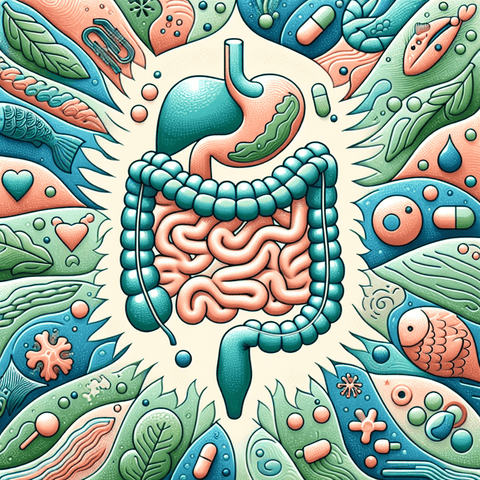
What are the effects of omega-3s on the intestines? - Topvitamine
Oct 21, 2025
Omega 3 en darmen zijn onderwerp van toenemend onderzoek. EPA en DHA ondersteunen onder meer normale celmembranen en spelen een rol bij ontstekingsprocessen, maar een supplement is geen behandeling voor darmziekten. In dit artikel lees je wat bekend is over de darmbarrière en het microbioom, wat je kunt merken, welke bijwerkingen mogelijk zijn en wanneer overleg met een zorgprofessional verstandig is.

What are the side effects of omega-3s? - Topvitamine
Oct 16, 2025
Bijwerkingen van omega-3 zijn meestal mild, zoals een visachtige nasmaak, oprispingen, misselijkheid of diarree. Bij hoge doseringen, medicijngebruik of bepaalde aandoeningen is extra voorzichtigheid nodig. In dit artikel lees je wat bekend is over visolie, EPA en DHA, wanneer je een zorgverlener moet raadplegen en waarop je let bij het kiezen en gebruiken van een omega-3-supplement.

Omega-3s are a family of essential fatty acids that play a central role in human nutrition. They are often discussed in the context of heart, brain, and eye health, and are found in a variety of foods and supplements. This guide provides a broad overview of omega-3s, explaining what they are, the different types, their role in the body, and important considerations for those thinking about supplementation.

What Are Omega-3s?

Omega-3 fatty acids are polyunsaturated fats, a type of fat that is liquid at room temperature. They are considered "essential" because the human body cannot produce them from scratch, meaning they must be obtained through diet or supplements. The three main types of omega-3s are ALA, EPA, and DHA, each with a distinct role and source.

The Three Main Types: ALA, EPA, and DHA

Understanding the difference between the main types of omega-3s is key to making informed choices about diet and supplements.

  • ALA (Alpha-Linolenic Acid): Primarily found in plant sources such as flaxseeds, chia seeds, walnuts, and canola oil. The body can convert ALA into EPA and DHA, but this process is inefficient, so it is not considered a reliable substitute for direct EPA and DHA intake.
  • EPA (Eicosapentaenoic Acid): Found mainly in marine sources like fatty fish (salmon, mackerel, tuna) and algae. EPA is known for its role in supporting normal inflammatory responses and cardiovascular health.
  • DHA (Docosahexaenoic Acid): Also found in fatty fish and algae, DHA is a major structural component of the brain and retina. It is particularly important for brain development and cognitive function throughout life.

Why Are Omega-3s Important for the Body?

Omega-3s are incorporated into cell membranes throughout the body and influence the function of cell receptors. They are also the starting point for producing hormones that regulate blood clotting, contraction and relaxation of artery walls, and inflammation. Because of these broad functions, omega-3s are associated with several aspects of normal health.

While the body needs all types of omega-3s, EPA and DHA are often highlighted for their more direct roles in supporting heart and brain health. ALA, while beneficial, is less directly active in these processes. This is why many health guidelines emphasize consuming sources of EPA and DHA directly.

Top Food Sources of Omega-3s

A balanced diet is the best way to obtain omega-3s. The richest sources are fatty fish, but there are also excellent plant-based options for those who prefer not to eat fish.

Marine Sources (EPA & DHA)

  • Salmon: A single serving (about 100 grams) can provide over 1.5 grams of EPA and DHA.
  • Mackerel: An excellent source, often providing more than 1 gram of EPA and DHA per serving.
  • Sardines: A convenient and sustainable source, providing a substantial amount of EPA and DHA.
  • Anchovies: Small fish that are rich in EPA and DHA, often used in sauces and dressings.

Plant Sources (ALA)

  • Flaxseeds and Flaxseed Oil: One of the richest plant sources of ALA.
  • Chia Seeds: A versatile source of ALA, fiber, and other nutrients.
  • Walnuts: A convenient snack that provides a good amount of ALA.
  • Hemp Seeds: Another plant-based option providing ALA.

Omega-3 Supplements: Fish Oil vs. Algae Oil

For individuals who struggle to consume enough omega-3-rich foods, supplements are a practical alternative. The two most common types are fish oil and algae oil.

  • Fish Oil: The most common and widely available source of EPA and DHA. It is derived from the tissues of oily fish and is available in various concentrations.
  • Algae Oil: A plant-based source of DHA (and sometimes EPA). It is a suitable alternative for vegetarians and vegans, and is the original source from which fish obtain their omega-3s.

When choosing a supplement, it is important to check the label for the amount of EPA and DHA per serving, not just the total amount of fish oil. For those interested in exploring high-quality options, our DHA & EPA omega-3 supplements collection offers a range of products to consider.

Daily Intake and Safety Considerations

There is no single recommended daily allowance for omega-3s that applies to everyone. Guidelines from health organizations suggest that most adults should aim for a combined intake of EPA and DHA of around 250-500 mg per day. For ALA, the recommended intake is higher, around 1.1-1.6 grams per day for adults.

Omega-3 supplements are generally considered safe for most people when taken at recommended doses. However, high doses can have blood-thinning effects, so it is crucial to consult a healthcare professional before starting a supplement, especially if you are taking blood-thinning medication, have a bleeding disorder, or are preparing for surgery. Pregnant and nursing women should also seek medical advice before using supplements.

Exploring the Topic Further

This page provides a broad overview of omega-3s, covering the main types, sources, and supplement considerations. For more detailed information on specific aspects, such as the difference between various supplement forms or the role of omega-3s in particular health conditions, we encourage you to explore the related articles listed on this page. You can also find a wider range of nutritional guidance in our natural supplements collection or learn about other essential nutrients like multivitamins.