
Bescherm je gezondheid voordat je online supplementen koopt. In de wereld van e-commerce helpt het prioriteren van de veiligheid van online supplementen je om namaakproducten en misleidende marketing te vermijden. Klik je op 'toevoegen aan winkelwagen', neem dan een moment om de verkoper te beoordelen, productgegevens te verifiëren en je consumentenrechten te begrijpen. Op deze pagina vind je praktische stappen om merken te verifiëren, etiketten te lezen, rode vlaggen te herkennen en met vertrouwen te winkelen. Verifiëren van merken en fabrikanten: Begin op de officiële website van het merk en de productpagina. Zoek naar duidelijke contactgegevens, een fysiek adres en toegankelijke klantenservice. Onderzoek de geschiedenis van de fabrikant, controleer of er kwaliteitscontroleverklaringen beschikbaar zijn en zie of het merk bron- of veiligheidsdocumentatie publiceert. Wees voorzichtig met onbekende distributeurs, vage oorsprongsverklaringen of producten die niet traceerbaar zijn naar een geautoriseerde faciliteit. Voor de veiligheid van online supplementen is het belangrijk om eventuele derden-tests of certificeringen te bekijken en de legitimiteit van deze claims te verifiëren. Etiketten en productinformatie lezen: Een volledig etiket moet een ingrediëntenlijst, portiegrootte en allergeneninformatie indien van toepassing bevatten. Zoek naar een batch- of lotnummer, vervaldatum en land van herkomst. Vergelijk wat er op het etiket staat met wat er op de productpagina wordt weergegeven, en zorg dat de verpakking overeenkomt met het gebruikelijke ontwerp van het merk. Let op ontbrekende details, spelfouten of ongewone verpakkingskenmerken. Seals van derden kunnen een nuttig signaal zijn, maar moeten worden geïnterpreteerd als onderdeel van je algehele controle voor online supplementenveiligheid. Herken rode vlaggen en winkel met vertrouwen: Wees op je hoede voor prijzen die dramatisch lager lijken dan die van concurrerende aanbieders, druk om meteen te kopen, of marketingtaal die overdreven lijkt. Vermijd advertenties met weinig verpakking, onduidelijke herkomst of ontbrekende retourbeleid. Geef de voorkeur aan retailers die duidelijke voorwaarden bieden, eenvoudige terugbetalingen en veilige betaalmethoden. Bewaar bewijs van je bestellingen, vergelijk producten via betrouwbare bronnen en verifieer beoordelingen via onafhankelijke platforms indien mogelijk. Door deze stappen te volgen, kun je vandaag met meer vertrouwen online supplementen veilig kopen.
Online Supplement Safety: Bescherm je gezondheid voordat je koopt
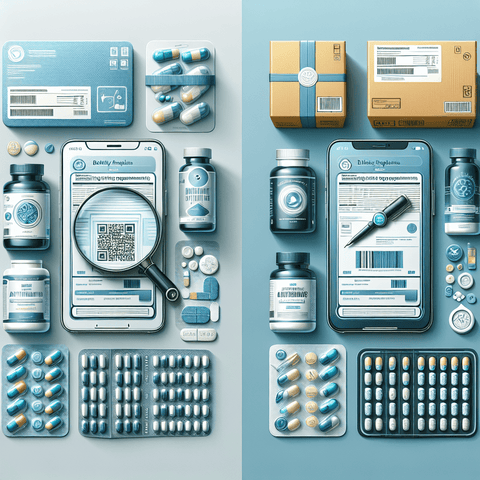
Buying supplements online offers convenience and choice, but it also requires a careful approach. The internet is filled with countless products, and not all of them meet the same quality or safety standards. This guide provides a practical framework for navigating online supplement safety. You will learn how to evaluate brands, read labels effectively, spot common warning signs, and understand the role of regulatory bodies. The goal is to help you make informed decisions and shop with greater confidence.
What Is Online Supplement Safety?
Online supplement safety refers to the practices and considerations involved in purchasing dietary supplements from internet retailers. It encompasses verifying the legitimacy of a brand, assessing the quality of a product, and understanding the risks associated with buying from unverified sources. Unlike products sold in physical stores, online purchases may come from unknown distributors or third-party sellers, making it harder to trace the product's origin. A focus on safety helps you avoid counterfeit goods, misleading marketing, and products that may not contain what their labels claim.
The core of online supplement safety is not about avoiding online shopping altogether. Instead, it is about developing a set of habits that allow you to evaluate products and sellers critically. This includes checking for transparency in labeling, looking for evidence of third-party testing, and being aware of the regulatory framework that governs supplements in your region. By understanding these elements, you can navigate the online marketplace more effectively.
Where Is the Safest Place to Buy Vitamins Online?
There is no single answer to where the safest place to buy vitamins online is, but certain characteristics make some retailers more reliable than others. Generally, it is safer to purchase from well-established retailers, the brand's own official website, or reputable pharmacies and health stores with a strong online presence. These sources are more likely to have direct relationships with manufacturers and clearer quality-control processes.
When evaluating a retailer, consider the following factors:
- Clear contact information and a physical address.
- Transparent return and refund policies.
- Secure payment options and data protection measures.
- Detailed product information, including full ingredient lists and labels.
- Customer reviews that appear genuine and are not overly uniform.
Marketplaces that allow third-party sellers can be riskier, as it may be difficult to verify the authenticity of the product or the reliability of the seller. If you choose to use such platforms, check the seller's history and ratings carefully. Ultimately, the safest approach is to buy directly from sources you have researched and trust.
How to Verify Supplement Brands and Manufacturers
Before purchasing a supplement, take time to research the brand and manufacturer. A reputable company is usually transparent about its operations and sourcing. Start by visiting the brand's official website and looking for the following:
- A physical address and accessible customer support.
- Information about the manufacturer and its facilities.
- Quality-control statements or certifications.
- Published sourcing or safety documentation.
Be cautious of brands that are vague about their origin, lack contact information, or cannot trace their products to a licensed facility. Third-party testing is a positive sign, but it is important to verify that the certification is legitimate. Look for seals from recognized organizations and check the certifier's website to confirm the brand's status.
For a deeper look at specific supplement categories and their quality considerations, you can explore our guides on natural supplements and healthy origins supplements.
How to Read Supplement Labels and Product Information
The label is your primary source of information about a supplement. A complete and accurate label should include:
- A full list of ingredients, including inactive ones.
- The serving size and number of servings per container.
- Allergen information where applicable.
- A lot or batch number for traceability.
- An expiration date.
- The country of manufacture.
When buying online, compare the information on the product page with what you would expect to see on the physical label. Look for consistency in the brand's packaging design. Be wary of missing details, misspellings, or packaging that looks unusual. Third-party seals can be a helpful signal, but they should be part of a broader assessment rather than the only factor you consider.
What Are the Red Flags for Supplements?
Recognizing warning signs is a critical skill for online supplement safety. Some red flags are more obvious than others, but all should prompt caution. Common indicators that a product may not be safe or reliable include:
- Unrealistic health claims, such as promising a cure or rapid dramatic results.
- Lack of third-party testing or certification.
- Hidden ingredients or proprietary blends that do not disclose amounts.
- Prices that are dramatically lower than competitors.
- High-pressure sales tactics or limited-time offers that create urgency.
- Vague origin information or an inability to trace the product to a manufacturer.
- Missing return policies or poor customer service options.
If a product or seller exhibits several of these signs, it is best to avoid the purchase. Trustworthy brands are usually transparent and do not rely on aggressive marketing tactics.
What Website Can I Use to Check if Supplements Are Safe?
Several resources can help you check the safety and quality of supplements. While no single website can guarantee a product's safety, the following types of sources provide valuable information:
- Regulatory bodies like the U.S. Food and Drug Administration (FDA) and the Federal Trade Commission (FTC) provide information on recalls, warnings, and enforcement actions.
- The National Institutes of Health (NIH) Office of Dietary Supplements (ODS) offers fact sheets and research summaries on various ingredients.
- The National Center for Complementary and Integrative Health (NCCIH) provides evidence-based information on complementary health approaches.
- Independent third-party testing organizations, such as USP, NSF, and ConsumerLab, offer certification programs and test results for supplements.
These resources can help you verify whether a product has been tested, whether it has been subject to any warnings, and whether the ingredients have been reviewed for safety. They are useful tools for supplement verification, but they should be used alongside your own assessment of the brand and label.
What Is the Most Trustworthy Supplement Company?
There is no single most trustworthy supplement company, as trustworthiness is determined by a combination of factors rather than a single ranking. A trustworthy company typically demonstrates:
- A long history of operation and a positive reputation.
- Transparency about ingredients, sourcing, and manufacturing processes.
- A commitment to third-party testing and quality control.
- Clear communication with customers and responsive support.
- A willingness to provide detailed product information without making exaggerated claims.
Rather than looking for a single 'most trustworthy' company, it is more practical to evaluate each brand against these criteria. You can also look for brands that have been in the market for a long time and have a track record of customer satisfaction. For more specific guidance, you may want to explore our collections of Dr. Mercola natural health products or Nature's Plus supplements to see examples of brands that emphasize quality.
The Role of Regulatory Bodies in Supplement Safety
Regulatory bodies play an important role in the oversight of dietary supplements, though their authority varies by country. In the United States, the FDA regulates dietary supplements under a different set of rules than conventional foods and drugs. Supplement manufacturers are responsible for ensuring their products are safe and that label claims are truthful, but they are not required to get FDA approval before marketing their products.
The FDA can take action against products that are found to be unsafe or misbranded. It also operates a Safety Reporting Portal where consumers and healthcare professionals can report adverse events associated with supplements. The Federal Trade Commission (FTC) monitors advertising and marketing claims, taking action against companies that make false or misleading statements.
Understanding the limits of regulation is part of online supplement safety. Because the system relies heavily on post-market surveillance, your own due diligence is essential. Checking for FDA warnings, reviewing the FDA's recall list, and reporting any adverse effects you experience are all ways to participate in the safety process.
A Practical Checklist for Buying Supplements Online
To bring everything together, here is a practical checklist you can use before making an online supplement purchase:
- Research the brand: Check for a physical address, contact information, and a history of transparent operations.
- Examine the label: Ensure it lists all ingredients, serving size, allergen information, and a batch or lot number.
- Look for third-party testing: Check for seals from USP, NSF, or similar organizations and verify their legitimacy.
- Compare prices: Be suspicious of prices that are significantly lower than the market average.
- Read reviews: Look for reviews on independent platforms and be wary of overly uniform or excessively positive feedback.
- Check the retailer's policies: Ensure there is a clear return policy and secure payment options.
- Keep records: Save your order confirmation and any relevant correspondence.
Following this checklist will not guarantee that every product you buy is perfect, but it will significantly reduce the risk of encountering unsafe or misleading supplements.
Exploring Supplement Categories Safely
The principles of online supplement safety apply across all product categories, from vitamins and minerals to herbal supplements and sports nutrition. Whether you are looking for a multivitamin, a specific mineral like magnesium, or a herbal extract, the same rules of verification apply. Understanding the specific characteristics of each category can also help you make better choices.
For example, when exploring herbal supplements, you may want to pay extra attention to the sourcing and standardization of the extract. For sports supplements, you might focus on third-party testing for banned substances. By applying the general principles of safety to each specific category, you can navigate the online supplement market with greater confidence.
Final Thoughts on Online Supplement Safety
Online supplement safety is an ongoing process of education and vigilance. The market is vast, and new products appear regularly. By developing a systematic approach to evaluating brands, reading labels, and recognizing red flags, you can protect yourself from many of the common pitfalls. Remember that supplements are not a substitute for a balanced diet or medical advice. If you have specific health concerns or are taking medication, it is always wise to consult a healthcare professional before starting any new supplement.
This guide provides a broad overview of the topic. For more detailed information on specific ingredients, product types, or safety concerns, explore the related articles and resources available on this page.