Bron van B12 op plantaardige basis: Verrijkte voedingsmiddelen en veilige supplementen voor veganisten


Ontdek plantaardige B12-bronnen—van verrijkte voedingsmiddelen tot veilige veganistische supplementen—en bouw vertrouwen op in het navigeren door vegan opties. Deze pagina richt zich op plantaardige B12-bronnen en biedt een duidelijk overzicht van hoe deze opties georganiseerd en geïdentificeerd worden. Je vindt eenvoudige uitleg van terminologie om lezers te helpen de wereld zonder verwarring te verkennen. Binnen plantaardige B12-bronnen vormen verrijkte voedingsmiddelen een belangrijke categorie, en vegan supplementen een andere. De bespreking legt uit hoe elke categorie past binnen het bredere overzicht, met nadruk op hoe informatie wordt gepresenteerd zodat lezers opties duidelijk kunnen vergelijken. Gedurende de tekst staat de term plantaardige B12-bronnen centraal in de framing. Labelgeletterdheid is een praktische component bij het overwegen van plantaardige B12-bronnen. De pagina beschrijft waar je op moet letten op productlabels, inclusief aandachtspunten over veganistische herkomst en transparante ingrediëntenlijsten. Ook behandelt het manieren om informatie te verifiëren en om veelvoorkomende indicatoren te herkennen die geassocieerd worden met plantaardige B12-bronnen. Door plantaardige B12-bronnen op deze gestructureerde manier te presenteren, kunnen lezers met duidelijkheid hun keuzes benaderen. De inhoud richt zich op categorizatie en labeloverwegingen, met als doel een geïnformeerde reis te ondersteunen rond plantaardige B12-bronnen.


What fruit is best for vitamin B12? - Topvitamine
Nov 14, 2025
Fruit bevat van nature geen betrouwbare hoeveelheid vitamine B12. Bananen, avocado’s en andere vruchten zijn wel waardevol vanwege vezels en andere voedingsstoffen, maar leveren geen oplossing voor een B12-behoefte. Veganisten kunnen beter kiezen voor verrijkte producten, zoals plantaardige dranken of voedingsgist, en een geschikt vitamine B12-supplement. Lees ook hoe u signalen van een mogelijk tekort herkent en wanneer professioneel advies verstandig is.
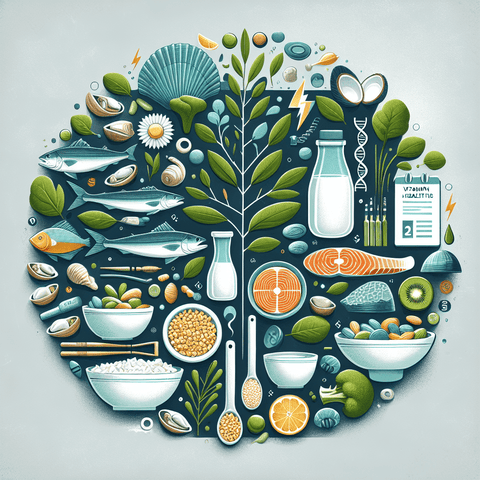
Which foods are rich in vitamin B12? - Topvitamine
Oct 19, 2025
Vitamine B12 komt van nature vooral voor in vis, schaal- en schelpdieren, vlees, eieren en zuivel. Veganisten zijn aangewezen op verrijkte voedingsmiddelen en een passend B12-supplement, omdat onbewerkte plantaardige producten geen betrouwbare bron zijn. In dit artikel leest u welke vitamine B12-rijke voedingsmiddelen u kunt kiezen, hoe supplementvormen verschillen en wanneer overleg met een zorgverlener verstandig is.
Which vegetarian food is highest in B12? - Topvitamine
Oct 15, 2025
Vegetarische voeding met vitamine B12 bestaat vooral uit eieren, zuivel en verrijkte producten. Voor veganisten zijn onbewerkte plantaardige voedingsmiddelen geen betrouwbare bron; verrijkte voedingsmiddelen en een passend B12-supplement zijn dan belangrijker. In dit artikel lees je hoe je etiketten controleert, welke B12-vormen bestaan, wat mogelijke signalen van een tekort zijn en hoe je veilig genoeg B12 binnenkrijgt.

For anyone following a vegan or vegetarian lifestyle, understanding plant-based B12 sources is an essential part of nutritional planning. This guide serves as a comprehensive overview, explaining why this vitamin is important, where to find it in a plant-based diet, and how to evaluate the options available. We'll explore the primary categories—fortified foods and vegan supplements—and provide practical guidance for making informed decisions. This page is your starting point for a deeper exploration of the topic.

What is Vitamin B12 and Why Does It Matter?

Vitamin B12, also known as cobalamin, is a water-soluble vitamin that plays a vital role in several bodily functions. It is naturally found in animal products, which is why those on a plant-based diet need to pay special attention to their intake. Understanding its role helps clarify why actively seeking out plant-based B12 sources is so important.

The primary roles of vitamin B12 include:

  • Supporting the normal function of the nervous system.
  • Contributing to normal red blood cell formation.
  • Playing a role in normal energy-yielding metabolism.
  • Contributing to normal psychological function.
  • Aiding in the reduction of tiredness and fatigue.

Because these functions are fundamental to daily health, it's clear why maintaining adequate levels is a common concern for those excluding animal products from their diet.

Main Categories of Plant-Based B12 Sources

When looking for plant-based B12 sources, you'll encounter two main categories: fortified foods and vegan supplements. Each plays a distinct role and offers different benefits, and understanding both is key to managing your nutritional intake.

Fortified Foods

Fortified foods are everyday products that have had vitamin B12 added to them during manufacturing. They represent one of the most accessible plant-based B12 sources. Common examples include:

  • Plant-based milk alternatives (e.g., soy, almond, oat milk).
  • Breakfast cereals and oatmeal.
  • Nutritional yeast (often fortified).
  • Some meat substitutes and tofu products.
  • Certain breads and grain products.

Incorporating these foods into your daily routine can help contribute to your B12 intake. However, the level of fortification can vary significantly between brands and products, making label literacy crucial.

Vegan Supplements

Vegan supplements offer a direct and reliable way to ensure you're getting vitamin B12. They are specifically formulated without any animal-derived ingredients and are often considered the most consistent plant-based B12 source. Supplements come in various forms, including:

  • Tablets or capsules for oral consumption.
  • Sublingual tablets or drops that are absorbed under the tongue.
  • Sprays for easy administration.

For many, a daily supplement offers peace of mind by providing a predictable and measurable amount of B12. This is a key part of maintaining adequate intake for many vegans.

How to Read Labels on Plant-Based B12 Products

Navigating product labels is a critical skill when choosing plant-based B12 sources. The label is your primary source of information for verifying that a product truly supports a vegan lifestyle and that it contains the nutrient in a beneficial form.

Here’s what to look for:

  • "Vegan" Certification: Look for a recognized vegan certification logo. This is the clearest indicator that the product contains no animal-derived ingredients.
  • Ingredient List: Scan the ingredient list for the specific form of B12 used. Common forms include cyanocobalamin and methylcobalamin. A clear ingredient list provides transparency.
  • Nutrition Facts Panel: Check the declared amount of vitamin B12 per serving. This allows you to compare different products and track your daily intake.
  • Supplement Facts Panel: For supplements, this panel provides details on the active ingredients, the dosage, and other inactive components. Verify the source of the B12 is vegan.

By understanding these label components, you can make more confident choices about the plant-based B12 sources you incorporate into your diet.

Important Considerations for Your Intake

When planning your approach to plant-based B12 sources, a few general considerations can help you establish a sustainable routine. Individual needs can vary, so it's helpful to think about these factors on a personal level.

  • Consistency: It's often more effective to consume B12 regularly, either through fortified foods daily or a supplement as directed, rather than sporadically.
  • Bodily Needs: Factors like age, metabolism, and health status can influence how much B12 you need. There is no one-size-fits-all approach.
  • Lifestyle: Your diet and routine will help determine the most practical option for you—be it a fortified breakfast cereal, a plant-based milk, or a daily supplement.
  • Professional Guidance: If you have specific health concerns or questions, it's always recommended to speak with a healthcare professional. They can provide personalized advice on managing your vitamin B12 levels.

Building a solid foundation of knowledge about these sources is a positive step. For a broader understanding of how different vitamins and supplements work together, you might find our general guide on vitamin B benefits, sources, and safety helpful. Additionally, exploring our selection of natural supplements can provide further context on supplement options.

This overview provides the map for navigating plant-based B12 sources. The most important step is to take this information and apply it to your own life in a way that feels manageable and effective for you.