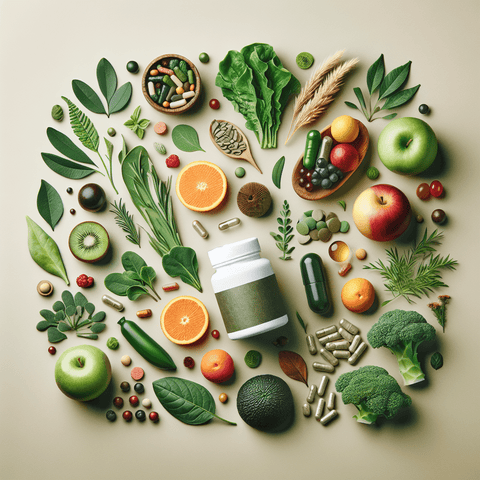
Many adults recognize the importance of vitamins and minerals, yet achieving optimal nutrient intake from food alone can be challenging. A plant-based multivitamin formula offers a foundational layer of nutritional support, using nutrients derived from vegan sources to help fill dietary gaps. This guide provides a broad overview of what these formulas are, how they differ from conventional options, and the key factors to consider when choosing a high-quality supplement. It will also explore who may benefit most, important nutrients to look for, and practical considerations for safe and effective use.
What Is a Plant-Based Multivitamin Formula?
Defining Plant-Based and Whole-Food Multivitamins
A plant-based multivitamin is a dietary supplement that delivers essential vitamins and minerals sourced from plants rather than synthetic isolates or animal-derived ingredients. These formulas often include extracts from vegetables, fruits, herbs, algae, and yeast to provide a broad spectrum of micronutrients. Some products go further by using whole-food blends, which means the nutrients remain embedded within their natural botanical matrix rather than being isolated in a laboratory.
While the term "whole-food" is frequently used in product marketing, true whole-food supplements are made by dehydrating and concentrating nutrient-dense plants. Others use a hybrid approach, combining isolated vitamins with plant-based concentrates. Both formats offer distinct benefits, and neither is inherently superior—it depends on your individual preferences and how well the product absorbs in your body.
How Plant-Based Formulas Differ from Conventional Multivitamins
Conventional multivitamins often rely on synthetic nutrients that are chemically identical to those found in nature but manufactured in industrial processes. They may also contain derivatives such as gelatin capsules, which are animal-derived. Plant-based formulas replace these with vegan capsules made from cellulose or pullulan and prioritize nutrients derived from organic plant sources.
Another key difference lies in the forms of vitamins used. For example, a conventional formula may use folic acid, whereas a plant-based product may use methylated folate (5-MTHF), a form already converted for immediate use by the body. Similarly, vitamin B12 in plant-based formulas is typically sourced from bacterial fermentation rather than animal tissue, making it suitable for strict vegans.
For a deeper understanding of how supplements are formulated and what to look for, you can explore our comprehensive multivitamins guide.
Why Nutritional Gaps Occur in Modern Diets
The Decline of Nutrient Density in Conventional Agriculture
Modern agricultural practices have prioritized crop yield and appearance over nutritional density. Studies have consistently shown that the vitamin and mineral content of staple vegetables and fruits has declined over the past several decades, partly due to soil depletion and selective breeding for sugars and starch rather than micronutrients. This means that even a person eating a balanced, varied diet may consume fewer vitamins than their grandparents did from the same foods.
Washing, storage, transport, and cooking can degrade sensitive nutrients further. For instance, folate and vitamin C are particularly vulnerable to heat and light. Consequently, the estimated nutrient intake from food alone may be lower than calculated values suggest, which increases the relevance of a well-formulated supplement.
Common Dietary Patterns That Miss Key Micronutrients
Several dietary patterns are associated with specific micronutrient risks. Vegan and vegetarian diets are often adequate or superior for fiber and vitamin C but may fall short in vitamin B12, iron, zinc, calcium, and vitamin D unless carefully planned. Likewise, low-carbohydrate diets that restrict fruit and whole grains may reduce intake of vitamin C, magnesium, and several B vitamins.
Even omnivorous diets can have blind spots. Many adults do not consume the recommended five servings of vegetables daily, and few eat oily fish weekly, which is a primary source of vitamin D and omega-3 fatty acids. The cumulative effect of these dietary tendencies is a broad, subclinical inadequacy that doesn't cause acute deficiency but may compromise long-term vitality.
The Role of Processed Foods in Vitamin and Mineral Shortfalls
Processed foods are typically energy-dense but nutrient-poor. Refining grains strips away the bran and germ where most B vitamins, iron, and magnesium reside. While some products are enriched to restore certain nutrients, the final composition rarely matches the full micronutrient profile of the original whole grain.
Furthermore, the high intake of processed foods often displaces more nutritious options. When a significant portion of daily calories comes from refined carbohydrates, seed oils, and added sugars, the natural diet fails to meet estimated average requirements for several micronutrients. This is a structural problem in the modern food environment, not a reflection of poor dietary choices alone.
Key Nutrients to Look for in a Plant-Based Formula
A quality plant-based multivitamin should provide a solid foundation of essential vitamins and minerals. However, the forms of these nutrients are just as important as their presence. Here are some key nutrients and considerations to keep in mind:
- B-Complex Vitamins: Look for methylated forms like methylcobalamin (B12) and 5-MTHF (folate), which are more readily used by the body.
- Vitamin D: Choose D3 derived from lichen, which is a vegan source, as it tends to be more effective at maintaining blood levels than D2.
- Chelated Minerals: Minerals like magnesium glycinate, zinc picolinate, and iron bisglycinate are better absorbed and gentler on the stomach than inorganic forms.
- Iron and Iodine: Formulas may include iron for menstruating women or be iron-free for men and postmenopausal women. Iodine is important for thyroid health, especially on a vegan diet.
- Whole-Food Extracts: Look for additions like superfood blends or botanical extracts for a broader range of phytonutrients and antioxidants.
To learn more about specific nutrients like vitamin B or vitamin D, you can explore our dedicated collections.
How a Plant-Based Multivitamin Supports Daily Energy and Wellness
Supporting Cellular Energy Production with B-Complex Vitamins
The B-complex vitamins—thiamin, riboflavin, niacin, pantothenic acid, B6, biotin, folate, and B12—are required for the conversion of carbohydrates, fats, and proteins into adenosine triphosphate (ATP), the energy currency of the cell. Without adequate B vitamins, metabolic pathways slow down, leading to reduced physical energy and mental fatigue. A plant-based multivitamin formula typically includes these vitamins in their bioactive forms to support this process efficiently.
Clinically, even marginal B-vitamin insufficiency has been linked to impaired cognitive performance and poor mood regulation. For vegans, vitamin B12 status is of particular concern since no plant foods naturally contain this nutrient. Choosing a formula with methylcobalamin, the form of B12 active in the nervous system, can be a practical way to maintain energy and neurological function.
The Role of Antioxidants Like Vitamin C and E in Combating Oxidative Stress
Daily metabolism generates free radicals—highly reactive molecules that can damage cell membranes, proteins, and DNA. Dietary antioxidants such as vitamin C, vitamin E, and various carotenoids neutralize these molecules, helping to limit oxidative stress. Over time, cumulative oxidative damage contributes to accelerated aging and the onset of chronic conditions.
Plant-based formulas are particularly well-suited to deliver these antioxidants because many are directly extracted from botanical sources rich in polyphenols and carotenoids. These plant pigments not only quench free radicals but may also influence gene expression related to inflammation and immune defense. Maintaining an adequate antioxidant supply through diet and supplementation helps preserve the cellular vitality associated with feeling energetic and resilient.
Bone Health and Magnesium: Beyond Just Calcium
Bone is not simply calcium; it also requires magnesium, phosphorus, vitamin D, vitamin K, and adequate protein for structural integrity. Magnesium influences bone crystal formation and the activity of osteoblasts, the cells that build bone tissue. Additionally, magnesium activates vitamin D, without which calcium absorption is compromised. A plant-based multivitamin that includes magnesium—especially in a chelated form like magnesium glycinate or bisglycinate—may provide more effective bone support than calcium alone.
This is particularly relevant in later life when the risk of osteoporosis increases. However, it also matters for active adults and athletes, who lose magnesium through sweat and may require more for muscle function. Ensuring adequate magnesium through diet and a high-quality supplement is a practical step for maintaining skeletal and muscular wellbeing.
Immune Function Support via Vitamin D, Zinc, and Selenium
The immune system relies on a variety of micronutrients to mount effective defenses against pathogens while avoiding excessive inflammation. Vitamin D modulates both innate and adaptive immune responses, zinc is required for the development of immune cells and their communication, and selenium contributes to antioxidant enzyme systems that protect immune tissues. Deficiencies in any of these nutrients are associated with increased susceptibility to infections.
Many people have insufficient vitamin D, particularly during winter months or for those who work indoors. Since only a few foods naturally contain vitamin D, and because vegan sources are rare, a plant-based formula containing D2 or lichen-derived D3 can help maintain immune readiness. Zinc and selenium, when combined in appropriate doses, complement vitamin D in providing broad-spectrum immune support.
Who May Benefit Most from a Plant-Based Multivitamin
While a healthful diet is the cornerstone of good nutrition, certain groups may find a plant-based multivitamin particularly useful for bridging specific gaps.
- Strict Vegans and Vegetarians: To reliably obtain nutrients like vitamin B12, vitamin D, and iodine that are less abundant in plant foods.
- Individuals with Limited Sun Exposure: A daily supplement can provide a consistent source of vitamin D, especially for those living in high latitudes or working indoors.
- Athletes and Active Individuals: Increased physical activity can heighten the demand for B vitamins, magnesium, and zinc, which support energy metabolism and recovery.
- Older Adults: Ageing can affect nutrient absorption, making a multivitamin with bioavailable forms a practical option to support changing needs.
- People with Digestive Conditions: Those with conditions affecting absorption may use a multivitamin as part of their broader management plan, under professional guidance.
Lifestyle Factors That Increase Nutrient Requirements
High Physical Activity Levels
Athletes and highly active individuals have greater energy expenditure and, therefore, higher requirements for most B vitamins involved in energy metabolism. They also lose additional electrolytes and trace minerals through sweat, including sodium, potassium, zinc, and magnesium. The oxidative stress produced during exercise increases the need for antioxidant nutrients to support recovery. While a plant-based multivitamin may help, it cannot replace the full caloric and protein requirements of a heavy training schedule.
Chronic Stress
Psychological and physiological stress increase cortisol output and metabolism, which can deplete vitamin C, magnesium, and several B vitamins. Caffeine and alcohol, often consumed more heavily during stressful periods, further contribute to nutrient losses and impair absorption. Since much of the modern population experiences chronic stress, the demand for supportive micronutrients may exceed what a typical diet provides.
Aging and Reduced Digestive Efficiency
With age, gastric acid secretion often declines, which impairs the absorption of vitamin B12, calcium, iron, and folate. Additionally, skin synthesis of vitamin D becomes less efficient with fewer sun exposure days. Many older adults thus require a supplement even when their intake seems reasonable. A plant-based multivitamin with easily absorbable, methylated nutrient forms may reduce the burden on an aging digestive tract.
Medications That Interfere with Nutrient Absorption
Several common medications affect nutritional status. Proton pump inhibitors reduce stomach acidity, leading to poor B12 and magnesium absorption. Metformin, used for type 2 diabetes, increases the risk of vitamin B12 deficiency. Diuretics promote the urinary loss of potassium, magnesium, and zinc. If you take any long-term medication, check whether it influences your vitamin and mineral balance and consider supplementation where necessary.
Restrictive or Elimination Diets
Following a vegan, raw food, low-FODMAP, or allergy-elimination diet can reduce food variety, increasing the risk of missing a nutrient. Without animal products, you must intentionally source vitamin B12, vitamin D, iron, iodine, and calcium. A plant-based multivitamin formula offers a practical safeguard for those adhering to these dietary patterns, providing peace of mind and filling common gaps without reverting to animal foods.
Nutrient-Dense Plant Foods to Prioritize Before Supplementing
Before considering a supplement, it is helpful to maximize nutrient intake through diet. Here are some key nutrients and their plant-based sources.
- Iron: Lentils, chickpeas, tofu, pumpkin seeds, and quinoa. Pair with vitamin C-rich foods to enhance absorption.
- Calcium: Fortified plant milks, tofu made with calcium sulfate, tahini, and leafy greens.
- Omega-3 Fatty Acids: Flaxseeds, chia seeds, hemp seeds, and walnuts. Consider an algae-based DHA supplement if needed.
- Vitamin B12: Fortified nutritional yeast, plant milks, and breakfast cereals are the only reliable non-supplement vegan sources.
- Vitamin D: Sunlight is the primary source. Fortified foods provide some, but a supplement may be necessary, especially in winter.
To learn more about incorporating these foods into a balanced diet, you might find our superfoods guide helpful.
How to Choose the Right Plant-Based Multivitamin Formula
With many options available, choosing a high-quality product requires attention to the label and formulation. Here are key factors to consider:
- Nutrient Forms: Opt for methylated B-vitamins and chelated minerals for better absorption.
- Ingredient List: Look for a short list of recognizable ingredients and avoid unnecessary fillers, artificial colors, and additives.
- Third-Party Testing: Look for certifications like USP, NSF, or a Certified Vegan symbol to ensure quality and purity.
- Dosage: Check the serving size and whether it matches your needs. Some formulas require multiple capsules per day for optimal absorption of minerals.
- Allergens: Be aware of common allergens like soy, gluten, and nuts, which may be present as inactive ingredients.
For more tailored guidance on ingredients, usage, and safety, you can consult our multivitamins guide for a deeper dive.
Safety, Side Effects, and When to Consult a Healthcare Provider
Understanding Upper Intake Limits
Fat-soluble vitamins—A, D, E, and K—are stored in body tissues and can reach toxic levels if consumed in high doses over time. Vitamin A toxicity can cause liver damage, while excess vitamin D leads to raised calcium in the blood, kidney stones, and nausea. Iron also accumulates, causing oxidative stress and organ damage. Know the tolerable upper intake levels for these nutrients and avoid dosing beyond them without medical supervision.
Potential Interactions with Prescription Medications
Vitamin K interferes with blood thinners like warfarin, reducing their efficacy. High-dose vitamin E can enhance the effect of anticoagulants, increasing bleeding risk. Magnesium can bind certain antibiotics, reducing their absorption. If you take any prescription medication, always check the interaction profile of each nutrient in your multivitamin.
Pregnancy and Nursing: Special Nutrient Considerations
Pregnancy requires more folic acid, iron, iodine, and vitamin D, but not necessarily all nutrients at higher doses. Some nutrients, like preformed vitamin A, should be avoided during pregnancy due to teratogenic risk. A prenatal-specific multivitamin is safer than a general formula. Always discuss supplementation with your obstetrician, whose advice overrides general guidance.
The Risk of Overlapping Nutrients When Taking Multiple Supplements
If you take separate vitamins, minerals, or herbal products in addition to a multivitamin, you can inadvertently exceed the safe levels of certain nutrients. Vitamin A from a multivitamin, plus an additional beta-carotene supplement or cod liver oil, could be excessive. Review the total nutrient content of all your supplements to prevent unwanted overlap in your regimen.
Remember that multivitamins are a complement, not a cure. They do not treat, prevent, or cure any disease. For diagnosed deficiencies or chronic conditions, the recommended approach is targeted therapy under professional supervision. The role of a multivitamin is to maintain normal reference-range status, not to repair a diseased state.
Making an Informed Decision: Enhancing Diet First, Supplementing Strategically
Start by assessing your average daily vitamin and mineral intake from food, your current health status, and any existing supplement intake. Identify whether you have dietary restrictions, allergies, or increased requirements due to age, stress, or athletic goals. Then check the label for the specific nutrient forms, third-party testing, and absence of allergens.
Daily vitality is a reflection of how well your body’s systems work together, and micronutrients play a fundamental, non-negotiable role in that process. While a thoughtfully curated plant-rich diet forms the foundation of good nutrition, modern realities—from degraded soils to busy lifestyles—frequently create specific nutrient gaps. For vegans and others following restricted diets, these gaps can become pronounced.
A plant-based multivitamin formula may serve as a valuable safety net, supporting cellular energy, immune function, and overall wellbeing without relying on animal products. However, the decision to supplement is personal and should be grounded in food quality and health status, not in hype or fear. Choose a formula that respects your body, prioritize transparent brands with third-party testing, and always treat supplementation as a complement to—not a substitute for—a wholesome lifestyle.
Key Takeaways
- Nutritional gaps are common in modern diets, even among people who eat a variety of fruits and vegetables.
- A plant-based multivitamin formula provides vegan-friendly nutrients that may broadly support energy, immunity, and bone health.
- Whole-food and methylated nutrient forms (like methylcobalamin and 5-MTHF) can enhance absorption compared to synthetic isolates.
- There is no “one-size-fits-all” multivitamin; your age, activity level, stress, and dietary pattern dictate which nutrients matter most.
- Food should always be your first source of nutrients; supplementation is intended to fill remaining gaps, not replace a healthy diet.
- Avoid over-supplementation, especially for fat-soluble vitamins (A, D, E, K) and iron, since these can accumulate to unsafe levels.
- If you have a diagnosed deficiency or chronic condition, seek professional advice for targeted therapy rather than relying on a multivitamin alone.
Frequently Asked Questions
What is a plant-based multivitamin formula?
A plant-based multivitamin formula is a daily supplement designed to deliver essential vitamins and minerals using ingredients derived from plants, algae, or yeast. It is suitable for vegans and vegetarians and may be formulated to address nutrient shortfalls common in plant-based diets.
Is a plant-based multivitamin as effective as a regular multivitamin?
Yes, when properly formulated. The chemical form of the nutrient determines its bioavailability; methylated B vitamins and chelated minerals are absorbed efficiently whether they are from a plant or synthetic origin. The key is choosing a product with clinically appropriate nutrient forms.
What are the signs that I might need a multivitamin?
Persistent fatigue, brittle nails, frequent illness, or slow recovery after exercise can indicate a nutrient shortfall, but these symptoms are nonspecific. A blood test, such as measuring serum ferritin, vitamin D, or homocysteine, is more reliable than guessing based on symptoms alone.
Can I get enough B12 from plant foods only?
No. B12 is not naturally found in plant foods; fermented foods do not provide an active, bioavailable form for humans. Fortified foods and supplements are the only vegan sources of vitamin B12, making supplementation or fortified staples essential for any plant-based eater.
How much vitamin D should a plant-based multivitamin contain?
That depends on your sun exposure, latitude, and baseline blood level. Many formulas provide 1,000 to 2,000 IU per serving, which is a reasonable maintenance dose for adults living in the Northern Hemisphere or those who limit sun exposure. Daily intake above 4,000 IU is best taken with monitoring by a health professional.
What does “methylated” B12 mean?
Methylcobalamin is the biologically active, coenzyme form of vitamin B12, whereas cyanocobalamin is a synthetic form that must be converted inside the body. Methylated B12 is particularly useful for those with genetic variants affecting B12 conversion or with neurological issues.
Is it safe to take a multivitamin every day?
For most healthy adults, yes, at doses within the reference intake range. However, daily use is only beneficial if it doesn’t cause nutrient overdoses—verify that you aren’t taking another separate iron, vitamin A, or vitamin D supplement that would push your total intake above safe limits.
Can a multivitamin replace a healthy diet?
No. A multivitamin lacks dietary fiber, phytonutrients, and protein, which are critical for health and digestion. It is a support, not a foundation. A nutrient-dense plant-based diet remains the most important factor in maintaining your wellbeing.
When is the best time to take a multivitamin?
Take your multivitamin with your main meal of the day to improve absorption and reduce the chance of stomach upset. Fat-soluble vitamins (A, D, E, K) absorb best when dietary fat is present, so pairing with an avocado, nuts, or olive oil is ideal.
Are there any interactions between a multivitamin and common medications?
Yes. Vitamin K can counteract warfarin (blood thinners), magnesium can reduce the absorption of certain antibiotics, and high-dose vitamin E may increase bleeding risk. Always check the interaction profile of each nutrient in your multivitamin with your prescription drugs.
How do I know which plant-based multivitamin formula is right for me?
Evaluate your dietary pattern, health goals, and any known deficiencies. Look for a formula that matches your gender and age profile, uses bioavailable forms (methylated B12, folate, chelated minerals), and is third-party tested. Speak with your healthcare provider if you have medical conditions or take long-term medication.
Do plant-based multivitamins contain enough iron for women?
Some formulas include iron at doses that suit menstruating women (15–18 mg), while others are iron-free for men and postmenopausal women. If you have heavy menstrual bleeding or a diagnosed iron deficiency, a specific iron supplement may be more useful than a general multivitamin.
Related Keywords
- plant-based multivitamin formula
- vegan multivitamin supplement
- whole-food multivitamin
- methylated B vitamins
- plant-based vitamin D3
- nutritional gaps in modern diets
- daily vitality
- micronutrient support
- bioavailable minerals
- vegan nutrition supplements
- natural energy supplements
- immune health nutrients