Plantaardig Omega-3: Gemakkelijke, Duurzame Bronnen om Je Gezondheid te Verbeteren


Ontdek gemakkelijke, duurzame plantaardige omega-3-bronnen met praktische tips, eenvoudige recepten en topkeuzes zoals lijnzaad, chiazaad en algen. Deze pagina richt zich op plantaardige omega-3 en benadrukt toegankelijke manieren om deze ingrediënten in alledaagse maaltijden te verwerken. Je vindt ideeën voor voorraadkastbasisingrepen, snelle toevoegingen en veelzijdige opties die passen bij verschillende smaken en kookstijlen. De focus ligt op praktische toepassing en toegankelijke keuzes voor een plantaardige levensstijl. Plantaardige omega-3 komt uit verschillende bronnen. Lijnzaad en chiazaad staan bekend om hun inhoud aan ALA, terwijl algen DHA- en EPA-vormen bieden. De keuzes variëren in smaak, textuur en manier waarop ze in recepten worden opgenomen, dus het combineren van bronnen kan de menukeuzes interessant en gevarieerd houden. Tips voor het opnemen van plantaardige omega-3 zijn onder meer het malen van lijnzaad vlak voor gebruik voor de beste textuur, het laten weken van chiazaad om gel te vormen, en het bewaren van zaden op een koele, donkere plek. Gebruik lijnzaadmeel in gebak of smoothies, strooi chiazaad over yoghurt of cereal, en overweeg algenolie of supplementen om de opties te diversifiëren. Begin met kleine hoeveelheden en pas geleidelijk aan aan smaak- en textuurvoorkeuren. Eenvoudige recepten om te proberen zijn onder andere chia pudding met plantaardige melk en toppings, een mengsel van lijnzaadcrackers gekruid met kruiden, en een snelle verarbeitungsdressing met algenolie voor salades. Een smoothie met spinazie, banaan en een theelepel gemalen lijnzaad biedt een andere makkelijke optie. Deze ideeën laten de veelzijdigheid van plantaardige omega-3-bronnen zien zonder dat er speciale ingrediënten nodig zijn.


Which oil is the healthiest omega-3? - Topvitamine
Jan 07, 2026
Welke olie de meeste omega-3 bevat, hangt af van het vetzuur dat je zoekt. Lijnzaadolie bevat veel ALA, terwijl visolie en algenolie direct beschikbare EPA en DHA leveren. In dit overzicht lees je welke olie past bij een plantaardig dieet, waarom DHA belangrijk is voor hersenen en ogen, waarop je bij een supplement let en wanneer extra voorzichtigheid nodig is.
Where is a lot of omega 3 found? - Topvitamine
Dec 02, 2025
Waar zit veel omega 3 in? Vooral vette vis zoals zalm, haring, sardines en makreel levert de omega 3-vetzuren EPA en DHA. Plantaardige voedingsmiddelen zoals lijnzaad, chiazaad en walnoten bevatten voornamelijk ALA. Wie geen vis eet, kan algenolie als bron van DHA en soms EPA overwegen. Dit artikel legt de verschillen uit en bespreekt praktische voedingskeuzes, supplementen en belangrijke veiligheids aandachtspunten.
Which omega 3 is the best? - Topvitamine
Nov 03, 2025
Het beste omega 3 supplement bestaat niet voor iedereen. De juiste keuze hangt af van de hoeveelheid EPA en DHA, de bron, je voedingspatroon en het doel van gebruik. In deze gids lees je hoe visolie, algenolie en plantaardige ALA-bronnen van elkaar verschillen, waar je op het etiket op let en wanneer overleg met een arts of apotheker verstandig is.
Is avocado rich in omega 3? - Topvitamine
Oct 31, 2025
Avocado bevat wel een kleine hoeveelheid plantaardige omega 3 in de vorm van ALA, maar is geen rijke bron. De meeste vetten zijn enkelvoudig onverzadigd. In dit artikel lees je hoeveel omega 3 en calorieën avocado ongeveer bevat, welke voedingsmiddelen meer ALA, EPA of DHA leveren en hoe avocado in een gevarieerd voedingspatroon past. Ook beantwoorden we veelgestelde vragen over dagelijks avocado eten en 1000 mg omega 3.
Which plant-based foods are highest in omega-3? - Topvitamine
Oct 29, 2025
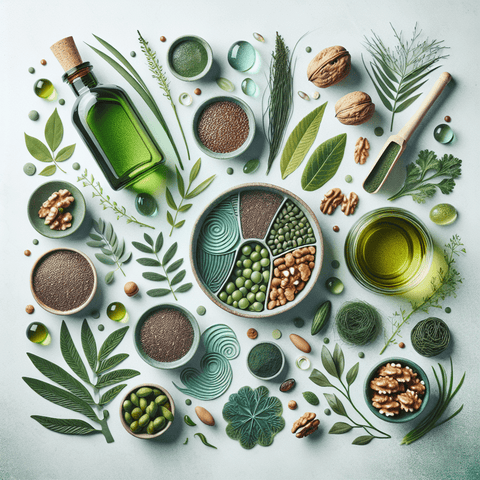
De rijkste plantaardige omega-3-bronnen zijn vooral gemalen lijnzaad, chiazaad, walnoten en hennepzaad. Deze voedingsmiddelen leveren voornamelijk ALA, terwijl algenolie een plantaardige bron van EPA en DHA kan zijn. Lees welke verschillen tussen deze omega-3-vormen belangrijk zijn, hoe je ze dagelijks gebruikt en waarop je let bij een veganistisch supplement.

What is the best omega-3 on the market? - Topvitamine
Oct 21, 2025
Het beste omega 3 supplement bestaat niet voor iedereen uit dezelfde formule. Let vooral op de hoeveelheid EPA en DHA, de oliebron, versheid, kwaliteitscontrole en jouw voedingsvoorkeuren. In dit artikel vergelijken we visolie, krillolie en algenolie en bespreken we wat bekend is over hart-, hersen- en oogfunctie. Ook beantwoorden we vragen over merken, bloedverdunners en rosacea.

Plant-based omega-3 is a topic that covers more than just a single food or supplement. It includes a family of fatty acids, several different plant sources, and a range of ways to include them in a modern diet. This guide provides a high-level overview of the subject, helping you understand the main concepts, sources, and practical considerations.

Understanding Plant-Based Omega-3

Omega-3 fatty acids are a family of polyunsaturated fats that are part of the normal human diet. The three main types are ALA, DHA, and EPA. The crucial difference from a dietary perspective is the source. While DHA and EPA are commonly associated with marine sources like fish, they originate from algae. ALA is predominantly found in plant seeds and oils.

Plant-based omega-3s are therefore those derived from botanical sources. This includes seeds like flax, chia, and hemp, as well as oils from these seeds. A significant development is the availability of algae-based oils, which can provide a direct source of DHA and EPA without marine ingredients, fitting comfortably within a plant-based lifestyle.

Understanding these basic distinctions is the first step in navigating the many options available and choosing the approach that best fits your dietary needs and preferences.

Key Plant-Based Sources of Omega-3

There are several primary plant sources for omega-3, each with its own nutritional profile and culinary characteristics.

The most common sources are seeds, which are known for their ALA content:

  • Flaxseeds and flaxseed oil: These are one of the richest plant sources of ALA. Flaxseeds can be ground for better nutrient absorption and used in baking or smoothies.
  • Chia seeds: Also a great source of ALA, chia seeds have the unique ability to form a gel when soaked, making them useful for puddings and as a textural addition to various recipes.
  • Hemp seeds: These provide a smaller amount of ALA but also contain other beneficial nutrients, making them a simple add-in for salads or oatmeal.

Beyond seeds, the most direct plant-based source of DHA and EPA is microalgae. Algae oil supplements and culinary oils are increasingly common, offering a way to get these specific forms without fish or krill.

If you are considering a supplement, exploring a dedicated selection of DHA and EPA supplements can help you understand the options available, including those derived from algae.

How to Add Plant-Based Omega-3 to Your Diet

Incorporating these sources is generally straightforward, as they are versatile ingredients. Here are some practical tips for everyday use.

Simple Ways to Use Seeds

Seeds are the most accessible starting point. To get the most from flaxseeds, grinding them just before use is often recommended, as this makes the nutrients more accessible. You can add ground flax to smoothies, oatmeal, or use it as an egg substitute in baking.

Chia seeds, when soaked in liquid, create a gel-like texture. This property is perfect for making puddings or for adding thickness and body to sauces and jams. Sprinkling chia or hemp seeds over yogurt, cereal, or salads is another effortless way to boost your intake.

Cooking with Oils

Flaxseed and algae oils are options to consider when thinking about adding plant-based omega-3 through cooking. A quick algae-oil vinaigrette for salads is a simple example. Over time, you can start with small quantities to find what works best for your taste and texture preferences.

Storing these oils correctly is important. Keeping them in a cool, dark place helps preserve their quality over time, much like other delicate oils.

Recipe Ideas to Get Started

Starting with simple recipes can help you get comfortable with these ingredients. Some easy ideas include a chia pudding made with plant-based milk, a batch of flaxseed crackers baked with herbs, or a smoothie that combines spinach, banana, and a teaspoon of ground flax. These ideas demonstrate the flexibility of plant-based omega-3 sources without requiring specialized equipment or hard-to-find items.

General Considerations for Supplements

For some, getting omega-3 from food alone might be challenging, as ALA conversion to DHA and EPA in the body is not always efficient. This is why algae-based supplements are popular; they provide pre-formed DHA and EPA.

As with any supplement, it is important to approach them as a complement to a balanced diet, not a replacement for it. There is no one-size-fits-all approach, and individual needs can vary. If you are considering a supplement, it is a good practice to review the product information carefully and consider seeking guidance from a qualified healthcare professional.

For a broader look at nutritional supplements, you can explore the Topvitamine natural supplements collection

Exploring the Topic Further

This guide covers the foundational information about plant-based omega-3. There are many more specific aspects to explore, from the differences between ALA, DHA, and EPA, to the best ways to pair these foods with other nutrients.

Deep dives into specific questions, such as the taste profile of algae oil, comparison between different seed types, or advanced culinary techniques, are best addressed in dedicated resources that can provide the necessary focused attention. In the meantime, the key takeaway is that plant-based omega-3s are a diverse and accessible topic, and starting with the basics is the best way to move forward.