
Ontdek hoe de voordelen van plantaardig vitamine D vanuit een wetenschappelijke invalshoek kunnen worden begrepen. Deze pagina introduceert het onderwerp, verduidelijkt wat onderzoekers bedoelen met de voordelen van plantaardig vitamine D, en schetst manieren om bronnen, tips en bewijs te verkennen zonder voorafgaande aannames over de uitkomsten. Door de kernwoorden 'voordelen van plantaardig vitamine D' centraal te stellen, nodigen we uit tot een doordachte overweging van definitie, context en interpretatie. In de sectie over bronnen en meting bespreken onderzoekers hoe de voordelen van plantaardig vitamine D worden weergegeven in de literatuur. De discussie belicht verschillende paden die onderzoekers overwegen, evenals de methodologische benaderingen die worden gebruikt om blootstelling, aanwezigheid of gerelateerde factoren in studiemateriaal te kwantificeren. Het doel is een neutraal overzicht te bieden van hoe bewijs wordt verzameld, geanalyseerd en vergeleken in diverse studies. Tips voor het omgaan met wetenschappelijk onderbouwde inhoud richten zich op kritische evaluatie. Wanneer je claims tegenkomt die verband houden met de voordelen van plantaardig vitamine D, onderzoek dan het onderzoeksontwerp, de steekproefgrootte, de robuustheid van de analyses en of de conclusies overeenkomen met de gepresenteerde gegevens. Let op transparantie over beperkingen, de context van de populatie en het onderscheid tussen mechanismen, associaties en gerapporteerde uitkomsten. Wetenschappelijk onderbouwde inzichten en onzekerheden worden zorgvuldig besproken. Het veld blijft zich ontwikkelen, met gebieden van consensus naast voortdurende vraagstukken. Deze pagina is bedoeld om lezers te helpen de bevindingen genuanceerd te interpreteren en updates te volgen naarmate het onderzoekslandschap evolueert, met de focus op de voordelen van plantaardig vitamine D en het bewijs dat hen omringt.
Voordelen van vitamine D op basis van planten: Versterk je botten, immuunsysteem en energieniveau op natuurlijke wijze
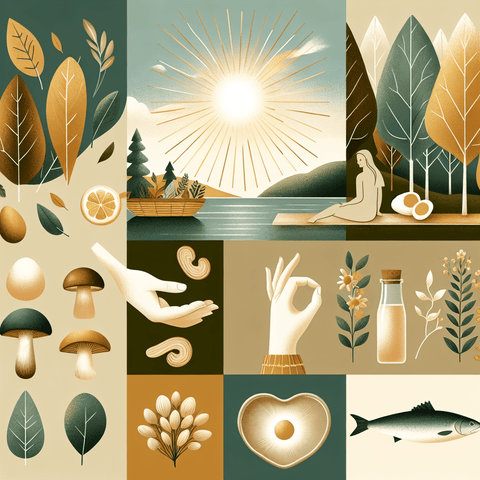
Plant-based vitamin D is a topic of growing interest among people who follow vegan, vegetarian or plant-forward diets. Vitamin D is a nutrient that contributes to the normal maintenance of bones, normal muscle function and the normal function of the immune system. For those who avoid animal-derived ingredients, understanding where vitamin D comes from, which forms are available, and how supplementation is typically approached can help support informed dietary choices. This page provides a broad overview of plant-based vitamin D benefits, the main forms and sources, and practical considerations to keep in mind.
What Is Plant-Based Vitamin D?
Plant-based vitamin D generally refers to vitamin D that is obtained from sources acceptable within a vegan or vegetarian diet. Vitamin D is a fat-soluble nutrient that occurs in several forms, with vitamin D2 (ergocalciferol) and vitamin D3 (cholecalciferol) being the most commonly discussed. Vitamin D2 is produced by some plants, fungi and yeasts when exposed to ultraviolet light, while vitamin D3 is traditionally derived from animal sources such as lanolin. However, vitamin D3 can also be produced from lichen, which is often used in vegan-friendly supplements.
The term "plant-based vitamin D benefits" is often used to describe the potential advantages of choosing vegan-friendly sources, such as aligning supplementation with dietary preferences, avoiding animal-derived ingredients, and supporting nutritional adequacy within a plant-based eating pattern. It is important to note that the benefits of vitamin D itself apply regardless of the source, and the choice between plant-based and animal-derived vitamin D is primarily a matter of dietary preference and product availability.
Why Vitamin D Matters for Overall Health
Vitamin D contributes to several important physiological functions. According to recognised nutrient claims, vitamin D contributes to the normal maintenance of bones, normal muscle function, and the normal function of the immune system. It also plays a role in the normal absorption and utilisation of calcium and phosphorus. Because of these roles, maintaining adequate vitamin D status is a consideration for many people, including those following plant-based diets.
For vegans and vegetarians, vitamin D may be of particular interest because some of the most common dietary sources, such as fatty fish and cod liver oil, are not suitable. This makes understanding plant-based sources and supplementation options especially relevant. However, individual vitamin D requirements can vary, and factors such as sun exposure, skin tone, age, season and geographic location can influence vitamin D status. General information is not a substitute for personalised medical advice.
Main Forms of Vitamin D in Plant-Based Products
When exploring plant-based vitamin D, it helps to understand the main forms available. Each form has different characteristics and may be used in different types of products.
- Vitamin D2 (ergocalciferol): produced by some fungi, yeasts and plants when exposed to ultraviolet light. It is often used in fortified foods and some supplements.
- Vitamin D3 (cholecalciferol): traditionally derived from lanolin, but vegan-friendly D3 can be produced from lichen. Lichen-derived D3 is increasingly common in plant-based supplements.
The choice between D2 and D3 is a frequent topic of discussion. Research has explored how each form may affect vitamin D status, and some studies suggest differences in how effectively they raise blood levels. However, this is a nuanced area, and individual responses can vary. For a more detailed comparison, readers may wish to explore dedicated articles on the topic.
Plant-Based Food Sources of Vitamin D
Natural food sources of vitamin D that are suitable for plant-based diets are limited, which is why fortified foods and supplements often play a role. Some examples include:
- UV-exposed mushrooms: mushrooms that have been exposed to ultraviolet light can produce vitamin D2.
- Fortified plant milks: many plant-based milks, such as soy, almond, oat and rice milk, are fortified with vitamin D.
- Fortified breakfast cereals: some cereals are fortified with vitamin D.
- Fortified orange juice: certain brands add vitamin D to orange juice.
- Fortified margarine and spreads: some plant-based spreads are fortified with vitamin D.
The amount of vitamin D in these foods can vary by product and brand, so checking labels is useful. For those who do not regularly consume fortified foods, supplements may be a practical way to help maintain adequate intake. You can explore related options in our vitamin D benefits, sources and safety category.
Supplement Considerations for Plant-Based Vitamin D
When choosing a plant-based vitamin D supplement, several factors may be worth considering. These include the form of vitamin D used (D2 or D3), the source of D3 (such as lichen), the amount per serving, and other ingredients in the product. Some supplements may also include calcium or other nutrients that play a role in bone health. If you are looking for complementary nutrients, you may find our calcium benefits for bone and muscle health category useful.
It is important to remember that supplements are not a substitute for a varied diet and healthy lifestyle. Vitamin D requirements can vary depending on individual circumstances, and excessive intake of vitamin D can be harmful. General information should not replace personalised advice from a qualified healthcare professional, especially if you have a medical condition or are taking medication.
Frequently Asked Questions About Plant-Based Vitamin D
Is plant-based vitamin D3 better?
"Better" depends on individual needs and preferences. Vitamin D3 is often considered more effective at raising blood levels of vitamin D compared to D2, but both forms can be used. Lichen-derived D3 offers a vegan-friendly option. The most suitable choice depends on factors such as dietary pattern, product availability and personal health considerations. A healthcare professional can help determine what is appropriate for you.
What is the best plant-based vitamin D?
There is no single "best" plant-based vitamin D for everyone. Some people prefer lichen-derived D3 supplements, while others may rely on fortified foods or UV-exposed mushrooms. The best option is one that fits your dietary preferences, is suitable for your needs, and provides an appropriate amount of vitamin D. Checking product labels and seeking professional guidance can help you make an informed choice.
What are signs of vitamin D deficiency?
Signs of vitamin D deficiency can vary and may include fatigue, muscle weakness, bone discomfort and mood changes. However, these symptoms can have many causes and are not specific to vitamin D deficiency. If you are concerned about your vitamin D status, it is best to consult a healthcare professional for appropriate testing and advice. This page does not provide medical diagnosis or treatment recommendations.
Can I take vitamin D with medication?
Vitamin D can interact with certain medications, including some heart medications, steroids and weight-loss drugs. If you are taking prescription medication, it is important to speak with your doctor or pharmacist before starting any new supplement. They can advise whether vitamin D is appropriate for you and whether any interactions are a concern. This information is general and not a substitute for professional medical advice.
Exploring Plant-Based Vitamin D Further
This page provides a broad introduction to plant-based vitamin D benefits, forms and sources. More specific topics, such as detailed comparisons of D2 and D3, dosage considerations, and deficiency risks for vegans and vegetarians, are explored in related articles. If you are interested in other plant-based supplements, you may also wish to browse our natural supplements collection. As with any supplement, it is advisable to make informed choices and consult a qualified healthcare professional when needed.