Plantaardige vitamines: Verhoog energie, immuniteit en welzijn op natuurlijke wijze


Plantengebaseerde vitaminen bevinden zich op het snijvlak van voedingsplanning en een plantaardere levensstijl. Deze pagina richt zich op wat plantaardegbare vitaminen zijn, waar ze vandaan komen en hoe ze passen in dagelijkse keuzes. Je vindt praktische tips, een overzicht van veelvoorkomende voedingsbronnen en advies over slimme supplementkeuzes, allemaal met de focus op plantaardegbare vitaminen. Praktische tips omvatten het variëren van verschillende plantengroepen om de vitamine-inname compleet te maken, het lezen van etiketten op verrijkte producten en het eenvoudig bijhouden van wat je consumeert. Overweeg om verschillende plantaardige voedingsmiddelen te combineren om het scala aan vitaminen dat je gedurende een dag of week tegenkomt, te vergroten. Als je specifieke dieetwensen of gezondheidszorgen hebt, kan overleg met een arts of geregistreerd diëtist je helpen een plan op maat te maken dat aansluit bij je doelen. De belangrijkste voedselbronnen voor plantaardegbare vitaminen variëren. Groene leafy groenten en kruisbloemige groenten bieden folaat en vitamine K, terwijl felgekleurde citrusvruchten en pepers verband houden met vitamine C. Gele en oranje groenten leveren voorloperstoffen voor vitamine A, en peulvruchten, volkoren granen en verrijkte ontbijtgranen kunnen bijdragen aan B-vitamines. Noten, zaden en sommige verrijkte plantaardige melk of granen voegen vitamine E en andere voedingsstoffen toe. Deze verscheidenheid laat zien hoe plantaardegbare vitaminen voorkomen in verschillende keukenbasisingrediënten zonder zich op één bron te richten. Slimme supplementkeuzes benadrukken praktisch nut en kwaliteit. Bij het zoeken naar supplementen met plantaardige of vegan labeling, let op duidelijke ingrediëntenlijsten, gerenommeerde certificeringen en onafhankelijke tests. Controleer op certificeringen die vegan geschiktheid bevestigen, en wees voorzichtig met onnodige vulmiddelen of toevoegingen. Als je medicijnen gebruikt of gezondheidsproblemen hebt, bespreek dan je supplementkeuzes met een zorgverlener om zeker te zijn dat ze passen binnen je algemene plan en behoeften.


How to get multivitamins naturally? - Topvitamine
May 20, 2026
Ontdek eenvoudige en effectieve manieren om je vitamine-inname op natuurlijke wijze te verhogen via heerlijke voedingsmiddelen en lifestyle-tips. Leer hoe je vandaag nog je essentiële voedingsstoffen binnenkrijgt zonder supplementen!
Plant-Based vs Synthetic Vitamins: What's the Difference? | Topvitamine - Topvitamine
Sep 13, 2025
Plantaardige vitamines zijn afkomstig uit planten of voedingsmiddelen, terwijl synthetische vitamines in een laboratorium worden geproduceerd. Het verschil zegt niet automatisch welke optie beter, veiliger of beter opneembaar is: de vorm, dosering, samenstelling en persoonlijke situatie spelen ook een rol. In deze gids lees je hoe je natuurlijke supplementen beoordeelt, welke kwaliteitsinformatie belangrijk is en wanneer professioneel advies verstandig is.
Top 5 Vegan Supplements That Actually Work and Taste Great | Topvitamine - Topvitamine
Jul 22, 2025
Vegan supplementen kunnen helpen om voedingsstoffen aan te vullen die bij een volledig plantaardig voedingspatroon extra aandacht vragen. Vitamine B12 is meestal de belangrijkste aanvulling. Vitamine D, omega 3 uit algenolie, ijzer, jodium en calcium hangen af van je voeding, leefstijl en persoonlijke situatie. Lees waarop je let bij het kiezen van een product en wanneer advies van een arts of diëtist verstandig is.
Best Vegan Multivitamins for 2025 | Topvitamine - Topvitamine
Jul 06, 2025
De beste vegan multivitamine bestaat niet voor iedereen uit dezelfde samenstelling. In deze gids lees je welke voedingsstoffen bij een vegan voedingspatroon extra aandacht verdienen, hoe je vegan en biologische claims controleert en welke verschillen tussen producten relevant zijn. Ook bespreken we vegan probiotica, huid en ouder worden, plus situaties waarin overleg met een arts of diëtist verstandig is.

Plant-based vitamins are a key consideration for anyone following a vegetarian, vegan, or flexitarian diet. They can also appeal to those simply looking to incorporate more plant-derived nutrients into their daily routine. This guide explains what plant-based vitamins are, how they differ from other supplements, and why they matter for everyday wellness. We’ll also explore common food sources, practical tips for building a balanced intake, and what to look for when choosing a supplement.

What Are Plant-Based Vitamins?

A plant-based vitamin is a supplement whose nutrients are derived from plant sources rather than animal-derived ingredients. This can include vitamins extracted from fruits, vegetables, herbs, and other botanicals. It is important to note that not all vitamins are naturally found in plants; for example, vitamin D3 is often derived from lanolin (sheep’s wool) or fish oil, though vegan versions from lichen are available.

Choosing plant-based vitamins is often about aligning supplement choices with a broader dietary ethos. For vegans and vegetarians, it helps ensure that their supplements fit within their lifestyle without compromising their values. It also reflects a preference for whole-food-derived nutrients, which some people find appealing, though it’s worth noting that ‘plant-based’ doesn’t automatically mean ‘better’—the quality and completeness of the formulation matter most.

Why Focus on Plant-Based Vitamins?

For many, the primary motivation is ethical consistency—ensuring all dietary components align with a plant-forward lifestyle. Others may be drawn to the potential for better absorption or tolerability, though individual responses vary. It’s also a matter of transparency:plant-based products often emphasize clean labels and simpler ingredient lists, which can be appealing in a crowded supplement market.

This page doesn’t aim to rank plant-based vitamins above other options. Instead, it provides a framework for understanding what they are, who they might suit, and how to approach them thoughtfully—whether through food choices or supplements.

Top Plant-Based Food Sources of Vitamins

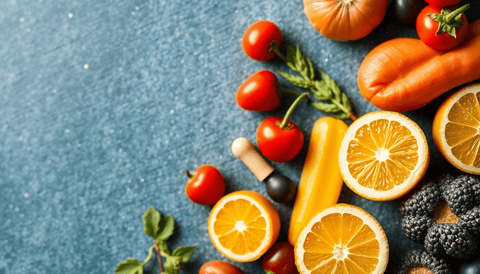
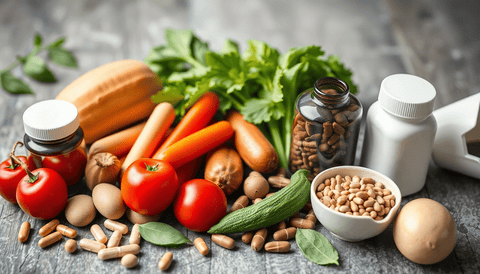
One of the simplest ways to increase your intake of plant-based vitamins is through food. Here are some broad categories to keep in mind:

  • Leafy greens & cruciferous vegetables:These are often associated with folate, vitamin K, and various antioxidants.
  • Citrus fruits & peppers:Known for vitamin C, which supports immune function and skin health.
  • Yellow & orange vegetables:Carrots, sweet potatoes,and squash provide beta-carotene, a precursor to vitamin A.
  • Legumes, whole grains, & fortified cereals:These can be significant contributors of B vitamins, especially folate and B12 when fortified.
  • Nuts, seeds, & fortified plant milks:Often sources of vitamin E and other essential nutrients.

Building meals around these categories can help you cover a wide spectrum of vitamins naturally. Variety is key—no single plant food provides every vitamin, so a broad mix over the course of a week is more effective than relying on a few favorites.

How to Choose a Plant-Based Vitamin Supplement

When diet alone isn’t enough—or when you want extra assurance—a supplement can be a useful addition. But not all plant-based vitamins are created equal. Here’s a practical checklist for evaluating your options:

  • Check for third-party testing:Independent labs can verify purity, potency, and label accuracy.
  • Look for certifications:Vegan or vegetarian certifications help confirm the absence of animal-derived ingredients.
  • Read the ingredient list:Shorter lists with recognizable ingredients often indicate fewer unnecessary fillers or additives.
  • Consider the source of each nutrient:Some vitamins, like D3or B12, may have plant-derived versions;check the label or company website for details.

A quality plant-based multivitamin can offer a convenient baseline. For more targeted support, you might explore individual nutrients or specific supplement categories. You can also explore our multivitamins guide to better understand how complete formulas are structured.

Practical Tips for a Plant-Forward Vitamin Strategy

Building a successful approach to plant-based vitamins doesn’t require perfection. Instead, focus on consistency and variety:

  • Rotate your food choices:Different colors and types of produce bring different vitamins to your table.
  • Read labels on fortified products:Plant milks, yogurts,and cereals may have added vitamins;know what you’re getting.
  • Keep a simple record:Noting what you eat can help you spot gaps in your vitamin intake over a week or two.
  • Pair foods thoughtfully:Vitamin C can help with iron absorption from plant sources, so combining beans with bell peppers is a classic example.

For broader mineral support, you might also review your intake of key minerals like magnesium or calcium, which work alongside vitamins in many bodily processes. Our magnesium supplement guide offers a deeper dive if that’s a gap you’ve noticed.

Important Considerations and Safety

While plant-based vitamins can be a valuable part of your routine, they are not a substitute for a varied diet. Supplements are intended to fill gaps, not replace whole foods. Also, ‘natural’ or ‘plant-based’ does not guarantee safety or effectiveness—dosage, potency,and quality vary widely between products.

If you take medications or have underlying health conditions, it’s always wise to discuss supplement choices with a healthcare professional or registered dietitian. They can help you assess whether a particular vitamin or dosage is appropriate for your individual needs, and avoid potential interactions.

Exploring Your Plant-Based Vitamin Options

The world of plant-based vitamins is broad, spanning everything from single-nutrient supplements to comprehensive blends. Understanding your own dietary patterns, lifestyle, and health goals is the first step toward choosing what works best for you. Whether you prefer getting your vitamins from food, supplements, or a combination, a thoughtful approach will serve you better than a random one.

If you’re just starting out, our superfoods guide can help you identify nutrient-dense plant foods to prioritize in your daily meals.

Ultimately, plant-based vitamins are one tool in a larger wellness toolkit. By staying informed and choosing products mindfully, you can support your nutritional goals in a way that feels aligned with your values and your health.