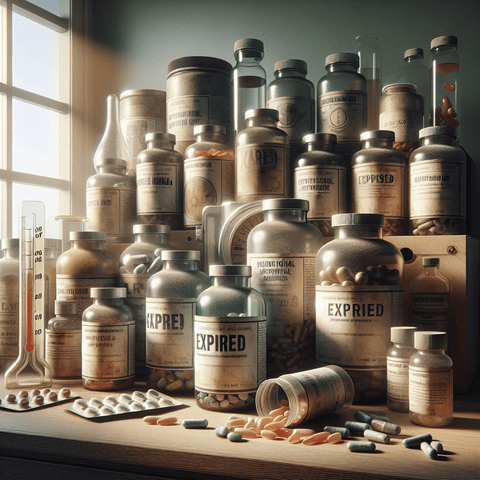
Potentie van oude supplementen is een onderwerp dat zorgvuldig, op wetenschap gebaseerde discussie uitlokt. Wanneer we klassieke formules bekijken, is de centrale vraag wat “potentie” in deze context betekent: de concentratie van belangrijke bestanddelen, de stabiliteit van die bestanddelen in de loop van de tijd, en hoe consistent die hoeveelheden kunnen worden gereproduceerd in verschillende batches. Door de discussie te kaderen rond analytische definities in plaats van waargenomen effecten, kunnen we onderzoeken hoe verouderde supplementen werden samengesteld, hoe opslag- en fabricagepraktijken hun samenstelling beïnvloeden, en hoe dat zich verhoudt tot moderne mengsels. Historisch gezien varieerde de potentie van oude supplementen sterk door verschillen in herkomst en verwerking. Ruwe materialen verschilden qua oorsprong, oogsttijd en kwaliteit, terwijl extractiemethoden en droogprocessen minder gestandaardiseerd waren. Verpakkings- en opslagcondities konden degradatie versnellen of verschuivingen in de samenstellingsprofielen veroorzaken. Zonder strikte standaardisatie was batch-variabiliteit gangbaar, waardoor de gemeten potentie meer een afspiegeling was van de supply chain en behandeling dan van een vaste formule. Dit benadrukt het belang van analytische karakterisering bij het bespreken van potentie, aangezien getallen die uit testen voortkomen helpen de ware samenstelling van een product te onthullen, los van wat op het etiket lijkt te staan. Moderne mengsels profiteren van vooruitgang in formulering wetenschappen en kwaliteitscontrole. Standaardisatie van extracten, duidelijk gedefinieerde markerverbindingen en strengere supply chains stellen hedendaagse producten in staat om een consistentere potentie over verschillende batches te bereiken. Analytische technieken zoals high-performance liquid chromatography, gaschromatografie-massa spectrometrie en andere spectroscopische methoden maken gedetailleerde profilering van bestanddelen en hun stabiliteit mogelijk. Daarnaast ondersteunen verbeteringen in verpakking, houdbaarheidstesten en regelgevende kaders een meer voorspelbare potentie in de tijd. Hoewel dit moderne mengsels reproducibeler kan maken, blijft de nadruk liggen op objectieve metingen in plaats van anekdotische indrukken van effectiviteit. Bij het evalueren van de potentie van oude supplementen versus moderne mengsels, is het nuttig om te stemmingen over metrics zoals de concentratie van markerverbindingen, batch-naar-batch reproduceerbaarheid en stabiliteit onder gangbare opslagomstandigheden. Onafhankelijke tests en third-party certificeringen kunnen transparantie bieden over de werkelijke samenstelling en stabiliteit van een product. Door ons te richten op de wetenschap van potentie—hoe bestanddelen worden gemeten, gecontroleerd en bewaard—kunnen we verouderde supplementen vergelijken met hedendaagse mengsels op een rigoureuze en ongefundeerde wijze.
Potentie van Oude Supplementen: Zijn Klassieke Formules Nog Stevig?
The topic of supplement potency, particularly when it comes to older products, often raises questions about efficacy, quality, and what we can truly expect from a bottle that has been on the shelf for years. This page serves as a comprehensive guide to understanding the science behind supplement potency, exploring how analytical definitions, historical manufacturing practices, and modern quality control shape the composition of both classic and contemporary formulas.
Rather than relying on anecdotal impressions, we will compare aging staples with modern blends by examining objective metrics like marker compound concentration, batch-to-batch reproducibility, and stability under common storage conditions. This scientific perspective allows for a rigorous evaluation of what potency means and how it is measured, providing a foundation for making informed decisions about any supplement, new or old.
What Does Potency of Old Supplements Really Mean?
At its core, “potency” is an analytical measure, not a subjective feeling. It refers to the specific concentration of key active constituents in a product, the chemical stability of those constituents, and the consistency of that concentration from one batch to another. When we ask if an old supplement is potent, we are really asking about these three measurable factors: What is in the pill? How has that chemical composition changed over time? And does the label accurately reflect what is in the container?
Understanding this definition is the first step in evaluating any supplement, regardless of its age. It shifts the focus from vague claims of “effectiveness” to concrete, testable properties that form the foundation of quality and reliability.
Key Scientific Concepts in Assessing Potency
To properly evaluate the potency of any supplement, especially an older one, it helps to be familiar with a few core concepts that scientists and manufacturers use to ensure quality. These principles provide a common language for discussing the subject with precision.
- Marker Compound Concentration: This is the measured level of a specific, known chemical in the product that serves as an indicator of its quality or activity. It is a tangible, quantifiable metric.
- Batch-to-Batch Reproducibility: This refers to the ability of a manufacturer to produce consistent products, so that every bottle from every production run contains the same concentration of active ingredients as the last.
- Stability Over Time: This is a measure of how well a product’s chemical composition holds up under various environmental conditions like temperature, humidity, and light exposure, and over a given shelf life.
Historical Challenges Affecting Classic Formulas
The potency of older supplements was not always a given, primarily due to the manufacturing and sourcing environment of the time. A classic formula’s composition was often a reflection of variables that had little to do with the intended recipe, making batch-to-batch variability a common issue.
- Sourcing and Raw Materials: The origin of the raw materials, the time of harvest, and the overall quality could vary greatly, leading to products that differed in their natural constituent profile.
- Processing Methods: Extraction and drying techniques were often less standardized, which could affect the final concentration and stability of the ingredients.
- Packaging and Storage: Less advanced packaging materials and a lack of controlled storage conditions could accelerate the degradation of sensitive constituents, altering the final product that reached the consumer.
Because of these factors, the critical takeaway is that the potency of an old supplement is more a historical record of its supply chain and handling than a fixed attribute of the formula itself. This is why analytical testing is so crucial in understanding what a product truly contains.
How Modern Advances Improve Potency and Consistency
Modern supplements have a distinct advantage over their historical counterparts, thanks to significant progress in formulation science and quality control. These developments allow contemporary products to achieve a level of consistency and predictability that was difficult to attain previously.
- Standardized Extracts: By using extracts standardized to contain a specific level of a marker compound, manufacturers can ensure that the active ingredients are present in the intended amount.
- Advanced Analytical Testing: Techniques like high-performance liquid chromatography (HPLC) and gas chromatography-mass spectrometry (GC-MS) allow for detailed, precise profiling of a product's constituents and their stability over time.
- Improved Packaging and Quality Control: Better packaging materials, more rigorous shelf-life testing, and tighter regulatory frameworks all contribute to a more predictable potency over the product's lifecycle.
While these advances make modern blends more reproducible and reliable, the focus remains on objective measurements, not subjective impressions of effectiveness. The value of any supplement, modern or classic, is determined by its verified composition.
The Role of Independent Testing and Certification
When considering any supplement, third-party testing and certifications provide a critical layer of transparency and trust. These independent evaluations can offer objective insights into a product's actual composition and stability, which is particularly useful when assessing the value of an older formula or the claims of a new one.
By focusing on the science of potency—how constituents are measured, controlled, and preserved—we can make more informed comparisons among products. This approach is rigorous and helps avoid unsubstantiated claims, whether they are about a “classic” formula or a cutting-edge blend. When exploring supplements, it's beneficial to look for those that provide this level of analysis and quality assurance, such as the range of natural supplements focused on quality.
General Considerations for Supplement Storage and Use
While the science of formulation is key, the way a supplement is stored after it reaches your home also plays a role in maintaining its potency. Proper storage can help slow the natural degradation of ingredients, ensuring that the product you are using is as close to its original composition as possible.
- Protect from Heat and Light: Store supplements in a cool, dry place away from direct sunlight, as heat and UV rays can break down certain vitamins and other compounds.
- Avoid Moisture: Keep bottles tightly sealed and avoid storing them in humid environments like bathrooms, as moisture can degrade ingredients and encourage microbial growth.
- Respect Expiration Dates: While a product might not become dangerous immediately after its expiration date, its potency is no longer guaranteed. For best value, it is wise to adhere to the manufacturer's advised dates.
Understanding these factors can help you get the most from your supplements. If you are exploring specific nutrients or blends, you might find related resources on multivitamin ingredients and usage or other herbal supplement guides to be helpful.
Exploring the Topic Further
This guide has provided a high-level overview of the key scientific concepts behind supplement potency. To delve deeper into specific questions, such as the effectiveness of a product past its expiration date or the stability of particular nutrients, the blog articles linked on this page will offer more detailed analysis. These resources can provide insights into the nuances of how different factors affect the composition and quality of supplements.
Ultimately, becoming a more informed consumer involves understanding the science that lies behind the label. By asking the right questions about measurement, standardization, and testing, you can evaluate any supplement with greater confidence and make choices that align with your health and wellness goals.