
Het begrijpen van de potentiële vitamin C-toxiteit begint met een duidelijk beeld van hoe de inname de capaciteit van het lichaam om ascorbaat te verwerken, kan overschrijden. Deze pagina biedt praktische, deskundige begeleiding om je te helpen waarschuwingssignalen te herkennen, de risico’s af te wegen en veilige dagelijkse doseringen te leren om je gezondheid vandaag te beschermen. Door je te richten op het concept van potentiële vitamin C-toxiteit, kun je je blootstelling aan supplementen en andere bronnen beoordelen en bepalen of professioneel advies gewenst is. Waarschuwingssignalen van potentiële vitamin C-toxiteit kunnen zich eerst in het spijsverteringsstelsel voordoen—diarree, misselijkheid en buikkrampen worden vaak gemeld. Sommige mensen kunnen ook last krijgen van hoofdpijn, vermoeidheid of een algemeen gevoel van malaise. Als deze symptomen optreden na een periode van hoge inname, kan het nodig zijn om de totale dagelijkse consumptie te herzien en te overwegen de inname te verminderen tot meer duurzame niveaus. Het begrijpen van de risico’s houdt in dat je erkent dat de tolerantie voor vitamine C verschilt tussen personen en over langere blootstellingsperiodes. Chronische overconsumptie kan de kans op nadelige effecten vergroten en kan interacties hebben met bepaalde gezondheidsaandoeningen of medicijnen. Mensen met een geschiedenis van nierstenen of andere niergerelateerde zorgen moeten extra voorzichtig zijn, en iedereen met dergelijke omstandigheden moet professioneel advies inwinnen om het persoonlijke risico te beoordelen. Veilige dagelijkse doseringen komen voort uit vastgestelde richtlijnen die gematigdheid en monitoring benadrukken. De algemeen aangehaalde mogelijke bovengrens voor volwassenen is 2000 mg per dag; het blijven onder dit niveau vermindert het risico op potentiële vitamin C-toxiteit. Omdat de behoeften verschillen, is het raadzaam een voorzichtige aanpak te hanteren, de totale dagelijkse inname uit alle bronnen bij te houden en bij twijfel of bestaande aandoeningen een zorgprofessional te raadplegen. Praktische stappen omvatten het kiezen voor een geleidelijke verhoging en het vermijden van lange periodes van langdurige hoge inname.
Potentiële Vitamine C Toxiciteit: Symptomen, Risico's en Veilige Hoeveelheid
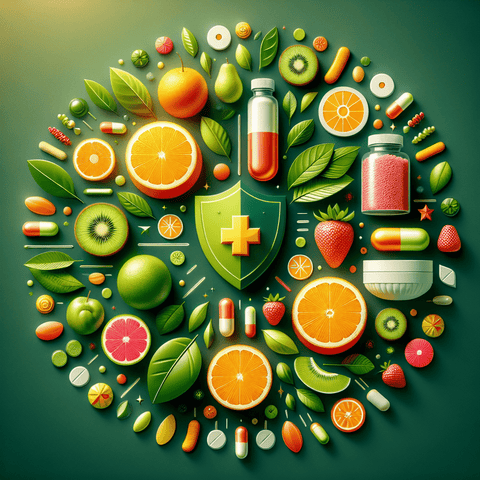
Vitamin C is one of the most widely used supplements, valued for its antioxidant properties and role in supporting immune function. Because it is water-soluble, the body can excrete excess amounts, which generally gives it a favorable safety profile. However, this does not mean that very high intakes are without potential consequences. Understanding potential vitamin C toxicity means looking at how much is too much for a given individual, what signs may indicate excess intake, and which groups may need to be more cautious.
This page provides a broad overview of the topic and helps you navigate the key dimensions: signs of excess intake, dosage thresholds, risk factors, dietary versus supplemental sources, and practical safety considerations. For related information, you can also explore our vitamin C benefits and immunity collection.
What Potential Vitamin C Toxicity Means
The term toxicity is often used broadly, but in the context of vitamin C it generally refers to adverse effects that may occur when intake significantly exceeds the body's needs and its ability to comfortably process the amount consumed. Because vitamin C is water-soluble, excess amounts are typically excreted in urine rather than stored in tissues. This makes true toxicity rare compared to fat-soluble vitamins.
That said, high supplemental doses can still cause unwanted effects, especially in the digestive system. The concept of potential toxicity also includes considerations for people with certain health conditions who may be more sensitive to high intakes. It is also important to distinguish between dietary vitamin C from foods and supplemental vitamin C, as the two differ in how easily they can lead to excessive intake.
Signs and Symptoms to Be Aware Of
The most commonly reported effects of high vitamin C intake are gastrointestinal. These may include:
- Diarrhea
- Nausea
- Abdominal cramps
- Heartburn or acid reflux
Some individuals may also experience headaches, fatigue, or a general feeling of malaise after sustained high intake. These symptoms are not necessarily dangerous on their own, but they can signal that the current intake level is not well tolerated. Symptoms often resolve when intake is reduced to a more moderate level.
Beyond digestive discomfort, there are additional considerations for certain groups. People with a history of kidney stones or kidney-related conditions may be advised to be cautious with high-dose vitamin C. Individuals with iron overload disorders may also need to monitor intake, as vitamin C can enhance iron absorption. Anyone with these conditions should seek professional guidance before using high doses.
How Much Is Too Much? Dosage Thresholds and Guidelines
Guidelines from public health authorities provide a useful framework for understanding safe intake levels. The recommended dietary allowance (RDA) for vitamin C is generally around 75 mg per day for adult women and 90 mg per day for adult men, with higher amounts suggested for smokers. These amounts are easily obtained through a balanced diet.
The tolerable upper intake level (UL) for adults is commonly cited as 2,000 mg per day from all sources. This is not a target but rather a threshold above which the risk of adverse effects may increase. Staying at or below this level is generally considered unlikely to cause harm in healthy individuals, though some people may experience digestive symptoms at lower doses.
A commonly referenced dose of 1,000 mg per day is well below the UL and is often used in supplements. For many healthy adults, this amount is unlikely to cause issues, but individual tolerance varies. Some people may find that 1,000 mg daily causes loose stools or stomach upset, while others tolerate it without difficulty. This is why a gradual approach and attention to personal response are useful.
Dietary vs. Supplemental Vitamin C
Vitamin C from food sources is generally unlikely to cause toxicity because the amounts present in fruits and vegetables are relatively low and the body regulates absorption. Supplements, by contrast, can deliver much higher doses in a single serving, making it easier to exceed what the body comfortably handles. Most cases of adverse effects related to vitamin C involve supplemental forms rather than food.
What Not to Mix With Vitamin C
Vitamin C can interact with certain medications and supplements. While this is not the same as toxicity, it is an important part of the broader safety picture. For example, vitamin C may enhance the absorption of iron, which is beneficial for some but a concern for those with iron overload. It may also interact with certain chemotherapy drugs, statins, or blood thinners in ways that require medical guidance.
If you take prescription medications or have a health condition, it is wise to consult a healthcare professional before using high-dose vitamin C. This page does not provide personalized medical advice, and individual circumstances can vary significantly.
How to Manage Excess Intake
If you suspect that your vitamin C intake is too high, the most straightforward step is to reduce it. Because vitamin C is water-soluble, the body will typically clear excess amounts over time once intake is lowered. Staying hydrated may support normal kidney function, but there is no specific flush or cleanse needed.
Practical steps include reviewing all sources of vitamin C, including multivitamins, fortified foods, and individual supplements, to get a clear picture of total daily intake. If symptoms persist or you have underlying health concerns, seeking professional guidance is appropriate.
Related Topics and Further Exploration
Vitamin C toxicity is one part of a larger conversation about safe supplement use. Related topics include vitamin C dosage guidelines, food sources, interactions with medications, and the role of antioxidants in the body. You can explore our antioxidant supplement collection for more context on how vitamin C fits into broader antioxidant nutrition.
For general supplement safety and guidance, you can also browse our natural supplements collection. This page is intended for educational purposes and does not replace personalized medical advice. If you have concerns about your vitamin C intake or experience persistent symptoms, consult a qualified healthcare professional.