Prebiotische vezels verwijzen naar een categorie van niet-verteerbare koolhydraten die intact door het bovenste spijsverteringskanaal reizen en de lagere darm bereiken, waar ze kunnen worden gefermenteerd door de aanwezige microbiota. In wetenschappelijke discussies worden prebiotische vezels gedefinieerd door criteria zoals hun fermenteerbaarheid door darmmicroben en hun weerstand tegen spijsvertering door de host. Omdat veel verbindingen onder deze noemer vallen, beschrijven onderzoekers een scala aan structuren—van kleine oligosacchariden tot langere polymeren—en bestuderen ze hoe deze omgaan met het darm-ecosysteem. In de darm vertrouwen microbiële gemeenschappen op beschikbare substraten voor hun metabolisme. Prebiotische vezels bieden zo'n substraat, en onderzoekers bekijken hoe hun aanwezigheid de microbiële activiteit en de dynamiek van de gemeenschap beïnvloedt. De focus ligt op het begrijpen van de mechanismen waarmee deze vezels door microben worden benut, hoe fermentatie-eindproducten worden gevormd en hoe deze processen verband houden met het bredere ecosysteem. Het is belangrijk op te merken dat bevindingen kunnen verschillen afhankelijk van het specifieke type prebiotische vezel en de context van de studie. Wetenschappelijk onderbouwde voordelen worden in de literatuur beschreven als associaties die in goed opgezette studies worden waargenomen, samen met mechanistische hypotheses die in het lab worden getest. Systematische reviews en gerandomiseerde onderzoeken dragen bij aan het groeiende inzicht, maar de resultaten kunnen variëren afhankelijk van het type vezel, de dosering en de populatie. Deze inhoud biedt een voorzichtige kijk op wat het bewijs aangeeft, waarbij zowel consistente thema's als gebieden waar verder onderzoek nodig is, worden benadrukt. Om met inhoud over prebiotische vezels te werken, overweeg hoe definities worden geformuleerd, welk onderzoeksontwerp wordt gebruikt en welke uitkomsten worden gemeten. Zoek naar peer-reviewed bronnen, duidelijke methodologie en transparante rapportage. Het doel is om een goed onderbouwd beeld te krijgen van hoe prebiotische vezels verband houden met het microbiome en gerelateerde biologische processen, zonder claims te maken die verder gaan dan wat het bewijs ondersteunt. Let op dat deze pagina informatief is en geen vervanging vormt voor professioneel advies.
Prebiotische vezels: Verbeter je spijsvertering met wetenschappelijk bewezen voordelen
Prebiotic fibers play a significant role in discussions about digestive wellness and the gut microbiome. These non-digestible carbohydrates serve as a food source for beneficial bacteria in the lower gut, influencing microbial activity and overall gut ecology. This guide provides a broad overview of prebiotic fibers, explaining what they are, why they matter, the different types, and important considerations for incorporating them into your diet.
What Are Prebiotic Fibers?
Prebiotic fibers are a specific category of dietary fiber that resist digestion in the upper gastrointestinal tract. Unlike many other food components, they pass through the stomach and small intestine largely intact. Upon reaching the colon, these fibers become a substrate for the resident microbiota—the community of microorganisms living in the gut. This fermentation process is central to how prebiotics exert their effects.
To be classified as a prebiotic, a compound must generally meet specific scientific criteria. These criteria include resistance to gastric acidity and digestive enzymes, fermentation by intestinal microbiota, and the ability to selectively stimulate the growth or activity of bacteria associated with health. Many different types of fibers can meet these criteria, from short-chain oligosaccharides to longer, more complex polysaccharides.
Understanding this definition helps clarify how prebiotics differ from general dietary fiber. While all prebiotics are fibers, not all fibers are prebiotics. The prebiotic classification is based on a specific functional relationship with the gut microbiome, going beyond simple bulking or digestive regularity.
Why Are Prebiotic Fibers Important for Gut Health?
The health of the gut microbiome is a topic of growing scientific interest, linked to various aspects of human physiology including digestion, immunity, and metabolic processes. Prebiotic fibers are important because they help shape the composition and activity of the microbial community. When gut bacteria ferment these fibers, they produce metabolites, such as short-chain fatty acids, which are studied for their various roles in the gut and throughout the body.
The relationship between prebiotics and the microbiome is a complex interplay. The effects vary based on the specific type of fiber, the dosage consumed, and the individual's unique gut microbial composition. Research often explores how these substrates influence microbial diversity, promote the growth of beneficial strains, and how this relates to broader health outcomes. This is a dynamic field where consistent themes are emerging, but many individual responses can vary.
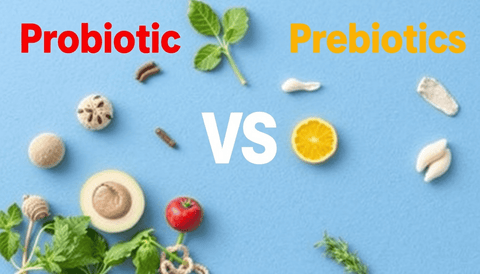
It is also common to hear about prebiotics and probiotics together. Probiotics are beneficial live microorganisms, while prebiotics are the nutrients that help feed them. Together, they form a synbiotic relationship. While this tag page focuses on prebiotics, you can explore more about their counterparts in our dedicated probiotics and prebiotics supplements collection.
Common Types and Food Sources of Prebiotic Fibers
Several types of prebiotic fibers are commonly studied and found in foods and supplements. Understanding the main categories can help you recognize them in ingredient lists and appreciate their different characteristics.
A helpful way to think about prebiotic fibers is by their chemical structure and primary food sources. Here are some of the best-known types:
- Inulin and Fructo-Oligosaccharides (FOS): These are fructans, chains of fructose molecules. They are naturally found in foods like chicory root, Jerusalem artichokes, garlic, and onions. Inulin and FOS are among the most researched prebiotic fibers.
- Galacto-Oligosaccharides (GOS): These are chains of galactose and are found naturally in legumes and human breast milk. GOS are often added to infant formulas to mimic the prebiotic effects of breast milk.
- Other Resistant Starches: Certain starches resist digestion in the small intestine. Foods like green bananas, cooked and cooled potatoes, and some whole grains are sources of resistant starch that can also have prebiotic effects.
This is not an exhaustive list, as researchers continue to identify other compounds with prebiotic properties. However, these examples illustrate the diversity of structures and dietary sources that fall under this umbrella term.
Prebiotic Fiber Supplements: What to Consider
Beyond food sources, prebiotic fibers are available as dietary supplements. These are often marketed to support gut health or to help individuals increase their fiber intake without making significant dietary changes. Supplements can contain a single type of fiber, like inulin, or a blend of several.
When considering supplements, it's important to start with lower doses and gradually increase as tolerated. This is because a sudden increase in fermentable fibers can lead to temporary digestive discomfort, such as gas or bloating. Individual responses vary greatly, and what works for one person may not be suitable for another. It's also wise to be aware of the specific type of fiber in a product, as they are not interchangeable.
If you are interested in exploring supplements, you can find various options from brands we carry. For instance, our Dr. Mercola natural health selection or our Nature's Plus supplements may include formulations that support digestive health. Always read product labels carefully, and follow the manufacturer's instructions.
Exploring Prebiotic Fiber Questions in Depth
The topic of prebiotic fibers involves many nuanced questions about their practical use and comparison to other supplements. Here is a brief overview of some common areas of interest that you may wish to explore further.
How Do Prebiotic Fibers Compare to Other Fiber Supplements?
It's common to wonder how prebiotic fibers compare to general fiber supplements, such as those containing psyllium husk. While all provide fiber, their mechanisms differ. Prebiotics like inulin specifically aim to feed the gut microbiota. Other fiber supplements, like psyllium, are primarily known for adding bulk to the stool and promoting regularity. The choice depends on one's specific wellness goals.
Considering the Benefits and Individual Tolerances
Are prebiotic fibers good or bad for you? For most people, they are generally considered beneficial. However, the response is highly individual. While they can support a healthy digestive system, consuming them in large amounts, especially when unaccustomed, can cause digestive discomfort. The key is finding the right type and amount for your body.
Questions about how prebiotics affect digestive function, such as their potential role in managing occasional diarrhea or constipation, are nuanced. These effects are often dose-dependent and vary widely from person to person. For a deeper dive into these specific physiological effects, a more detailed article can provide the nuance needed.
A Closing Note on Research and Your Wellness Journey
The science of prebiotic fibers and the gut microbiome is complex and still evolving. Research provides valuable insights, but findings are often context-dependent and can vary significantly between individuals. When evaluating information, it's helpful to look for peer-reviewed sources and studies with clear methodology.
This page is intended for educational purposes and provides a broad framework for understanding prebiotic fibers. It is not a substitute for professional medical advice. Always consult with a qualified healthcare provider before making significant changes to your diet or supplement routine, especially if you have underlying health conditions.