Probiotica: Transformeer je spijsvertering en immuniteit vandaag nog


Probiotica zijn levende micro-organismen die bestudeerd worden vanwege hun interacties met de darmmicrobioom. In wetenschappelijke termen worden deze preparaten beschreven door exacte stambenamingen, en onderzoekers bekijken hoe verschillende stammen reageren op de gastro-intestinale omgeving. Omdat effecten vaak stam-specifiek zijn en afhankelijk van formulering en individuele factoren, richt deze pagina zich op onderbouwde probiotica, hoe je geloofwaardige stammen kunt herkennen, en praktische overwegingen bij het kiezen en gebruiken ervan. Verschillende probiotische stammen worden vaak vermeld in onderzoek vanwege hun goed gedocumenteerde eigenschappen. Bijvoorbeeld Lactobacillus rhamnosus GG, Bifidobacterium animalis subsp. lactis BB-12, en Lactobacillus plantarum 299v worden vaak beschreven in studies. Let op dat zelfs binnen een soort verschillende stammen zich anders kunnen gedragen, dus controleer altijd de exacte stamnaam op het etiket. Bij het evalueren van probiotische producten, let op de geloofwaardigheid van de stamverificatie en of de formulering volgens gegevens over de levensvatbaarheid en onafhankelijke testen bevat. Tips voor dosering van probiotische producten omvatten het bekijken van het etiket voor het beoogde aantal kolonië-vormende eenheden (CFU) per portie en het opvolgen van de aanbevolen dagelijkse hoeveelheid. Levensvatbaarheid kan worden beïnvloed door opslag en tijd, dus houd je aan de opslaginstructies en let op bewaringsclaims die op het moment van verval geldig zijn. Kies tussen éénstamlaboratoria en multi-stamformules op basis van transparantie van het product en jouw gebruiksplan. Als je nieuw bent met probiotica, begin dan met de aanbevolen hoeveelheid op het etiket en pas alleen aan binnen de vermelde richtlijnen, en raadpleeg een arts als je gezondheidsproblemen hebt of medicijnen gebruikt. Omdat reacties op probiotica kunnen variëren, is een praktische aanpak om je ervaring in de loop van de tijd te observeren in plaats van te verwachten dat er snel veranderingen plaatsvinden. Houd een eenvoudige log bij van de naam van het probiotische product, batch- of lotnummer, datum en tijd van inname, en subjectieve observaties over hoe je het product in je routine hebt opgenomen. Let op kwaliteitsindicaties zoals verpakking en afgiftesysteem. Als je vragen hebt of onverwachte effecten opmerkt, zoek dan begeleiding van een gekwalificeerde professional en raadpleeg de veiligheid en gebruiksinformatie van de fabrikant voor probiotica.


Is there a downside to taking probiotics? - Topvitamine
Oct 30, 2025
De nadelen van probiotica zijn meestal mild en tijdelijk, zoals winderigheid, een opgeblazen gevoel of veranderingen in de stoelgang. Niet elk probioticum werkt voor iedere klacht en de werking verschilt per stam. Lees hoe je een supplement zorgvuldig beoordeelt, wanneer dagelijks gebruik mogelijk is en waarom mensen met een verminderde afweer of ernstige aandoening eerst medisch advies moeten vragen.
What is probiotics good for? - Topvitamine
Oct 26, 2025
Probiotica zijn levende micro-organismen die, in voldoende hoeveelheden en afhankelijk van de stam, de darmgezondheid kunnen ondersteunen. Ze worden vooral gebruikt voor spijsverteringscomfort en na verstoring van de darmflora, maar werken niet voor iedereen hetzelfde. In dit artikel lees je wat probiotica zijn, welke factoren bij de keuze tellen, hoe ze zich verhouden tot spijsverteringsenzymen en wanneer je beter een zorgverlener raadpleegt.
How do I know if I need probiotics? - Topvitamine
Oct 24, 2025
Heb ik probiotica nodig? Een opgeblazen gevoel, veranderde stoelgang of recent antibioticagebruik kunnen redenen zijn om meer over probiotica te lezen, maar bewijzen op zichzelf geen verstoorde darmflora. In deze gids ontdek je wat probiotica zijn, wanneer ze mogelijk nuttig zijn, wat artsen en onderzoek aangeven, welke bijwerkingen kunnen voorkomen en wanneer je beter eerst medisch advies vraagt.
Where are a lot of probiotics found? - Topvitamine
Oct 22, 2025
Waar zitten veel probiotica in? Vooral in gefermenteerde producten zoals yoghurt met levende culturen, kefir, zuurkool en kimchi. In dit artikel lees je welke zeven voedingsmiddelen vaak probiotische culturen bevatten, waarom niet elk gefermenteerd product levende bacteriën levert en wanneer een supplement praktisch kan zijn. Ook bespreken we yoghurt bij diabetes type 2 en aandachtspunten bij colitis ulcerosa.
How do you know if you need probiotics? - Topvitamine
Oct 22, 2025
Of je probiotica nodig hebt, is niet altijd aan symptomen te zien. Probiotica zijn levende micro-organismen waarvan het effect afhangt van de bacteriestam, de hoeveelheid en je persoonlijke situatie. In dit artikel lees je wanneer mensen ze overwegen, welke voedingsmiddelen gunstige bacteriën leveren, waarop je let bij het kiezen van een supplement en wanneer je beter eerst een zorgverlener raadpleegt.
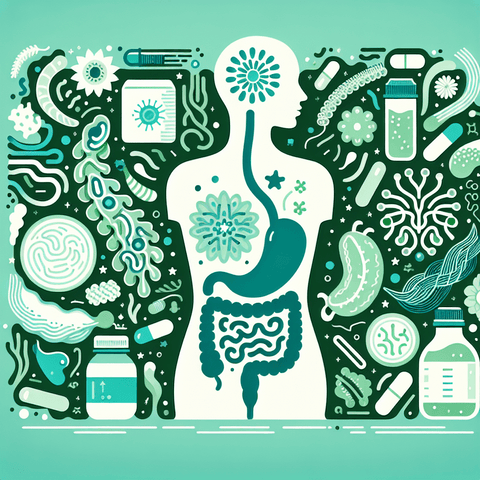
What happens if you use probiotics every day? - Topvitamine
Oct 22, 2025
Dagelijks probiotica gebruiken is voor de meeste gezonde volwassenen doorgaans goed te verdragen, maar het effect verschilt per bacteriestam, product en persoon. Probiotica kunnen de darmgezondheid en spijsvertering ondersteunen, maar zijn geen wondermiddel en veranderen het microbioom niet automatisch blijvend. Lees welke bacteriën vaak worden gebruikt, hoe je een supplement kiest en wanneer overleg met een zorgverlener verstandig is.

Probiotics are a cornerstone topic in digestive and immune health. This guide provides a broad, science-grounded overview of what probiotics are, how they relate to your gut microbiome, their potential benefits, and key considerations for choosing foods and supplements. Here, we map the landscape of this important subject, offering a foundation for more specific questions and guiding you through the essential concepts.

What Are Probiotics and How Do They Work?

Probiotics are live microorganisms, primarily bacteria and some yeasts, that are intended to provide health benefits when consumed in adequate amounts. They are often called "good" or "friendly" bacteria because they help maintain a balanced environment in your gut, known as the microbiome. This internal ecosystem of trillions of microbes influences digestion, nutrient absorption, and the training and support of the immune system.

The way probiotics work is complex and strain-specific. They can interact with the gut's immune cells, produce beneficial compounds like short-chain fatty acids, and compete with potentially harmful bacteria for nutrients and attachment sites. It is crucial to note that not all probiotics are the same; health effects are often linked to specific strains. For example, Lactobacillus rhamnosus GG, Bifidobacterium animalis subsp. lactis BB-12, and Lactobacillus plantarum 299v are among the well-studied strains, but even within the same species, different strains can behave very differently.

Potential Health Benefits of Probiotics

Research into probiotics has explored their role in a variety of health areas. While effects are often specific to the strain and individual, some of the most consistent areas of study include:

  • Digestive Health: Supporting regular bowel movements and overall gut comfort.
  • Immune Support: Helping to maintain a healthy immune response, particularly in the gut, which houses a large portion of your immune system.
  • Nutrient Metabolism: Contributing to the breakdown and absorption of certain dietary components.

It is essential to understand that these are areas of potential benefit, and individual responses to probiotics can vary significantly. The scientific community continues to study how probiotics can be used most effectively, but they are not a cure or guaranteed preventive measure for any illness. They should be viewed as one part of a balanced lifestyle.

Probiotic Foods vs. Supplements

Probiotics can be obtained from two primary sources: fermented foods and dietary supplements. Including a variety of fermented foods in your diet is a natural way to consume beneficial bacteria. Common examples include:

  • Yogurt and kefir (dairy or non-dairy based)
  • Sauerkraut and kimchi (unpasteurized)
  • Miso and tempeh
  • Some types of cheese (e.g., Gouda, cheddar, cottage cheese)

Supplements offer a more concentrated and specific dose of particular strains. When choosing a supplement, it's important to look beyond just the brand name. We have a guide to probiotic and prebiotic supplements which explains key labels in more detail.

Key Considerations When Choosing a Probiotic

Navigating the supplement aisle can be challenging. Here are the most important factors to consider to make an informed choice.

Understanding Strain Specificity

The identity of a probiotic is defined by its genus, species, and strain. For example, in Lactobacillus rhamnosus GG, Lactobacillus is the genus, rhamnosus is the species, and GG is the strain. Because benefits are often strain-specific, look for a product that clearly states the full strain name on the label. This ensures you are getting a formulation that has been studied for its specific characteristics.

CFU Counts and Viability

The potency of a probiotic is often measured in colony-forming units (CFUs). A higher CFU count does not always mean a better product, but it should be consistent with what was used in the research for that specific strain. More importantly, check for a "viability guarantee." This ensures that the bacteria will still be alive at the time of expiration, not just at the time of manufacture. Also, follow the storage instructions on the label (some require refrigeration) to maintain the product's effectiveness.

Third-Party Testing and Transparency

Choosing a product from a reputable manufacturer that uses third-party testing can provide extra assurance of quality. This independent verification can confirm that the product contains the strains and CFU count listed on the label. Transparency is key: look for products that are open about their strain verification and quality control processes.

Prebiotics and the Microbiome

To fully understand probiotics, it's helpful to be familiar with prebiotics. While probiotics are live beneficial bacteria, prebiotics are a type of non-digestible fiber that serves as food for those bacteria. By nourishing the good bacteria already in your gut, prebiotics help create an environment where probiotics can thrive.

Prebiotics are found naturally in foods like garlic, onions, bananas, oats, and leeks. Many probiotic supplements also include prebiotics, creating a combination product known as a synbiotic. Understanding this relationship is essential for anyone interested in optimizing their gut health.

Safety and Who Should Be Cautious

For most healthy individuals, probiotics are considered safe and well-tolerated. Some people may experience mild and temporary digestive changes, such as gas or bloating, when they first start taking them. However, certain groups should exercise caution and consult a healthcare professional before using probiotics, including:

  • People with a weakened immune system or those who are immunocompromised.
  • Individuals with severe underlying illnesses.
  • People taking medications that may interact with probiotics, such as certain antibiotics or immunosuppressants.
  • Those with central venous catheters or who have recently undergone major surgery.

As with any supplement, it is always best practice to speak with your doctor or a qualified healthcare provider to determine if a probiotic is appropriate for your specific health situation. This is especially important if you have a pre-existing medical condition or are currently taking prescription medication.

Frequently Asked Questions About Probiotics

Here are concise answers to some of the most common broad questions people have about probiotics.

What exactly are probiotics good for?

Probiotics are most widely studied for their role in promoting a healthy balance of gut bacteria. This can translate to supporting digestive health and regularity, and contributing to a normal, healthy immune response. It's important to view them as a tool for supporting general wellness rather than as a treatment for any specific ailment.

What are signs you need a probiotic?

There is no single sign that definitively means you 'need' a probiotic. However, people sometimes consider them if they experience frequent digestive discomfort, have recently taken a course of antibiotics (which can disrupt the gut flora), or are looking to proactively support their gut and immune health. While there are signs that may suggest an imbalanced gut, it is best to discuss your individual situation with a healthcare professional to determine if a probiotic is right for you.

Exploring the Microbiome and Beyond

Your gut health is a complex and personal topic. As research grows, the connection between the microbiome and overall health becomes clearer. This guide serves as a foundational resource, and we encourage you to delve deeper into specific topics like prebiotics, specific strains, and the relationship with your overall nutritional plan. For a broader view, you may also find our guide to superfoods or our guide to multivitamins helpful for understanding how different nutrients work together to support your health.

Finally, remember that incorporating probiotics into your routine is just one piece of the puzzle. A balanced diet, regular exercise, and proper sleep are all fundamental to maintaining a healthy microbiome. You can explore our collection of probiotic and prebiotic supplements to see what options are available, but always prioritize a holistic approach to your well-being.