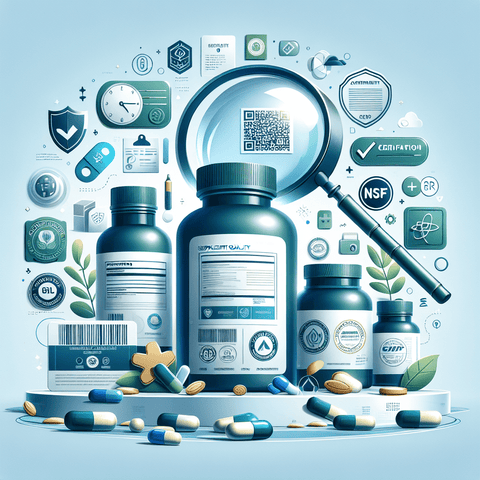
What Do Quality Standards in Supplements Actually Mean?
The supplement aisle can feel overwhelming, with shelves full of products making a wide range of promises. When you are trying to support your health, the last thing you want to worry about is whether the product inside the bottle matches what is stated on the label. Understanding quality standards in supplements is the first step toward making informed choices. This article will explain what these standards mean, why they matter for your health, how to spot a high-quality product, and when supplementation might actually be necessary. Rather than relying on marketing language, you will learn practical checks that can help you verify a product's safety and authenticity.
Defining Quality Standards in Supplements
Quality standards refer to the established criteria that a supplement product must meet to ensure it is safe, pure, and contains the ingredients listed on its label in the declared amounts. These standards cover everything from the sourcing of raw materials to the manufacturing processes used to create the final product. A supplement that meets robust quality standards should be free from harmful levels of contaminants, should contain the exact nutrients stated, and should break down properly in the body so those nutrients are available for absorption. Essentially, these standards serve as a baseline for consistency and reliability in a largely self-regulated industry.
The Difference Between Regulation, Certification, and Third-Party Testing
It helps to understand the layers of oversight that can apply to a supplement. Regulation refers to government oversight, such as the FDA’s rules for Good Manufacturing Practices (GMP) in the United States. These regulations set minimum requirements for manufacturing, but they do not mean that every product is tested by the government before it hits shelves. Certification usually involves a private organization setting its own higher standards, which a manufacturer voluntarily chooses to meet. Third-party testing takes this a step further; independent laboratories analyze the product to verify that it contains what the label claims and that it is free from specified contaminants. When you see a seal from an independent testing organization, you are looking at evidence of a manufacturer’s commitment to going above and beyond baseline legal requirements.
Key Terminology: GMP, USP, NSF, and ISO Explained
These acronyms are common markers of quality, but knowing what they mean is crucial. GMP (Good Manufacturing Practices) refers to the systems that ensure products are consistently produced and controlled according to quality standards. It covers facility cleanliness, equipment maintenance, staff training, and record keeping. USP (United States Pharmacopeia) is a nonprofit organization that sets publicly recognized standards for identity, strength, quality, and purity. A USP-verified product has been tested for these criteria. NSF International is another independent organization that tests and certifies products, often against stricter standards than basic GMP. Finally, ISO (International Organization for Standardization) refers to a broad range of international standards for business processes. In supplements, ISO certification usually relates to the management systems of the manufacturing facility. Understanding these terms helps you interpret what a seal on a bottle actually represents.
Why Supplement Quality and Safety Standards Matter for Your Health
The quality of a supplement directly impacts both its safety and its effectiveness. Taking a product that does not meet quality standards is not just a waste of money; it can potentially introduce unnecessary risks into your body.
How Manufacturing Standards Affect What You Actually Consume
Manufacturing standards dictate the entire journey of a supplement, from raw ingredient to finished bottle. A manufacturer that follows strict GMP regulations will test raw materials for purity, ensure accurate weighing of ingredients, and prevent cross-contamination between products. This means you consume exactly the intended amount of the nutrient listed on the label, without hidden allergens or unwanted fillers. Conversely, poor manufacturing can lead to products with too little active ingredient, making them ineffective, or worse, with too much of certain nutrients, which could be harmful over time.
The Physiological Impact of Contaminants and Adulterants
Contaminants such as heavy metals (lead, arsenic, mercury), pesticides, or industrial pollutants can find their way into supplements if the raw ingredients or manufacturing environment are not carefully controlled. Consuming these over time can contribute to toxic buildup in the body, potentially affecting kidney function, neurological health, and other systems. Adulterants are substances that are intentionally added but not declared on the label, sometimes used to make a product appear more effective or cheaper to produce. These undeclared ingredients can have unpredictable and potentially dangerous effects, especially if they interact with medications you are already taking. Rigorous quality testing is designed to catch these issues before a product reaches your hands.
Why Quality Assurance is a Matter of Nutritional Consistency
Beyond safety, quality assurance affects how consistent your nutrient intake is. If you are taking a supplement to address a specific nutritional gap, such as vitamin D or iron, you rely on receiving a consistent dose with every serving. A high-quality product guarantees that each tablet or capsule contains the labeled amount of the nutrient. This consistency is essential for maintaining stable nutrient levels in your blood over time, which is particularly important for nutrients with narrow therapeutic ranges or for those addressing a confirmed deficiency. Without quality control, you might be getting a different dose from one batch to another, undermining your efforts to support your health.
Common Signs That a Supplement Product May Be Low Quality
While it is impossible to verify a factory’s processes from your home, there are several visible warning signs that may indicate a product does not meet high quality standards. Paying attention to these details can be your first line of defense.
Inconsistent Labeling and Missing Information
A reputable supplement label should be clear, complete, and easy to understand. If a product lacks a proper "Supplement Facts" panel, fails to list all ingredients, or does not provide contact information for the manufacturer, treat this as a major red flag. Labels should also include a lot number or batch code, which allows the manufacturer (and you) to track the product. Similarly, be wary of products with vague descriptions like "proprietary blend" that do not break down the exact amounts of each ingredient, making it impossible to know what you are actually consuming.
Lack of Third-Party Testing Seals or Certifications
While not mandatory, third-party testing is one of the strongest indicators of a commitment to quality. A seal from organizations like NSF International, USP, or Informed Choice tells you that an independent body has verified the product’s contents. If a product does not carry such a seal, it does not automatically mean it is low quality—many excellent manufacturers do not seek certification—but its absence removes an easy layer of verification. Look for these seals as a shortcut, but also feel empowered to visit the manufacturer's website to see if they publish certificates of analysis (CoA) for their products, demonstrating batch-specific testing.
Red Flags in the Supplement Facts Panel
Read the Supplement Facts panel carefully. Is the serving size reasonable? Are the amounts of vitamins and minerals listed in standard units like mg (milligrams) or mcg (micrograms)? Be cautious of products where the entire formula is hidden under a proprietary blend with no individual ingredient amounts listed. Also, check the % Daily Value (%DV). If a nutrient does not have an established Daily Value, it will not have a %DV, which is expected for many plant-based or specialty ingredients. Finally, inspect the list of "Other Ingredients." This is where you will find fillers, binders, and flow agents. A long list of artificial additives, colors, or unrecognizable chemicals may indicate a lower-quality product.
Common Contributing Factors to Supplement Quality Gaps
Understanding how quality gaps happen can help you appreciate why choosing carefully is so important. Several factors in the complex global supply chain for supplements can contribute to inconsistencies in the final product.
Global Sourcing and Ingredient Quality Variation
Supplements often contain ingredients sourced from around the world. A vitamin might be synthesized in one country, while a botanical extract comes from another. The quality of these raw materials can vary dramatically depending on cultivation practices, soil conditions, harvesting methods, and the rigor of the supplier’s own testing. A manufacturer with strong quality standards will have a robust supplier qualification program, testing incoming raw materials for identity, purity, and potency before they even enter the production facility. Without this oversight, inferior or even adulterated raw materials can easily compromise the final product.
Quality Control Failures in Manufacturing Processes
Even with high-quality raw materials, errors during manufacturing can occur. This includes mistakes in weighing ingredients, inadequate mixing, which can lead to "hot spots" of an ingredient in some pills but not others, or improper encapsulation. It can also include failures in cleaning equipment between batches, leading to cross-contamination with allergens like gluten, soy, or dairy. Good manufacturing practices are designed to prevent these errors through standard operating procedures, staff training, and environmental monitoring. A breakdown in these processes is a primary contributor to quality failures.
Inadequate Clinical Oversight in the Production Phase
While manufacturing is a technical process, the absence of clinical or nutritional expertise during product development and production can also affect quality. This oversight ensures that the formulation uses appropriate nutrient forms that are actually absorbed, that dosages are physiologically meaningful, and that ingredients do no interact negatively with each other in the final product. Without this expertise, a company might produce a product that meets label claims but contains poorly absorbed nutrient forms, rendering it largely ineffective in the body. This type of quality gap is harder to detect but is crucial for the product’s efficacy.
Why Individual Needs and Product Quality Are Both Important
It is easy to focus solely on whether a product is "good" in a general sense. However, the effectiveness of a supplement also depends heavily on whether it is appropriate for you as an individual. Both factors are critical pieces of the puzzle.
The Difference Between Product Quality and Personal Suitability
A supplement can be top-of-the-line in terms of manufacturing purity and potency, but still be the wrong choice for you. Product quality is an objective measure of whether the product contains what it says and is free from harmful substances. Personal suitability is a subjective measure of whether that particular nutrient, at that dosage, in that form, is what your body specifically needs. For example, a high-quality iron supplement could be harmful if you have hemochromatosis. Similarly, a high-quality vitamin B12 supplement in cyanocobalamin form might not be ideal for someone with certain rare genetic variations that impair its conversion to the active form. Recognizing this distinction is essential for safe supplementation.
Nutrient Form, Individual Absorption, and Digestive Health
The form of a nutrient greatly influences how well your body can use it. For instance, magnesium comes in various forms like oxide, citrate, or glycinate, which have different absorption rates and effects. Your individual digestive health also plays a role. If you have low stomach acid, inflammatory bowel disease, or other conditions affecting gut absorption, you may not absorb nutrients from supplements effectively. Therefore, considering your digestive function and choosing a supplement form that is appropriate for your needs is just as important as selecting a pure product. This highlights why personalized advice, often from a healthcare professional, can be invaluable.
Interactions Between Genetic Variability and Supplement Formulation
Genetics can significantly influence how your body processes different nutrients. Variations in genes that code for enzymes involved in nutrient metabolism can affect whether you can convert a nutrient into its active formand how efficiently you absorb or utilize it. A well-known example is the MTHFR gene variation, which can impair the conversion of folic acid (the synthetic form found in many supplements) into the active form, methylfolate. Certain supplement formulations include the active forms of nutrients directly to bypass potential genetic bottlenecks. While genetic testing is no necessary for everyone, understanding that individual differences exist is important when evaluating why one person may benefit from a supplement while another does not.
Does Diet Alone Usually Meet Quality and Adequacy Standards?
Before you consider adding supplements to your routine, it is worth evaluating your diet. Food is a complex matrix of nutrients that work together synergistically in ways that supplements cannot fully replicate. For many people, a well-balanced diet is sufficient to meet most nutritional needs.
The Nutritional Gap Between Food Quality and Supplement Quality
It is important to distinguish between the quality of your diet and the quality of a supplement product. A diet rich in whole foods—fruits, vegetables, lean proteins, whole grains, and healthy fats—provides not just vitamins and minerals, but also fiber, antioxidants, and various bioactive compounds. This nutritional package is typically more beneficial than isolated nutrients. Even the highest-quality supplement is designed to fill a specific gap, not to replace a healthy diet. When we talk about quality standards in supplements, we are focusing on product integrity, but the "gold standard" for overall nutrition remains a diverse, nutrient-dense diet.
When Whole Food Sources Are Already Sufficient
For most people, getting thiamine (vitamin B1) from whole grains, vitamin C from citrus fruits, and calcium from dairy or leafy greens is entirely feasible. If your diet consistently includes a variety of these foods, you may already have sufficient intake of many vitamins and minerals. Supplementing on top of an already adequate diet can sometimes push intake beyond the optimal range, potentially leading to adverse effects or nutrient imbalances. It is generally wise to assess your typical eating pattern before assuming you need a supplement. The primary focus should always be on nourishing your body with food first.
Practical Lifestyle Strategies to Prioritize Food-Based Nutrition
Building a strong dietary foundation is the first step in any nutritional strategy. This involves planning meals around whole foods, cooking at home more often, and choosing minimally processed snacks. Reading food labels and being aware of added sugars, sodium, and unhealthy fats can also improve dietary quality. For specific nutrient needs, incorporating foods rich in those nutrients is a practical approach. For example, if you are concerned about calcium intake, emphasize dairy products, fortified plant milks, tofu, and leafy greens in your meals. Prioritizing food-based nutrition ensures you get the broader benefits of a whole-food diet before considering more targeted interventions.
How Supplements Save the Day When Quality Food Sources Fall Short
While food may be the ideal vehicle for nutrients, there are situations where it can be challenging to meet requirements through diet alone, making high-quality supplements a valuable tool.
The Role of Standardized Nutrient Dosagesin Addressing Gaps
Supplements offer a level of precision that is difficult to achieve with food alone. A supplement provides a standardized dose of a specific nutrient, clearly labeled on the package. This is particularly helpful when you have a known or suspected deficiency, a condition that increases your nutrient needs, or a lifestyle that makes it difficult to consume enough through food. For instance, individuals with very restricted diets may find it challenging to get adequate vitamin B12 or iron without supplementation. In these cases, a supplement offers a reliable, convenient way to bridge the specific nutritional gap.
Why High-Quality Supplements Help to Fill An Identified Need
When a need is identified—whether by a healthcare professional through blood tests or through careful dietary analysis—the quality of the supplement you choose becomes paramount. You want a product that will actually deliver the therapeutic or supportive dose of the nutrient you need. A high-quality product has been verified to contain the stated amount of ingredient that will be released and absorbed efficiently. Choosing a reputable product ensures that you are effectively addressing the identified gap, rather than introducing an uncontrolled variable into your health regimen. Topvitamine.com offers a range of products that adhere to strict quality protocols, making them a reliable option if you and your healthcare provider decide supplementation is right for you.
The Biological Rationale for Using Bioavailable Nutrient Forms
Bioavailability is the degree to which a nutrient is absorbed and becomes available for use in the body. This is a key factor in supplement effectiveness. For some nutrients, the form in which they are provided makes a substantial difference. For example, vitamin E in natural form (d-alpha-tocopherol) is more bioavailable than synthetic form(dl-alpha-tocopherol. Similarly, certain minerals are better absorbed in chelated forms. A manufacturer that invests in quality will use nutrient forms with established bioavailability, ensuring that your body can actually utilize what you ingest. This focus on efficacy, not just purity, is a hallmark of true supplement quality.
When Supplementation is the Most Relevant Solution
There are specific life stages, dietary patterns, and health conditions where relying on food alone may not be realistic or sufficient. In these contexts, using a quality supplement is not just acceptable; it is often the most relevant and practical solution.
Specific Dietary Patterns That Create Nutritional Gaps
Certain dietary choices inherently increase the risk of nutrient shortfalls. A vegan or vegetarian diet, while healthful in many ways, necessitates attention to vitamin B12, which is found naturally only in animal products, as well as potentially iron, zinc, calcium, and omega-3 fatty acids. Similarly, individuals with celiac disease or non-celiac gluten sensitivity must avoid many fortified grain products, which are a major source of B vitamins and iron in the standard diet. Those following very low-calorie diets for weight loss or elimination diets for food intolerances also risk missing out on essential micronutrients. In these situations, targeted supplementation can be an essential safety net to prevent deficiencies that could harm health over time.
Age-Related Changes in Nutrient Absorption
As we age, our bodies undergo physiological changes that can impair nutrient absorption. Stomach acid production often decreases, reducing the absorption of vitamin B12, calcium, iron, and zinc. The skin’s ability to synthesize vitamin D from sunlight also declines with age. Additionally, medication use becomes more common in older adults, and many medications can interfere with nutrient status. For these reasons, older adults may have higher requirements for certain nutrients like vitamin D, calcium, vitamin B12, and protein, and may benefit from supplementation to ensure these needs are met. A quality supplement designed for seniors can help maintain bone health, cognitive function, and overall vitality.
Medication-Induced Depletionand Increased Nutrient Needs
Many common medications can deplete the body of essential nutrients. For example, long-term use of proton pump inhibitors (PPIs) for acid reflux is associated with lower levels of vitamin B12, magnesium, and calcium. Metformin, a common diabetes medication, is known to interfere with vitamin B12 absorption. Diuretics, often used for blood pressure, can deplete potassium, magnesium, and thiamine. Individuals taking these medications long-term may need to monitor their nutrient status and consider supplementation to counteract drug-induced nutrient depletion. This is a situation where a knowledgeable healthcare provider's guidance is essential to avoid imbalances while managing underlying health conditions.
Distinguishing General Support from Medical Treatment
It is absolutely critical to understand that supplements are not drugs. They are not designed to cure, treat, or prevent any disease. Instead, they are meant to provide nutritional support, filling gaps in the diet and providing the body with the raw materials it needs to function optimally. While a deficiency in a nutrient like vitamin D is linked to poor bone health, taking vitamin D is a nutritional intervention to correct or prevent that deficiency, not a medical treatment for osteoporosis itself. A similar distinction applies to omega-3 fatty acids for heart health or magnesium for blood pressure. This is why addressing an underlying nutrient deficiency is within the scope of diet and supplements, but treating a disease requires medical management from a qualified professional.
How to Choose the Right High-Quality Supplement
When you have determined that a supplement may be a beneficial addition to your routine, the next step is selecting the right product from a crowded market. This requires a practical, informed approach. Here is a guide to navigating product options effectively.
Nutrient Forms: Which Ones Are Most Bioavailableand Trustworthy?
Look for the nutrient form that your body can easily recognize and use. For magnesium, forms like citrate, glycinate, and malate are generally considered more bioavailable than oxide for certain purposes, though oxide can be useful for providing magnesium. For vitamin B12, methylcobalamin and adenosylcobalamin are active coenzyme forms, though cyanocobalamin is a stableand commonly used form that is converted to active forms in the body by most people. For folate, methylfolate (5-MTHF) is the active form, while folic acid is the synthetic form that requires enzymatic conversion. Choosing a form with solid scientific evidence for absorptionand function is a good strategy, as it increases the likelihood the nutrient will be effective.
Dosageand Concentration: Decoding the“Amount” on the Label
Check the amount of the active nutrient per serving, no just the total formula weight. The Supplement Facts panel lists this information clearly. Be careful to note whether the amount refers to the elemental nutrient or to the compound form. For example, magnesium glycinate is often ~10-14% elemental magnesium by weight; the label should state how much "elemental magnesium" you are getting per serving, not just the weight of the magnesium-glycine complex. Understanding this distinction prevents you from inadvertently taking a much lower (or higher) dose of the actual nutrient than you intended. This also helps you compare products on an equal basis.
Understanding Bioavailabilityand How Formulations Improve It
Some formulations include ingredients to enhance bioavailability. This can include the form of the nutrient itself (as discussed above) or the inclusion of other compounds for absorption. For example, vitamin D3 is often included with calcium supplements because it enhances calcium absorption. Piperine, a compound found in black pepper, is sometimes added to curcumin or other botanical extracts to enhance their absorption. Some products use liposomal delivery systems, encapsulating nutrients in fat-like particles to improve absorption. Understanding that "more" is not always "better" is key; a highly bioavailable form at a moderate dose may be far more effective and safer than a poorly absorbed form at a high dose.
Single-Ingredient vs. Combination Products: Which Is Better?
Deciding between a single-ingredient supplement and a combination product like a multivitamin depends on your needs. A single-ingredient product allows for precise dosing of a specific nutrient, which is useful if you have a confirmed deficiency needing a higher therapeutic dose. It also makes it easier to identify the source of any side effects. A combination product can be more convenient and cost-effective for addressing multiple potential gaps, and they are often formulated with complementary nutrients. However, they may contain ingredients you do not need, and individual ingredient doses may be lower than therapeutic levels for specific deficiencies. Your choice should be guided by your specific goals, dietary patterns, and any professional advice you have received. For a foundational approach, a high-quality multivitamin guide can be useful.
Practical Differences Between Capsules, Tablets, Powders, and Liquids
The delivery form of a supplement can impact convenience, absorption, and tolerability. Capsules are generally easy to swallow and have fewer inactive ingredients than tablets. Tablets are cost-effective but may contain more binders and can be harder to digest. Powders offer flexibility in dosing and can be mixed into drinks, which may be easier on the stomach, making them a good option for those who struggle with pills. Liquids are often absorbed quickly and are convenient for children or those with swallowing difficulties. Softgels are frequently used for fat-soluble vitamins and omega-3 fatty acids. Your choice is largely a matter of personal preference, tolerance, and lifestyle, as long as the product quality is high.
Purity, Heavy Metal Screening,and Third-Party Validation
As emphasized throughout, purity is non-negotiable. Seek products that have been screened for heavy metals, pesticides, and microbial contaminants. While GMP regulations address these, independent third-party validation provides an extra layer of assurance. Look for certifications from organizations like NSF International, which tests for over 200 contaminants and verifies label claims. Healthy Origins supplements, for example, are known for their commitment to testing and quality. This validation protects you from unnecessary toxic exposures and ensures the product you pay for is what you get.
Artificial Additives, Fillers,and Hidden Ingredients to Avoid
Check the ingredient list for "Other Ingredients." Some are necessary for manufacturing, like magnesium stearate (a flow agent) or silicon dioxide (an anti-caking agent), and these are generally recognized as safe in small amounts. However, it is also wise to avoid products with artificial colors, sweeteners, hydrogenated oils, or high amounts of added sugar. Be particularly cautious of undeclared allergens. If you have sensitivities to common fillers like soy, corn, dairy, or gluten, you must read labels carefully or choose products labeled as free from these substances. Opting for products with minimal, recognizable inactive ingredients is often a sign of a cleaner, higher-quality formulation.
What to Look for on a Supplement Label to Verify Quality
Reading a supplement label proficiently is a practical skill that can significantly impact your health choices. It goes beyond glancing at the front of the bottle, where marketing claims live, and into the fine print where the facts are found.
The Importance of a"Supplement Facts" Panel That Matchesthe Product
The "Supplement Facts" panel is the legal requirement for dietary supplements in many countries. It lists serving size, servings per container, and each dietary ingredient, along with the amount per serving and % Daily Value where established. This panel is your primary source of truth for what is in the product. Make sure the panel is present, legible, and seems specific to the product you are holding. It should not be generic or torn. This panel allows you to compare products objectively and is the first place to check if you are looking for a specific nutrient at a specific dose.
Identifying the Exact Form of the Nutrient
Look for the specific chemical form of the nutrient in the Supplement Facts panel. This appears after the nutrient name. For example, you might see "Magnesium (as Magnesium Citrate)." This tells you exactly which compound the manufacturer used. This information matters because different forms have different absorption rates, uses, and potential side effects. For example, "Vitamin D3 (as Cholecalciferol)" is different from "Vitamin D2 (as Ergocalciferol)." Knowing this detail allows you to make an informed choice about which form best supports your health goals, potentially allowing you to choose the gold standard form for your needs.
Distinguishing Between Full Serving Size and"Proprietary Blend" Tactics
Be aware of how manufacturers may use labeling to obscure information. A "proprietary blend" is a mixture of ingredients where only the total weight of the blend is listed, not the individual amounts of each ingredient. This can make it impossible to know if you are getting a clinically effective dose of any one ingredient. Similarly, check whether the dosage listed is per serving or per two capsules; manufacturers sometimes use a smaller serving size to make a product appear more potent or to hide the need for multiple pills. Understanding these tactics helps you see through marketing and evaluate the true composition of a product before purchasing.
Certification Marks That Signal Compliance with Quality Standards
As mentioned previously, third-party certification seals are among the most reliable indicators of quality. Look for marks from organizations like NSF International, USP (United States Pharmacopeia),, or UL (Underwriters Laboratories). These organizations have rigorous, independent testing programs for supplements, covering aspects like ingredient identity, purity, potency, and label accuracy. Some certifications also verify that the product is free from undeclared contaminants or that the facility adheres to GMP. When you see these seals, you can have greater confidence that the product has been subjected to stringent quality controls beyond what is required by law.
How to Verify Claims Through the Manufacturer’s Website and Documentation
Modern, reputable supplement companies area transparent about their sourcing and manufacturing practices. Visit the manufacturer’s website and look for pages about quality, sourcing, and testing. Many will publish certificates of analysis (CoAs) for their products, which are documents from a testing laboratory certifying that a specific batch of the product met quality specifications for identity, potency, and purity. You can also look for information about their manufacturing facilities, third-party audits, and any clinical research supporting their formulations. Being able to verify claims inzthis way is a powerful tool, distinguishing companies who are proud of their product quality from those who rely solely on marketing claims.
Who May Benefit Most from Considering a Quality Supplement
While everyone should strive for a nutritious diet, certain groups are statistically more likely to have specific nutritional gaps that supplementation can help address. Recognizing whether you fall into one of these categories can guide your decisions.
Vegans and Vegetarians with Potentially Limited Nutrient Intake
Plant-based diets are associated with numerous health benefits, but they reliably lack certain nutrients found primarily in animal products. The most critical is vitamin B12, which is essential for nerve function, red blood cell production, and DNA synthesis. Vegetarians who consume dairy and eggs may get some, but vegans get essentially none from diet alone without fortified foods. Other nutrients of concern include iron (plant-based iron is less well absorbed), zinc, calcium, and omega-3 DHA. For vegans and vegetarians, supplementing with vitamin B12, and potentially these other nutrients based on individual dietary assessment, is often a necessary step to maintain optimal health.
Older Adults with Reduced Absorption Efficiency
As we age, several factors converge to increase nutritional risk. As mentioned, stomach acid production declines, impairing the absorption of vitamin B12, calcium, iron, and zinc. Sun exposure may decrease, leading to lower vitamin D synthesis, which is critical for calcium absorption and bone health. Appetite can decline, making it harder to consume enough food to meet needs. Conditions like atrophic gastritis are more common. For these reasons, older adults often need to pay special attention to their diet and may benefit from supplements like vitamin B12, vitamin D, calcium, and possibly a multivitamin to cover the bases.
Pregnant Women or Those Planning Pregnancy
Pregnancy imposes significant additional nutritional demands, as the mother’s body must support the growth and development of the fetus. Needs for folate (or folic acid), iron, iodine, choline, and omega-3 DHA increase substantially. Folate is essential for neural tube development in the first weeks of pregnancy, often before a woman knows she is pregnant. This is why supplementation is routinely recommended before conception and during pregnancy. Iron needs increase dramatically to support expanded blood volume. A high-quality prenatal vitamin is designed to meet these increased needs and is a cornerstone of prenatal care alongside a healthy diet.
Athletesand Those with Higher Nutritional Output
Individuals who engage in intense or high-volume exercise have increased energy expenditure, but they also have increased needs for certain micronutrients involved in energy production, muscle repair, and recovery. These can include B vitamins, vitamin D, calcium, magnesium, zinc, and iron, as well as antioxidants to help combat exercise-induced oxidative stress. While these needs can often be met through a carefully planned diet, athletes may benefit from targeted supplements to ensure optimal intake and support performance and recovery. This is particularly true for athletes following specific dietary patterns, such as veganism, or those in heavy training periods. Sports supplements can be a tool to support an already excellent training and nutrition regimen.
People with Restrictive Dietsor Confirmed Malabsorption Issues
Beyond veganism, many other dietary patterns can create gaps. Individuals with food allergies or intolerances must avoid certain food groups, potentially missing out on key nutrients. Those with inflammatory bowel disease (Crohn’s disease, ulcerative colitis), celiac disease, or who have had bariatric surgery have impaired absorption of nutrients and often require supplementation to prevent deficiencies. However, these individuals must work closely with their healthcare team, as their needs are complex and highly individual. Supplementing without medical guidance inthese scenarios could lead to imbalances or interactions their underlying treatments.
Safety, Side Effects,and Interactions of High-Dose or Low-Quality Supplements
Supplements are biologically active substances, and like any substance, they carry risks, particularly when taken at high doses or when the product itself is compromised. A responsible approach to supplementation includes being aware of these risks.
Upper Intake Limitsand the Risks of Excess
Many vitamins and minerals have an established Tolerable Upper Intake Level (UL), which is the maximum daily intake likely to pose no risk of adverse effects. Consuming amounts above this level over time can lead to toxicity. For example, excessive vitamin A can cause liver damage and birth defects; excess iron can be toxic, especially in children;and too much selenium can cause selenosis. Fat-soluble vitamins (A, D, E, K) are of greater concern for toxicity because they are stored in the body's fat tissues. This is why more is not necessarily better, and why you should avoid taking high doses of nutrients unless under medical supervision.
Potential Interactions Between Supplementsand Prescription Medications
Nutrients can interact with medications, altering their effectiveness or increasing the risk of adverse effects. Some well-known interactions include vitamin K interfering with blood thinners like warfarin, calcium or magnesium reducing the absorption of certain antibiotics, and St. John’s Wort (a herbal supplement) speeding up the metabolism of many medications, making them less effective. Iron can reduce the absorption of thyroid medication. It is essential to tell your doctor and pharmacist about all supplements you take, so they can monitor for potential interactions. Never assume that "natural" means risk-free in combination with prescription drugs.
Why Contamination, Not Just Dosage,is a Major Safety Concern
The biggest risks with supplements often come from contamination rather than the nutrient itself. This is why we have emphasized quality standards so strongly. Contaminants like heavy metals can accumulate in the body over time, causing serious health problems. Adulterants, especially in products marketed for weight loss, sexual enhancement, or muscle building, have been found to contain undeclared pharmaceutical ingredients, which can be extremely dangerous. Choosing high-quality products from reputable manufacturers that undergo third-party testing significantly reduces this risk, as these products are screened for hundreds of potentially harmful contaminants.
When to Consulta Doctor or Registered Dietitian Before Starting a New Supplement
While many supplements are safe for general use, certain situations warrant professional consultation before starting. These include: you are pregnant or breastfeeding; you are taking prescription or over-the-counter medications; you have a chronic health condition like kidney disease, liver disease, diabetes, or a bleeding disorder; you are preparing for surgery; or you are considering supplementing at doses above the Daily Value. If you are experiencing symptoms that you suspect may be related to a deficiency, it is also wise to consult a professional who can order appropriate laboratory tests rather than self-diagnosing. A doctor or registered dietitian can provide personalized advice based on your health status, medications, and goals, ensuring that supplementation is safe and appropriate for you.
Decision Support: Is a Quality Supplement the Right Step for You?
After all this information, you might be wondering how to translate it into a concrete decision for your own health. Now is the moment to bring all these factors together into a practical framework for decision-making.
Evaluating Whether Dietary Changes Alone Could Close the Gap
Before reaching for a supplement bottle, conduct an honest assessment of your diet. For one week, try to track your food intake using an app or a simple food diary. Compare your typical intake to the recommended daily amounts for key vitamins and minerals. Ask yourself: Are there food groups that I avoid? Do I eat a variety of colorful fruits and vegetables? Do I include good sources of protein, calcium, and healthy fats? Often, the answer to addressing a potential gap lies in modifying dietary habits—perhaps adding a serving of leafy greens, incorporating more legumes, or choosing fortified foods. Prioritizing these dietary adjustments is always the first and most beneficial intervention.
How to Determine if Supplementation Is Reasonable for Your Situation
If you have made dietary improvements but still have a specific gap—or if you fall into one of the high-risk groups discussed (elderly, vegan, pregnant, certain medical conditions)—supplementation may be a reasonable step. For dietary patterns that lack vitamin B12, like veganism, supplementation is often the most logical solution, as it is difficult to obtain adequately from plants. For those with malabsorption conditions or medication-induced depletions, a supplement may be necessary to achieve adequate intake. It is reasonable when a specific need is identified and the most practical pathway to meet that need is through a concentrated nutritional source. In these cases, choosing a high-quality product becomes your priority.
Using Quality Standards to Shortlista Safe, Effective Product
Once you have determined that supplementation might be beneficial, use quality standards as your primary tool to filter products. Start by shortlisting products from reputable companies that are transparent about their manufacturing processes and use third-party testing. Read the Supplement Facts panel for the exact nutrient form and dosage you need. Look for certification seals like NSF or USP. Check the “Other Ingredients” list for unnecessary additives. Set aside products that lack label clarity or refuse to provide information about testing. By applying these criteria, you can winnow down the options to products that meet your personal standards for safety and quality. At this stage, exploring a trusted source like Topvitamine natural supplements can simplify the search, but your own informed awareness is your best safeguard.
The Bottom Line on Quality Standards in Supplements
Navigating the world of dietary supplements should begin witha clear understanding that quality is non-negotiable, yet quality itself is only one side of the coin. The path to informed supplementationmust involve prioritizing a solid diet, understanding your individual needs, acknowledging that supplements are no substitute for healthy lifestyle habits or medical care, and recognizing when professional advice is necessary.
The Most Practical Takeaway for Your Daily Routine
The practical takeaway is this: focus your energy on cultivating a nutrient-dense diet with variety colors, textures, and food groups. Use supplements as a targeted tool, not a safety net for a poor diet. When you decide a supplement is appropriate, let quality standards guide your selection. This means checking for third-party testing, scrutinizing labels for proper nutrient forms and added ingredients, and choosing reputable companies with transparent practices. A simple habit of routinely asking, "Is this product pure, potent, and appropriate for me?" can serve you well for a lifetime of making informed health choices.
Using Quality Standards as a Baseline for Making an Informed Choice
Quality standards in supplements are not just industry jargon; they are your baseline for making an informed and responsible choice. They represent a commitment from the manufacturer to produce a product that it is what it says it is, containing what is declared, free from harmful contaminants, and made with integrity. By making these standards your non-negotiables bench, you protect your health, your wallet, and your peace of mind. Combined with a strong dietary foundation and personalized input from healthcare professionals, this knowledge empowers you to make decisions that truly support your long-term well-being. Supplements can play a valuable supportive role, but they work best when they are a complement to—not a substitute for—the foundational elements of good health: a balanced diet, regular activity, stress management, and adequate sleep.
Key Takeaways
- Quality standards in supplements refer to a product’s purity, potency, and label accuracy, distinct from basic legal compliance.
- Third-party certification seals (NSF, USP) provide valuable, independent verification of a supplement's quality beyond necessary GMP regulations.
- Contaminants like heavy metals and undeclared pharmaceutical adulterants represent significant safety risks, emphasizing the importance of choosing tested products.
- A nutrient-dense whole-food diet remains the gold standard for nutrition and should always be the foundation before considering supplements.
- Vegans, older adults, pregnant women, athletes, and those with certain medical conditions are among the groups that may particularly benefit from targeted supplementation.
- Reading the Supplement Facts panel carefully helps you identify the exact nutrient form, dosage, and avoid misleading "proprietary blend" tactics.
- High-dose supplementation carries real risks,including potential toxicity and interactions with prescription medications, underscoring the need for professional guidance.
- Supplements are intended to fill specific nutritional gaps, not to treat or cure diseases, and should complement, no replace, medical care and lifestyle interventions.
Frequently Asked Questions
What are quality standards in supplements?
Quality standards in supplements are criteria that ensure a product is safe, pure, contains the ingredients stated on the label in the declared amounts, and is manufactured under controlled conditions. They cover sourcing, manufacturing processes, contaminant limits, and label accuracy, providing consumers with confidence in the product's integrity.
How can I tell if a supplement is high quality?
Look for third-party testing seals from organizations like NSF International or USP, which provide independent verification of purity and potency. Check the Supplement Facts panel carefully, review the manufacturer's website for published certificates of analysis, and ensure the company is transparent about its sourcing and manufacturing practices.
What does GMP mean in the supplement industry?
GMP stands for Good Manufacturing Practices, which are regulations enforced by the FDA ensuring that products are consistently produced and controlled according to quality standards. It covers facility hygiene, equipment maintenance, staff training, ingredient testing, and detailed record-keeping to minimize risks that cannot be eliminated through final product testing alone.
Is it safe to take supplements without consulting a doctor?
For generally healthy individuals taking standard-dose supplements, risks are often low, but it is still wise to exercise caution. You should definitely consult a healthcare professional before starting supplements if you are pregnant or nursing, take prescription medications, have a chronic health condition, or plan to take doses significantly above the Daily Value.
What are the signs that a supplement might be poor quality?
Warning signs include a missing or incomplete Supplement Facts panel, vague ingredient descriptions like proprietary blends that hide individual amounts, a lack of batch numbers or manufacturer contact information, and the absence of any third-party testing seals. Choosing products with overly aggressive or vague health claims is also a red flag.
Why is third-party testing important for supplements?
Third-party testing provides an objective, independent check that a supplement contains what the label claimsand is free from contaminants. It acts as a safeguard against manufacturer bias and errors, ensuring that the product meets established quality standards for purity, potency, and ingredient identity, offering you a higher level of safety assurance.
Do I need supplements if I eat a healthy diet?
For many people, a varied, nutrient-dense diet alone is sufficient to meet nutritional needs. However, certain groups, such as vegans needing vitamin B12, older adults with reduced absorption, or those with food restrictions or malabsorption conditions, may not be able to get all they need from food and could benefit from targeted supplementation to address specific gaps.
What is the difference between a multivitamin and individual supplements?
A multivitamin contains a broad range of vitamins and minerals at doses typically around 100% of the Daily Value, designed to cover general nutritional gaps. An individual supplement focuses on one nutrient, often at higher“therapeutic” doses, to address a specific deficiency or health concern, providing greater flexibility and precision in addressing particular needs.
Can taking too many supplements be harmful?
Yes, taking large amounts of certain vitamins (particularly fat-soluble Vitamins A, D, E, K) and minerals like iron and selenium can lead to toxicity and a range of adverse health effects. Furthermore, high-dose supplementation can mask nutrient imbalances or interfere with the absorption of other nutrients, making it important to avoid mega-doses unless supervised by a healthcare provider.
What should I look for on a supplement label?
You should verify the "Supplement Facts" panel, which lists the exact nutrient forms and amounts per serving. Check for any certifications seals indicating third-party testing, review the "Other Ingredients" list for excluded allergens, artificial additives, or unnecessary fillers, and ensure the manufacturer provides contact information and batch identifiers on the packaging.
Are natural supplements always safer than synthetic ones?
No, "natural" does not automatically mean safer. Some naturally sourced ingredients can be toxic or interact with medications, and synthetic forms of vitamins are sometimes prioritized because they are stable, well-studied, and effective. The safety of a supplement is determined by its dose, quality, purity, and potential interactions, no its natural or synthetic origin.
How does food compare to supplements for providing nutrients?
Food generally is superior to supplements because it provides a complex matrix of nutrients, fiber, antioxidants, and bioactive phytochemicals that work synergistically in the body. Supplements are intended to supplementthe diet—filling specific gaps—not to replace the broad, holistic nutrition that whole foods provide.
Related Keywords
- quality standards in supplements
- third-party supplement testing
- GMP certified supplements
- supplement purity testing
- NSF certified supplements
- USP verified supplements
- supplement label reading
- bioavailable nutrient forms
- certificates of analysis supplements
- dietary supplement safety
- heavy metal testing supplements
- nutrient absorption supplements
- high-quality supplement brands
- supplement contamination risks