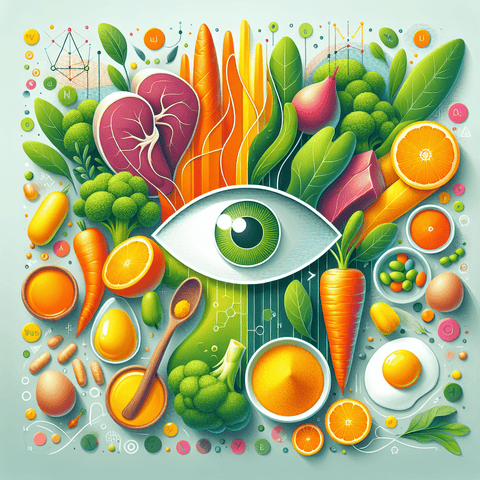
Welkom bij onze gids over retinolrijke voedingsmiddelen. Deze pagina legt uit wat retinolrijke voedingsmiddelen zijn, hoe topbronnen worden geïdentificeerd en welke praktische stappen je kunt nemen om ze in je eetpatroon op te nemen. De focus blijft liggen op het concept van retinolrijke voedingsmiddelen, de vormen die ze bevatten en hoe je opties kunt vergelijken. Het doel is om heldere, neutrale informatie te presenteren die je helpt dit onderwerp te begrijpen. Retinolrijke voedingsmiddelen verwijzen naar bronnen die voorgevormde vitamine A leveren in actieve vormen. In de praktijk vallen deze bronnen in brede categorieën, waaronder dierlijke producten en verrijkte producten. We zullen hier geen specifieke items opsommen, maar het idee is te erkennen dat verschillende retinolrijke voedingsmiddelen dezelfde voedingsstof in verschillende vormen bieden. Het lezen van etiketten en voedingsinformatie kan je helpen bij het identificeren van retinolrijke voedingsmiddelen. Het begrijpen van hoe retinolrijke voedingsmiddelen in het lichaam werken, helpt je opties te vergelijken. Retinol is een vorm van vitamine A en kan in het lichaam worden omgezet in andere retinoïden indien nodig. De hoeveelheid retinol in voedingsmiddelen kan worden beïnvloed door de manier waarop ze worden bereid en bewaard; daarom legt deze gids de nadruk op algemene factoren die de retinolinhoud beïnvloeden. Dit gedeelte blijft gericht op de werking in plaats van gezondheidsclaims. Eenvoudige tips om vandaag nog retinolrijke voedingsmiddelen in je routine op te nemen: controleer voedingsetiketten om retinolrijke voedingsmiddelen te identificeren, plan maaltijden door de week heen om een verscheidenheid aan bronnen te omvatten, en bedenk hoe je retinolrijke voedingsmiddelen aan bestaande gerechten kunt toevoegen. Overweeg verschillende bereidingsmethoden die helpen het retinolgehalte te behouden en houd een veelzijdige boodschappenlijst bij de hand. De nadruk blijft liggen op het concept van retinolrijke voedingsmiddelen en praktische, neutrale richtlijnen om ze in je routine op te nemen.
Retinol-rijke voedingsmiddelen: De ultieme gids voor stralende huid
Retinol-rich foods are a key topic in nutrition, primarily because they are the most direct dietary source of preformed vitamin A. Unlike plant-based carotenoids, which the body must first convert, retinol is already in a form that can be readily used. This makes understanding these foods important for anyone interested in the fundamentals of vitamin A nutrition, its various forms, and how to approach them in a balanced diet. This guide serves as a broad overview, covering what retinol-rich foods are, why they matter, and the main factors to consider when exploring them.
What Are Retinol-Rich Foods?
Retinol-rich foods are those that naturally contain or are fortified with preformed vitamin A. This is one of the two main types of vitamin A found in the human diet. The other type, provitamin A carotenoids (like beta-carotene), is found in colorful fruits and vegetables and requires conversion in the body. Preformed vitamin A, which includes retinol, is found in animal-based foods and some fortified products.
The primary sources of retinol include organ meats like liver, fish oils, and to a lesser extent, dairy products and eggs. Fortified foods, such as certain breakfast cereals or dairy alternatives, also contribute to the overall intake of retinol. Understanding this distinction is the first step in navigating nutrition information and building a balanced diet.
The Role and Function of Retinol
Retinol is a vital nutrient that serves several important functions in the body. It is perhaps best known for its role in vision, specifically in helping the eye adjust to changes in light. Retinol also plays a critical part in maintaining healthy skin and epithelial tissues, as well as supporting the immune system's normal function. In the body, retinol can be converted into other active forms, such as retinal and retinoic acid, which are necessary for various cellular processes.
It's important to note that the amount of retinol in food can be affected by how it is processed, cooked, and stored. These factors are important to consider when evaluating dietary sources. This section focuses on the general mechanisms, not on making any specific claims about health outcomes.
Key Differences: Retinol vs. Carotenoids
A crucial aspect of understanding retinol-rich foods is knowing how they compare to plant-based sources of vitamin A. The main dietary forms of vitamin A are:
- Preformed Vitamin A (Retinol): Found in animal products. This form is ready for the body to use without any conversion steps.
- Provitamin A Carotenoids: Found in colorful plant foods. These compounds, such as beta-carotene, must be converted into retinol by the body, a process that is not 100% efficient.
This distinction is fundamental for making dietary choices, as it affects how much vitamin A your body can ultimately utilize from a given food source.
Practical Steps to Consider
If you're looking to understand your own intake of retinol, there are several straightforward steps you can take. These practical considerations are designed to help you evaluate your diet in a neutral and informed way.
- Review Nutrition Labels: Get into the habit of checking food labels for vitamin A content. This is the most direct way to identify fortified foods and understand their contribution to your total intake.
- Plan Your Meals: Consider your meals across the week to ensure a variety of sources. This can help you see patterns in your diet and make intentional choices about including retinol-rich foods.
- Experiment with Preparation: Different cooking methods can affect nutrient content. Exploring various techniques, such as gentle cooking, may help you think about how to get the most from the foods you eat.
These steps are a starting point for building a broader understanding of your nutritional patterns. Always consult with a healthcare professional for personalized dietary advice.
Exploring the Topic Further
The topic of retinol-rich foods naturally leads to many other areas of nutrition. Understanding the difference between preformed and provitamin A is often the first step in a larger exploration of fat-soluble vitamins and their roles. For those interested in the broader context of vitamins, you may find information on other fat-soluble vitamins such as vitamin D or vitamin K to be helpful. Additionally, looking into antioxidants provides insight into how different nutrients work together in a balanced diet.