
Veilige supplementen: Het doel van deze pagina is je te helpen de markt met vertrouwen te navigeren. Veilige supplementen worden hier gedefinieerd als producten die worden ondersteund door transparante etiketten, verificatie van derden op kwaliteit en op bewijs gebaseerde richtlijnen, in plaats van marketinghype. 'Read Before You Buy' biedt wetenschappelijk onderbouwde, betrouwbare aanbevelingen en praktische tips om met vertrouwen te shoppen, zodat je opties kunt vergelijken en een geïnformeerde keuze kunt maken. op basis van bewijs geselecteerde opties beginnen met geloofwaardige bronnen. Wanneer een product wordt gepresenteerd als een veilige supplement, zoek dan naar bewijs uit peer-reviewed studies, systematische reviews en meta-analyses. Vermijd het vertrouwen op enkele anekdotes of gedurfde marketingboodschappen. We beschrijven hoe je het onderzoeksdesign kunt beoordelen, de relevantie voor gebruik in de praktijk, en de algehele sterkte van het bewijs. Onze aanpak benadrukt bronnen van hoge kwaliteit en transparante rapportage om je te helpen verwachtingen af te stemmen op wat de wetenschap aangeeft. Winkelen voor veilige supplementen houdt in dat je controleert op kwaliteitsgaranties en labelinformatie. Kijk uit naar verificatieprogramma's van derden zoals USP Verified, NSF International of vergelijkbare certificeringen, en bevestig dat de productie voldoet aan GMP-voorschriften. Controleer of het etiket overeenkomt met de genoemde ingrediënten en hoeveelheden, en let op niet-gemeld Additieven of verborgen vulmiddelen. Lees allergeninstructies, controleer het land van fabricage en noteer de houdbaarheidsdatum. Rode vlaggen zijn onduidelijke ingrediëntenlijsten, onbewezen claims en propriëtaire mengsels met niet-gedetailleerde hoeveelheden. Naast productdetails ontwikkel je een praktische winkelstrategie. Vergelijk merken naast elkaar, lees het etiket en eventuele bijbehorende documentatie, en blijf op de hoogte van betrouwbare informatiebronnen. Wees voorzichtig met brede beweringen en marketingtermen die overdrijven wat veilige supplementen kunnen doen. Deze pagina geeft je een raamwerk om producten te evalueren, bewijs te interpreteren en met vertrouwen te winkelen, met de focus op het kernwoord veilige supplementen.
Veilig supplementen: op bewijs gebaseerde keuzes voor je gezondheid - Lees dit voordat je koopt
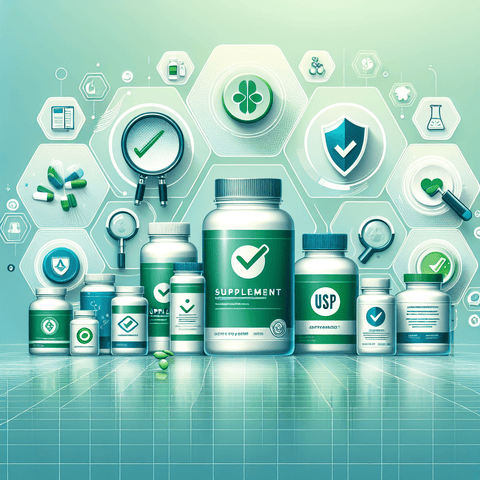
Choosing a supplement can feel overwhelming. The market is saturated with products, each claiming to be the best. This guide is designed to help you cut through the noise and understand what makes a supplement safe. Instead of focusing on hype, we’ll explore the key factors that define quality, from third-party testing to transparent labeling. Here, you'll find a practical framework for evaluating products, understanding evidence, and making informed decisions about what you put into your body.
What is a Safe Supplement?
The term "safe supplement" is often used, but it has a specific meaning when you look beyond marketing. A truly safe supplement is defined by a combination of factors that relate to its production, labeling, and evidence base. It’s not just about the ingredients themselves; it’s about how those ingredients are sourced, manufactured, and verified.
We define a safe supplement as one that is:
- Backed by transparent labeling that clearly lists all ingredients and their exact amounts.
- Manufactured in a facility that follows Good Manufacturing Practices (GMP).
- Verified by an independent third-party organization, such as NSF International or USP.
- Supported by credible evidence from peer-reviewed studies, not just anecdotal stories.
The Role of Third-Party Certification
One of the most reliable indicators of a quality supplement is third-party certification. Organizations like NSF International and USP independently test products to ensure they contain what is listed on the label and are free from harmful levels of contaminants. For athletes, the NSF Certified for Sport® program adds an extra layer of assurance by testing for substances banned in competitive sports. Choosing a product with these certifications is one of the most effective ways to reduce risk.
How to Evaluate Supplement Evidence
The evidence behind a supplement is just as important as its production quality. When evaluating a product, look for information that comes from robust scientific research. This includes peer-reviewed studies, systematic reviews, and meta-analyses, which provide the most reliable picture of a supplement’s potential effects and safety profile.
A single study or a compelling personal story is not enough to establish that a supplement is safe or effective. It’s important to consider the strength of the overall evidence, the quality of the studies, and whether the research is relevant to how the supplement is being marketed. Our approach emphasizes high-quality sources and transparent reporting to help you align your expectations with what the science actually indicates.
Key Factors When Choosing a Supplement
Before you make a purchase, a few practical checks can help you identify higher-quality products. These checks focus on the label, the manufacturer, and the overall transparency of the brand.
Understanding Labels and Ingredients
A supplement label is your primary source of information. It should clearly list every ingredient and the amount per serving. Be cautious of proprietary blends, where the amounts of individual ingredients are not disclosed. This practice makes it difficult to assess both the efficacy and safety of the product.
Also, pay attention to the other components of the label:
- Check the allergen statement for common allergens like gluten, soy, or dairy.
- Look for undisclosed additives, fillers, or artificial colors.
- Note the country of manufacture and the expiration date.
- Look for a lot number or QR code that allows you to trace the product's batch.
Recognizing Red Flags
Learning what to avoid is just as important as knowing what to look for. Several red flags can indicate a supplement is not safe or is not worth your money.
- Vague ingredient lists that hide behind proprietary blends without disclosing amounts.
- Claims that seem too good to be true, such as promising to cure or treat a disease.
- Marketing language that uses fear or urgency to push a sale.
- A lack of contact information or a physical address for the manufacturer.
Which Supplements Might You Consider Avoiding?
While the safety of a supplement depends on many factors, some categories are generally associated with higher risk. These are products where the evidence for benefit is weak, or the potential for harm is greater. This is important to understand as part of a broad, safety-first approach to supplementation.
- Supplements marketed for weight loss or muscle building that contain unapproved stimulants or hormones.
- Products with high doses of fat-soluble vitamins (A, D, E, K) without clear instructions, as these can accumulate in the body.
- Supplements that contain ingredients which interact with common medications, such as St. John's Wort or high-dose Vitamin K.
- Any product that is sold with claims to treat, cure, or prevent a specific disease.
Regulatory oversight for supplements is less stringent than for pharmaceutical drugs. In many regions, including the US, dietary supplements are not reviewed for safety and efficacy by the FDA before they are sold. This places more responsibility on the manufacturer and the consumer. Always research the brand, look for third-party testing, and be skeptical of unrealistic promises.
Your Personal Approach to Supplement Safety
Developing a practical shopping plan can help you build a routine that prioritizes safety. Start by making a list of your nutritional goals and then research ingredients that are well-supported by evidence. This makes it easier to compare brands side-by-side, focusing on the factors that matter most.
It is always wise to discuss your supplement plan with a healthcare provider. They can help you identify potential interactions with any medications you take and advise on appropriate dosages. You can also explore related supplements, like those for your specific health needs, such as a general multivitamin or a dedicated mineral supplement.
Remember, this page is a starting point for your research. It provides a framework, but it is not a substitute for professional medical advice. Your health is unique, and your approach to supplements should be too. Always prioritize high-quality, transparent products and stay informed.
If you are interested in learning more about specific categories, you can explore our guides on multivitamins or mineral supplements