
Welkom bij een helder overzicht van veilige vitamine C-niveaus. Deze pagina richt zich op wat betrouwbare richtlijnen betekenen wanneer we praten over veilige vitamine C-niveaus, en hoe je betrouwbare informatie kunt onderscheiden van sensationele claims. Door ons te richten op op wetenschap gebaseerde bronnen, willen we een doordacht, neutraal overzicht bieden dat lezers helpt het idee van veilige vitamine C-niveaus te begrijpen zonder te verdwalen in misinformatie. Hoeveel echt veilig is, is geen enkel getal. Veilige vitamine C-niveaus worden beschreven als een raamwerk of reeks in plaats van een universele waarde. Verschillende bevolkingsgroepen, onderzoeksopzetten en meetmethoden vormen de interpretatie van het concept. Betrouwbare bronnen benadrukken de context, transparantie over onzekerheden en het belang van het evalueren van bewijs voordat conclusies worden getrokken over wat in een bepaalde situatie veilige vitamine C-niveaus zijn. Signalen van overmaat worden besproken in wetenschappelijke discussies, en deze pagina biedt een neutraal overzicht van hoe dergelijke signalen worden behandeld in geloofwaardige bronnen. Het doel is niet om te diagnosticeren of voor te schrijven, maar om te erkennen dat indicatoren kunnen voorkomen in sommige discussies en om lezers te begeleiden naar betrouwbare referenties. Als vragen over individuele omstandigheden ontstaan, blijft het raadzaam om gekwalificeerde professionals of officiële richtlijnen te raadplegen bij het bepalen van veilige vitamine C-niveaus voor een specifieke context. Wetenschap-gebaseerde richtlijnen en mythes: Dit onderdeel benadrukt hoe huidige aanbevelingen worden ontwikkeld en hoe ze kritisch kunnen worden beoordeeld. Praktische tips omvatten het controleren op up-to-date, consensusgebaseerde richtlijnen, het beoordelen van de autoriteit en sponsoring achter bronnen, en het herkennen van veelvoorkomende mythes zonder rigoureuze ondersteuning. Door te focussen op betrouwbare informatie en doordachte interpretatie, kunnen lezers veilige vitamine C-niveaus verkennen met duidelijkheid en voorzichtigheid, unsupported claims vermijden en goed geïnformeerd blijven.
Veilige vitamine C-waarden: hoeveel is echt veilig?
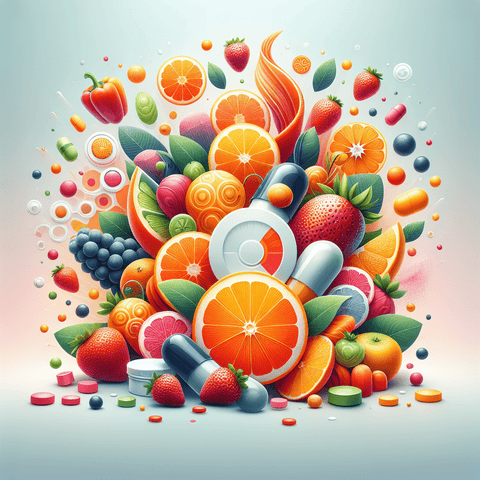
Safe vitamin C levels are a common topic of interest for anyone wondering how much of this essential nutrient is enough, and how much may be too much. Vitamin C is a water-soluble vitamin that the body cannot make on its own, so it must come from food or supplements. It plays a role in collagen formation, antioxidant protection, and normal immune function, which is why official guidance sets reference values for daily intake. This page provides a broad overview of what safe vitamin C levels mean, how recommendations are structured, and which factors can influence individual needs.
What Are Safe Vitamin C Levels?
Safe vitamin C levels refer to the range of intake that supports normal physiological functions without causing adverse effects in most healthy people. This range is not a single fixed number. It is shaped by age, sex, life stage, smoking status, and individual factors such as health conditions or medication use. Public health authorities provide two main reference points: the recommended daily intake, which is intended to prevent deficiency and maintain general health, and the tolerable upper intake level, which represents the highest daily intake unlikely to cause harm in the general population. Together, these values help define what is generally considered safe.
Recommended Daily Intake by Age, Sex, and Life Stage
Recommended daily intake for vitamin C varies across the lifespan. Infants, children, adolescents, adults, pregnant women, and breastfeeding women all have different reference values. Smokers typically have higher requirements because smoking increases oxidative stress and may reduce vitamin C status. These recommendations are set by authoritative bodies such as the NIH, NHS, and others, and they are designed to cover the needs of most healthy individuals. They are not intended as treatment targets for specific diseases or conditions.
It is important to understand that recommended intake is not the same as optimal intake. Official values focus on preventing deficiency and supporting general health. Some people choose to take higher amounts, but doing so moves beyond established recommendations and should be considered carefully.
Upper Limit and What Happens When You Exceed It
The tolerable upper intake level for vitamin C for adults is often cited at around 2000 mg per day from all sources. This is not a toxicity threshold in the sense that exceeding it once will cause harm, but it is the highest daily intake unlikely to cause adverse effects in most people. Consistently exceeding this level may lead to digestive symptoms such as stomach pain, diarrhea, and flatulence. These effects are generally not dangerous but can be uncomfortable. Individual tolerance varies, and some people may experience digestive upset at lower doses.
For most healthy people, obtaining vitamin C from food sources makes it difficult to approach the upper limit. High-dose supplements are the more common way people exceed recommended intake. Anyone considering high-dose vitamin C supplementation should consult a qualified healthcare professional, especially if they have a health condition or take medication.
Factors That Affect Vitamin C Absorption and Status
How much vitamin C the body absorbs and uses depends on several factors. Absorption tends to decrease as intake increases, meaning a large single dose is not fully absorbed. Certain dietary components and habits can also influence vitamin C status. Smoking, for example, increases vitamin C requirements. Some medications may affect how the body processes vitamin C. Iron is a notable interaction: vitamin C enhances iron absorption, which is beneficial for iron status but may be a consideration for people monitoring their iron intake. Conversely, some factors may reduce absorption or increase excretion. These variables help explain why individual needs can differ from general recommendations.
How Different Health Authorities Compare
Major health authorities, including the NIH, NHS, Mayo Clinic, and Harvard, generally agree on the core principles of safe vitamin C levels. They all provide recommended daily intake values and recognize an upper limit for adults. Specific numbers may differ slightly between countries and organizations, but the overall framework is consistent: a recommended intake to prevent deficiency and an upper limit to avoid adverse effects. Reading across multiple authoritative sources can help build a balanced understanding, but individual decisions about supplementation are best made with professional guidance.
Practical Considerations for Vitamin C Intake
When thinking about safe vitamin C levels, a few practical points are useful to keep in mind. Food sources such as fruits and vegetables provide vitamin C alongside other nutrients and fiber, and they are generally the preferred way to meet recommended intake. Supplements can be useful for people who have difficulty meeting their needs through diet alone, but they should be used thoughtfully. Checking labels for actual vitamin C content, being aware of the upper limit, and considering individual factors such as smoking or medication use can help readers make more informed choices. For those exploring vitamin C supplements, our vitamin C benefits, immunity, and antioxidant energy category provides a range of options. A broader antioxidant supplement selection is also available for those interested in related nutrients. For a wider overview, our natural supplements collection includes vitamin C and other essential nutrients.
Understanding Vitamin C in Context
Safe vitamin C levels are best understood as part of a broader approach to nutrition. No single nutrient works in isolation, and vitamin C interacts with other vitamins and minerals in ways that can affect overall health. The topic also connects to wider questions about antioxidant nutrients, immune support, and dietary patterns. Readers interested in exploring these related themes can find more information in our other category guides on vitamins, minerals, and supplements. This page is intended as a general educational resource and does not replace personalized medical or dietary advice. If you have specific health concerns or are considering high-dose supplementation, consulting a qualified professional is a prudent step.