Het herkennen van nep-supplementen: 7 rode vlaggen die aangeven dat een product niet echt is


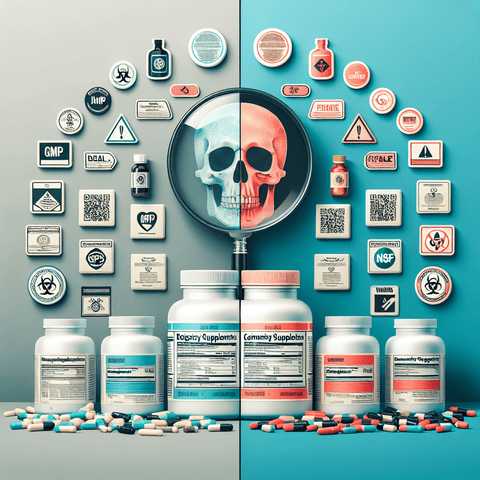
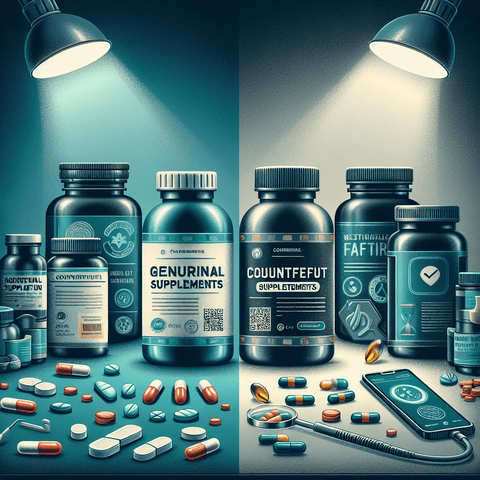
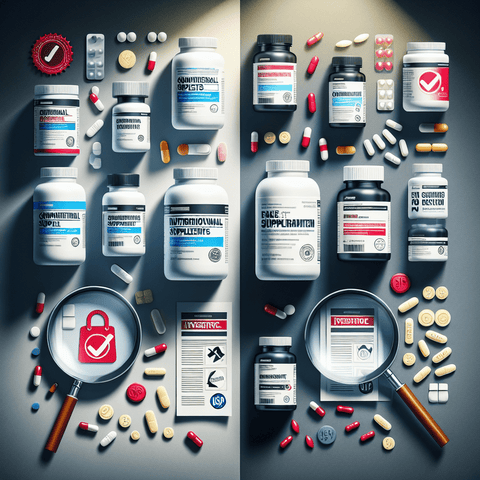
Het identificeren van nep-supplementen begint met een nauwkeurige blik op de alledaagse productdetails. Op een pagina over het herkennen van valse supplementen vind je praktische aanwijzingen, hoe je labels kunt verifiëren, en richtlijnen om vervalste vitamines buiten de deur te houden. Deze gids richt zich op zeven waarschuwingssignalen die kunnen wijzen op een nepproduct, plus eenvoudige stappen om de echtheid te controleren zonder te vertrouwen op ongeverifieerde claims. Door te letten op labeling, verpakking, herkomst en documentatie, ben je beter in staat om onregelmatigheden te ontdekken voordat je tot aankoop overgaat. Veelvoorkomende rode vlaggen bij het herkennen van nep-supplementen zijn problemen met het label, zoals Onvolledige ingrediëntenlijsten, vage doseringsinformatie of lettertypes en lay-outs die niet overeenkomen met de officiële verpakking van het merk. Een ander duidelijk teken is ontbrekende of slecht gedrukt batchnummers en houdbaarheidsdata. Verpakkingen die er vervalst uitzien of verdachte afsluitingen, lijmresten of onregelmatige naden bevatten, kunnen ook waarschuwingssignalen zijn. De prijs en verkoopkanalen doen er ook toe: een product dat veel goedkoper wordt aangeboden dan marktconform of verkocht via niet-goedgekeurde verkopers, vormt een mogelijk rode vlag. Tot slot is het ontbreken van controleerbare contactgegevens van de fabrikant, het ontbreken van certificeringen door derden, of inconsistenties tussen de informatie op het label en wat op de officiële website wordt weergegeven, reden om de herkomst kritischer te onderzoeken bij het herkennen van nep-supplementen. Aanvullende rode vlaggen om op te letten zijn onder meer het ontbreken van traceerbare informatie over de productie of contactmogelijkheden, waardoor verificatie moeilijk wordt. Een product zonder bewijs van derde partij testen of certificering door erkende instanties roept vragen op over de echtheid. En als de online productomschrijving niet overeenkomt met de verpakking of de eigen website van het bedrijf, kan die discrepantie wijzen op een namaakartikel. Hoewel deze signalen geen bewijs op zich zijn, zijn ze belangrijke aanwijzingen om even stil te staan en verder onderzoek te doen terwijl je nep-supplementen herkent. Om labels te verifiëren en nepvitaminen te voorkomen, begin je met de basis: vergelijk het label met de officiële pagina van de fabrikant en gebruik streepjescodes of QR-codes die betrouwbare apps bieden om de legitimiteit te bevestigen. Neem rechtstreeks contact op met de fabrikant om batchnummers, lotinformatie en geautoriseerde verkopers te verifiëren. Bewaar de verpakking en bonnetjes totdat je zeker bent van de echtheid, en meld verdachte producten bij toezichthouders of consumentenbeschermingsorganisaties indien nodig. Door verificatiestappen prioriteit te geven en alert te blijven op deze rode vlaggen, versterk je je aanpak bij het herkennen van nep-supplementen en bescherm je jezelf tegen vervalste producten.


How to Tell If Your Nutritional Supplement Is Safe and Legitimate - Topvitamine
Aug 29, 2025
Een veilig voedingssupplement herkennen begint met een controle van het etiket, de fabrikant, het lotnummer en de verkoopkanalen. In deze gids lees je wat GMP, onafhankelijke laboratoriumtests en keurmerken zoals USP Verified en NSF International wel en niet betekenen. Ook krijg je praktische stappen om supplementen te controleren, namaak te herkennen en bij twijfel deskundig advies te vragen.
How Do I Avoid Counterfeit Supplements and Spot Fakes Online and In-Store - Topvitamine
Aug 28, 2025
Namaaksupplementen herkennen begint bij de verkoper, de verpakking en het etiket. In deze gids lees je hoe je nepvitamines en andere verdachte producten controleert, welke signalen op online oplichting wijzen en wat je doet bij twijfel. Ook bespreken we marketplaces zoals Amazon, frauduleuze aanbiedingen die zich op ouderen kunnen richten en manieren om supplementen veilig te kopen zonder onbewezen gezondheidsclaims te volgen.
How to Identify Counterfeit Supplements and Protect Your Health - Topvitamine
Aug 28, 2025
Namaaksupplementen herkennen begint bij een kritische controle van de verpakking, herkomst, verkoper en productinformatie. In dit artikel lees je welke signalen kunnen wijzen op een vervalsing, waarom een lage prijs of een keurmerk geen volledige garantie biedt en wat je moet doen bij twijfel. Ook bespreken we hoe je betrouwbare supplementenmerken beoordeelt en waar je op let voordat je vitamines of andere supplementen koopt.
How to Identify Counterfeit Supplements and Avoid Online Scams - Topvitamine
Aug 28, 2025
Nep-supplementen herkennen begint met het controleren van de verkoper, verpakking, ingrediëntenlijst, verzegeling, het batchnummer en de houdbaarheidsdatum. Een QR-code, barcode of keurmerk bewijst op zichzelf niet dat een product echt is. In deze gids lees je hoe je supplementen online controleert, welke signalen op fraude kunnen wijzen en wat je doet wanneer je een product al hebt gebruikt of de herkomst niet kunt verifiëren.
How to Spot Fake or Counterfeit Supplements Online and Protect Your Health - Topvitamine
Aug 27, 2025
Neppe supplementen herkennen begint bij de verkoper, de verpakking, het etiket en de productclaims. In deze gids lees je welke signalen op een vervalsing kunnen wijzen, hoe je de echtheid controleert en waarom een opvallend lage prijs of wonderbelofte geen betrouwbare kwaliteitsindicator is. Ook bespreken we wat je doet als je een verdacht product hebt gekocht en beantwoorden we veelgestelde vragen over betrouwbare merken en online marktplaatsen.

The market for dietary supplements is vast, and unfortunately, where there is demand, counterfeiters often follow. Spotting fake supplements is a crucial skill for anyone who takes vitamins or minerals regularly. A counterfeit product may not contain the ingredients listed on the label, may contain harmful fillers, or may have incorrect dosages. Learning to distinguish genuine products from fakes is about more than just protecting your wallet; it is about safeguarding your health. This guide provides a broad overview of the key indicators of inauthentic supplements and the practical steps you can take to verify a product's legitimacy before you buy.

Why Supplement Authenticity Matters

The primary concern with fake supplements is that their contents are unknown. They may lack the active ingredient entirely, contain a different amount than stated, or be contaminated with undeclared substances. This can lead to a range of issues, from the product simply being ineffective to potential health risks from unknown ingredients or interactions. For individuals who rely on supplements to address a specific nutrient gap, a counterfeit product can delay expected benefits and create confusion about their health regimen. Verifying authenticity ensures that you are consuming what you intend to consume.

The issue extends beyond individual health. The presence of counterfeit goods undermines trust in reputable supplement brands and the industry as a whole. It can also have financial implications, as consumers may pay a premium for a product that is worth far less. Being able to spot a fake is a form of consumer protection that helps maintain the integrity of the market and encourages responsible manufacturing.

The 7 Red Flags of Counterfeit Supplements

While no single indicator is definitive proof, encountering one or more of these signs should make you pause and investigate further. Here are the seven common red flags to watch for when evaluating a supplement.

  • Inconsistent Labeling: The label may have an incomplete ingredient list, unclear dosage information, or misspellings. The font and layout may not match the brand's official packaging design, or the text may be blurry or poorly aligned.
  • Missing or Poorly Printed Batch Numbers: Genuine products almost always have a batch or lot number and an expiration date. If these are absent, faded, or difficult to read, it's a significant warning sign.
  • Suspicious Packaging: The seal may appear tampered with, or there could be glue marks, misaligned seams, or a generally cheap or flimsy feel to the bottle or box. A product that appears to have been opened or re-sealed should be avoided.
  • Unrealistic Pricing: If a product is being sold well below its typical market value, especially on a third-party marketplace, this is a common indicator of a counterfeit. Legitimate brands invest in quality ingredients and manufacturing, which is reflected in the price.
  • Unauthorized Sales Channels: Purchasing from websites, marketplaces, or physical stores that are not listed as authorized retailers on the manufacturer's website carries a higher risk. These channels may be selling products that have been diverted, stored improperly, or are outright fakes.
  • Lack of Contact or Verification Information: The packaging should provide clear manufacturer details. If there is no verifiable physical address, website, or phone number, or if the information is vague, verifying the product's authenticity becomes nearly impossible.
  • Inconsistencies with Official Information: If the product listing online doesn't match the packaging, or if the information on the label is inconsistent with what is shown on the brand's official website, this discrepancy is a strong indicator of a counterfeit item.

Steps to Verify a Supplement's Authenticity

When you are concerned about a product's authenticity, there are several proactive steps you can take to verify it. This process helps confirm that you are buying a legitimate product and not a counterfeit.

  1. Compare the Label: Visit the manufacturer's official website and compare the product label, packaging design, and ingredient list. Look for any discrepancies in spelling, layout, or nutritional information.
  2. Use Verification Tools: Many brands now include QR codes or unique serial numbers on their packaging. Use the brand's official app or an approved scanning tool to check if the code is valid and matches the product you have.
  3. Contact the Manufacturer: Reach out to the company directly through the contact information on their official website. You can ask them to confirm the batch number, lot details, or whether the retailer you purchased from is an authorized distributor.
  4. Preserve Evidence: Keep the packaging, the product itself, and your receipt until you are certain of its authenticity. This information will be crucial if you need to file a report or request a refund.
  5. Report Suspicious Products: If you believe you have encountered a counterfeit, report it to the manufacturer and to relevant regulatory or consumer protection agencies. Your report can help prevent others from falling victim to the same scam.

Understanding Different Supplement Categories

Counterfeits can affect almost any type of supplement, from popular vitamins to herbal extracts. Being aware of the broader landscape of supplement categories can help you understand what to expect from legitimate products, making it easier to spot anomalies. For example, a product you find on a discount shelf might be a legitimate close-dated item, while the same brand sold at a deep discount through an unauthorised online seller could be suspect.

If you are looking for authentic products from trusted manufacturers, exploring our range of healthy origin supplements is a good starting point. For those interested in specific ingredients, it's also wise to understand the source and extraction methods, whether you are considering turmeric supplements or other botanical products. Knowing what a high-quality product looks like in a specific category makes it much harder for counterfeiters to deceive you.

The Role of Third-Party Testing and Certifications

Third-party testing is one of the most reliable ways to ensure a supplement's quality and authenticity. Many reputable companies send their products to independent laboratories to verify that the finished product contains the correct ingredients in the stated amounts and is free from contaminants. Some brands also obtain certifications from organizations that have their own strict quality and safety standards, such as those for Good Manufacturing Practices (GMP).

While the absence of these certifications does not automatically mean a product is fake, their presence is a strong indicator of a manufacturer's commitment to quality and transparency. This is particularly pertinent when you are buying from a brand for the first time. Checking for these marks on the label or the brand's website can provide another layer of confidence in your purchase, reinforcing your efforts in spotting fake supplements.

Building Confidence in Your Supplement Choices

Ultimately, learning to spot fake supplements is about becoming a more informed and vigilant consumer. By familiarizing yourself with the red flags, verifying labels, and using available resources to confirm authenticity, you can navigate the market with greater confidence. This skill protects your health and your investment in your well-being, ensuring that the supplements you choose to support your nutritional goals are exactly what they claim to be.

This guide is for educational purposes only and is not a substitute for professional medical advice. If you have any concerns about a specific product, consult with a healthcare professional.