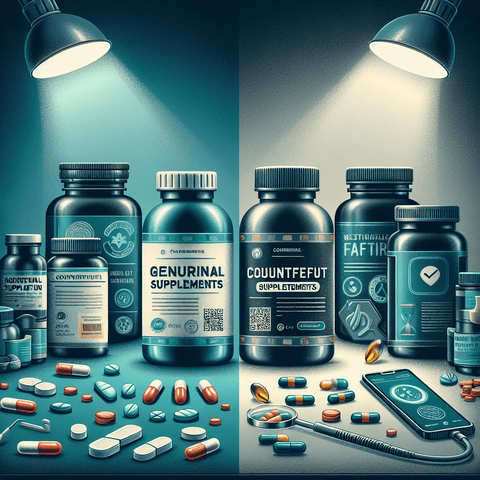
Een supplement is authentiek als de werkelijke inhoud overeenkomt met het etiket wat betreft ingrediënten, hoeveelheden en zuiverheid. Je kunt de echtheid beoordelen door het etiket, batchnummer, eventuele keurmerken en een certificaat van analyse (COA) te controleren en na te gaan hoe transparant de fabrikant is. Deze controles kunnen helpen bij je keuze, maar garanderen niet dat een supplement voor jou geschikt of nodig is.
Wat betekent echte authenticiteit van supplementen?
Authenticiteit betekent dat een supplement bevat wat het etiket belooft, in de aangegeven sterkte en zonder niet-gedeclareerde stoffen of verontreinigingen. Dat zegt iets over de identiteit en kwaliteit van het product, maar niet automatisch over de wettelijke status, de noodzaak ervan of de geschiktheid voor een individuele gebruiker.
De kwaliteit kan per product en fabrikant verschillen, ook bij natuurlijke supplementen. Vervalsing of een onjuiste samenstelling kan extra relevant zijn bij gewilde of kostbare ingrediënten, zoals bepaalde kruiden, weiproteïne en premium vitamines. Een bekende merknaam verkleint niet elk risico: ook gevestigde fabrikanten moeten hun productie en kwaliteitscontroles zorgvuldig beheren.
Bij kruidenproducten is de juiste identificatie van de plant belangrijk. Herkomst, inkoop en verwerking kunnen bijdragen aan de kwaliteit van kruidensupplementen.
Waarom de echtheid van je supplement ertoe doet
Een niet-authentiek of onvoldoende gecontroleerd product kan minder van een ingrediënt bevatten dan vermeld, niet-gedeclareerde vulstoffen of onzuiverheden bevatten, of grondstoffen bevatten die niet correct zijn geïdentificeerd. De samenstelling kan bovendien tussen batches verschillen. Daardoor kan een product afwijken van wat je op basis van het etiket verwacht.
Transparantie over herkomst en inkoop is vooral bij kruiden van belang, omdat de identiteit van de plant en de traceerbaarheid van grondstoffen relevant zijn voor de productkwaliteit. Echtheidscontrole gaat om kwaliteit en samenstelling; het bewijst niet dat een supplement een aandoening kan genezen of voorkomen.
Zo herken je een authentiek supplement: de basiscontrole
Controleer vóór aankoop meer dan alleen de prijs of merknaam. Deze punten helpen je om informatie over het product en de fabrikant systematisch te beoordelen:
- Volledige etikettering met ingrediënten, hoeveelheden, batchnummer en houdbaarheidsdatum.
- Transparante informatie over de herkomst en productie van ingrediënten.
- Uitleg over kwaliteitscontroles en tests op identiteit, zuiverheid en mogelijke verontreinigingen.
- Een fabrikant die informatie over kwaliteitsnormen en productie kan toelichten.
- Realistische productclaims die geen genezing of preventie beloven.
- Een intacte, verzegelde verpakking zonder duidelijke beschadigingen of aanwijzingen van manipulatie.
Etiket correct lezen
Lees zowel de ingrediëntenlijst als de tabel met voedings- of supplementeninformatie. Controleer welke ingrediënten aanwezig zijn, hoeveel ervan per portie wordt vermeld en welke andere bestanddelen zijn toegevoegd. Vergelijk bij meerdere producten de volledige samenstelling, gebruiks- en veiligheidsinformatie en niet alleen de prijs; dat kan bijvoorbeeld helpen bij het beoordelen van multivitamines.
Controleer ook het batchnummer en de houdbaarheidsdatum. Onduidelijke ingrediënten of concentraties zijn redenen om aanvullende informatie te vragen. Het ontbreken van een ADH-vermelding is op zichzelf niet altijd een probleem: niet voor elk ingrediënt geldt een vastgestelde ADH of wordt die op dezelfde manier weergegeven.
Batchnummer en verpakking controleren
Een batchnummer, ook wel partijnummer genoemd, identificeert een specifieke productiebatch. Daarmee kan de fabrikant doorgaans informatie over die partij terugvinden. Een goed leesbaar nummer en een duidelijke houdbaarheidsdatum ondersteunen de traceerbaarheid, maar bewijzen op zichzelf niet dat de inhoud authentiek is.
Bekijk of de verpakking intact is en of de bedrukking helder en professioneel oogt. Een beschadigde, geopende of verdacht afwijkende verpakking is reden om het product niet te gebruiken voordat de verkoper of fabrikant de situatie heeft opgehelderd. Neem bij twijfel contact op en vermeld het batchnummer.
Betrouwbare merken herkennen
Een fabrikant met consistente kwaliteitsnormen, duidelijke contactgegevens en navolgbare informatie over productie en herkomst kan meer inzicht bieden in het product. Bekijk de officiële website en controleer of de productinformatie overeenkomt met het etiket. Een merknaam alleen is echter geen garantie voor de samenstelling of kwaliteit van een specifieke batch.
Keurmerken van derden: USP, NSF en meer
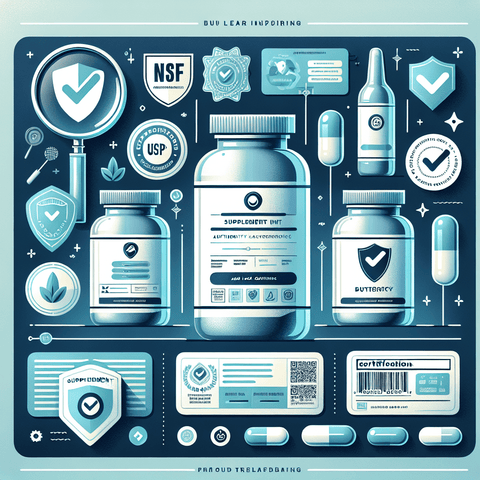
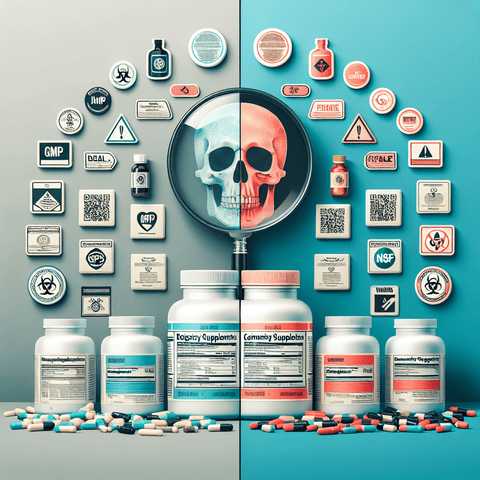
Een keurmerk of certificering van een derde partij betekent dat een onafhankelijke organisatie bepaalde aspecten van een product of productieproces beoordeelt. De precieze controles en reikwijdte verschillen per programma. USP en NSF zijn voorbeelden van veelgenoemde organisaties die onder meer eisen rond samenstelling, zuiverheid of productieprocessen kunnen beoordelen.
Informed Choice en Informed Sport zijn programma's die vooral relevant kunnen zijn voor sporters, onder meer vanwege controles op bepaalde stoffen. ConsumerLab is eveneens een naam die consumenten kunnen tegenkomen bij onafhankelijke productbeoordelingen. Controleer steeds wat het specifieke programma daadwerkelijk test; de naam of het logo alleen vertelt niet welke controles voor elk product zijn uitgevoerd.
- USP (U.S. Pharmacopeia)
- NSF International
- Informed Choice en Informed Sport
- ConsumerLab
- Een overzicht dat je zelf via de officiële website van de betreffende organisatie kunt controleren
Zoek het merk en, waar mogelijk, het exacte product op via de officiële website van de keurmerkorganisatie. Een logo op de verpakking kan ondersteunende informatie zijn, maar een keurmerk garandeert niet dat een supplement voor jou nodig of persoonlijk geschikt is.
Certificaten van analyse (COA) en laboratoriumtests
Een certificaat van analyse (COA) is een laboratoriumdocument met testresultaten voor een product of grondstof. Afhankelijk van de uitgevoerde tests kan het informatie geven over de identiteit, hoeveelheid of zuiverheid van ingrediënten. Een bruikbaar COA vermeldt het batchnummer, zodat je kunt nagaan of de resultaten betrekking hebben op de partij die je wilt controleren.
Laboratoria kunnen technieken zoals HPLC en massaspectrometrie gebruiken om stoffen te identificeren of te kwantificeren. De gebruikte methode hangt af van het ingrediënt en de vraag die de test moet beantwoorden. Vraag het document op bij de fabrikant of kijk of het online beschikbaar is. Let erop dat duidelijk is welk laboratorium de test uitvoerde en op welke batch de resultaten slaan; een zelf opgesteld document zonder controleerbare laboratoriumgegevens is geen onafhankelijk bewijs.
Hoe vraag je een COA op?
Neem contact op met de klantenservice en vermeld de productnaam en het batchnummer. Je kunt bijvoorbeeld vragen: “Kunt u het COA voor deze batch delen en aangeven welke laboratoriumtests zijn uitgevoerd?” Een duidelijke reactie met een document dat aan de juiste batch is gekoppeld, geeft meer inzicht in de controles. Sommige fabrikanten publiceren COA's online; controleer ook dan of het batchnummer overeenkomt.
Zelf testen: wat kun je thuis doen bij weiproteïne?
Thuis kun je weiproteïne niet betrouwbaar op echtheid verifiëren. Smaak, kleur, geur, oplosbaarheid en consistentie kunnen aanwijzingen geven dat een product afwijkt van wat je verwacht, maar ze bewijzen niet welke ingrediënten erin zitten of in welke hoeveelheid. Voor een betrouwbare verificatie van de samenstelling is laboratoriumanalyse nodig; zintuiglijke kenmerken zijn daarvoor geen vervanging.
Veelgestelde vragen over de echtheid van supplementen
Hoe weet ik of een supplementenmerk legitiem is? Controleer de ingrediënten en contactgegevens op het etiket, zoek informatie over de fabrikant en de productielocatie op, en kijk of batchnummers en kwaliteitscontroles traceerbaar zijn. Verifieer eventuele keurmerken bij de organisatie die ze uitgeeft en vraag bij twijfel een COA voor de betreffende batch op. Geen enkele losse controle biedt op zichzelf volledige zekerheid.
Hoe test je weiproteïne op echtheid? Smaak, kleur en oplosbaarheid zijn hooguit indicatief en stellen de inhoud niet vast. Een laboratoriumtest van een identificeerbare batch kan de samenstelling controleren; thuisproeven kunnen dat niet.
Is er een USP-gecertificeerde multivitamine beschikbaar? USP-certificering bestaat, maar de certificering kan per product verschillen en kan veranderen. Controleer daarom het exacte product via de officiële informatie van USP, in plaats van alleen op een logo of algemene merkvermelding af te gaan.
Wordt Nature's Bounty door derden getest? Testen en certificering kunnen verschillen per product en programma. Ga niet uit van een algemene claim voor het hele merk: controleer het specifieke product bij de betreffende keurmerkorganisatie en vraag de fabrikant zo nodig naar de tests voor de relevante batch.
Slot: controleer, vergelijk en vraag advies
Lees het etiket, controleer batchnummer en houdbaarheidsdatum, verifieer eventuele keurmerken en vraag zo nodig een COA op. Vergelijk merken op transparantie, kwaliteitscontroles en traceerbaarheid, niet alleen op prijs. Authenticiteit gaat over de samenstelling en kwaliteit van een product, niet over de vraag of je het nodig hebt. Die behoefte kan afhangen van onder meer je voeding en gezondheidssituatie; overleg bij twijfel met een gekwalificeerde zorgprofessional.