Verhoog de opname van je supplement: haal het maximale uit de absorptie vandaag
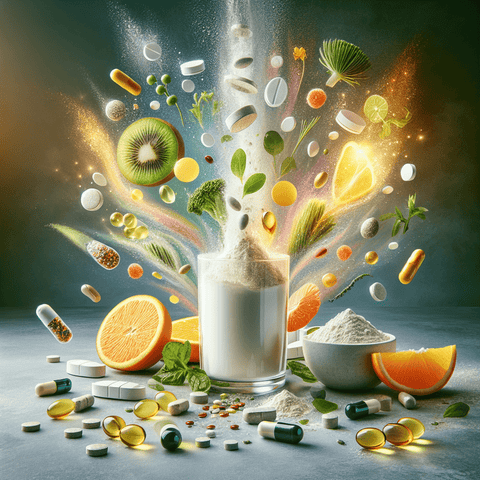

Boost je supplement-biobeschikbaarheid met wetenschappelijk onderbouwde tips om absorptie vandaag nog te maximaliseren. Leer praktische, veilige strategieën die je meteen kunt gebruiken. Supplement-biobeschikbaarheid verwijst naar het deel van een ingrediënt dat na toediening beschikbaar komt in de systemische circulatie. Het begrijpen van dit concept helpt lezers om productlabels te interpreteren en het bewijsmateriaal achter verschillende toedieningsvormen te begrijpen. Deze pagina legt de wetenschappelijke basis voor supplement-biobeschikbaarheid uit en presenteert algemene informatie over hoe opname kan worden bestudeerd en vergeleken. Verschillende factoren beïnvloeden de biobeschikbaarheid van supplementen. De chemische vorm van een ingrediënt, het gekozen toedieningssysteem en de fabricagekwaliteit bepalen allemaal hoe een verbinding oplost en wordt opgenomen. Verschillen in formulering, zoals encapsulatie-strategieën of deeltjesgrootte, kunnen de snelheid en mate van opname beïnvloeden. First-pass-metabolisme en compatibiliteit met andere ingrediënten zijn aanvullende overwegingen die onderzoekers bestuderen bij het evalueren van supplement-biobeschikbaarheid. Praktische stappen om de biobeschikbaarheid van supplementen te beoordelen zonder gezondheidsclaims te maken, omvatten het prioriteren van productkwaliteit en transparantie. Kies producten met onafhankelijke verificatie door derden en duidelijke labeling van actieve ingrediënten en toedieningsmethoden. Wees alert op mogelijke interacties met andere supplementen of medicijnen, en bewaar documentatie voor professionele beoordeling. Bij twijfel, raadpleeg een gekwalificeerde professional om keuzes te beoordelen en de compatibiliteit met jouw situatie te bepalen. Blijf betrouwbare, wetenschappelijk onderbouwde informatie over supplement-biobeschikbaarheid raadplegen. Zoek naar peer-reviewed studies die absorptie onder gecontroleerde omstandigheden meten en verschillende formuleringen vergelijken. Door op de hoogte te blijven van gerenommeerde bronnen, kun je beoordelen hoe diverse strategieën de opname mogelijk beïnvloeden en geïnformeerde beslissingen nemen. Door prioriteit te geven aan bewijs en exacte terminologie, kun je nu en in de toekomst een praktische, veilige aanpak volgen bij het beoordelen van supplement-biobeschikbaarheid, terwijl nieuwe bevindingen worden ontdekt.


Are powdered supplements absorbed faster than pills - Topvitamine
Aug 27, 2025
Poedersupplementen worden niet automatisch sneller of beter opgenomen dan pillen. Een poeder kan soms sneller uiteenvallen, maar de opname hangt vooral af van de voedingsstof, de formulering, de maaltijd en je persoonlijke spijsvertering. In dit artikel ontdek je de belangrijkste verschillen tussen poeder, capsules en tabletten en krijg je praktische criteria om een passende vorm te kiezen.
How Supplement Bioavailability Impacts Your Health and What To Do About It - Topvitamine
Jul 26, 2025
De biobeschikbaarheid van supplementen beschrijft hoeveel van een voedingsstof je lichaam kan opnemen en gebruiken. In dit artikel lees je welke rol de supplementvorm, voeding, spijsvertering, timing en interacties spelen. Ook krijg je praktische keuzehulp voor vitamines en mineralen en aandachtspunten voor het bestellen van supplementen, zonder dat één vorm of merk voor iedereen de beste is.

Supplement bioavailability is a foundational concept in nutrition and supplementation. It broadly refers to the extent to which an ingredient—such as a vitamin, mineral, or botanical compound—is absorbed and becomes available for use by the body. This page provides a practical, science-based overview of supplement bioavailability, explaining what it means, why it matters, and the key factors that influence how well products are absorbed.

Understanding Supplement Bioavailability

Bioavailability is about more than just the amount of a nutrient in a supplement. It is about how much of that nutrient actually reaches systemic circulation after administration. A supplement may contain a high dose of an ingredient, but if the body cannot absorb it efficiently, the effective amount is lower than the label suggests.

This concept helps explain why different formulations of the same nutrient may produce different results in scientific studies. Researchers measure bioavailability to compare how well different supplement forms deliver their ingredients. Understanding this helps you interpret product labels, evaluate evidence, and make more informed decisions about which supplements may suit your needs.

Key Factors Influencing Absorption

Several factors influence how well a supplement ingredient is absorbed. These include the form of the ingredient, the delivery system, and the quality of manufacturing.

Chemical Form of the Ingredient

The chemical form of a nutrient can significantly affect its absorption. For example, certain minerals are available in multiple forms, and some forms may be better absorbed than others. This is a key consideration in supplement formulation and is often highlighted on product labels.

Delivery System and Formulation

The delivery system—whether a supplement comes as a tablet, capsule, powder, or liquid—can impact how it dissolves and is released in the body. Encapsulation strategies and particle size are additional formulation factors that can alter the rate and extent of absorption. These design choices are part of what makes one product different from another.

Metabolism and Interactions

Once absorbed, ingredients may undergo first-pass metabolism in the liver, which can reduce the amount that reaches systemic circulation. Compatibility with other ingredients is also important. Some nutrients are better absorbed together, while others may compete for absorption. These interactions are important considerations in supplement research and formulation.

Why Bioavailability Matters in Supplements

Understanding bioavailability helps you recognize that not all supplements are created equal. It is a primary reason why two products with the same ingredient profile can differ in effectiveness. For those interested in specific nutrient categories, it is useful to explore how different supplements are formulated to optimize absorption.

For instance, if you are particularly interested in how vitamins are absorbed, you can explore our guides on vitamin A, vitamin D, and B vitamins. These resources provide more detailed information about the sources and benefits of these nutrients.

Different Forms and Delivery Methods

The supplement market offers a wide variety of product forms, each with its own characteristics that can influence absorption. Some common formats include:

  • Tablets and capsules, which are convenient and widely used.
  • Powders, which can be mixed with liquids and may be absorbed more quickly.
  • Liquid formulations, which some users prefer for ease of use.
  • Specialized delivery systems, such as liposomal or time-release technologies.

These different forms are designed to address various factors, including stability, convenience, and the intended rate of absorption. When comparing products, it is worth considering how the delivery form might affect the bioavailability of the ingredients.

Practical Considerations for Choosing Supplements

When selecting supplements, focusing on quality and transparency is essential. Here are some practical steps to consider:

  • Seek products with independent verification from third-party testing programs.
  • Look for clear labeling of active ingredients and delivery methods.
  • Be mindful of potential interactions with other supplements or medications.
  • Keep documentation and product labels available for professional review.

These steps can help you evaluate products more carefully without relying on marketing claims alone.

Exploring Absorption and Dosage

Absorption is not the same as the amount of a supplement you take. The relationship between a dose and what the body actually uses is complex. For instance, you might wonder how much of a supplement you actually absorb. This depends on factors like the formulation, the presence of food in your stomach, and individual differences in metabolism. Similarly, terms like '90% bioavailability' indicate that a specific portion of the ingested dose is expected to be absorbed, though this can vary.

It is also important to consider that some vitamins and minerals may not be compatible when taken together, as they can compete for absorption. Understanding these dynamics is part of making informed decisions about supplement timing and combinations.

Staying Informed with Reliable Sources

As research on supplement bioavailability continues to evolve, staying current with reliable, science-based information is important. Look for peer-reviewed studies that measure absorption under controlled conditions and compare different formulations. This evidence-based approach helps you evaluate how various strategies may influence absorption and supports informed decision-making.

For a broader perspective on vitamins and how they work in the body, you may find our comprehensive multivitamins guide helpful. It covers ingredient considerations, usage, and safety.

For those interested in specific minerals and how their different forms affect absorption, our mineral supplements guide provides a detailed overview of iron, zinc, selenium, and other essential minerals.

The Bottom Line on Bioavailability

Supplement bioavailability is a nuanced topic that underpins the effectiveness of any nutritional supplement. By understanding the factors that influence absorption and knowing how to evaluate product quality, you can approach supplementation with greater confidence. Always prioritize evidence-based information and consult with a qualified healthcare professional for personalized advice.