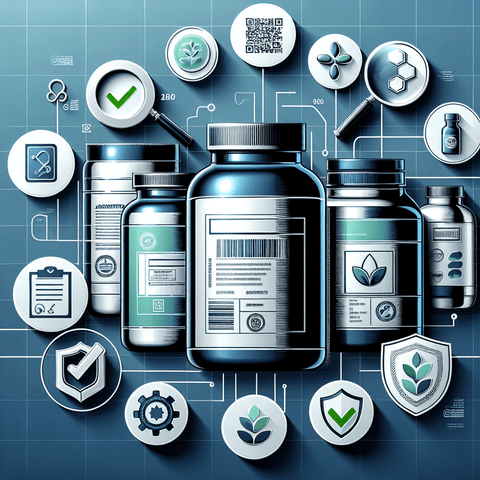
Vervalste supplementen voorkom je door vóór gebruik de verkoper, verpakking en het etiket te controleren. In veel regio’s worden supplementen niet vooraf op de markt goedgekeurd; fabrikanten, verkopers en consumenten hebben daarom ieder een rol bij het controleren van echtheid. Een nepproduct kan andere ingrediënten of hoeveelheden bevatten dan vermeld, of verborgen stoffen bevatten.
Wat is een vervalst supplement? De belangrijkste begrippen
Een vervalst supplement bootst opzettelijk een echt merk of product na om consumenten te misleiden. De inhoud kan afwijken van wat de verpakking suggereert. De termen vervalst, gemanipuleerd, verontreinigd en verkeerd geëtiketteerd betekenen niet precies hetzelfde, maar kunnen bij één product samengaan.
- Vervalste producten bootsen een echt merk of product na met de bedoeling te misleiden.
- Gemanipuleerde producten bevatten onverklaarde ingrediënten, soms geneesmiddelen of stimulerende middelen.
- Verontreinigde producten bevatten onbedoeld schadelijke stoffen, zoals zware metalen, bacteriën of allergenen.
- Verkeerd geëtiketteerde producten bevatten iets anders dan op het etiket staat.
In al deze gevallen weet je mogelijk niet zeker wat of hoeveel je inneemt. Een afwijking betekent niet automatisch dat er opzet in het spel is, maar maakt controle van herkomst en etikettering belangrijk.
Waarom nep-supplementen een serieus risico vormen
De financiële schade is vaak het meest zichtbaar, maar een groter aandachtspunt is dat de werkelijke inhoud onbekend kan zijn. Mogelijke gevolgen lopen uiteen van geen merkbaar effect tot een allergische reactie, bijwerkingen of een wisselwerking met medicijnen. Ook kan een onverwacht hoge hoeveelheid van een voedingsstof bijdragen aan een inname boven de aanvaardbare bovengrens.
Toezichthouders hebben bij sommige producten voor gewichtsverlies, prestatieverbetering, bodybuilding en energie verborgen geneesmiddelen, waaronder sibutramine en sildenafil-analogen, aangetroffen. Ook zijn in sommige kruidenproducten zware metalen gemeld. Dit zijn gedocumenteerde bevindingen, geen aanwijzing dat elk verdacht product zulke stoffen bevat.
Mogelijke bijwerkingen en gezondheidsrisico’s
Het risico hangt af van wat er werkelijk in het product zit en van iemands gezondheid, voeding en medicijngebruik. Een product kan bijvoorbeeld weinig of geen werkzame stof bevatten, maar een verkeerd ingrediënt of een niet-vermeld allergeen kan ernstiger gevolgen hebben. Overmatige hoeveelheden van sommige vetoplosbare vitaminen of mineralen kunnen eveneens een aandachtspunt zijn.
Verborgen geneesmiddelen en verontreinigingen
Onverklaarde geneesmiddelen kunnen invloed hebben op onder meer de bloeddruk, het hart- en vaatstelsel of de lever. In kruidenproducten van twijfelachtige herkomst zijn soms zware metalen zoals lood, kwik en arseen aangetroffen. Dat is een reden om bij bepaalde productcategorieën extra aandacht te besteden aan herkomst en onafhankelijke tests.
Hoe herken je nep-supplementen? Waarschuwingssignalen en rode vlaggen
Controleer bij ontvangst zowel de verpakking als de inhoud. Let ook op de verkoper en de manier waarop het product wordt aangeprezen. Eén afwijking bewijst niet dat een supplement nep is, maar meerdere signalen samen zijn reden om het product niet te gebruiken en de fabrikant om verificatie te vragen.
- Wazige bedrukking, scheve etiketten, spelfouten of een verpakking van opvallend slechte kwaliteit.
- Een ontbrekende, beschadigde of opnieuw vastgelijmde verzegeling.
- Geen lot- of batchnummer, houdbaarheidsdatum of gegevens van de fabrikant.
- Tabletten of capsules die afwijken van officiële productfoto’s.
- Een ongebruikelijke geur of smaak, klontervorming of verkleuring.
- Een prijs die ver onder de gebruikelijke winkelprijs ligt, een onbekende verkoper of een pas opgerichte webshop.
- Wonderclaims over het genezen of behandelen van ziekten, vage contactgegevens of reviews die niet betrouwbaar lijken.
Sommige fabrikanten bieden verificatie via een QR-code, kraspaneel of batchnummercontrole. Gebruik daarvoor de officiële website of contactgegevens van de fabrikant; een code op zichzelf is geen garantie, omdat ook verificatiegegevens kunnen worden nagemaakt.
Waar nep-supplementen vandaan komen en waarom ze zich verspreiden
Online aanbiedingen kunnen afkomstig zijn van veel verschillende externe verkopers. Het controleren en handhaven van regels is daardoor lastig, en ook platforms met beleid tegen namaak kunnen verdachte aanbiedingen missen. Bij gemengde magazijnvoorraad is het bovendien niet altijd eenvoudig vast te stellen van welke verkoper een product afkomstig is.
Reguleringsleemtes en externe marktplaatsverkopers
Productie kan aan regels onderworpen zijn, terwijl toezicht op alle online aanbiedingen moeilijk blijft. Een vermelding in een merkwinkel of op een bekende marktplaats is daarom niet op zichzelf genoeg om de herkomst te bevestigen. Controleer wie de daadwerkelijke verkoper is en of die door de fabrikant wordt erkend.
Grijze import en de meest nagemaakte categorieën
Grijze import betreft echte producten die buiten de officiële distributiekanalen worden doorverkocht. Daardoor kunnen ze voor een andere markt bedoeld zijn, een ander etiket hebben of onder afwijkende opslagomstandigheden zijn vervoerd. Een andere taal of samenstelling bewijst niet dat een product nep is, maar verdient wel controle. Namaakverkopers richten zich geregeld op afslankproducten, sport- en spieropbouwende supplementen, populaire merkvitaminen en premium kruidenextracten.
Alledaagse gewoontes die het risico op namaak verkleinen
Een van de nuttigste voorzorgsmaatregelen is rechtstreeks kopen bij de fabrikant of bij een erkende verkoper. Controleer vóór je bestelt het adres, de contactmogelijkheden en het retourbeleid. Vergelijk bij ontvangst de verpakking met informatie op de officiële website en gebruik beschikbare batchcontroles.
- Koop rechtstreeks bij de fabrikant of bij officieel erkende verkopers.
- Controleer vóór aankoop de gegevens en contactmogelijkheden van de verkoper.
- Inspecteer na ontvangst de verzegeling, het lotnummer en de houdbaarheidsdatum.
- Bewaar je aankoopbewijs en noteer waar je het product hebt gekocht.
- Volg de bewaarvoorschriften op het etiket en bescherm supplementen tegen ongeschikte warmte, vocht of licht.
Begin waar mogelijk bij een gevarieerd voedingspatroon: als je daardoor minder supplementen nodig hebt, verklein je ook je blootstelling aan namaak. De behoefte verschilt per persoon. Vitamine D kan bijvoorbeeld relevant zijn in regio’s met weinig zonlicht en B12 voor mensen die strikt plantaardig eten, maar dat betekent niet dat iedereen een supplement nodig heeft.
Hoe onafhankelijke testen en certificeringen echtheid ondersteunen
Onafhankelijke tests en certificeringen kunnen informatie geven over de samenstelling, bepaalde verontreinigingen en de kwaliteitsprocessen. Wat precies wordt gecontroleerd, verschilt per programma en product. Ze bewijzen niet dat een supplement werkt, voor iedereen geschikt is of gegarandeerd vrij is van elk mogelijk risico.
- USP Verified: controleert onder meer of de inhoud overeenkomt met de vermelde ingrediënten en hoeveelheden en of aan bepaalde kwaliteitscriteria wordt voldaan.
- NSF Certified: omvat controles volgens de criteria van het betreffende NSF-programma; controleer welke eisen voor het specifieke product gelden.
- NSF Certified for Sport en Informed Sport: programma’s die sportproducten of batches onder meer op verboden stoffen testen.
- GMP: verwijst naar goede productiepraktijken; het is niet hetzelfde als een onafhankelijke bevestiging dat elk afzonderlijk product effectief is.
Logo’s kunnen worden gekopieerd. Controleer daarom of het product in de database van de certificerende organisatie staat en of de naam, verpakking en certificeringsstatus overeenkomen. Een keurmerk ondersteunt de beoordeling, maar vervangt geen controle van verkoper en product.
Een supplementetiket lezen als echtheidscontrole
Een zorgvuldig etiket vermeldt doorgaans de ingrediënten, hoeveelheden per portie, portiegrootte, vorm van de voedingsstof en eventuele allergenen. Controleer ook de fabrikantgegevens, het lotnummer en de houdbaarheidsdatum. Onvolledige of onduidelijke informatie bewijst niet automatisch dat een product vervalst is, maar maakt de inhoud moeilijker te beoordelen.
Het Supplement Facts-paneel en essentiële gegevens
Een Supplement Facts-paneel is gebruikelijk op etiketten voor de Amerikaanse markt; in andere regio’s kan de verplichte indeling verschillen. Let in elk geval op een duidelijke ingrediëntenlijst en hoeveelheden, samen met de portiegrootte, allergeneninformatie en gegevens waarmee de fabrikant en batch kunnen worden geïdentificeerd. Vage ingrediëntenlijsten of ontbrekende bedrijfsgegevens zijn redenen om extra voorzichtig te zijn.
Rode vlaggen: propriëtaire blends en illegale claims
Bij een propriëtaire blend kan de totale hoeveelheid van een mengsel staan vermeld zonder de hoeveelheid van elk afzonderlijk ingrediënt. Dat beperkt de transparantie. Ook ongeloofwaardige hoeveelheden, niet-herkenbare ingrediëntnamen of claims dat een supplement een ziekte geneest, behandelt of voorkomt vragen om terughoudendheid. Regels voor claims verschillen per land, maar ziekteclaims zijn voor supplementen in veel regio’s niet toegestaan.
Wie extra voorzichtig moet zijn bij het kopen van supplementen
Extra controle kan belangrijk zijn voor mensen die een vastgesteld tekort aanpakken, tijdens een zwangerschap supplementen gebruiken of samen met een zorgverlener een voedingsplan volgen. Ook sporters die worden gedoptest en mensen die vaak online bestellen, hebben redenen om goed op herkomst en batchinformatie te letten. Behoeften en risico’s verschillen per persoon.
Mensen die van supplementen afhankelijk zijn
Koop bij voorkeur rechtstreeks bij de fabrikant of via een geverifieerde verkoper en controleer of eventuele certificering betrekking heeft op het specifieke product. Twijfel je aan de verpakking of inhoud, neem dan vóór gebruik contact op met de fabrikant en bespreek vragen over je eigen situatie met een arts of apotheker.
Sporters en mensen die worden gedoptest
Bij sommige sportsupplementen zijn verontreinigingen met verboden stimulerende of andere stoffen gemeld. Dat kan een risico vormen voor sporters die worden getest. Een product met een actuele certificering zoals Informed Sport of NSF Certified for Sport kan een extra controle bieden, maar sluit ieder risico niet volledig uit. Controleer de status van het specifieke product of de batch.
Regelmatige onlinekopers
Beperk aankopen waar mogelijk tot een klein aantal vertrouwde verkopers en bewaar bestelbevestigingen en aankoopgegevens. Controleer periodiek of een verkoper nog steeds door de fabrikant wordt erkend; online aanbiedingen en verkopers kunnen veranderen.
Wat te doen als je een nep-supplement vermoedt
Gebruik een product niet als je vermoedt dat het vervalst, gemanipuleerd of verkeerd geëtiketteerd is. Bewaar de verpakking, het lotnummer, foto’s en aankoopgegevens. Neem contact op met de fabrikant en meld het product bij de bevoegde nationale toezichthouder. Bij klachten of vragen over mogelijke blootstelling kan een arts of apotheker adviseren.
Stop met het product en let op ongebruikelijke reacties
Stop met het gebruik van het verdachte product. Zoek bij ongebruikelijke of verontrustende klachten, zoals een allergische reactie, hartkloppingen of duizeligheid, snel medische hulp. Neem de verpakking of een foto van het etiket mee: de vermelde ingrediënten en hoeveelheden kunnen helpen bij de beoordeling. Verander voorgeschreven medicatie niet zonder overleg met een zorgverlener.
Hoe je vervalste supplementen meldt
Veel merken hebben een contactpunt voor kwaliteitsvragen. Geef bij een melding productnaam, lotnummer, aankoopplaats en een beschrijving van je zorgen door en bewaar een kopie van je bericht. In de Verenigde Staten kunnen consumenten meldingen doen via het MedWatch-programma van de FDA; in andere landen meld je het bij de nationale autoriteit. Neem bij verontrustende reacties ook contact op met een arts of apotheker.
Veelgestelde vragen over vervalste supplementen
Wat betekent het voorkomen van vervalste supplementen? Het betekent dat je vóór aankoop en gebruik de verkoper, verpakking, etikettering en beschikbare verificatie controleert om de kans op een nep-, gemanipuleerd of verkeerd geëtiketteerd product te verkleinen.
Hoe herken je een nep-supplement? Let op beschadigde verzegelingen, slechte bedrukking, spelfouten, ontbrekende batch- of fabrikantgegevens, afwijkende tabletten, onwaarschijnlijke claims en een verdachte verkoper of prijs. Controleer bij twijfel bij de fabrikant.
Zijn nep-supplementen gevaarlijk? Dat kan, maar de risico’s verschillen. Een product kan weinig of geen werkzame stof bevatten, terwijl een ander product verkeerde ingrediënten, allergenen, verborgen geneesmiddelen of verontreinigingen kan bevatten. Niet elk verdacht product is aantoonbaar gevaarlijk.
Welke supplementen worden vaak nagemaakt? Extra aandacht is verstandig bij afslankproducten, sport- en spieropbouwende supplementen, populaire merkvitaminen en premium kruidenextracten. Dit betekent niet dat ieder product in die categorie vervalst is.
Is supplementen kopen op een marktplaats veilig? Dat hangt onder meer af van wie de verkoper is en hoe de voorraad wordt beheerd. Controleer de daadwerkelijke verkoper en kijk of die door de fabrikant wordt erkend; de naam van het platform alleen bevestigt de herkomst niet.
Wat betekent onafhankelijk testen? Een onafhankelijke organisatie controleert bepaalde kenmerken van een product, zoals de inhoud of geselecteerde verontreinigingen. De precieze reikwijdte verschilt per programma. Een test bewijst niet automatisch dat het product effectief of voor iedereen geschikt is.
Garanderen certificeringslogo’s dat een supplement echt is? Nee. Logo’s kunnen worden gekopieerd en een certificering geldt alleen volgens de voorwaarden en reikwijdte van het betreffende programma. Controleer het product in de database van de certificerende organisatie.
Kunnen nep-supplementen invloed hebben op een dopingtest? Dat kan als een product verboden stoffen bevat, maar niet ieder verdacht supplement bevat die stoffen. Sporters kunnen extra zekerheid zoeken via programma’s zoals Informed Sport of NSF Certified for Sport en moeten de status van het specifieke product controleren.
Wat doe je als je mogelijk een nepproduct hebt ingenomen? Stop met het gebruik, bewaar de verpakking en aankoopgegevens en neem bij klachten snel contact op met een arts of apotheker. Meld je zorgen ook bij de fabrikant en de bevoegde toezichthouder.
Hoe controleer je of een merk legitiem is, en waarom zijn sommige supplementen online zo goedkoop? Gebruik de officiële contactgegevens van de fabrikant om een verkoper of batch te verifiëren. Een opvallend lage prijs kan verschillende oorzaken hebben, maar is in combinatie met een onbekende verkoper, vage productinformatie of ontbrekende gegevens een reden voor extra voorzichtigheid.
Heb je überhaupt een supplement nodig? Dat hangt af van je voeding en persoonlijke omstandigheden. Een gevarieerd voedingspatroon kan voor veel mensen een goede basis zijn, maar behoeften verschillen. Bespreek twijfel, zwangerschap, medicijngebruik of een vastgesteld tekort met een zorgverlener; supplementen vervangen geen medische behandeling.
Het belangrijkste over het voorkomen van vervalste supplementen
Koop bij geverifieerde verkopers, inspecteer de verpakking en het etiket, controleer lotnummers en gebruik verificatietools van de fabrikant. Certificering en onafhankelijke tests kunnen aanvullende informatie bieden, maar zijn geen garantie voor effectiviteit of persoonlijke geschiktheid. Begin waar mogelijk bij voeding en vraag professioneel advies als je twijfelt over een product of je eigen behoefte.