
Ontdek de verschillende paden in supplementenleveringsmethoden—pill, vloeistoffen of poeders—en hoe elke optie je dagelijkse routine vormt. Bij het evalueren van deze formaten zijn belangrijke factoren om te overwegen absorptie, smaak, dosering en gebruiksgemak. Door je te richten op deze praktische aspecten kun je bepalen welke leveringsmethode aansluit bij jouw voorkeuren en levensstijl. Over deze samenvatting ligt de nadruk op de realiteit van hoe elke methode presteert in het dagelijks gebruik. Pillen bieden een vertrouwde dosering en draagbaarheid binnen de wereld van supplementenleveringsmethoden. Omdat je een discreet eenheid doorslikt, is smaak meestal geen factor nadat de capsule of tablet is ingenomen, en blijft de dosering overzichtelijk met een vastgestelde hoeveelheid per eenheid. Ze zijn meestal stabiel, hebben een lange houdbaarheid en zijn eenvoudig op te bergen of mee te nemen voor onderweg. Sommige mensen vinden capsules echter moeilijk door te slikken, en bepaalde formuleringen vereisen mogelijk meerdere eenheden om een gewenste totale dosis te bereiken, wat het gemak beïnvloedt. Vloeistoffen vormen een andere gangbare tak van supplementenleveringsmethoden en kunnen verschillende voordelen bieden. Ze maken het vaak gemakkelijker om de dosis aan te passen met een druppelaar of dop, en sommige gebruikers ervaren een snellere oplossing in de praktijk. Smaak is een centrale overweging, omdat smaak en zoetheid de beleving kunnen beïnvloeden. Vloeistoffen kunnen morsgevaar opleveren en vereisen mogelijk zorgvuldige opslag of koeling, wat het gebruiksgemak in bepaalde situaties kan beïnvloeden. Poeders vormen een flexibele optie onder de supplementenleveringsmethoden, geschikt om te mengen met dranken of door liquids te roeren. Dosing met een schep of weegschaal geeft je controle over de hoeveelheid, en poeders kunnen compact zijn voor onderweg. Bereiding is een factor, omdat je mogelijk moet mengen en zorgen voor volledige oplossing, en de smaak kan sterk variëren afhankelijk van het product en de bereidingsmethode. Wat betreft gemak bieden poeders flexibiliteit, maar voegen een voorbereidingsstap toe, dus jouw routine en omgeving bepalen of deze methode het beste past.
De beste toedieningsvormen voor supplementen: pillen, vloeistoffen en poeders uitgelegd
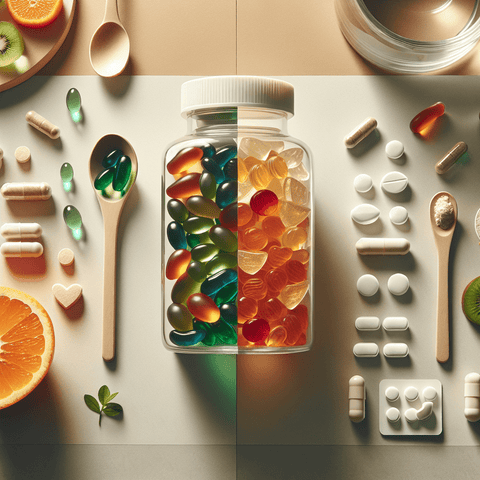
Supplement delivery methods describe the various physical forms in which dietary supplements are produced and consumed. The most common categories are pills, which include tablets and capsules; liquids, such as tinctures and drinkable solutions; and powders that are typically mixed into drinks or food. The choice of format can affect everything from convenience and portability to dosing accuracy and taste. This page provides an overview of these main delivery methods to help you understand their general characteristics and consider which form might fit best into your lifestyle.
What Are the Main Supplement Delivery Methods?
Dietary supplements are available in several formats, and each one has its own set of general advantages and potential drawbacks. The most widely used methods include pills, liquids, and powders, though other forms like gummies and softgels also exist. Understanding the basic nature of each format is the first step in choosing a supplement that matches your needs.
Pills: Tablets and Capsules
Pills are among the most common supplement delivery methods. They are typically valued for their ease of use and precise dosing, as each unit contains a defined amount of the active ingredient. Pills are also generally portable and have a long shelf life. Some people may find tablets or capsules difficult to swallow, and certain formulations may require taking multiple pills to achieve the desired dose.
Liquids: Drops and Drinkable Solutions
Liquid supplements offer an alternative for those who prefer not to swallow pills. They often allow for flexible dosing, as the amount can be adjusted using a dropper or measuring cup. Liquids are typically absorbed quickly by the body. On the other hand, they may have a noticeable taste, require refrigeration after opening, and pose a risk of spills. They can also be less convenient for travel compared to pills.
Powders: Mixable and Versatile
Powdered supplements are versatile and can be mixed into water, smoothies, or other beverages. They offer flexibility in dosing, allowing you to measure out the amount you need. Powders are often economical for larger quantities. However, they do require preparation time and a mixing tool, and the taste may not appeal to everyone. Measuring scoops can also introduce variability in dosing if not used carefully.
What Factors Should You Consider When Choosing a Delivery Method?
Choosing between pills, liquids, and powders involves weighing several practical factors. There is no universally superior method; the best choice depends on your personal preferences, daily routine, and any specific needs you might have. Common considerations include:
- Convenience: How easy is the supplement to take on a daily basis? Pills are generally the most portable, while powders and liquids may require additional steps.
- Dosing accuracy: Pills offer a fixed dose per unit, making them straightforward. Liquids and powders require careful measurement.
- Taste and texture: Pills are often tasteless, whereas liquids and powders have flavors that may or may not be appealing.
- Portability: Pills are easy to carry in a bottle or pill organizer. Liquids and powders can be more cumbersome, especially when traveling.
- Swallowing ability: For individuals who have difficulty swallowing tablets, liquids or powders may be a more comfortable option.
Understanding Nutrient Absorption and Supplement Forms
A common point of interest when comparing supplement delivery methods is how quickly the body absorbs the nutrients. Liquids are often thought to be absorbed faster than pills or powders, as they do not need to dissolve first. However, the actual rate of absorption can depend on many factors, including the specific nutrient, the formulation, and whether it is taken with food. Both pills and powders are designed to release their contents for absorption, but the precise rate can vary between products.
It is also worth noting that the form of a supplement does not necessarily determine its quality. A well-formulated pill can be just as effective as a liquid or powder. The choice often comes down to personal preference and which format you are most likely to take consistently. For a broader look at vitamins and minerals, you might explore our vitamin and mineral supplement categories.
How to Choose the Right Delivery Method for Your Lifestyle
Selecting a supplement delivery method is a personal decision that depends on how a product fits into your daily life. Consider your schedule, your environment, and any physical limitations. If you are frequently on the go, pills might be the most practical choice due to their portability and ease of use. If you are at home and prefer a flexible dosing option, a liquid or powder could be a better fit.
Another aspect to consider is whether you need to take multiple supplements. Some people find it easier to take a few pills, while others might prefer to mix a powder into a morning smoothie. There is no right or wrong answer, but thinking about your habits can help you make a consistent choice. Remember that the best supplement is one that you will actually take as directed.
Exploring the Topic Further
This page provides a broad overview of the main supplement delivery methods. More detailed information about specific nutrients, their benefits, and their potential roles in health can be found in our dedicated supplement guides. For instance, if you are interested in a particular nutrient, you can explore our vitamin A, vitamin D, vitamin B, vitamin C, and vitamin E guides. Each of these resources offers deeper insight into the specific nutrients available in various supplement forms.
In addition, if you are looking for specific types of supplements, we have a range of collections that might be relevant. For example, our multivitamins guide covers combination products, and our minerals guide provides information on supplements like magnesium and calcium. You can browse these collections to find products that match your interests and needs.