Supplementingrediënten onthuld: De eerlijke gids voor wat er echt in je supplementen zit


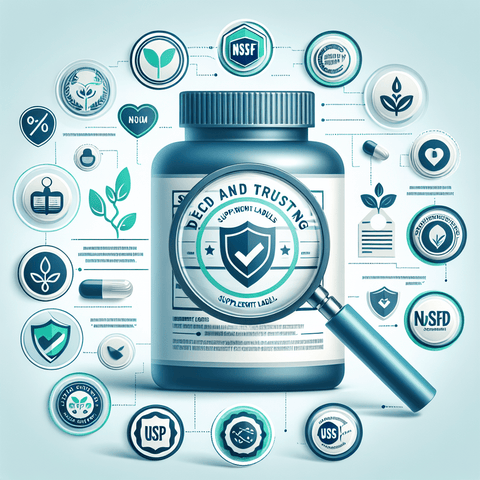
Welkom bij een heldere kijk op onthulde supplementen ingrediënten. Deze eerlijke gids helpt je te begrijpen wat er op het etiket staat, hoe je het moet lezen en wat het je wel of niet kan vertellen over een product. Je leert praktische stappen om onbekende termen te herkennen, additieven te identificeren en opties te vergelijken die je kunt vertrouwen. Het doel is transparantie en kritisch denken, niet marketinghype of ongeverifieerde beweringen. Begin met de basis van etiketten lezen. Het Supplement Facts-paneel vermeldt de capsulesperatiegrootte en de hoeveelheid per portie, gevolgd door de ingrediënten zelf. Ingrediënten worden meestal weergegeven in aflopende volgorde op gewicht, wat je een idee geeft van wat het product domineert. Als je een “proprietary blend” tegenkomt, noteer dan dat het etiket mogelijk het totale gewicht van de mix toont zonder de hoeveelheden van de individuele componenten te onthullen. Houd rekening met vulmiddelen, bindmiddelen, flow agents of kunstmatige kleuren en geuren, die vaak worden gebruikt bij de productie. Gebruik de details op het etiket als uitgangspunt voor vergelijking in plaats van een enkele bron van waarheid. Het herkennen van additieven kan je helpen om routine verwerkingsmiddelen van meer substantiële ingrediënten te onderscheiden. Additieven zoals bindmiddelen, coatings, stabilisatoren, emulgatoren en oplosmiddelen dienen specifieke productiedoeleinden, maar hun aanwezigheid kan sterk variëren tussen producten. Vaag taalgebruik of algemene termen zoals “natuurlijke smaken” kunnen verbergen wat er precies in zit. Overweeg hoe duidelijk een bedrijf de bronnen van ingrediënten beschrijft en of het etiket voldoende informatie verstrekt om te begrijpen waar je naar kijkt. Het doel is om te herkennen welke onderwerpen goed gedocumenteerd zijn op het etiket versus wat mogelijk meer onderzoek vereist. Bij het kiezen van veiligere, meer betrouwbare producten, zoek naar merken die transparantie en derde partij verificatie benadrukken. Onafhankelijke testprogramma’s en certificeringen—zoals USP Verified of NSF Certified for Sport—kunnen nuttige indicatoren zijn dat de ingrediënten en de vermelde hoeveelheden overeenkomen met wat wordt aangegeven. Controleer op batchspecifieke informatie zoals lotnummers en certificaten van analyse, en beoordeel de kwaliteitscontrole en recallgeschiedenis van een bedrijf. Door prioriteit te geven aan openheid en verifieerbare testen, kun je je weg vinden in het landschap met meer vertrouwen, geleid door het principe van onthulde supplementen ingrediënten.


Unlocking the Truth About Supplement Labels: What Every Consumer Must Know - Topvitamine
Aug 31, 2025
Een supplementenetiket geeft belangrijke informatie over de samenstelling, dosering, allergenen en gebruikswaarschuwingen van een product. In deze praktische gids lees je hoe je een ingrediëntenlijst beoordeelt, wat ingrediëntentransparantie betekent en hoe je marketingclaims kritisch bekijkt. Ook leggen we uit wat FDA-regels in de Verenigde Staten inhouden en waarin kwaliteitskeurmerken zoals NSF en USP van elkaar verschillen.

Supplement ingredient labels are your main window into what a product actually contains—but they are not always as straightforward as they seem. This guide explains how to read those labels, what common terms really mean, and why transparency matters when choosing supplements. You’ll also learn how to spot additives, verify quality through independent testing, and compare products with greater confidence. This is a practical, no-hype overview of the topic, designed to help you navigate the supplement aisle with a clearer head.

What Are Supplement Ingredients, and How Are They Listed?

Supplement ingredients include the active components—like vitamins, minerals, herbs, or amino acids—as well as inactive substances used in manufacturing, such as fillers, binders, and coatings. On a typical Supplement Facts panel, ingredients are listed in descending order by weight. This means the first few ingredients make up the largest portion of the product, which can help you understand what dominates the formula.

However, order by weight is not the same as importance. Some active ingredients are present in very small amounts yet are still biologically meaningful. Also, “proprietary blends” can list a total weight for a group of ingredients without showing the amount of each individual component. This is a common practice, but it limits how much you can learn from the label alone.

Understanding these basics helps you interpret what you see and recognize when more research is needed. For more detailed guidance on specific nutrients, you can explore our multivitamins guide or our mineral supplements guide.

Spotting Additives, Fillers, and Unclear Terms

Many supplement ingredients are not active nutrients at all. Additives like binders, flow agents, stabilizers, emulsifiers, and solvents help with manufacturing and product consistency. While these are generally safe in small amounts, their presence can vary widely between brands. Knowing what they are can help you understand what you’re consuming.

Be cautious with vague terms like “natural flavors” or “proprietary blend.” These can obscure the full picture. A label that clearly describes ingredient sources and provides specific names is usually more transparent than one that relies on blanket phrases. If a term is unfamiliar, take the time to look it up or contact the manufacturer for more details.

Here are some common non-active ingredients you might see:

  • Fillers: add bulk to capsules or tablets.
  • Binders: help ingredients stick together.
  • Flow agents: prevent powders from clumping.
  • Coating: may affect how quickly a tablet dissolves.
  • Artificial colors or flavors: used for appearance or taste.

The goal is not to avoid all additives—some are necessary for quality and stability—but to be aware of what is in your supplement and why.

Choosing Supplements with Transparent Ingredients

When selecting a supplement, the label is only the starting point. Look for brands that prioritize transparency and third-party verification. Independent testing programs like USP Verified or NSF Certified for Sport can provide extra assurance that the ingredients and amounts listed on the label are accurate. Batch-specific information, such as lot numbers and certificates of analysis, allows you to verify what was actually tested.

It’s also worth reviewing a company’s quality control practices and recall history. A brand that openly shares testing results and follows good manufacturing practices is generally more trustworthy. For more specific categories, you can explore our sports supplements guide or our herbal supplements guide for ingredient-related insights.

Red Flags and Limitations of Labels

Not all supplements are equally transparent. Some labels hide more than they reveal. Here are a few red flags to watch for:

  • Vague or proprietary blends with no individual amounts.
  • Overly broad disclaimers or “may help” claims without specifics.
  • No contact information or batch details for further inquiry.
  • Mega-doses of certain nutrients beyond recommended levels.

Remember that a label can’t tell you everything. It doesn’t capture how a product was manufactured, whether it truly contains what it claims, or how your body will respond. Labels are useful tools, but they should be part of a larger evaluation that includes research and, where appropriate, professional guidance.

How to Make Informed Supplement Choices

To make the most of supplement ingredient information, adopt a simple checklist:

  1. Read the Supplement Facts panel and identify all active ingredients.
  2. Look for specific amounts rather than proprietary blends.
  3. Check for third-party seals of approval.
  4. Request certificates of analysis if needed.
  5. Compare similar products to see which offers greater transparency.

If you are unsure about a particular ingredient or supplement, consult a healthcare professional—especially if you have underlying health conditions or take medications. This guide is for educational purposes and does not replace personalized medical advice.