Supplementveiligheidsnormen: Zijn uw supplementen veilig? Ontdek het nu
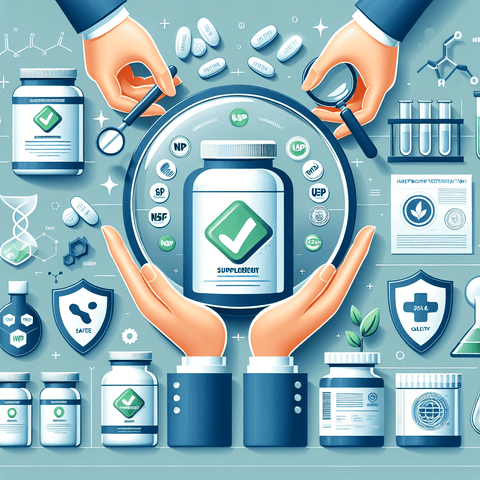

Het begrijpen van veiligheidstandaarden voor supplementen is essentieel voor weloverwogen shopping. Door je te richten op deze veiligheidstandaarden, leer je waar je op moet letten bij het evalueren van producten, hoe je de kwaliteit kunt verifiëren en hoe je potentiële rode vlaggen kunt herkennen voordat je koopt. Deze pagina neemt je mee door de belangrijkste elementen die veilige, goed vervaardigde producten definiëren en hoe je verschillende aanbiedingen kunt vergelijken. Het doel is je in staat te stellen om keuzes te maken op basis van duidelijke criteria in plaats van marketingclaims. Het verifiëren van de kwaliteit begint bij het etiket van het product en de informatie die de fabrikant verstrekt. Kijk naar volledige ingrediëntenlijsten, waarin actieve ingrediënten, vulstoffen en eventuele allergenen worden vermeld. Controleer de productiedetails zoals het land van herkomst, batch- of lotnummers, houdbaarheidsdata en contactinformatie van het bedrijf. Veel markten vertrouwen op goede productiepraktijken (GMP) en certificeringen van derden als onderdeel van het bredere landschap van supplementenveiligheidstandaarden. Certificeringszegels van onafhankelijke laboratoria kunnen duiden op naleving van bepaalde criteria, hoewel ze geen garantie bieden voor absolute veiligheid. Rode vlaggen om op te letten zijn onder meer vage of tegenstrijdige informatie, ontbrekende batchnummers of claims die buitenproportioneel lijken zonder bewijs. Let op producten zonder etiket of verkeerd gelabelde producten, onduidelijke doseringsvormen of ingrediënten die afkomstig zijn van obscure leveranciers. Wees voorzichtig met producten die het certificeerenden lichaam niet vermelden of die sterk leunen op testimonials in plaats van verifieerbare data. Als een product een onduidelijke toeleveringsketen heeft of verrassend lage prijzen, kunnen dit aanwijzingen zijn dat de veiligheidsnormen voor supplementen niet consistent worden toegepast. Om voorop te blijven, ontwikkel je een eenvoudige checklist die aansluit bij gevestigde supplementenveiligheidstandaarden: verifieer de etikettering, bevestig de productiepraktijken, controleer derde-partij certificeringen en houd recalls of veiligheidswaarschuwingen bij. Gebruik betrouwbare bronnen om producten te vergelijken met deze standaarden en bewaar gegevens over batchinformatie voor traceerbaarheid. Door je bewust te blijven van supplementenveiligheidstandaarden, kun je meer zelfverzekerde keuzes maken over de producten die je overweegt. Ontdek het nu door deze criteria toe te passen bij je volgende aankoop en blijf op de hoogte van branche-updates.


Unlocking the Secrets of Third-Party Tested Supplements for Safe and Effective Nutrition - Topvitamine
Sep 03, 2025
Onafhankelijk geteste supplementen zijn door een externe partij gecontroleerd op bijvoorbeeld identiteit, gehalte, zuiverheid of microbiologische veiligheid. De betekenis van zo’n test hangt af van de uitvoerder, de analysemethode en de onderzochte batch. In dit artikel lees je hoe onafhankelijke testing verschilt van GMP en interne kwaliteitscontrole, waar je op let bij keurmerken en hoe je supplementen verantwoord kiest en gebruikt.

Unlocking the Secrets of Third-Party Tested Supplements for Safer, Higher-Quality Nutrition - Topvitamine
Sep 01, 2025
Onafhankelijk geteste supplementen bieden extra informatie over de identiteit, dosering en zuiverheid van een product, maar zijn geen garantie voor werkzaamheid of persoonlijke geschiktheid. In deze gids lees je wat derde-partijtesten en certificeringen betekenen, welke organisaties relevant zijn, hoe je een Certificate of Analysis beoordeelt en waar je op let bij het kiezen van vitamines, mineralen en andere supplementen.
Exploring the Role of Third-Party Testing in Ensuring Supplement Quality - Topvitamine
Aug 25, 2025
Onafhankelijk testen van supplementen kan extra inzicht geven in de identiteit, samenstelling en zuiverheid van een product. Een laboratorium kan bijvoorbeeld controleren of ingrediënten overeenkomen met het etiket en of bepaalde verontreinigingen binnen aanvaardbare grenzen blijven. Zo’n test bewijst niet automatisch dat een supplement voor iedereen werkzaam of geschikt is. In dit artikel lees je hoe derdepartijtesten werken, welke vragen je kunt stellen en hoe ze verschillen van bloedonderzoek.

Navigating the world of dietary supplements can be complex, and understanding the safety standards that govern them is a fundamental part of making informed choices. This guide provides a broad overview of the regulatory landscape, the role of third-party certifications, and the practical steps you can take to evaluate products. It is designed to help you understand the map of supplement safety, so you can explore more specific topics with a clearer perspective.

The Regulatory Framework for Supplements

In the United States, the primary regulatory framework for dietary supplements is the Dietary Supplement Health and Education Act (DSHEA) of 1994. This law defines what a dietary supplement is and sets out the FDA's role in overseeing these products. Unlike pharmaceutical drugs, which require pre-market approval for safety and efficacy, supplements are regulated more like conventional foods. This means the manufacturer is responsible for ensuring their product is safe and that any claims made on the label are truthful and not misleading, before it goes to market.

A key component of this oversight is the FDA's Current Good Manufacturing Practices (cGMPs) for supplements. These regulations require manufacturers to control the quality of their products by establishing procedures for proper design, monitoring, and control of manufacturing processes and facilities. This includes requirements for ingredient identity, purity, strength, and composition. Adherence to cGMPs is a foundational expectation for any reputable supplement producer, as it helps ensure consistency and reduces the risk of contamination or mislabeling.

It is important to note that the FDA's role is primarily reactive. The agency can take action against a supplement product after it has been on the market if it is found to be unsafe or if the claims made on its label are false or misleading. This post-market surveillance is an important safety net, but it also highlights the responsibility of the consumer to be discerning and proactive when selecting products.

Understanding Third-Party Certifications

Because the FDA does not approve supplements before they are sold, third-party certification programs play a vital role in building consumer trust. These independent organizations offer their own standards for testing and quality, going beyond the baseline of regulatory compliance. A certification seal on a product label can signal that a manufacturer has voluntarily submitted their product for rigorous evaluation.

While there is no single 'best' certification, several are widely recognized for their stringent standards. The distinction between programs often lies in their specific focus, such as verifying ingredient purity, confirming label accuracy, or checking for the absence of banned substances. Understanding these differences can help you choose products that align with your personal priorities.

The table below provides a high-level comparison of some key certification programs you may encounter.

  • USP (United States Pharmacopeia): Focuses on overall quality, purity, and accuracy of label claims. Products with the USP seal have been tested to meet specific standards for ingredients, potency, and contaminants.
  • NSF International: Provides certification for a range of consumer products, including dietary supplements. Their standards may focus on safety, quality, and often include verification that the product contains no undeclared ingredients or harmful levels of contaminants.
  • ConsumerLab.com: A for-profit service that independently tests supplements and publishes its findings. While not a 'seal' in the same way as USP or NSF, its reviews are a popular resource for consumers seeking impartial test results.

When evaluating a certification, it is helpful to consider what the seal represents and whether it aligns with your concerns. A certification that focuses on purity may be more relevant to you than one that focuses on label accuracy, and vice versa. While certifications are a powerful tool, they are not a guarantee of efficacy or absolute safety, but they are a strong indicator that a product has been independently verified.

Practical Checklist for Evaluating Supplements

Beyond regulatory frameworks and certifications, there are simple, practical steps you can take to evaluate a supplement before you buy it. Developing a personal checklist can help you make consistent and confident decisions. Here are some key things to look for:

  • Examine the label thoroughly: Look for a complete list of ingredients, including active and inactive components. Ensure that all ingredients are clearly declared and that any allergens are listed. Check for a detectable amount of the active ingredient, not a proprietary blend that hides the exact amount.
  • Look for manufacturing transparency: Reliable companies will often provide manufacturing details, such as the country of origin, batch or lot numbers, and expiration dates. They should also have a clear way to contact the company if you have questions.
  • Seek third-party seals: Look for certification from an independent organization like USP or NSF. This is a strong signal that the product has been tested beyond what is required by law.
  • Be wary of red flags: Be cautious of products that make extraordinary claims that seem too good to be true, rely heavily on personal testimonials rather than data, or provide vague information about their ingredients or sourcing. Unusually low prices can also be a signal that corners were cut.

Common Concerns: Interactions and Consumer Questions

A frequent concern for supplement users is the potential for interactions between different supplements or with medications. While it's impossible to list every potential interaction, it is important to be aware that they can occur. For example, certain minerals can interfere with the absorption of others, and some supplements can have additive effects when taken together. It is always advisable to consult with a healthcare professional about potential interactions, especially if you are taking prescription medications or have a pre-existing health condition.

Another common question is how to identify 'the safest' supplement brands. While safety is not a simple ranking, you can increase your confidence in a brand by looking for those that consistently demonstrate a commitment to quality. This includes being transparent about their manufacturing practices, utilizing third-party testing, and providing clear, accurate labeling. A brand's willingness to share this information is often a sign of its integrity.

Exploring Specific Supplement Topics

Understanding the general principles of supplement safety provides a strong foundation, but the specifics can vary significantly between different types of products. Whether you are interested in vitamins, minerals, or herbal supplements, each category has its own considerations. For example, the sourcing of herbal ingredients and the standardization of botanical extracts are unique areas of concern. To help you navigate these nuances, we have dedicated resources that explore different supplement categories in more detail.

You can explore our comprehensive guide on natural supplements for more specific information. Additionally, you can find detailed information about specific supplements and ingredients, such as herbal supplements and how to approach their safety and sourcing, ensuring you have the right information for your needs.

This page is intended as a starting point. By understanding the broad landscape of supplement safety standards, you can better appreciate the details provided in our more in-depth articles. As you explore, keep these foundational principles in mind: be a critical consumer, look for evidence of quality, and when in doubt, seek advice from a qualified healthcare professional.