Supplement scams blootgelegd: Hoe nep tabletten te herkennen en je portemonnee te beschermen


Supplement-scams vormen een reëel risico in de markt van vandaag, zowel online als offline. Deze pagina is ontworpen om je te helpen die scams te ontdekken door te laten zien hoe je nep tabletten kunt herkennen, ingrediënten kunt verifiëren en je portemonnee kunt beschermen met praktische tips die je direct kunt toepassen. Door je controles aan te scherpen en te weten welke signalen op scams wijzen, kun je met meer vertrouwen winkelen en veelvoorkomende valkuilen vermijden die verband houden met supplementen scams. Het herkennen van nep tabletten begint met zorgvuldig kijken naar de verpakking en presentatie. Let op verpakkingen die er haastig uitzien, met verkeerd uitgelijnde labels, spelfouten of inconsistente lettertypen. Controleer of de fles een duidelijke naam van de fabrikant en legitieme contactinformatie vermeldt. Vergelijk de vorm, kleur en merkteken van de pil met officiële merklijsten en let op grote verschillen. Gevalletjes zijn prijzen die bedrieglijk laag zijn in vergelijking met de markt, agressieve upsell-tactieken of een website met een domein dat lijkt op een vertrouwd merk. Als iets niet klopt, pauzeer dan en verifieer vooraf voordat je het koopt, aangezien dit veelvoorkomende indicatoren van supplementen scams zijn. Het verifiëren van ingrediënten betekent dat je het etiket leest en vergelijkt wat er geadverteerd wordt met wat er daadwerkelijk op de fles staat. Het label moet alle actieve ingrediënten vermelden, met nauwkeurige hoeveelheden en eenheden. Wees voorzichtig met vage “proprietary blends” die hoeveelheden verbergen, wat een teken van bedrog kan zijn. Zoek naar een batch- of lotnummer en een vervaldatum, en vraag een analysecertificaat op van een betrouwbare onafhankelijke laboratorium dat overeenkomt met die batch. Als het product geen derde partij-verificatie of COA heeft, beschouw dat dan als een rood vlaggetje en overweeg het vermijden van de aankoop. Om je portemonnee te beschermen, vermijd deals die te mooi lijken om waar te zijn en wees alert op automatische verlengingen of abonnementsvallen. Gebruik beveiligde betaalmethoden die consumentenbescherming bieden en bewaar bonnetjes en verpakkingen voor het geval je een betaling moet betwisten. Doe snel wat achtergrondonderzoek naar het bedrijf: verifieer een fysiek adres, bereikbare klantenservice en een duidelijk retourbeleid. Als je zorgen hebt, meld mogelijke supplementen scams dan bij consumentenbeschermingsinstanties en raadpleeg officiële terugroep- of veiligheidswaarschuwingen van regelgevende instanties. Door deze stappen toe te passen, kun je je blootstelling aan supplementen scams verminderen en met meer vertrouwen winkelen.


8 Things to Avoid When Buying Supplements Online - Topvitamine
May 04, 2026
Ontdek de 8 grootste valkuilen die je moet vermijden bij het kopen van supplementen online. Bescherm je gezondheid en neem weloverwogen beslissingen met onze essentiële tips!

Hidden Dangers: 7 Red Flags to Watch Out for When Buying Supplements - Topvitamine
Aug 30, 2025
Supplementen kopen vraagt om meer dan alleen kijken naar prijs of populariteit. In deze gids leer je hoe je een betrouwbaar supplementenmerk en een duidelijk supplementenetiket herkent, welke claims en verkoopmethoden verdacht kunnen zijn en wanneer je advies vraagt aan een apotheker, arts of diëtist. Ook bespreken we medicijninteracties, allergenen, doseringen en praktische criteria voor veilig online kopen.
What are Common Red Flags When Choosing Supplements - Topvitamine
Aug 28, 2025
Waarschuwingssignalen bij supplementen zijn onder andere wonderclaims, ontbrekende doseringen, onduidelijke ingrediëntenlijsten, gebrekkige contactgegevens en aanbiedingen met verborgen voorwaarden. In dit artikel leest u hoe u etiketten, herkomst, houdbaarheid en marketingclaims beoordeelt. Ook bespreken we supplementen die u niet zomaar moet combineren, mogelijke interacties en praktische stappen om een betrouwbare aankoop te doen zonder te veronderstellen dat een supplement automatisch veilig of werkzaam is.
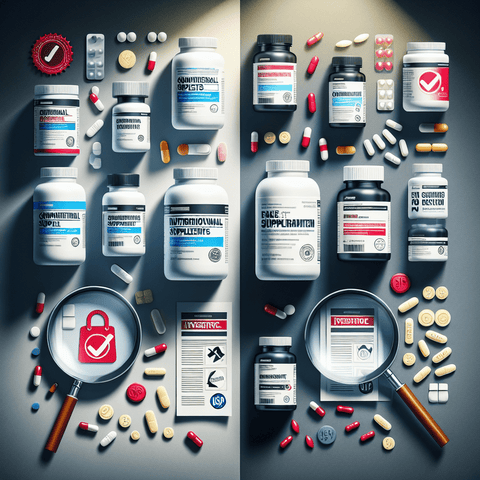
How to Spot Fake or Counterfeit Supplements Online and Protect Your Health - Topvitamine
Aug 27, 2025
Neppe supplementen herkennen begint bij de verkoper, de verpakking, het etiket en de productclaims. In deze gids lees je welke signalen op een vervalsing kunnen wijzen, hoe je de echtheid controleert en waarom een opvallend lage prijs of wonderbelofte geen betrouwbare kwaliteitsindicator is. Ook bespreken we wat je doet als je een verdacht product hebt gekocht en beantwoorden we veelgestelde vragen over betrouwbare merken en online marktplaatsen.
What Are the Most Common Supplement Scams and How Can You Avoid Them - Topvitamine
Aug 26, 2025
Supplementenfraude kan variëren van namaakvitaminen en misleidende gezondheidsclaims tot verborgen abonnementen en onjuiste etiketten. In dit artikel lees je welke signalen op nep-supplementen wijzen, hoe je de verkoper en verpakking controleert en wanneer je extra voorzichtig moet zijn. Ook beantwoorden we veelgestelde vragen over de echtheid van vitaminen en het kiezen van een betrouwbare aanbieder.

Supplement scams are a persistent concern in the health and wellness market, affecting both online and in-store purchases. This page serves as a comprehensive guide to understanding these deceptive practices, from counterfeit pills to misleading labels. Here, you will learn how to spot fake supplements, verify product ingredients, and take practical steps to protect your wallet. We will cover the major red flags, the importance of third-party testing, and how to navigate the marketplace with greater confidence.

Understanding Supplement Scams

A supplement scam can take many forms, but the core issue is deception. This can involve selling counterfeit products that imitate well-known brands, marketing products with ingredients that do not match the label, or using high-pressure sales tactics to push unnecessary or overpriced items. The rise of e-commerce has made it easier for unscrupulous sellers to reach consumers, making it more important than ever to be vigilant. Understanding the common tactics used in these scams is the first line of defense.

The consequences of falling for a supplement scam can range from financial loss to potential health risks. A product that does not contain its listed ingredients may not provide the expected benefit, and in some cases, it could contain harmful or undisclosed substances. By learning to identify the warning signs, you can significantly reduce your risk of purchasing a fraudulent product.

How to Spot Fake Pills and Packaging

One of the most direct ways to identify a potential supplement scam is to scrutinize the product's packaging. Counterfeiters often cut corners, and these shortcuts can be visible to the careful observer. Here are some key things to look for:

  • Check the label for misspellings, misaligned text, or inconsistent fonts, which can indicate a rushed printing job.
  • Ensure the bottle lists a clear manufacturer name and legitimate contact information, not just a P.O. box.
  • Compare the pill's shape, color, and imprint with official images from the brand's website. Large discrepancies are a major red flag.
  • Be wary of prices that are dramatically lower than the market norm, as this is a common tactic to lure in unsuspecting buyers.
  • Watch for websites with domain names that imitate a trusted brand (e.g., using a .net or .org instead of .com).

If anything about the packaging or the seller seems off, it is best to pause and verify before you buy. These are frequent indicators of supplement scams, and a moment of caution can save you from a costly mistake.

Verifying Ingredients and Label Accuracy

Beyond the packaging, the label itself is a critical source of information. A legitimate supplement should be transparent about what it contains. When you turn the bottle over, look for a full disclosure of all active ingredients, including the precise amount and unit of measurement for each. This transparency is a hallmark of a reputable product.

Be cautious of vague terms like proprietary blends, which are used to hide the exact quantities of individual ingredients. While not always a sign of a scam, a lack of transparency can make it difficult to assess what you are actually consuming. Additionally, a legitimate product should have a batch or lot number and an expiration date. This information is essential for traceability and quality control.

A certificate of analysis (COA) from a credible third-party lab is one of the strongest indicators of a quality product. This document verifies that the product contains what the label claims and is free from harmful contaminants. If a product lacks a COA or other third-party verification, treat it as a red flag and consider avoiding the purchase.

Protecting Your Wallet from Scams

Protecting your finances is a key part of navigating the supplement market safely. Scammers often use specific tactics to separate you from your money, and being aware of them is crucial. Here are some practical steps you can take:

  • Avoid deals that seem too good to be true. If a price is significantly below the standard retail price, it is likely a counterfeit or a scam.
  • Be mindful of auto-renew or subscription traps. Read the terms and conditions carefully before entering your payment information.
  • Use secure payment methods, such as credit cards, that offer consumer protection in case you need to dispute a charge.
  • Save your receipts and packaging in case you need to file a dispute or report a problem.
  • Do a quick background check on the company. Verify they have a physical address, accessible customer service contact, and a clear return policy.

If you encounter a potential scam, consider reporting it to consumer protection agencies and consulting official recall or safety alerts from regulatory bodies. By taking these steps, you can reduce your exposure to supplement scams and shop with greater confidence.

The Role of Third-Party Testing and Certifications

Third-party testing is an independent verification process where a product is sent to an outside laboratory to confirm its contents. This is a crucial step in ensuring a supplement's quality and safety. A certificate of analysis (COA) from a lab like NSF International or USP is a strong indicator that a product has been tested for purity, potency, and contaminants. When a brand invests in third-party testing, it demonstrates a commitment to transparency and quality.

When evaluating a supplement, look for seals or certifications from reputable third-party organizations. These certifications can provide an extra layer of assurance that the product has met specific quality standards. However, be aware that some counterfeiters may also fake these seals, so it is always a good idea to verify the certification on the certifying body's website.

Exploring the Supplement Landscape Safely

Understanding the broader supplement landscape can help you make more informed choices. This includes knowing the different types of supplements available, from vitamins and minerals to herbal extracts and sports nutrition products. For example, you can explore our range of natural supplements to see examples of products that prioritize quality and transparency. Similarly, understanding the source and form of ingredients is important, whether you are looking at herbal supplements or sports supplements. Knowing what to look for in any category is a key defense against scams.

By familiarizing yourself with the common red flags, the importance of label transparency, and the value of third-party testing, you can navigate the supplement market with greater confidence. This knowledge empowers you to make safer choices and avoid the pitfalls of supplement scams.