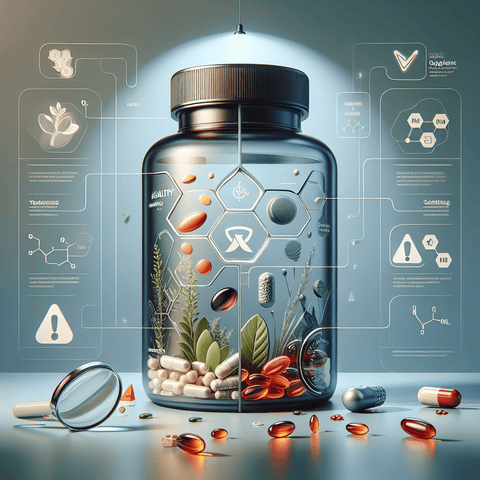
Derdert Partij testen voor supplementen: Controleer zuiverheid, kracht en veiligheid met onafhankelijke laboratoria


Aanvullende derden- of onafhankelijke testprocedures voor supplementen omvatten het versturen van productmonsters naar onafhankelijke laboratoria voor verificatie. Deze externe controle voegt een extra laag van controle toe op ingrediënten, productieprocessen en etikettering. Door productie van verificatie te scheiden, ondersteunt het transparante documentatie en objectieve gegevens over de inhoud van een product. Voor merken en consumenten ligt de nadruk op geverifieerde informatie in plaats van op marketingclaims. Onafhankelijke laboratoria voeren verschillende belangrijke analyses uit. Identiteitstesten bevestigen dat de genoemde ingrediënten in verwachte vormen aanwezig zijn. Potentietesten meten de hoeveelheid actieve componenten, terwijl zuiverheidstesten controleren op mogelijke contaminanten en onzuiverheden. Laboratoria kunnen ook zoeken naar niet-gedeclareerde stoffen om te zorgen dat het product overeenkomt met het etiket. De resultaten worden meestal verstrekt in een analysecertificaat dat bij elke partij hoort. Betrouwbare supplementen-derden testen vertrouwen op gestandaardiseerde methoden en geloofwaardige accreditaties. Zoek naar certificaten die de batch- of partijcode specificeren, de exacte testmethoden aangeven en de detectiegrenzen vermelden. Accreditatie door organisaties zoals ISO/IEC 17025, of deelname aan programma's van USP, NSF International, of ConsumerLab, duidt op een rigoureus kwaliteitskader. Een duidelijk COA maakt het makkelijker om producten van verschillende merken op een consistente manier te vergelijken. Het begrijpen van de rol van onafhankelijke tests kan helpen om wijzere beslissingen te nemen bij het evalueren van opties op de markt. Door certificaten, labelnauwkeurigheid en batchgegevens te bekijken, kun je beoordelen hoe goed een product overeenkomt met de aangegeven specificaties. Bij het winkelen, zoek naar producten met toegankelijke, batchspecifieke COA's en transparante documentatie van gecertificeerde laboratoria om je keuzes te ondersteunen. Neem vandaag nog je beslissingen in eigen hand.


Heavy Metals in Supplements: What to Know in 2026 - Topvitamine
Aug 12, 2026
Zware metalen zoals lood, arseen, cadmium en kwik kunnen worden aangetroffen in voedingssupplementen, vaak op niveaus onder de wettelijke limieten, maar af en toe hoog genoeg om zorgen te baren. Deze gids legt uit hoe verontreiniging ontstaat, welke producten het meeste risico met zich meebrengen en hoe u onafhankelijke testresultaten moet interpreteren. U leert ook hoe u certificeringen van derden kunt evalueren en in 2026 zelfverzekerder supplementen kunt kiezen.
How to Tell if Your Supplement Is Safe and Free from Harmful Additives - Topvitamine
Aug 29, 2025
Een veilig supplement kiezen begint bij het volledige etiket, niet bij de marketing op de voorkant. Controleer ingrediënten, afzonderlijke doseringen, waarschuwingen, houdbaarheid, herkomst en kwaliteitscontrole. Leer ook wat clean label betekent, hoe je een onafhankelijke test beoordeelt en waarom Amerikaanse FDA-regels niet automatisch in Nederland gelden. Met deze checklist vergelijk je supplementen bewuster en herken je situaties waarin advies van een arts of apotheker verstandig is.

The dietary supplement market is vast, making it challenging to determine which products are truly high quality. Supplement third-party testing offers an objective way to verify what is actually inside a product. This guide explains what third-party testing involves, why it matters, andhow you can use the results to make more informed choices.

Understanding Supplement Third-Party Testing

Third-party testing for supplements is the process where an independent laboratory, with no financial interest in the product's sales, analyzes samples to verify their contents. This is different from first-party testing, where a manufacturer tests its own products, or second-party testing, where a retailer tests the products it sells. The independence of the lab is designed to add a layer of objectivity and credibility to the verification process.

The goal is to confirm that the product on the shelf matches its label claims. This verification can cover several different aspects of quality, which are described in the sections below.

What Independent Labs Verify

When a supplement is sent to an independent lab, the analysis typically focuses on several key areas. Understanding these can help you interpret a certificate of analysis (COA) more effectively.

Identity Testing

Identity testing confirms that the ingredients listed on the label are actually present in the product. For example, if a label lists a specific botanical extract, identity testing verifies thatthe correct plant species is used. This helps ensure you are getting the ingredient you expect.

Potency Testing

Potency testing measures the amount of active components in a supplement. This analysis checks whether the product contains the declared amount of each ingredient. A product might contain a listed ingredient, but in a quantity that differs significantly fromthe label, which could affect its usefulness.

Purity and Contaminant Screening

Purity testing screens for unwanted substances, including contaminants and impurities. This may involve checking for heavy metals, pesticides, microbes, or other potentially harmful residues. Some testing also looks for undeclared substances to ensure the product aligns with its label and does not contain hidden ingredients.

Together, these analyses provide a comprehensive picture of a product's quality, extending beyond what simple label reading can offer.

How to Read a Certificate of Analysis (COA)

The results of third-party testing are typically documented in a Certificate of Analysis (COA). This document is the primary way consumers can access the data from an independent lab. Knowing what to look for on a COA can help you evaluate and compare products more effectively.

Consider these key elements when reviewing a COA:

  • Batch or lot number: The certificate should correspond to the specific batch of the product you are considering. This ensures the test results apply to that particular production run.
  • Test methods: Look for information on the analytical methods used. Standardized methods provide more confidence in the results.
  • Limits of detection: This indicates the smallest amount of a substance thatthe lab can reliably detect. This is particularly important for purity testing.
  • Accreditation: Check if the testing laboratory is accredited by a recognized body, such as ISO/IEC 17025. This indicates thatthe lab meets specific quality management standards.

A COA that clearly lists these elements can make it easier to compare products across different brands in a consistent way.

Why Third-Party Testing Matters

Third-party testing is a valuable tool for anyone looking to understand what is in their supplements. By providing objective data, it helps shift the focus from marketing claims to verifiable information.

For consumers, this testing supports more informed decision-making. Instead of relying solely on a brand's reputation or promises, you can review independent data about the product's identity, potency, and purity. This can be particularly useful when evaluating unfamiliar brands or products.

Furthermore, a commitment to third-party testing can be a signal of a brand's transparency. Brands that willingly share batch-specific COAs are often more confident in their manufacturing processes and quality control.

Practical Considerations for Consumers

When you are evaluating supplements, knowing how to use third-party testing information can be helpful. Here are a few practical points to keep in mind:

  • Look for accessible COAs: Seek out brands that provide certificates of analysis fortheir products, either on their website or upon request.
  • Check for batch-specific data: Ensure the COA is tied to the specific batch or lot number of the product you are considering, not just a general certificate.
  • Understand the scope of testing: Not all testing is the same. Some labs may test for a wide range of contaminants, while others may have a more limited scope. Reviewing the COA helps you understand what was actually checked.

Keep in mind that third-party testing provides data at a specific point in time for a specific batch. It is a strong indicator of a product's quality, but it is part of a broader picture that also includes manufacturing practices and regulatory compliance.

Exploring Supplements and Quality

Understanding third-party testing is one aspect of evaluating the broader supplement landscape. As you explore different types of nutrients and supplements, you may find it useful to consider their specific characteristics and quality considerations. For example, you can explore guides onnatural supplements or learn more about the general principles behindmultivitamins. These resources can help you build a more complete understanding of what to look for in a high-quality product.

Ultimately, supplement third-party testing empowers you to ask better questions and make choices based on objective information. By learning to review certificates of analysis and understanding what independent labs verify, you can navigate the supplement market with greater confidence. The information provided here is for educational purposes and is not a substitute for professional medical advice. Always consult with a qualified healthcare provider before starting any new supplement regimen.