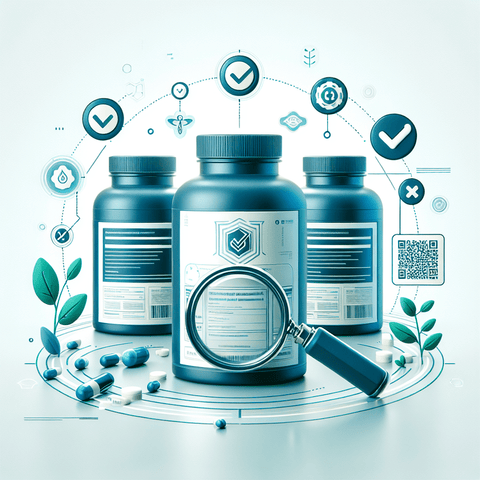
Een betrouwbare supplementbron is een merk of verkoper waarvan aantoonbaar is dat producten volgens gedocumenteerde normen worden gemaakt, getest en geëtiketteerd. In veel landen vallen supplementen onder de levensmiddelenregels en worden ze niet vooraf op dezelfde manier beoordeeld als geneesmiddelen. Daarom zijn de kwaliteitsnormen en transparantie van de bron belangrijk. Let vooral op cGMP-productie, onafhankelijke tests van het eindproduct en duidelijke etikettering.
Wat een betrouwbare supplementbron precies is
Een betrouwbare supplementbron kan onderbouwen hoe ingrediënten worden geselecteerd, hoe producten worden vervaardigd en getest, en welke stoffen en hoeveelheden op het etiket staan. Woorden als ‘premium’, ‘farmaceutische kwaliteit’ en ‘hoog geconcentreerd’ zijn op zichzelf geen bewijs van kwaliteit. Een handige vuistregel: als een kwaliteitsclaim niet te herleiden is tot controleerbare documentatie, beschouw die dan als marketing en niet als verificatie.
Drie begrippen helpen om claims te beoordelen:
- Testen door derden: een onafhankelijk laboratorium analyseert een product, bijvoorbeeld op identiteit, gehalte en zuiverheid. Afhankelijk van de test kunnen ook zware metalen, micro-organismen of niet-vermelde stoffen worden gecontroleerd. Kijk na welke tests daadwerkelijk zijn uitgevoerd.
- cGMP: ‘current Good Manufacturing Practice’ verwijst naar productievoorschriften en kwaliteitsprocedures, zoals hygiëne, registratie van batches, herleidbaarheid van ingrediënten en controles tijdens de productie.
- Certificaat van analyse (CoA): een laboratoriumdocument voor een specifieke batch dat de testresultaten van die productierun rapporteert. Een CoA is het nuttigst wanneer het batchnummer overeenkomt met dat op de verpakking.
Waarom betrouwbare supplementbronnen ertoe doen voor je gezondheid
De kwaliteit van een supplement is meer dan een kwestie van merkvoorkeur. Een product met minder van een voedingsstof dan het etiket vermeldt, levert mogelijk niet de verwachte hoeveelheid; verontreiniging kan een ander gezondheidsrisico opleveren. Onafhankelijke analyses hebben in algemene zin verkeerd geëtiketteerde, ondergedoseerde en verontreinigde supplementen aangetroffen. Dat betekent niet dat dit voor elk product geldt, maar wel dat controleerbare kwaliteitsinformatie ertoe doet.
In veel landen worden supplementen als levensmiddelen gereguleerd. De regels en controles verschillen per land, maar een product wordt doorgaans niet vooraf op dezelfde manier op werkzaamheid en veiligheid beoordeeld als een geneesmiddel. De verantwoordelijkheid voor productiecontroles en correcte etikettering ligt daardoor mede bij de fabrikant. Een betrouwbare bron verkleint onzekerheid over de inhoud, maar verificatie garandeert geen specifiek resultaat voor degene die het product gebruikt.
Rode vlaggen: waarschuwingssignalen van een onbetrouwbare bron
Wees extra kritisch wanneer productinformatie ontbreekt of claims niet te controleren zijn. Namaak en onduidelijke herkomst kunnen vooral een risico vormen bij producten van externe marktplaatsverkopers of socialemediakanalen. Lange toeleveringsketens, een snel groeiende markt en namaak maken het soms lastig om de herkomst van een product vast te stellen. Waarschuwingssignalen zijn onder meer:
- Er ontbreekt een batch- of lotnummer of een houdbaarheidsdatum.
- Een ‘proprietary blend’ vermeldt niet hoeveel van elk ingrediënt erin zit.
- De verkoper beweert dat het product een specifieke ziekte geneest, omkeert of behandelt.
- De fabrikant heeft geen verifieerbare naam, adres- of contactgegevens.
- De prijs ligt opvallend veel lager dan bij erkende verkooppunten.
- De verkoper wil geen certificaat van analyse of informatie over tests door derden verstrekken.
Eerst voeding, daarna suppletie: de rol van supplementen
Een gevarieerd, voedingsstofrijk eetpatroon vormt doorgaans de basis. Factoren zoals zonlicht, roken, alcoholgebruik en een streng dieet kunnen de voedingsstatus beïnvloeden. Supplementen kunnen in bepaalde situaties helpen om een aangetoond tekort of een specifieke voedingsbehoefte aan te vullen, maar zijn geen vervanging voor een gevarieerd dieet. Vermoeidheid of andere symptomen bevestigen op zichzelf geen tekort; waar nodig kan een gevalideerde test helpen om de voedingsstatus te beoordelen.
Productcategorieën waar de kwaliteit van de bron het meest ertoe doet
De relevante kwaliteitscontroles verschillen per productsoort. Bij visolie kunnen versheid en de werkelijke hoeveelheid vetzuren op het etiket belangrijk zijn, omdat olie kan oxideren. Voor probiotica zijn de identiteit van de stammen, bewaarvoorschriften en de levensvatbaarheid gedurende de houdbaarheid aandachtspunten. Multivitamines variëren in voedingsstofvormen en hoeveelheden; een formule die afzonderlijke doses verbergt, is lastiger te beoordelen. Bij kruidenextracten kunnen controles op de juiste plantidentiteit en verontreiniging relevant zijn, waardoor een batchspecifiek analysecertificaat nuttige informatie kan geven.
Hoe je het juiste supplement kiest bij een betrouwbare bron
Als de herkomst en kwaliteitscontroles duidelijk zijn, vergelijk dan ook de formulering met je eigen behoefte. Voedingsstoffen kunnen in verschillende vormen voorkomen en de biologische beschikbaarheid kan per vorm verschillen; er is niet één vorm die voor iedereen de beste keuze is. Controleer hoeveelheden per portie en maak onderscheid tussen een product met één ingrediënt en een combinatieformule. Kijk ook naar allergenen, toegevoegde ingrediënten en de praktische vorm: capsule, tablet, poeder of vloeistof.
Certificeringen zoals USP Verified, NSF en Informed Sport kunnen aanvullende informatie geven over controles of certificering binnen hun eigen programma. Controleer wat precies gecertificeerd is: de reikwijdte kan per programma en product verschillen. Een keurmerk of laboratoriumtest zegt iets over de gecontroleerde kwaliteitsaspecten, maar bewijst op zichzelf niet dat een supplement voor iedereen geschikt is.
Hoe je een supplementetiket leest als een kwaliteitscontroleur
Begin met de portiegrootte: de vermelde hoeveelheden gelden voor die portie, niet automatisch voor de hele verpakking. Vergelijk de aangegeven hoeveelheid voedingsstof met de referentie-inname op het etiket. Bij mineralen gaat het doorgaans om de hoeveelheid van het mineraal zelf, niet om het totale gewicht van de verbinding. Controleer ook het lotnummer, de houdbaarheidsdatum, de naam en het adres van de fabrikant, de bewaarinstructies en de volledige lijst met overige ingrediënten.
Bij probiotica kun je nagaan of het vermelde aantal levende micro-organismen gegarandeerd is tot het einde van de houdbaarheid en welke bewaarvoorschriften gelden. Bij kruidenproducten kan informatie over de hoeveelheid en standaardisatie van het extract helpen om producten beter te vergelijken.
Veiligheid eerst: interacties, bovengrenzen en professioneel advies
Een product kan aan kwaliteitscontroles voldoen en toch niet geschikt zijn voor iedereen. Voor verschillende voedingsstoffen is een bovengrens vastgesteld; die hangt onder meer af van de voedingsstof en de doelgroep. Houd rekening met de totale hoeveelheid uit alle supplementen die je gebruikt. Voedingsstoffen en kruiden kunnen bovendien een wisselwerking hebben met medicijnen of relevant zijn bij gezondheidsaandoeningen.
Vraag advies aan een gekwalificeerde zorgprofessional als je regelmatig medicijnen gebruikt, zwanger bent of borstvoeding geeft, of een nier- of leveraandoening of andere gezondheidsaandoening hebt. Supplementen kunnen medische zorg ondersteunen, maar vervangen die niet. Gebruik deze vragen als praktische controle voordat je een product kiest:
- Is het product door een onafhankelijk laboratorium getest, en kan ik een actueel analysecertificaat voor de betreffende batch inzien?
- Welk concreet tekort of welke voedingsbehoefte wil ik aanvullen, en past de hoeveelheid daarbij?
- Kunnen mijn medicijnen of gezondheidsaandoeningen een wisselwerking met deze ingrediënten hebben?
- Is de verkoper een erkend verkooppunt en is de herkomst van het product te achterhalen?
- Passen de portiegrootte, productvorm en innemefrequentie bij mijn dagelijkse routine?
- Heb ik gecontroleerd of de totale inname uit alle producten binnen toepasselijke bovengrenzen blijft?
Veelgestelde vragen over betrouwbare supplementbronnen
Hoe weet je of een supplement USP-geverifieerd is? Controleer of het product het officiële USP Verified-keurmerk draagt en of de vermelding via de informatiekanalen van USP te controleren is. Controleer ook of de verificatie op het specifieke product van toepassing is.
Wat betekent ‘getest door derden’? Een onafhankelijk laboratorium heeft bepaalde kenmerken van het product geanalyseerd. Bekijk welke tests zijn uitgevoerd en of de resultaten betrekking hebben op de eindformule en de betreffende batch; de term alleen zegt niet welke aspecten zijn gecontroleerd.
Wat is een certificaat van analyse (CoA)? Dat is een document met laboratoriumresultaten voor een specifieke productiebatch. Vergelijk het batchnummer op het document met dat op de verpakking en controleer welke ingrediënten en kwaliteitskenmerken zijn getest.
Worden supplementen gereguleerd zoals medicijnen? In veel landen vallen supplementen onder de levensmiddelenregels en niet onder hetzelfde voorafgaande beoordelingsproces als geneesmiddelen. De precieze regels verschillen per land; raadpleeg daarom de informatie van de bevoegde toezichthouder voor de toepasselijke eisen.
Is het veilig om supplementen via online marktplaatsen te kopen? Dat hangt af van de verkoper en de herkomst van het product. Kies bij voorkeur een verkoper met verifieerbare contactgegevens en herleidbare voorraad, en wees voorzichtig met opvallend lage prijzen, ontbrekende batchinformatie of claims die niet te onderbouwen zijn.
Naar welke certificeringen kun je kijken? USP Verified, NSF en Informed Sport zijn voorbeelden van programma’s die aanvullende controles of certificering bieden. De reikwijdte verschilt; controleer daarom wat het keurmerk voor het specifieke product betekent. Een certificering bevestigt geen persoonlijk gezondheidseffect.