
Deze pagina onderzoekt vitamine A-bronnen in vlees en hoe verschillende snitten retinol aan het dieet bijdragen. We benadrukken lever en andere snitten die voorgevormde vitamine A bevatten, en geven praktische manieren om balans te vinden tussen verschillende vleessoorten. Door te focussen op de voedingsvorm en snit-specifieke inhoud, kunnen lezers identificeren waar retinol voorkomt in het aanbod van dierlijke producten. Vitamine A in dierlijke voedingsmiddelen is vooral een voorgevormde vorm, bekend als retinol. De hoogste concentraties retinol komen meestal voor in lever en andere organenvlees; sommige vette snitten kunnen eveneens meetbare hoeveelheden bevatten. Spiervlees bevat over het algemeen minder retinol, waarbij de niveaus worden beïnvloed door diersoort, voeder en de manier waarop het vlees wordt verwerkt of gekookt. Deze sectie verduidelijkt welke snitten meer retinol afgeven. Praktische tips voor een gebalanceerde inname van vitamine A uit vlees zijn onder andere het plannen van een gevarieerd afwisseling van snitten tijdens maaltijden, het controleren van productlabels of voedingsdatabases op retinolgehalte, en het rekening houden met portiegroottes die passen binnen een algemeen eetpatroon. Het combineren van lever of andere hoog-retinol snitten met mager vlees en verschillende kookmethodes kan helpen om variatie te behouden. Kies altijd op basis van persoonlijke voedingsvoorkeuren en eventuele adviezen van een gekwalificeerde professional. Om verder te gaan met het verkennen van vitamine A-bronnen in vlees, kun je verschillende snitten vergelijken, nota's maken over hoe verwerking retinol beïnvloedt, en bijhouden hoe vaak je kiest voor opties met meer retinol. Recepten en maaltijdideeën kunnen illustreren hoe je diverse snitten kunt verwerken terwijl je rekening houdt met smaak, textuur en bereidingswijzen.
Bronnen van vitamine A in vlees: lever en ander vlees voor een gezondere visie
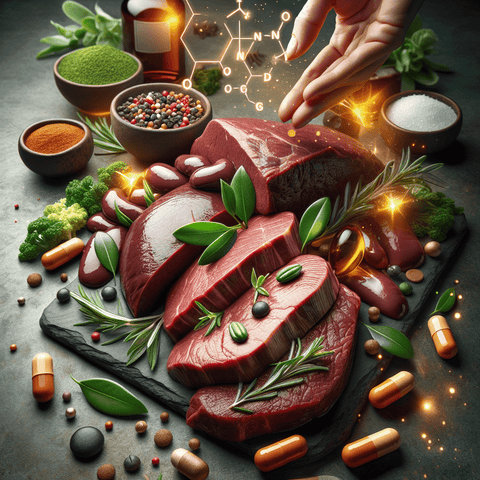
Vitamin A sources in meats are the animal foods that supply preformed vitamin A, mostly in the form of retinol. This topic matters because retinol is a directly usable form of vitamin A, and meats differ widely in how much they provide. This page offers a broad overview of the main types of meat that contribute retinol, how cuts and cooking may influence levels, and practical considerations for fitting them into an overall eating pattern.
If you are reviewing vitamin A in your diet, understanding the map of animal sources can help you compare options and ask better questions. For a wider view of the nutrient, you can explore our vitamin A benefits, sources, and safety category, which places meat sources alongside plant sources and supplements.
What Makes Meat a Source of Vitamin A?
Vitamin A in animal foods is primarily preformed retinol. Unlike provitamin A carotenoids from plants, retinol does not require conversion before the body can use it. That is the main reason meats are discussed as a distinct category of vitamin A sources.
The amount of retinol varies considerably depending on the type of meat and the specific cut. Liver and some other organ meats tend to carry the highest concentrations, while muscle meats generally contain lower and more variable amounts. Species, animal feed, fat content, and how the meat is processed or cooked can all influence what remains in the final product.
Main Types of Meat That Provide Retinol
When people look at vitamin A sources in meats, the conversation usually starts with organ meats and then moves to more commonly eaten muscle cuts. The list below introduces the main categories at a high level.
- Liver: typically the richest source of preformed vitamin A among meats, with notable levels across species such as beef, pork, poultry, and lamb.
- Other organ meats: kidney, heart, and certain other organs may also contribute retinol, though often at lower levels than liver.
- Fatty cuts and muscle meats: beef, pork, poultry, and lamb can contain smaller amounts of retinol, with levels influenced by the animal's diet and the cut's fat content.
- Processed meats: retinol content may shift depending on ingredients, preparation, and whether organ meats are included.
Specific values per 100g vary by product and source, so they are best checked against current nutrition databases or product labels rather than treated as fixed numbers.
How Cooking and Processing May Affect Retinol
Retinol levels in meat are not necessarily fixed from the moment of purchase. Cooking methods, heating time, and processing steps can all influence how much preformed vitamin A remains available in the final dish.
- Cooking method: prolonged high heat may reduce certain nutrients, while gentler methods may help preserve more.
- Processing: curing, smoking, and other processing may change the composition of a meat product.
- Storage and handling: how meat is stored before cooking may also play a role in nutrient retention.
These factors help explain why two products from the same animal can differ in retinol content. They also make it useful to rely on a varied approach rather than assuming a single cut always delivers the same amount.
Practical Ways to Think About Vitamin A in Meat Choices
For most people, the goal is not to eat the highest-retinol meat at every meal but to understand where retinol appears and how it fits into a broader diet. A few general principles can help.
- Rotate different cuts: including liver, organ meats, and muscle meats across meals can add variety without relying on one source.
- Check labels and databases: retinol content can vary, so product labels or trusted nutrition databases are useful references.
- Consider portion sizes: how often and how much you eat higher-retinol cuts matters when thinking about overall intake.
- Combine with plant sources: pairing meat with vegetables and other vitamin A sources can support a more varied eating pattern.
- Discuss personal needs with a professional: individual requirements and any health considerations are best reviewed with a qualified professional.
You can also explore our natural supplements category for related product options, keeping in mind that food sources and supplements play different roles in an overall routine.
Where to Explore Next
This tag page is designed as a broad entry point into vitamin A sources in meats. It introduces the main categories, the role of retinol, and practical considerations, but it does not attempt to answer every specific question in depth.
More focused topics such as detailed values per 100g, comparisons between specific cuts, factors affecting absorption, and meal ideas are better handled in the individual articles associated with this tag. The associated blog pages can go deeper into those questions while this page provides the broader context.
If you are looking at vitamin A more broadly, our multivitamins guide can help you see how vitamin A fits alongside other nutrients in a combined product.