Vitamine C voordelen: Versterk je immuunsysteem, huidgezondheid en meer


Ontdek de volledige kracht van vitamine C met een heldere blik op de voordelen ervan. Deze pagina richt zich op wetenschappelijk gedocumenteerde voordelen van vitamine C, waarin wordt getoond hoe onderzoekers de rollen van dit micronutriënt in de menselijke fysiologie beschrijven. Vitamine C is een wateroplosbare voedingsstof die betrokken is bij diverse biochemische processen, en het begrijpen van de voordelen begint met de chemie en de manier waarop het door het lichaam wordt verwerkt. Belangrijke voordelen van vitamine C omvatten de functie als essentiële cofactor voor verschillende enzymen, die de collageensynthese, de vorming van carnitine en bepaalde neurotransmitterroutes ondersteunen, evenals het optreden als een antioxidant die helpt biomoleculen te beschermen tegen oxidatieve stress. Absorptie en weefseldistributie bepalen hoe deze voordelen worden ervaren, waarbij het lichaam de opname reguleert op basis van de inname en reserves. Praktische tips en dagelijkse doseringen voor de voordelen van vitamine C: Algemene richtlijnen wijzen op ongeveer 75 mg per dag voor volwassen vrouwen en 90 mg per dag voor volwassen mannen als referentie-inname; de aanvaardbare bovengrens is 2000 mg per dag om mogelijke nadelige effecten van hoge doses te voorkomen. Voor het opbouwen van een consistente inname, overweeg de inname over de dag te spreiden en een steady dagelijks patroon aan te houden in plaats van grote, onregelmatige doses. Als u supplementen overweegt, raadpleeg dan een zorgprofessional om de aanvulling af te stemmen op uw individuele behoeften en medicatiegebruik. Wetenschappelijk onderbouwde feiten en veiligheid: de voordelen van vitamine C worden bestudeerd binnen de bredere wetenschap van voeding; vitamine C is wateroplosbaar en wordt niet in grote hoeveelheden opgeslagen, waarbij het overschot wordt uitgescheiden via de urine. De rol als antioxidant en cofactor is in veel modellen en contexten onderzocht, en lopend onderzoek blijft onze inzicht in de dosis-responsrelaties verfijnen. Het bekijken van de voordelen van vitamine C vanuit dit perspectief benadrukt de balans tussen voldoende innemen en het vermijden van overdosering, geleid door vastgestelde richtlijnen en individueel afgestemde adviezen.


What are the benefits of taking high doses of vitamin C? - Topvitamine
Nov 03, 2025
Een hoge dosis vitamine C kan bijdragen aan de normale werking van het immuunsysteem, collageenvorming en bescherming van cellen tegen oxidatieve stress. Meer is echter niet automatisch beter: hoge orale innames kunnen maag-darmklachten veroorzaken en zijn niet voor iedereen geschikt. In dit artikel lees je wat de mogelijke voordelen zijn, wat bekend is over vitamine C bij verkoudheid, hoe antioxidanten werken en wanneer overleg met een zorgverlener verstandig is.
Which illnesses does vitamin C help with? - Topvitamine
Oct 22, 2025
Vitamine C geneest geen ziekten, maar ondersteunt wel normale lichaamsfuncties zoals het immuunsysteem, de collageenvorming en de bescherming van cellen tegen oxidatieve stress. Bij een tekort kan aanvulling belangrijk zijn. Bij verkoudheid kan regelmatige inname de duur of ernst soms beperkt beïnvloeden, maar het voorkomt verkoudheid bij de meeste mensen niet. Lees ook over antioxidanten, dosering, voeding en veiligheid.

What happens to your body when you start taking vitamin C? - Topvitamine
Oct 16, 2025
Wat gebeurt er met je lichaam als je begint met vitamine C? Deze voedingsstof ondersteunt onder meer de normale werking van het immuunsysteem, collageenvorming, ijzeropname en bescherming van cellen tegen oxidatieve stress. Je leest wat je realistisch kunt verwachten, wanneer voeding volstaat, hoe je een vitamine C-supplement kiest en welke bijwerkingen of voorzorgsmaatregelen belangrijk zijn.
The Truth About Vitamin C: Myths, Benefits & Best Forms | Topvitamine - Topvitamine
Aug 21, 2025
De beste vorm van vitamine C hangt af van je doel en tolerantie. Ascorbinezuur is goed onderzocht en geschikt voor veel mensen, terwijl gebufferde vitamine C milder kan zijn voor de maag. Liposomale vitamine C is niet automatisch effectiever. In deze gids lees je ook over voedingsbronnen, huidverzorging, dosering, verkoudheid en belangrijke aandachtspunten bij supplementen.

The Best Vitamins for Immune System Support in 2025 | Topvitamine - Topvitamine
Jul 10, 2025
Vitamines voor het immuunsysteem kunnen bijdragen aan een normale afweer, vooral wanneer je niet voldoende voedingsstoffen binnenkrijgt. In deze gids lees je wat vitamine C, vitamine D, zink, vitamine B6 en selenium doen, waarom slaap en voeding belangrijk blijven en hoe je supplementen zorgvuldig kiest. Ook beantwoorden we veelgestelde vragen over snel je immuunsysteem versterken en mogelijke signalen van een verminderde weerstand.
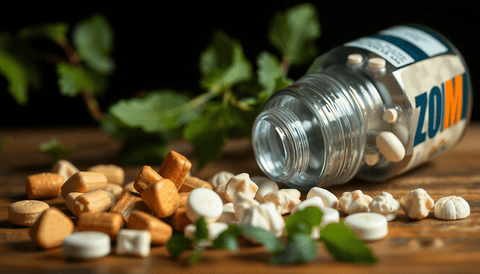
Zinc vs. Vitamin C: Choosing the Best Immune Supplement | Topvitamine - Topvitamine
Jul 06, 2025
Zink en vitamine C dragen allebei bij aan een normale werking van het immuunsysteem, maar zijn geen vervanging voor een gevarieerde voeding of medische zorg. In deze vergelijking lees je wanneer elk supplement relevant kan zijn, welke zinkvormen vaak worden gebruikt, waarop je let bij de aankoop en welke veiligheidsadviezen belangrijk zijn. Ook beantwoorden we veelgestelde vragen over opname, merken, de prostaat en gecombineerd gebruik.

Vitamin C is one of the most widely discussed nutrients in health and nutrition. Known scientifically as ascorbic acid, this water-soluble vitamin is essential for human health because the body cannot synthesize it on its own. As a result, people must obtain it through food, beverages, or supplements. On this page, we explore the broad vitamin C benefits, how it functions in the body, where to find it, and what to consider when using supplements. This overview is designed to give you a clear, science-based map of the topic, while our dedicated articles dive deeper into specific questions.

What Is Vitamin C and Why Is It Important?

Vitamin C is a nutrient that participates in a variety of biochemical processes. Its primary role in the body is as a cofactor for several enzymes, meaning it helps these enzymes perform their functions. One of the most notable processes involving vitamin C is the synthesis of collagen, a structural protein that is vital for the health of skin, tendons, ligaments, and blood vessels.

In addition to its role in collagen production, vitamin C acts as an antioxidant. This means it helps protect cells from oxidative stress, which can be caused by free radicals—unstable molecules that can damage cellular structures. By neutralising these free radicals, vitamin C contributes to the body's natural defence system.

Because the body regulates vitamin C levels carefully, absorption changes based on how much is already stored. Understanding this dynamic is key to appreciating why consistent daily intake matters more than occasionally consuming large amounts.

Key Vitamin C Benefits and Their Role in Human Physiology

Vitamin C is associated with several important physiological functions. While research continues, the following areas are generally recognised as central to its benefits:

  • Collagen synthesis: Vitamin C is required for the enzymatic steps that stabilise collagen molecules, supporting healthy skin, blood vessels, bones, and cartilage.
  • Antioxidant protection: As an antioxidant, vitamin C helps protect biomolecules from oxidative stress, which is part of normal cellular metabolism.
  • Immune function: Vitamin C contributes to the normal function of the immune system, a key reason it is frequently associated with immune health.
  • Carnitine and neurotransmitter production: Vitamin C serves as a cofactor for enzymes involved in the production of carnitine, which is involved in energy metabolism, and for certain neurotransmitters.

These roles illustrate why vitamin C is needed for overall health. However, it is important to note that these benefits are about supporting normal physiological functions, not about treating or curing any specific condition. Ongoing research continues to refine our understanding of dose-response relationships and the full spectrum of vitamin C's effects.

Dietary Sources of Vitamin C

A balanced diet can usually provide an adequate amount of vitamin C. The nutrient is found naturally in a wide range of plant-based foods. Some of the most well-known and accessible sources include:

  • Citrus fruits such as oranges, grapefruits, and lemons
  • Berries, including strawberries, blueberries, and raspberries
  • Vegetables like bell peppers, broccoli, Brussels sprouts, and tomatoes
  • Leafy greens such as spinach and kale

Because vitamin C is water-soluble, it can be lost during cooking, especially when foods are boiled. To preserve the vitamin C content, consider consuming these foods raw, steamed, or lightly cooked.

General Recommendations for Daily Intake

Understanding how much vitamin C to take is a common question. General guidelines for reference intake are 75 mg per day for adult women and 90 mg per day for adult men. These amounts are intended to meet the needs of most healthy individuals.

The tolerable upper intake level (UL) for vitamin C is 2000 mg per day. This is the highest level of daily intake that is likely to pose no risk of adverse effects for almost all individuals. Taking doses higher than this may lead to digestive discomfort, such as diarrhoea or stomach cramps.

For optimal absorption, it is often suggested to spread vitamin C intake throughout the day rather than taking one large dose. This is because the body's absorption efficiency decreases when intake is very high in a single sitting.

Vitamin C Supplements: Forms and Considerations

For those who struggle to meet their vitamin C needs through diet alone, supplements are a practical option. They come in various forms, including tablets, capsules, chewables, powders, and liposomal formulations. The most common form is ascorbic acid, but other forms like sodium ascorbate or calcium ascorbate are also available, which may be gentler on the stomach.

When choosing a supplement, it is important to consider factors such as dosage, form, and any additional ingredients. If you are considering vitamin C supplements, it is advisable to consult with a healthcare professional. This is particularly important if you have underlying health conditions or are taking other medications, as vitamin C can interact with certain drugs.

Signs of Vitamin C Deficiency

While deficiency is less common in developed countries, inadequate intake can lead to symptoms. Historically, a severe lack of vitamin C caused scurvy, a disease characterised by fatigue, gum disease, and poor wound healing. In modern contexts, low vitamin C levels may manifest as:

  • Fatigue and weakness
  • Slow wound healing
  • Dry or damaged skin
  • Bleeding gums or nosebleeds
  • Aching joints or muscles

If you suspect you may have a vitamin C deficiency, it is important to consult a healthcare provider for proper evaluation and personalised dietary or supplement advice.

Safety, Side Effects, and Interactions

Vitamin C is water-soluble, meaning that excess amounts are typically excreted in urine. This generally makes it safe for most people, but high doses can cause adverse effects such as:

  • Digestive issues, including diarrhoea and stomach cramps
  • Increased risk of kidney stones in susceptible individuals when consumed in very high doses over long periods

For people with certain conditions, such as hemochromatosis (iron overload) or a history of kidney stones, high-dose vitamin C supplements should be used with caution. Vitamin C can enhance the absorption of non-heme iron (the type found in plant foods), which is generally beneficial for those with iron deficiency but could be problematic for others.

As with any dietary supplement, it is essential to speak with a healthcare professional before starting vitamin C, especially if you are pregnant, nursing, or taking prescription medications. They can help determine the appropriate dosage and ensure there are no potential interactions.

Exploring the Science of Antioxidants

Vitamin C is often discussed alongside other antioxidants. Its role as an antioxidant is central to many of its perceived benefits. To understand this aspect better, it is helpful to explore the broader topic of antioxidants and how they work in the body to neutralise free radicals. The science of antioxidants is complex and fascinating, offering a wider context for understanding how nutrients like vitamin C support health.

Further Reading and Resources

This page provides a broad overview of vitamin C benefits and its role in the body. For those interested in a focused approach, our Vitamin C collection provides more specific information on how this nutrient supports immunity, antioxidant defence, and energy metabolism.

To further build your understanding of nutritional supplements, you may also find our natural supplements overview helpful, as it covers a range of nutrients and how they can complement a balanced lifestyle.