Vitamine C Voeding: 15 Beste Bronnen om je Immuunsysteem te Versterken


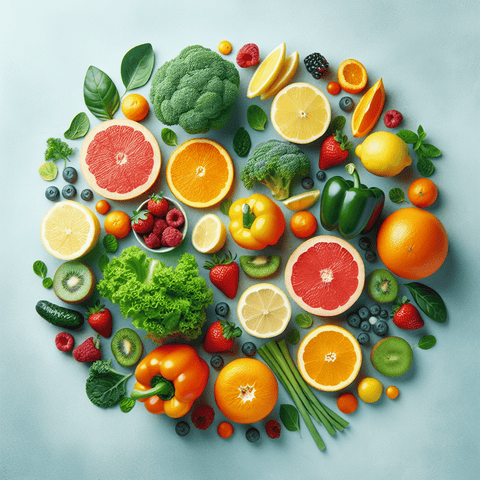
Deze pagina verkent vitamine C-voedingsmiddelen en hoe ze in alledaagse maaltijden kunnen passen. Het richt zich op de 15 beste vitamine C-voedingsmiddelen, met informatie over waar ze vandaan komen en hoeveel vitamine C ze gewoonlijk per portie bevatten. Je vindt praktische portiegroottes en ideeën voor het verwerken van deze producten in verschillende gerechten, terwijl de focus blijft op vitamine C-voedingsmiddelen en hun gehalte. Het doel is om neutrale, informatieve informatie te presenteren over deze bronnen zonder in gezondheidsclaims te vervallen. Hier zijn 15 vitamine C-voedingsmiddelen, met typische portiegroottes en geschatte vitamine C-inhoud per portie: Rode paprika (ongeveer 190 mg per kopje, gehakt), Sinaasappel (ongeveer 70 mg per middelgrote vrucht), Kiwi (ongeveer 71 mg per vrucht), Aardbeien (ongeveer 89 mg per kopje, gehalveerd), Grapefruithelft (ongeveer 38 mg), Citroen (ongeveer 31 mg per vrucht), Limoen (ongeveer 20 mg per vrucht), Ananas (ongeveer 79 mg per kopje, stukjes), Mango (ongeveer 60 mg per kopje, gesneden), Papaya (ongeveer 88 mg per kopje, in blokjes), Cantaloupe (ongeveer 57 mg per kopje, in blokjes), Broccoli (ongeveer 81 mg per kopje, roosjes), Spruitkool (ongeveer 75 mg per kopje, rauw), Bloemkool (ongeveer 46 mg per kopje, rauw), Boerenkool (ongeveer 80 mg per kopje, rauw). Deze cijfers reflecteren gangbare portiegroottes en geven een idee van hoe deze vitamine C-rijke voedingsmiddelen zich verhouden qua inhoud. Om vitamine C-voedingsmiddelen in maaltijden te verwerken, kun je denken aan kleurrijke, smakelijke combinaties. Bijvoorbeeld, voeg rode paprika toe aan roerbakgerechten of salades, toppers op yoghurt met gesneden aardbeien of mango, en meng sinaasappelpartjes door graangerechten. Je kunt gehakte boerenkool in soepen of gebakken gerechten verwerken, genieten van ananas of papaya in fruitschalen of salsas, en broccoli of spruitkool gebruiken als bijgerecht of gemengd in geroosterde groentegerechten. Voor een citrusachtige frisheid, pers citroen of limoen uit over gerechten of klop het sap door dressings. Met deze ideeën kun je vitamine C-voedingsmiddelen integreren in diverse maaltijden en texturen gedurende de dag. Het verkennen van vitamine C-voedingsmiddelen biedt een kleurrijke manier om maaltijden te plannen met een scala aan smaken en texturen. De focus ligt erop om topbronnen en praktische portiegroottes te identificeren, zodat je opties kunt vergelijken en in de keuken kunt experimenteren. Als je je menu wilt diversifiëren, bieden deze vitamine C-voedingsmiddelen veel aansprekende combinaties en bereidingsideeën om maaltijden interessant te houden.


What foods are high in vitamin C? - Topvitamine
Oct 26, 2025
Voedingsmiddelen rijk aan vitamine C zijn onder andere paprika, guave, kiwi, aardbeien, broccoli en citrusfruit. In dit artikel lees je welke bronnen het meeste vitamine C leveren, hoe je groenten het beste bereidt en wat bekend is over vitamine C bij nierstenen, diabetes en Parkinson. Ook bespreken we wanneer voeding volstaat en waarop je let bij een supplement.
Which food is rich in vitamin C? - Topvitamine
Oct 23, 2025
Welk voedsel is rijk aan vitamine C? Vooral rode paprika, guave, kiwi, broccoli, aardbeien en citrusvruchten leveren veel vitamine C. In dit artikel lees je hoeveel vitamine C voedingsmiddelen ongeveer bevatten, hoe je verlies door bewaren en koken beperkt en wanneer een supplement mogelijk nuttig is. Ook beantwoorden we vragen over vitamine C bij diabetes en eczeem.
Which foods contain vitamin C? - Topvitamine
Oct 14, 2025
Voedingsmiddelen met vitamine C zijn vooral fruit en groenten, zoals paprika, kiwi, aardbeien, broccoli, guave en citrusfruit. In deze gids lees je welke bronnen relatief veel vitamine C leveren, hoe je verlies door bewaren en koken beperkt en hoeveel je praktisch nodig hebt. Ook bespreken we vitamine C-supplementen, wintervoeding en de vraag of vitamine C geschikt is bij diabetes.

Vitamin C foods are a foundational part of a well-rounded diet. Since the human body cannot synthesize this nutrient on its own, it must be obtained through food. This guide explores the most abundant sources of vitamin C, explains why they matter, and offers practical advice for incorporating them into your everyday meals.

Whether you're looking to support your immune system, understand how different foods compare, or find new ways to prepare nutrient-dense meals, this tag page provides a comprehensive overview. We'll cover the top foods, their typical vitamin C content per serving, and the broader context of how this nutrient functions in the body.

What Is Vitamin C and Why Does It Matter?

Vitamin C, also known as ascorbic acid, is a water-soluble vitamin with a range of important roles in the body. It is perhaps most well-known for its function as a powerful antioxidant, helping to protect cells from damage caused by free radicals. Beyond its antioxidant properties, vitamin C is vital for the synthesis of collagen, a protein necessary for healthy skin, blood vessels, and connective tissue. It also enhances the absorption of iron from plant-based foods, which is beneficial for preventing iron deficiency.

Because vitamin C is water-soluble, it is not stored in large amounts in the body. Regular intake through diet is therefore necessary to maintain adequate levels. A deficiency can lead to symptoms like fatigue and weakened immunity, highlighting the importance of consistently consuming vitamin C foods as part of a balanced nutrition plan.

Top Vitamin C Foods and Their Content

Many fruits and vegetables are excellent sources of vitamin C. While citrus fruits are commonly associated with this nutrient, many other foods actually contain higher concentrations. The following list highlights common foods and their approximate vitamin C content per standard serving, providing a clear picture of where to get the most benefit.

  • Red bell pepper: about 190 mg per cup (chopped)
  • Kiwi: about 71 mg per medium fruit
  • Orange: about 70 mg per medium fruit
  • Strawberries: about 89 mg per cup (halved)
  • Papaya: about 88 mg per cup (cubed)
  • Broccoli: about 81 mg per cup (florets)
  • Kale: about 80 mg per cup (raw)
  • Pineapple: about 79 mg per cup (chunks)
  • Brussels sprouts: about 75 mg per cup (raw)
  • Grapefruit: about 38 mg per half fruit
  • Lemon: about 31 mg per fruit
  • Lime: about 20 mg per fruit

As illustrated, a diverse range of produce can help you meet your daily vitamin C needs. Incorporating a variety of these foods not only boosts vitamin C intake but also provides a host of other essential nutrients and dietary fiber.

How to Incorporate More Vitamin C Foods into Your Diet

Maximizing your intake of vitamin C is often about simple culinary strategies. The key is to consume these foods regularly and in a way that preserves their nutrient content, as vitamin C can be sensitive to heat and light.

For everyday meals, consider these practical approaches:

  • Add red bell pepper strips to stir-fries, salads, or omelets for a crisp, sweet crunch.
  • Top yogurt or oatmeal with fresh strawberries, kiwi slices, or other berries.
  • Blend pineapple or mango into smoothies for a tropical flavor boost.
  • Incorporate chopped kale or broccoli into soups, stews, or as a simple roasted side dish.
  • Finish dishes with a squeeze of fresh lemon or lime juice instead of relying on salt or heavy sauces.

Remember that raw consumption often yields the highest vitamin C content. When cooking, using methods that are quick and use minimal water, such as steaming or stir-frying, can help reduce nutrient loss.

Understanding Vitamin C Absorption and Requirements

While getting enough vitamin C is crucial, understanding how your body absorbs it can help optimize your intake. Vitamin C is absorbed in the intestines, and its absorption rate can be influenced by a number of factors. Generally, the body is capable of absorbing a significant portion of the vitamin C found in food, although absorption can become less efficient at very high doses.

Daily requirements can vary based on age, sex, and certain lifestyle factors such as smoking. The recommended daily allowance (RDA) for most adults is around 75–90 mg, which is easily achieved by consuming one serving of a high-vitamin-C food, like a red bell pepper or an orange. Eating a varied diet with multiple servings of fruits and vegetables daily is the most effective way to ensure you're meeting your needs.

Exploring Individual Foods in More Depth

Each vitamin C food brings its own unique set of nutritional benefits beyond just ascorbic acid. For example, red bell peppers are also rich in vitamin A, while kiwi provides dietary fiber and antioxidants. Exploring the individual characteristics of these foods can help you build a more varied and interesting diet.

Vitamin C and Overall Health

The role of vitamin C foods extends beyond just preventing deficiency. As an antioxidant, vitamin C helps combat oxidative stress in the body, which is linked to various aspects of well-being. Its role in collagen formation is also critical for maintaining the health of your skin, joints, and blood vessels.

Moreover, consuming vitamin C along with iron-rich plant foods can significantly boost iron absorption, helping to prevent iron deficiency anemia. For this reason, pairing foods like a spinach salad with strawberries or a citrus vinaigrette is an excellent dietary strategy.

Considering Supplements

While a diet rich in fruits and vegetables is the best way to obtain vitamin C, some people may choose to use supplements to meet their needs. This can be particularly relevant for individuals with limited access to fresh produce, certain absorption issues, or who have higher requirements. For those interested in supplementation, exploring options within our Vitamin C supplement collection can provide additional context.

Broad Context: Vitamins and Supplements

Vitamin C is just one component of a healthy nutritional profile. Other vitamins, such as the B-complex vitamins and vitamin D, also play vital roles in energy metabolism and bone health. A balanced diet that includes a rainbow of fruits and vegetables is the cornerstone of good health. For general information on multivitamins and how they can fit into a healthy lifestyle, you can explore our multivitamin collection.

Conclusion

Vitamin C foods are an indispensable part of a nourishing diet. By understanding the best sources, their nutritional content, and how to best prepare them, you can make informed decisions to support your health. Remember that a diverse and colorful plate is the most effective way to get the vitamins and minerals your body needs to thrive.