
Deze pagina behandelt vitamine D-tekort en botgezondheid, en verkent wat kan bijdragen aan een tekort, hoe testen werken, en praktische stappen om te overwegen—zonlicht, dieet en veilige supplementen. Het doel is om context en vragen te bieden om te bespreken met een zorgverlener, in plaats van voorschrijvende medische adviezen te geven. De inhoud richt zich op het begrijpen van de relatie tussen vitamine D-tekort en botgezondheid, en hoe dit in grote lijnen beoordeeld kan worden. Oorzaken en bijdragende factoren kunnen onder andere geografische locatie en klimaat, patronen van blootstelling aan de zon, leeftijd, huidtype en bepaalde gezondheidscondities of medicatie omvatten. Deze factoren kunnen de vitamine D-status beïnvloeden en in sommige gevallen de botgezondheid bepalen. Er zijn tests beschikbaar om vitamine D-waarden en andere gerelateerde indicatoren te meten, en een arts kan de resultaten interpreteren binnen de context van de gezondheid van het individu. Testen op vitamine D-waarden gebeurt meestal via een bloedtest die door een arts wordt aangevraagd, waarbij de resultaten worden besproken in relatie tot de algehele gezondheid en risicofactoren. Afhankelijk van de bevindingen en persoonlijke omstandigheden kan een arts de volgende stappen en monitoringplannen bespreken, altijd onder professionele begeleiding. Wat betreft de stappen om te overwegen—zonlicht, dieet en veilige supplementen—ligt de nadruk op geïnformeerde besluitvorming en professionele begeleiding. Onderwerpen zijn onder andere veilige zonlichtpraktijken, het bekijken van dieetpatronen samen met een arts, en het bespreken van veilige supplementen indien geschikt. Het doel is om het begrip van vitamine D-tekort en botgezondheid te ondersteunen en mogelijkheden voor voortdurende beoordeling te schetsen, in plaats van het promoten van specifieke producten of claims.
Vitamine D-tekort en botgezondheid: Versterk je botten nu
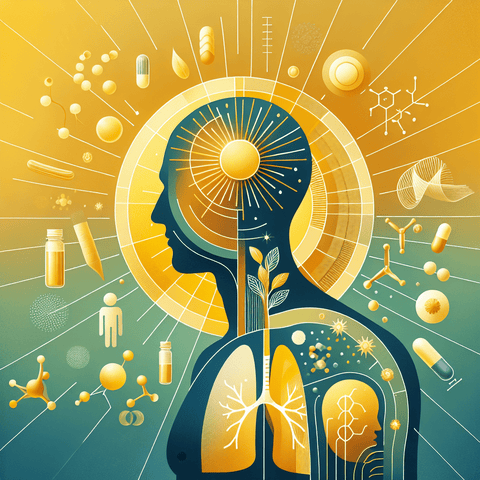
Vitamin D deficiency and bone health are closely connected. Vitamin D contributes to the normal absorption of calcium and to the maintenance of normal bones, so when levels stay low for extended periods, the skeleton may gradually be affected. Because a deficiency often develops quietly, many people first encounter the topic through a routine blood test or a conversation with a doctor about tiredness, muscle aches, or bone discomfort.
This page provides a broad overview of the topic: the role vitamin D plays in bone health, what happens to bones when levels run low, the factors that can contribute to deficiency, how vitamin D status is tested, and the practical steps—sunlight, diet, and supplements—that are commonly discussed with a healthcare professional. It is intended as general educational context rather than medical advice, and the individual articles collected under this tag explore specific questions in more depth.
Why Vitamin D Matters for Bone Health
Vitamin D is best understood as a partner to calcium. It contributes to the normal absorption and use of calcium and phosphorus—minerals that form the structural basis of bone. When vitamin D status is adequate, the body is better placed to make use of the calcium obtained from food. This is one of the reasons clinicians consider vitamin D status when assessing bone health, alongside diet, physical activity, age, and medical history.
What Happens to Bones When Vitamin D Is Low
When vitamin D levels are low, less calcium may be absorbed from food. To keep the calcium circulating in the bloodstream stable, the body can draw on the stores held in bone, which over time may affect bone mineralisation. In children, prolonged, severe deficiency is associated with rickets, a condition that affects bone development. In adults, it is associated with osteomalacia, a softening of the bones that can bring bone pain and muscle weakness.
Milder shortfalls often cause few or no noticeable symptoms at all, which is why a blood test is generally the only dependable way to establish where levels stand.
Signs Often Associated with Low Vitamin D
When signs of low vitamin D do appear, they tend to be general rather than specific. Commonly reported signs include:
- Persistent tiredness or low energy.
- General muscle aches, cramps, or weakness.
- Bone pain or tenderness, for example in the lower back, hips, or legs.
None of these signs confirms a vitamin D problem on its own—they can have many other causes, from sleep habits to unrelated health conditions. Anyone experiencing persistent symptoms is encouraged to raise them with a healthcare professional, who can decide whether testing is appropriate.
What Can Contribute to Low Vitamin D
Vitamin D status is shaped by a combination of lifestyle, environmental, and personal factors. These often overlap, and several of the most common contributors are listed below:
- Geographic location and climate, with weaker sunlight for part of the year at higher latitudes.
- Limited sun exposure, including time spent indoors or routinely covering most of the skin.
- Age, as the skin's ability to produce vitamin D from sunlight gradually declines.
- Skin type, with darker skin producing less vitamin D from the same amount of sun.
- Certain health conditions that affect how the body absorbs or processes vitamin D.
- Certain medications that may interact with vitamin D or influence its metabolism.
Medication questions deserve particular care. If you take prescription medicine and are considering a vitamin D supplement, it is sensible to check with a pharmacist or doctor first. Specific questions—such as whether vitamin D can be taken alongside a medication like diltiazem—are best answered by a professional who can review your complete medication list, since possible interactions depend on individual circumstances.
How Vitamin D Status Is Tested
Vitamin D status is assessed with a blood test, usually measuring 25-hydroxyvitamin D, the storage form that best reflects the body's overall supply. Testing may be arranged by a doctor when symptoms, risk factors, or an underlying condition suggest it could be useful.
Results are interpreted in context. Thresholds for what counts as insufficient can differ between health organisations, so a number on a report does not tell the whole story on its own. A clinician weighs test results alongside symptoms, sun exposure, diet, age, and medical history before outlining next steps, which may include monitoring or retesting over time.
Supporting Bone Health: Sunlight, Diet, and Supplements
Sunlight is the body's primary natural source of vitamin D. When skin is exposed to UVB light, it produces vitamin D, which the body then converts into its active form. How much is produced depends on the season, time of day, latitude, and individual skin type. Because excessive sun exposure carries well-recognised skin health risks, most public health guidance favours short, regular periods of outdoor light combined with sensible skin protection rather than deliberate tanning.
Diet contributes a smaller but still meaningful share of vitamin D. Foods commonly associated with vitamin D include:
- Oily fish such as salmon, sardines, and mackerel.
- Egg yolks.
- Fortified foods, including some margarines, breakfast cereals, and plant-based drinks.
- UV-exposed mushrooms.
Even with a varied diet, many people find it difficult to maintain adequate vitamin D from food alone, particularly during winter at higher latitudes. Bone health also depends on adequate calcium, which is needed for the maintenance of normal bones; good sources include dairy products, fortified plant-based alternatives, and, where dietary intake falls short, calcium supplements.
Supplements are a widely used way to top up vitamin D where sunlight and diet fall short. Anyone considering this route can browse our vitamin D supplements for an overview of available options, keeping in mind that a healthcare professional can advise on the form and amount best suited to individual circumstances.
Vitamin K is another nutrient that contributes to the maintenance of normal bones and is often mentioned alongside vitamin D in bone health discussions. Vitamin K supplements are available for readers who want to explore this pairing further, again ideally with professional input on what makes sense for them.
Vitamin D, Osteoporosis, and Professional Guidance
Osteoporosis—reduced bone density and a higher risk of fractures—and its milder precursor, osteopenia, are medical diagnoses confirmed through bone density scans. Vitamin D status is one of several factors a clinician may consider in this context, alongside calcium intake, physical activity, hormonal changes, age, family history, and medication use.
Questions about whether vitamin D on its own can reverse bone loss do not have a general answer. Managing bone health is individual: it typically combines professional assessment, nutrition, weight-bearing activity, and, where appropriate, prescribed treatment. General information of this kind can help readers prepare for informed conversations, but diagnosis and treatment decisions belong with a healthcare professional.
It is sensible to seek professional advice if:
- You experience persistent tiredness, bone pain, or muscle weakness without a clear cause.
- You have known risk factors for low vitamin D, such as limited sun exposure.
- You are considering regular supplement use, particularly alongside prescription medication.
- You have been diagnosed with a bone condition such as osteoporosis or osteomalacia.
Frequently Asked Questions
Can vitamin D reverse osteoporosis?
Osteoporosis requires professional diagnosis and an individual management plan. Adequate vitamin D status is generally viewed as part of overall bone care—vitamin D contributes to the maintenance of normal bones—but whether vitamin D alone can reverse bone loss is not something general information can answer. Decisions about treatment rest with a clinician, who can weigh bone density results and overall health.
Can I take diltiazem with vitamin D?
Whether vitamin D can be combined with diltiazem, or any other prescription medicine, depends on individual circumstances, and a general page like this cannot provide a reliable answer. The most dependable step is to ask a pharmacist, doctor, or prescriber, who can review your full medication list and advise on any interactions, timing, or monitoring that may be appropriate.
How much vitamin D do I need?
Vitamin D needs vary with age, life stage, sun exposure, and health status, and recommended intakes differ between countries and health organisations. Because of this, general figures are of limited use for any one person. A healthcare professional can suggest an intake suited to your situation and indicate whether testing would be helpful before or after starting a supplement.
Can you get enough vitamin D from food and sunlight alone?
Some people do maintain adequate vitamin D through regular, sensible sun exposure together with a diet that includes oily fish, fortified foods, and other sources. However, season, latitude, lifestyle, skin type, and age all influence how realistic this is, and many people fall short at least during the winter months. Testing and professional advice are the clearest way to determine whether a supplement is worth considering.
Exploring Vitamin D and Bone Health Further
This page is a starting point rather than a final word. The articles collected under this tag look at individual questions in greater depth—from recognising deficiency and interpreting test results to comparing supplement options and supporting bone health at different life stages. Browse the articles associated with this tag to continue, and keep in mind that a healthcare professional remains the best source of guidance for personal health decisions.